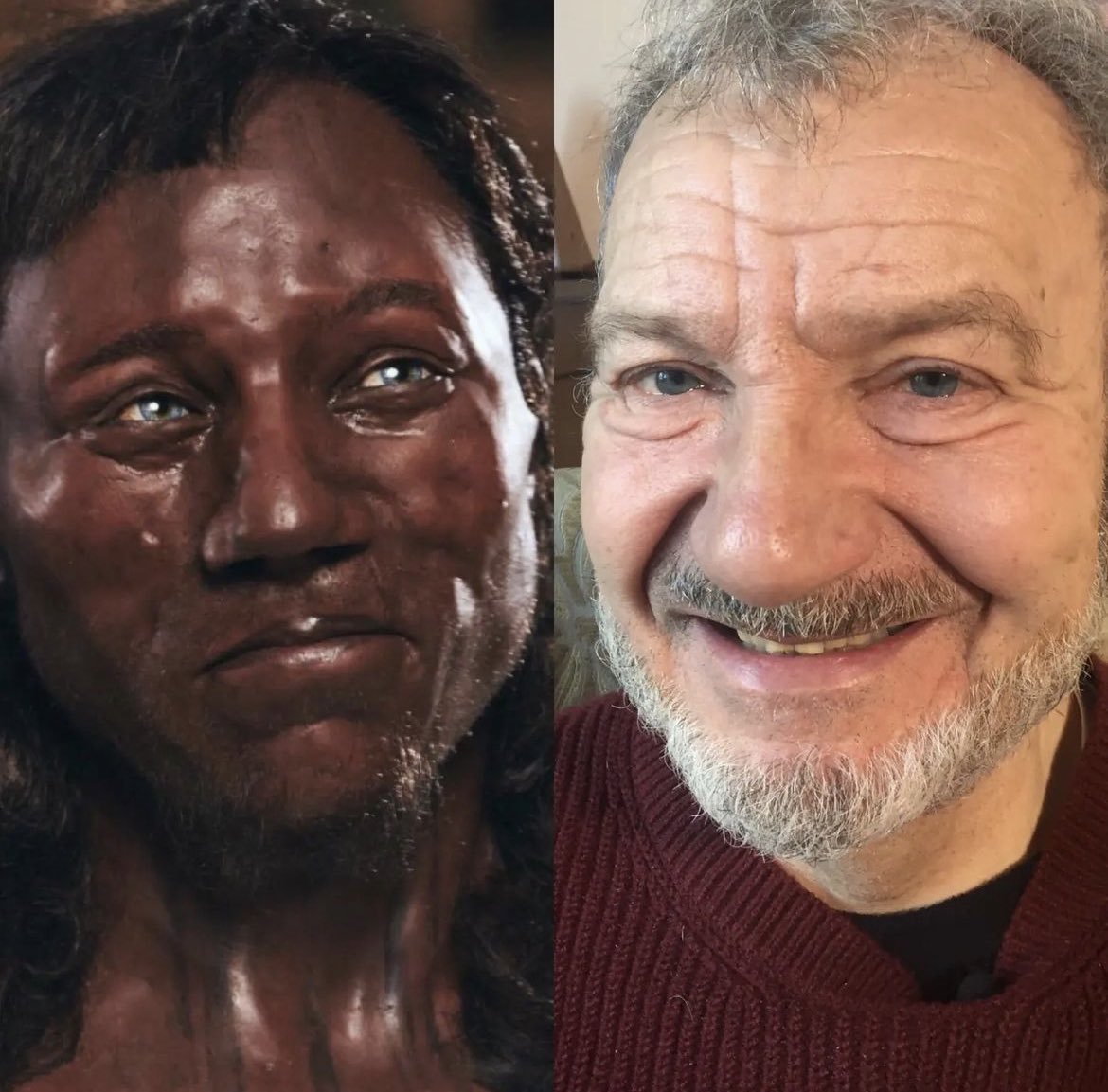
Introducing Cheddar Man, a man from 10,000 years ago whose descendant is alive today. Cheddar Man refers to an early Mesolithic individual discovered in Gough's cave in Cheddar, England, back in 1903. He is believed to have met a violent end in his twenties. Through DNA analysis, it is indicated that this ancient human likely had dark skin, blue eyes, and black curly hair. It is probable that these early human ancestors originated in Africa, migrated to the Middle East, and eventually traveled to Northwestern Europe. During that time, England was connected to mainland Europe, enabling travel on foot.
This remarkable discovery implies that some of the earliest settlers in England possessed dark skin. The evolution towards white or pale skin likely occurred later, as light skin absorbs more vitamin D, obtained from sunlight. Given the lack of sunlight in the English climate, changes in diet might have also influenced this shift in skin color. The introduction of farming introduced new foods to our diet, altering vitamin and nutrition levels. Plant-based foods tend to lack vitamin D, which could have prompted our bodies to adapt and compensate for this nutritional loss.
Cheddar Man belonged to a hunter-gatherer society, meaning he procured food through hunting and gathering, as the concept of basic farming had yet to emerge. Human bones with signs of chewing by other humans were found inside the cave, indicating that Cheddar Man was likely involved in cannibalistic practices, possibly for religious purposes. This demonstrates that humans had religious systems long before established religions like Christianity or Islam.
Surprisingly, 10% of the current population in Britain shares ancestry with these Mesolithic individuals. In an incredible turn of events, 20 local individuals underwent DNA testing, and one of them, Adrian Targett, a retired history teacher, turned out to be a genetic match. Adrian represents the 300th generation of the Cheddar Man bloodline, and his blue eyes and nose shape resemble those attributed to Cheddar Man with blue eyes and a similar nose shape.
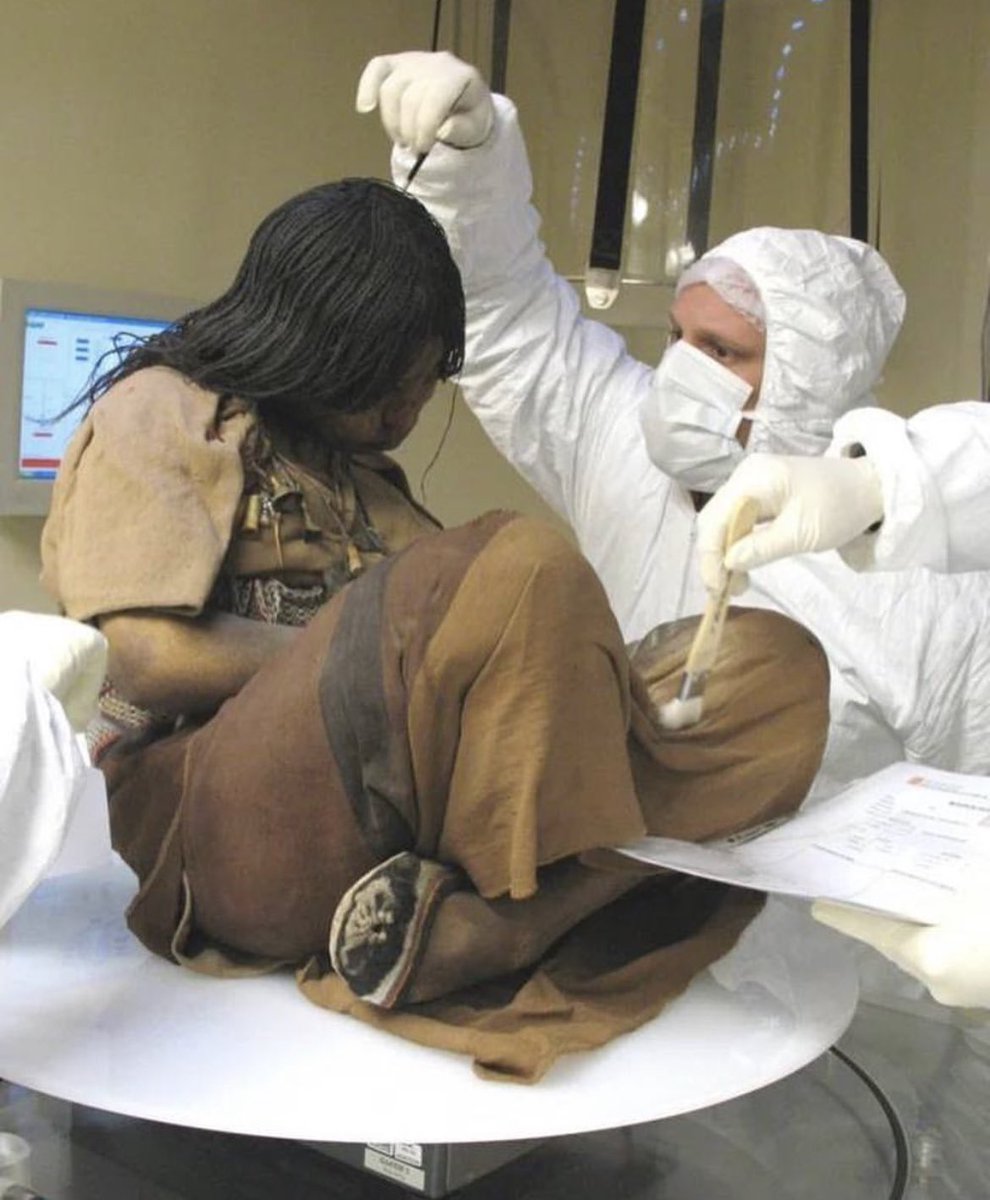
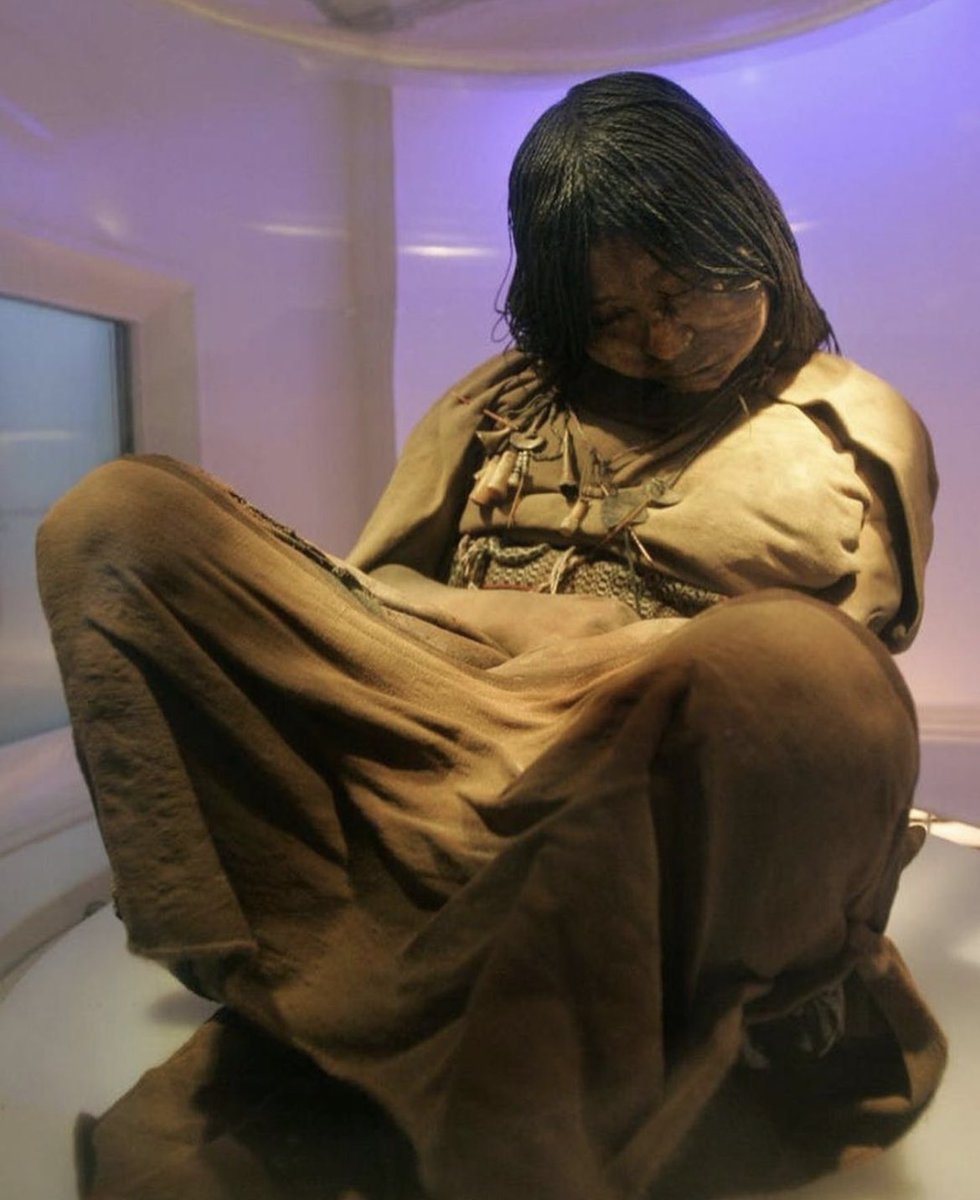
Researchers investigate the remains of a 15-year-old mummy named "La Doncella" who resided within the Inca Empire. They believe this young individual was selected for sacrifice and bestowed the honor of dwelling alongside the gods. Remarkably, her frozen body endured for 500 years. Discovered in 1999 at the formidable height of 22,000 feet atop Mount Llullaillaco, the mummy of "La Doncella" stands as one of the most exceptionally preserved ever found. The internal organs remain intact, blood still lingers within the heart and lungs, and the skin and facial features exhibit minimal signs of damage.