LEAD is a foremost think tank, inspiring sustainable development across diverse sectors, with a focus on environment, climate change and development issues.
We're looking for an inspirational leader to lead our dynamic organisation.
Have you got what it takes to be our next National Program Director (CEO)?
Apply on https://t.co/KHlrytsZdI
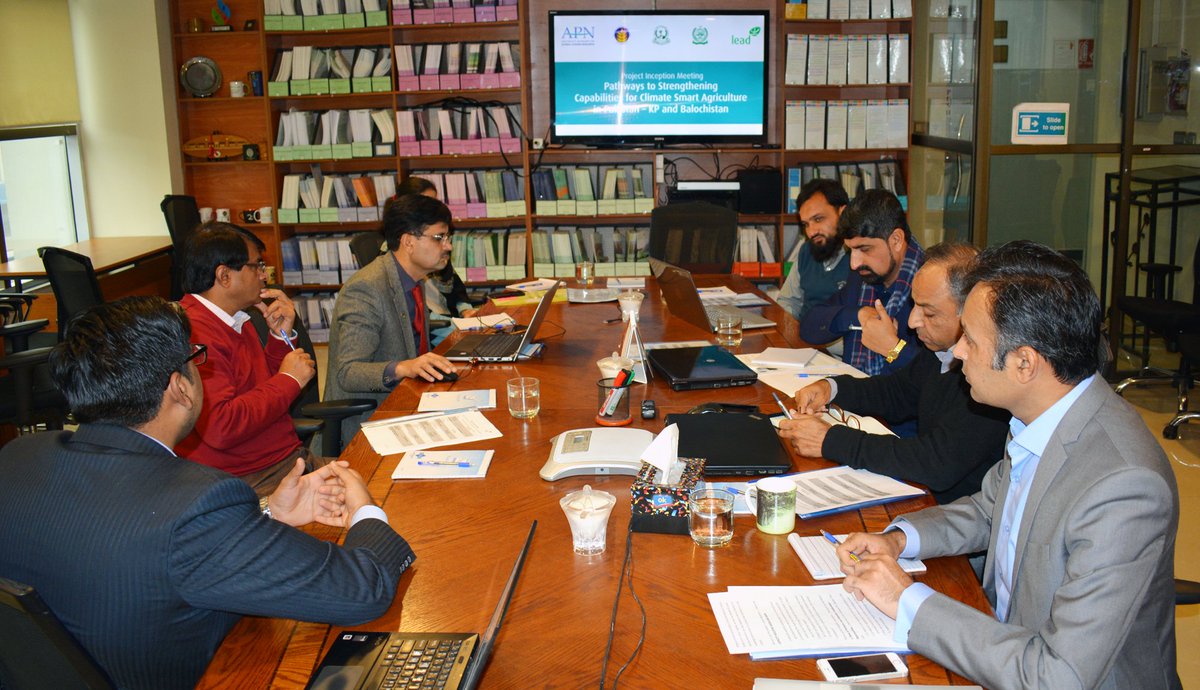
Happening now Project Inception Meeting - Pathways to Strengthening Capabilities for Climate Smart Agriculture in Pakistan – KP and Balochistan
https://t.co/hzqFtdNYrA
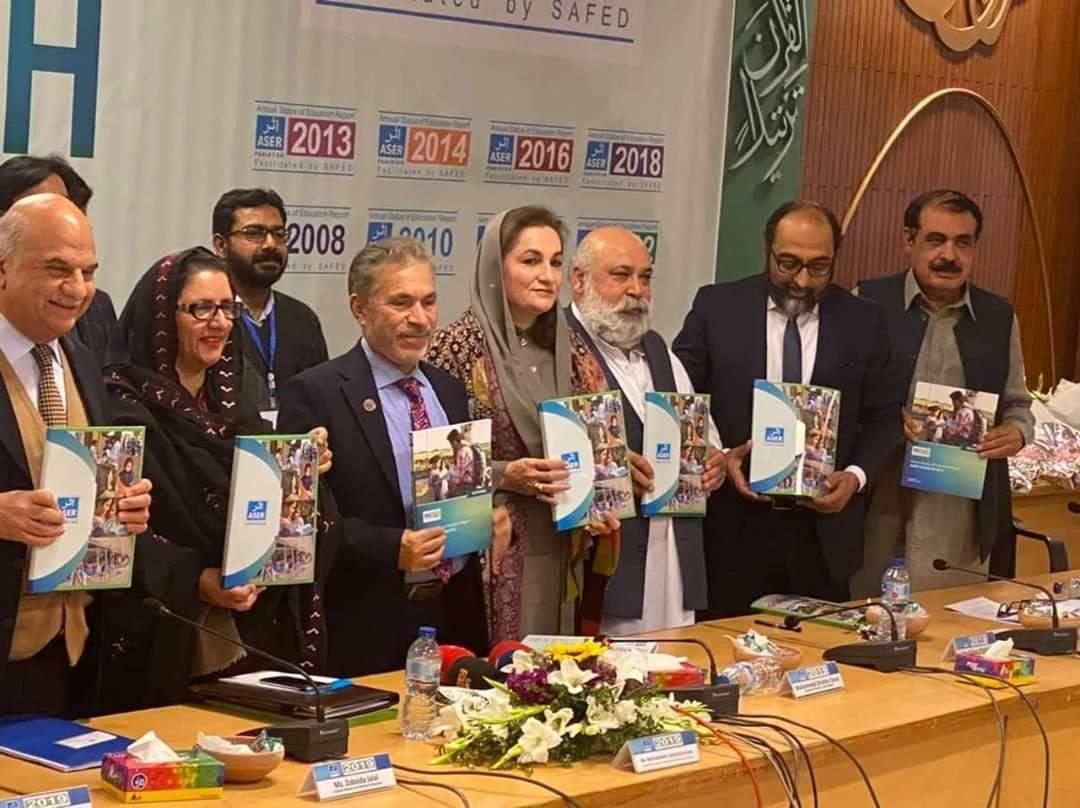
Annual Status of Education Report (ASER) 2019, AJK has the highest percentage of children (age 6-16) enrolled 97%, while #GilgitBaltistan has got the second 93%, Islamabad 91%, Punjab 91% , Sindh 86%, KPK 73% and Balochistan 70%. @CMGBPK @CmTask
#Govt_Of_Gilgit_Baltistan
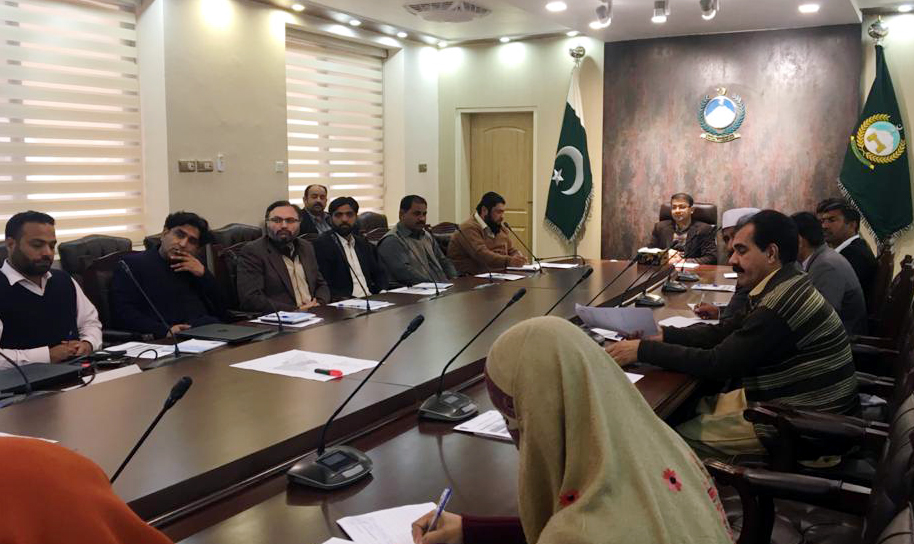
Devising long term strategies for DRR should now be the cornerstone of our disaster management planning at district level, says DC, Dera Ismail Khan, at Consultative Workshop for the development of District Disaster Management Plan #LEAD4DRR Project Info: https://t.co/6aOD37pILM
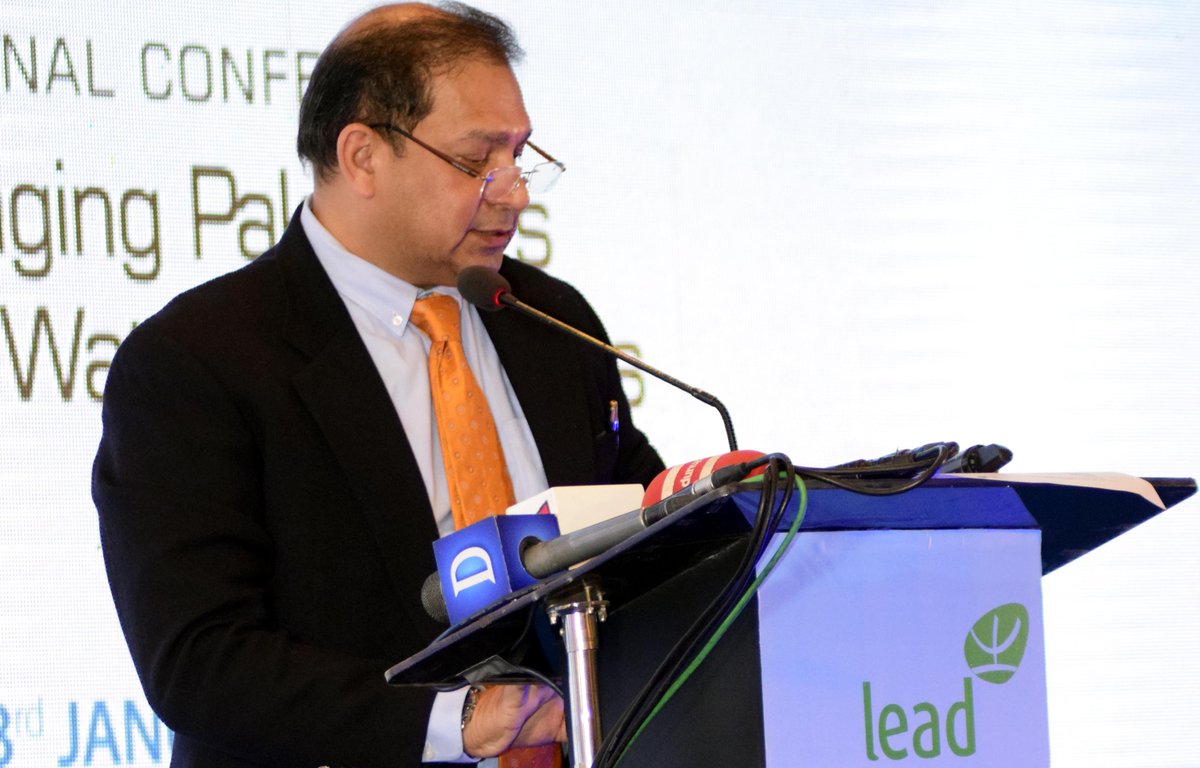
'LEAD commits to continue to strive for a sustainable future for ourselves and our next generations.' says Mr. Ahmed Saeed Shaikh, Member LEAD Board of Governors #LEAD4Water
Senator Usman Kakar, Member Senate Committee on Water Resources shares that protection of rights of all stakeholders is key for implementing a policy framework #LEAD4Water
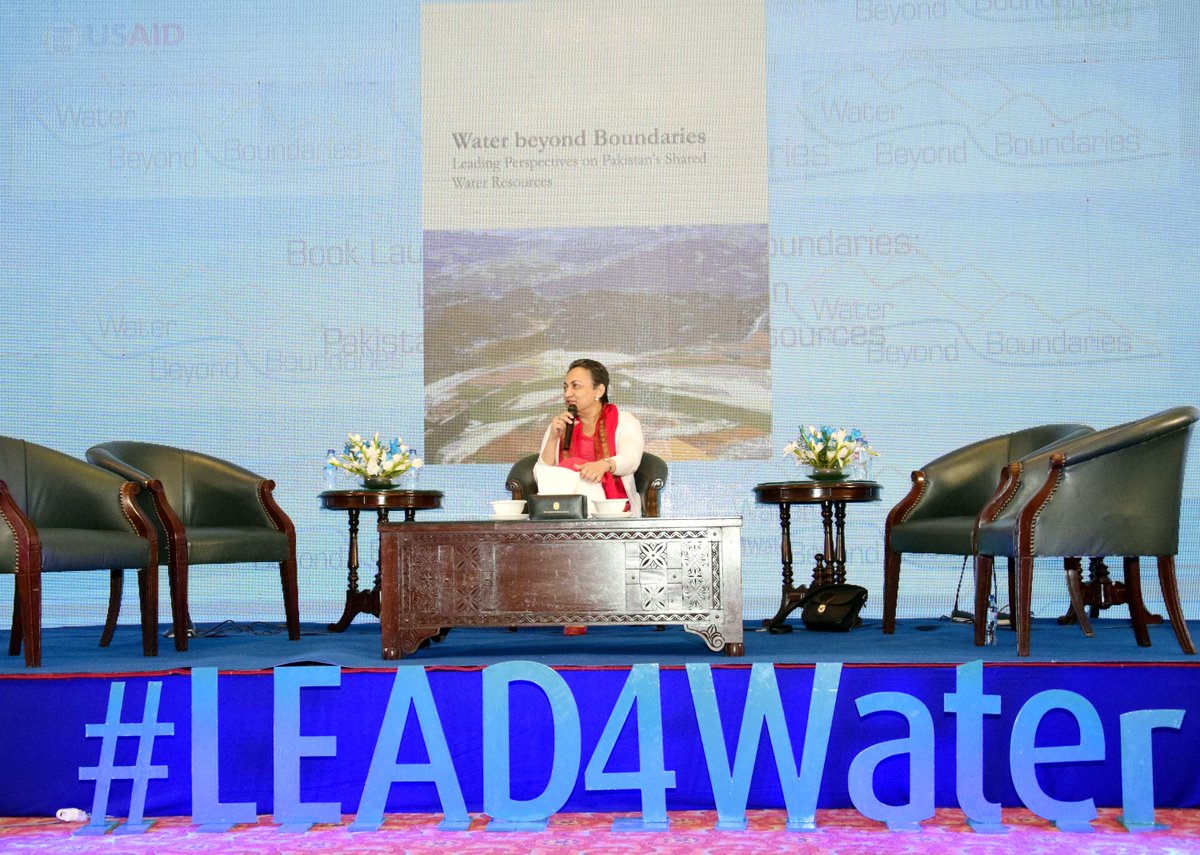
Ms. Simi Kamal presents the practical aspects of managing transboundary waters 'inside and out' both at an international transboundary level and at the federal, provincial and local scales #LEAD4Water
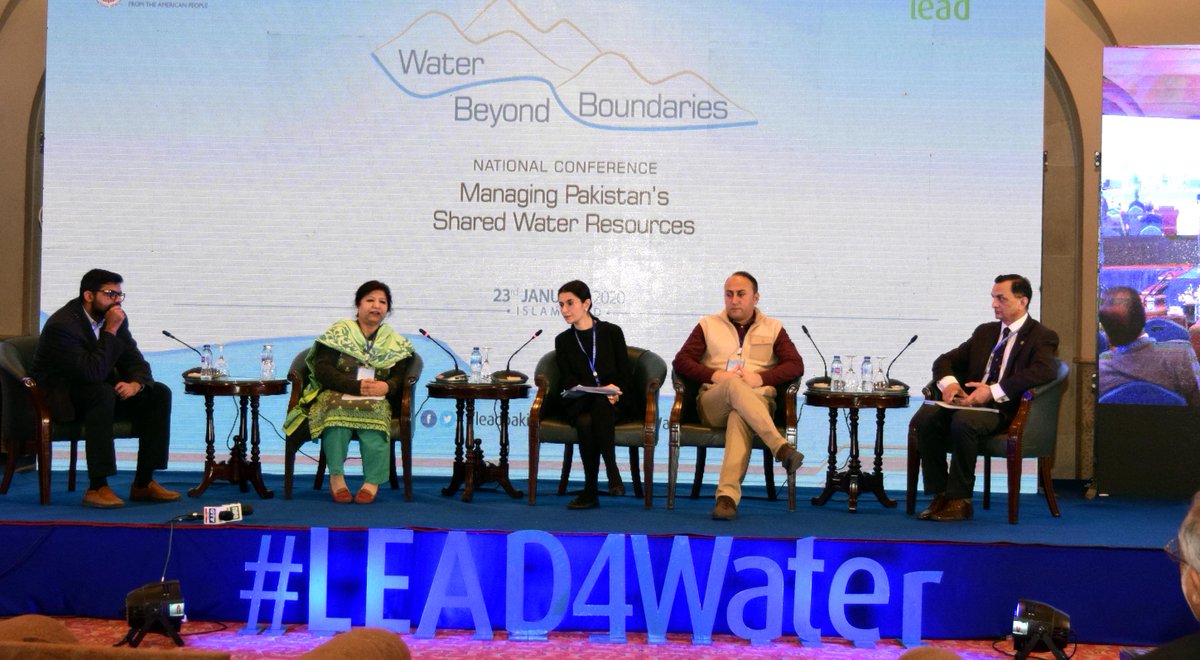
Panelist of the session on 'Key developments and opportunities for improving management of the shared Kabul River Basin between Pakistan and Afghanistan' #LEAD4Water
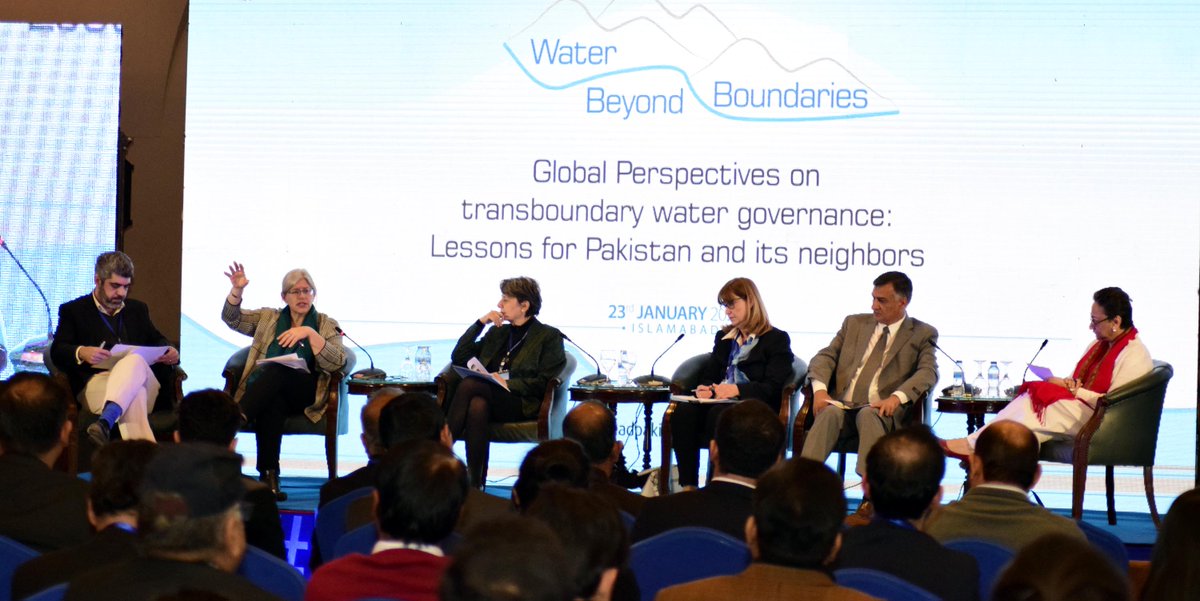
Ms. Wendy Gilmour, Canadian High Commissioner to Pakistan speaks during the session on Global Perspectives on transboundary water governance: Lessons for Pakistan and its neighbors @gilmour_wendy#LEAD4Water
The event focused on transboundary water issues by advocating trust building among riparian countries in the Kabul River Basin, as well as moving forward on benefit sharing.
#LEAD4Water
Book Launch
A fresh approach is needed to move forward on the Kabul River - allowing Khyber Pakhtunkhwa to take a more active role in negotiations, for example, could significantly alter the dynamic between the two countries for the better.
#LEAD4Water
Book Launch
We should aim to start the process with soft actions such as collaborative research, joint statements, sharing of information, and trust building exercises between the two states.
#LEAD4Water
Book Launch
Can Pakistan and Afghanistan agree on open sharing of information and data? While a treaty would ultimately be beneficial for everyone. 2/2
#LEAD4Water
Book Launch
Before aiming for a legal treaty, we should ask a few important questions: What exactly would Kabul and Islamabad negotiate over? Would an allocation-based arrangement be in each country’s long-term best interests? 1/2
#LEAD4Water
Mr. Naseer Gillani, Former Chief Water, Planning Commission elaborates that we need to prepare well regarding the water case, both factually and technically.
#LEAD4Water
Book Launch
A water treaty based on international transboundary water laws would require both countries to utilize the Kabul River waters in an equitable and reasonable manner, with a view to attaining optimal and sustainable utilization thereof.
#LEAD4Water
Senator Usman Kakar, Member Senate Committee on Water Resources shares that protection of rights of all stakeholders is key for implementing a policy framework.
#LEAD4Water