Under pressure from Israeli prime minister Benjamin Netanyahu, the Trump administration may be within days of launching a nuclear strike on Iran. The target would be Pickax Mountain in central Iran, where Israeli intelligence claims the Iranian government has restarted its nuclear enrichment program. No conventional weapon in the American arsenal can penetrate 300 feet of solid granite to destroy the tunnels where enrichment is supposedly taking place. The only military option is a nuclear strike. Netanyahu has been pushing hard for one. “Bibi calls Trump about it every day,” says an informed observer.
Netanyahu is cornered and desperate. After last week’s election results, he can’t form a government unless Trump intervenes directly in Israeli politics and brokers a deal with other parties that gives Netanyahu 61 seats in the Knesset. Otherwise, he is out as prime minister and on his way to ignominy, investigations and possibly jail. Netanyahu must stay close to Trump. He needs this war.
To that end, he’s applied maximum pressure to his closest allies in the administration, including Secretary of Defense Pete Hegseth and CENTCOM commander Brad Cooper. Both oppose a negotiated settlement to the war they’ve so grievously mismanaged; both are pushing to restart major combat operations. Secretary of State Marco Rubio and CIA director John Ratcliffe are also following Netanyahu’s lead, as are leaders of the Democratic Party. In a recent meeting on the subject, former president Barack Obama said he opposes the current Iran peace deal being drafted in Doha.
The rest of America’s longtime allies in the Middle East are terrified by the prospect of more war. On September 27th, Netanyahu flew secretly to Abu Dhabi to enlist the UAE in his lobbying effort for a final attack on Iran. The Emiratis refused. After eight months of conflict, Gulf economies are teetering. So are global energy and fertilizer markets. They won’t recover soon. Globally, there are a total of about 850 supertankers used to transport oil from producers to the rest of the world. In October alone, 11 of them were badly damaged in Hormuz. At this pace, a global depression is imminent. A nuclear strike would radically accelerate the destruction. Fallout from a ground explosion at Pickax Mountain would contaminate the Persian Gulf, poisoning the water supply for 100 million people.
And those are just some of the immediate consequences for the region. The rest of the world is every bit as exposed. No country other than the United States has ever used a nuclear weapon in war. Some would like to. An American nuclear attack on Iran would set a new precedent. The Russians have already told at least two other governments that an American nuclear strike on Iran would free them to use nuclear weapons against Ukraine. Pakistan and India would be tempted to do the same against each other, as would North Korea against Seoul. After the first nuclear strike, World War Three is inevitable. That war would be short and final.
We’ve been sleepwalking toward this moment for months. Since February, the administration has quietly rewritten America’s nuclear doctrine to make first use of so-called “battlefield nukes” easier and therefore more likely. No one in Washington in either party seems bothered by this. Now we’re on the brink of it.
Close observers say Trump is likely to decide by next weekend whether or not to use nuclear weapons. That would be November 7, six days from now. To his credit, he’s hesitating. At the moment, Trump is listening to his vice president, JD Vance, and to his envoy and friend Steve Witkoff, both of whom argue a deal with Iran can be made.
They’re right, though it won’t be simple. The Iranians are famously frustrating to negotiate with under any circumstances, and elements of that government have become more radical since Ayatollah Ali Khamenei and his family were killed in February. After decades of isolation, even relatively moderate Iranian leaders seem confused by how decisions are made in the West. (There is a widespread belief in Tehran, for example, that the United States government controls Israel.) But overall, people who have spoken to decision-makers in Iran say there is consensus there that more war is bad for everyone and a deal is worth making.
One group that hasn’t been consulted so far is the global population — the hundreds of millions of people who will be killed along with their children if Trump is pushed by Netanyahu into launching a nuclear strike next week. Now would be the time for them to speak up.
Amalia Solórzano y Cuauhtémoc Cárdenas: una familia ante la historia
El 1 de diciembre de 1934, Lázaro Cárdenas del Río asumió la Presidencia de México. En estas imágenes aparece acompañado de su esposa, Amalia Solórzano, y su pequeño hijo, Cuauhtémoc, nacido el 1 de mayo del mismo año, quien tenía apenas siete meses de edad. La escena familiar, captada antes de la toma de protesta, nos acerca a un momento decisivo de la historia política mexicana.
Amalia Solórzano fue una compañera fundamental en la vida de Lázaro Cárdenas, pero también construyó una trayectoria propia, vinculada con causas sociales y humanitarias. Su hijo, Cuauhtémoc Cárdenas Solórzano, seguiría décadas después su propio camino en la política y se convertiría en una figura central de la izquierda mexicana y de la lucha por la democratización del país.
La escena también nos remite a un principio esencial de la vida democrática: la transición pacífica del poder. El 1 de diciembre de 1934, Abelardo L. Rodríguez entregó la Presidencia a Lázaro Cárdenas, en un proceso institucional que contrastaba con las décadas de levantamientos y conflictos armados que habían marcado la historia nacional.
Una fotografía familiar terminó convirtiéndose en una ventana a la historia de México, sus transformaciones políticas y la construcción de sus instituciones.
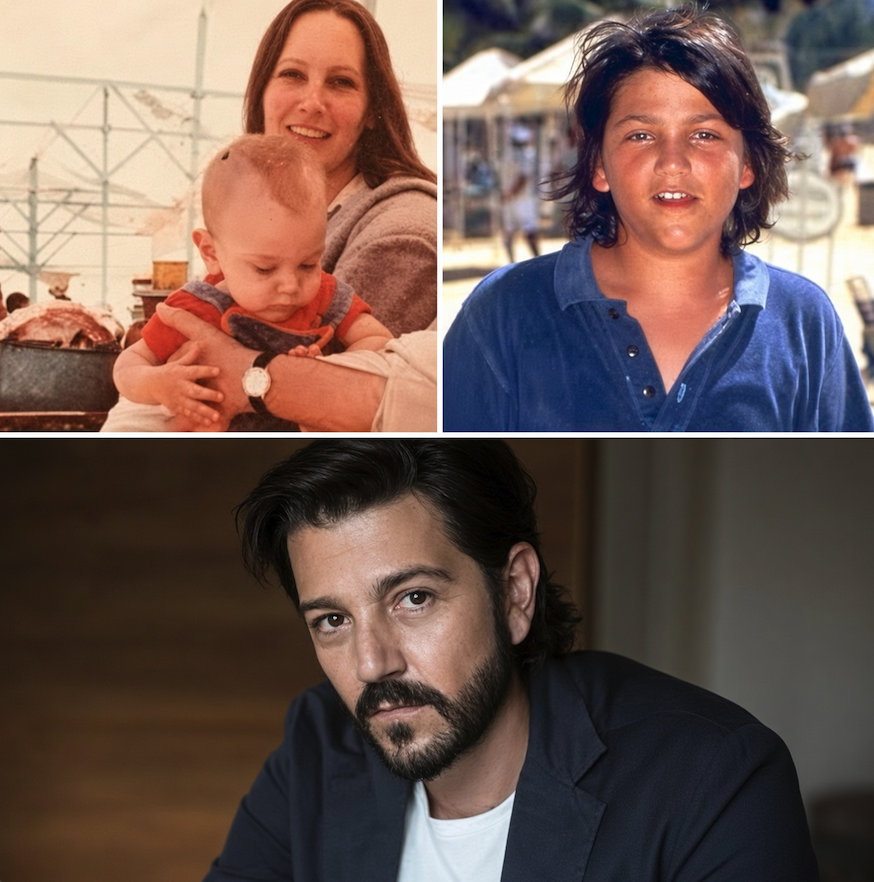
Diego Luna se atrevió a decir lo que casi nadie admite: que hay ausencias que nos explican la vida entera.
Su mamá murió cuando él tenía dos años. No la recuerda. Y aun así, hace muy poco, presentando su nueva película como director, lo dijo sin rodeos:
«Perdí a mi madre cuando tenía dos años y, de alguna manera, buena parte de mi vida la he pasado intentando entender lo que esa ausencia significa».
Y luego añadió algo todavía más íntimo: «Mi relación con mi padre, por ejemplo, no la entiendo sin esa ausencia».
Fíjate en eso. Un hombre que ha triunfado en México y en Hollywood, que ya es papá de hijos casi adultos, reconoce que una pérdida que ni siquiera recuerda sigue ordenando su manera de querer, de cuidar y de relacionarse con los suyos.
En otra entrevista fue más lejos: «Por momentos, tengo cosas muy resueltas y, por momentos, soy el niño de 8 años que no entiende por qué a él no le tocó».
Imagina a ese niño. Quizá miraba a otros niños salir de la escuela de la mano de su mamá. Quizá no tenía palabras para nombrar lo que le faltaba, porque no se puede extrañar con claridad a alguien que no recuerdas. Y quizá por eso ese vacío se volvió tan grande: porque no tenía forma, solo peso.
Pero Diego también contó la otra parte. Habló de las personas que lo acompañaron, «esas redes que me acogieron y me abrazaron cuando mi madre ya no estaba». Amigas de su madre, gente del teatro, una familia que se fue tejiendo alrededor de un niño que había perdido algo esencial.
Eso es lo que me conmueve de su confesión. No dice «ya lo superé». Dice que todavía lo está entendiendo. Y lo hace sin vergüenza.
Muchos cargamos ausencias así. Un papá que se fue. Una mamá que estaba, pero no estaba. Un abuelo del que nadie hablaba. Lo que no se nombra en una familia no desaparece: se hereda. Pasa en silencio de una generación a otra y aparece después en cómo amamos, en lo que tememos y en lo que exigimos a los demás sin saber por qué.
Y hay algo liberador en hacer lo que hizo Diego: dejar de fingir que ya está resuelto. Mirar de frente al niño que no entendió y decirle: «Ahora sí te escucho».
No hace falta tener todas las respuestas. A veces sanar empieza simplemente por darle un lugar a lo que faltó.
La jueza Navi Pillay, Nobel de la Paz, considera "imperdonable" el nivel de "crueldad y violencia" de Israel en Palestina y acusa de "hipocresía" a las democracias que defienden el derecho internacional solo cuando les conviene.
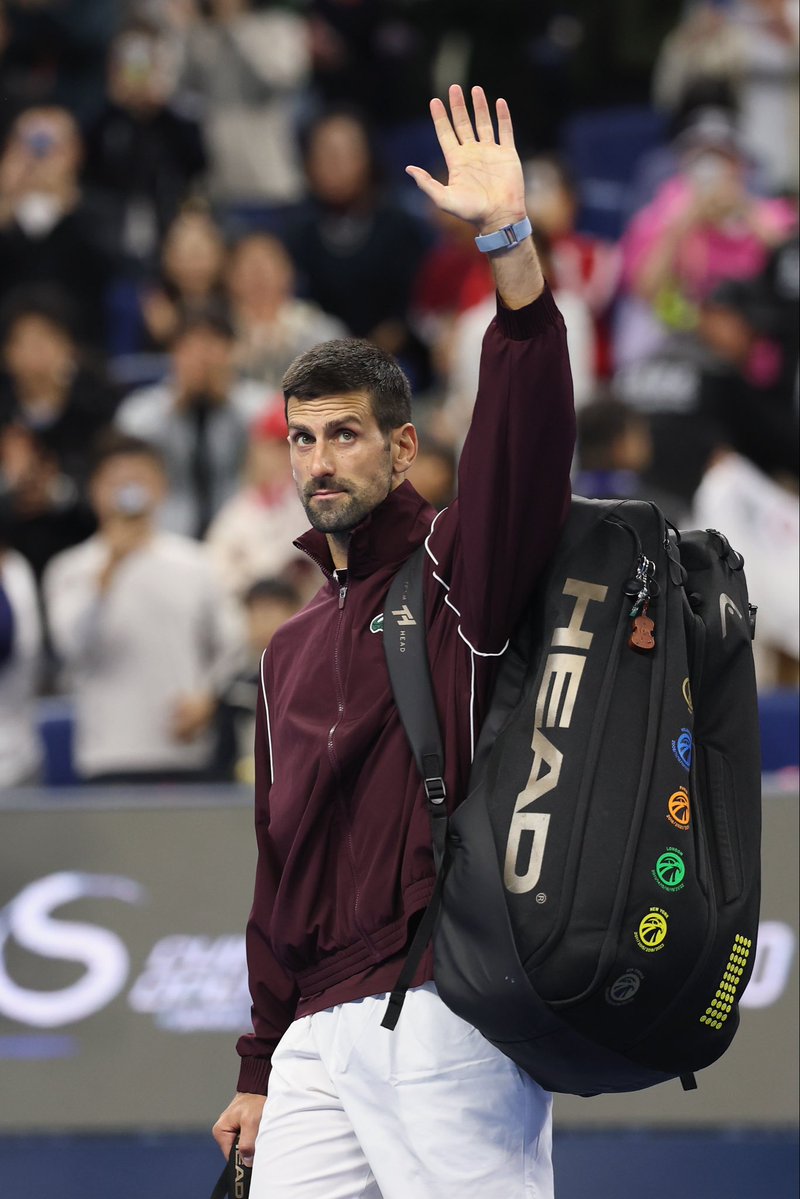
Bit in shock after that one. An incredible battle, and grateful to be heading to another China Open final. Most importantly, wishing the injured spectator a speedy recovery ❤️🩹. Also sending thoughts to @DaniilMedwed. I’ve been there.
See you tomorrow, Beijing. Idemooo
Has escuchado alguna vez el Cielito Lindo... ¿en japonés? 😲
De parte de la Embajada de Japón🇯🇵 les tenemos una sorpresa especial para todos en México, esperamos que canten con nosotros🎵
¡Feliz Día de la Independencia, les deseamos que pasen muy felices fiestas patrias! 🔔🇲🇽
This was the point Alexander Zverev was told he'd never play tennis.
He was only 4 years old and just diagnosed with Type 1 diabetes. A year earlier he was already hitting tennis balls and dreaming of being a tennis player.
Doctors told his parents that tennis would be too physically demanding for him.
His parents never told any of this to him. They never told him to stop. They never treated his condition as something that would limit him.
They allowed him to train and live his dream.
Many years later this same kid became an Olympic champion and a 2-time Grand Slam winner.
He didn’t outgrow diabetes. He outgrew the idea that it ended the dream.
El speech de Zverev que tienes que escuchar.
🗣️ “Quiero agradecer a una persona más una que nunca ve realmente mis partidos, pero es la persona más importante en mi vida tenística y en mi vida en general.
Cuando tu hijo de 4 años es diagnosticado con diabetes, y los médicos en la oficina te dicen que la vida y el deporte serán muy, muy limitados para ese niño, se necesita una madre muy, muy fuerte para salir de ese despacho y decir:
‘Mi hijo estará dondequiera que quiera estar. Si quiere ser tenista, será tenista. Si quiere hacer algo más, hará algo más. Pero esta enfermedad no nos definirá’.
Mi madre es la persona más importante y fuerte que conozco. Se necesita una mujer increíblemente fuerte para hacer lo que ella hizo.”
Inspirador para muchos diabéticos o para padres de hijos diabéticos.
🚨Gazze'de açıklama yapan Avustralyalı kadın doktorlar:
▪️Bu videoyu çekiyoruz çünkü her an ölebiliriz.
▪️Hastalarımızın %70-80'i çocuk ve hamile kadınlar.
▪️9 aylık hamile, başı kesilmiş bir kadını doğurttum.
▪️Lütfen bu terör ve dehşeti durdurun.
🚨 SON DAKİKA: Yüzlerce kişi, İngiltere'nin Manchester kentinde israilin Gazze’ye yönelik yaptığı soykırıma karşı tüm insanlığın ayağa kalkması için toplandı