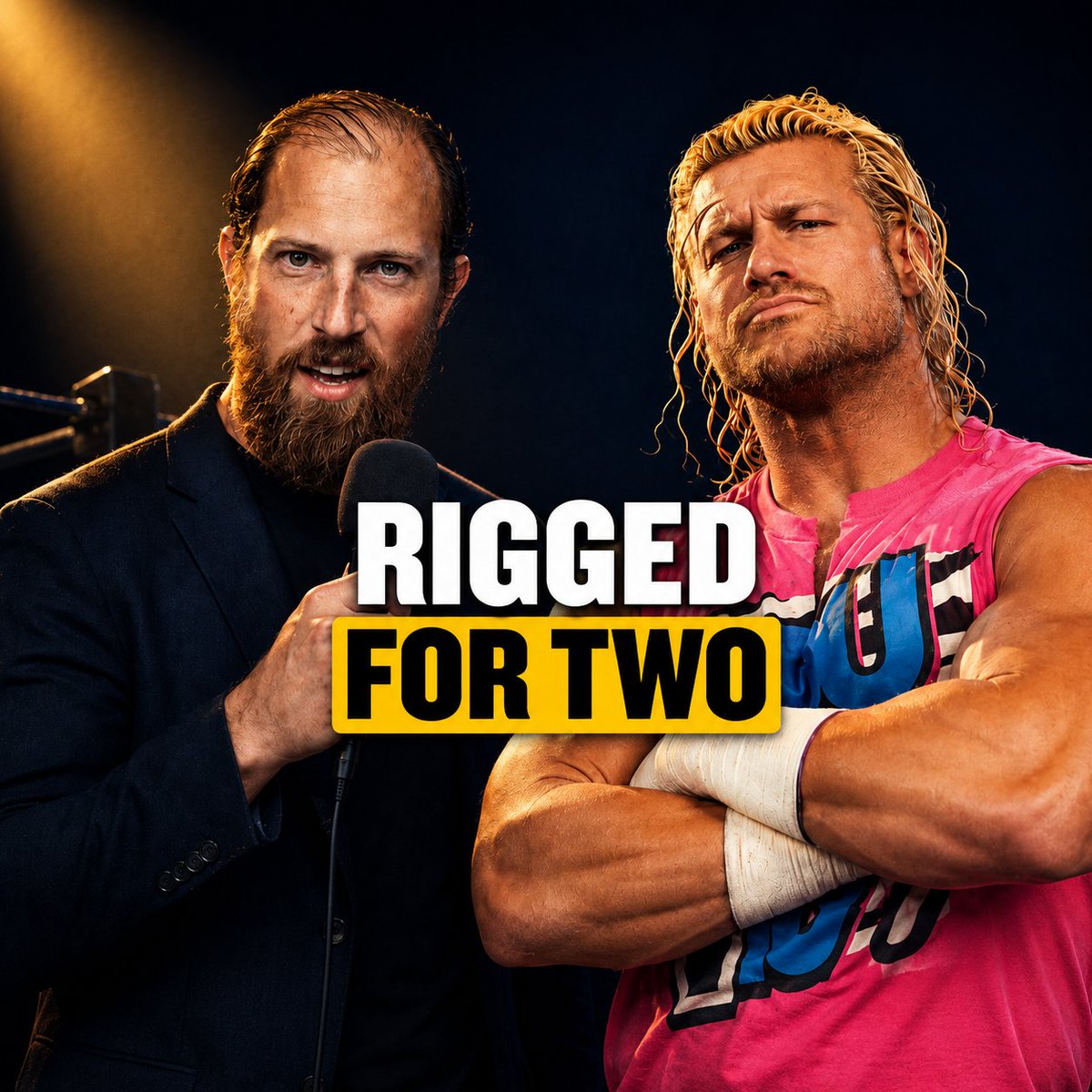
WWE Superstar Dolph Ziggler sits down with Trevor Kraus at LibertyCon for a raw, unscripted conversation about the rigged two-party system, why wrestling keeps producing political converts, and how watching the media flip its own story taught him not to trust any narrative.
Yet from that isolation, an entire school of economic thought refused to die 🔥. Decades later, it helped carry a president into office.
Watch how it happened: https://t.co/YfqqJpQ2hb
But that story starts decades earlier - when Ludwig von Mises sat with no university post, no library 📚, and no institutional support. Harvard had rejected him. The Gestapo had already taken his books.
They didn't need a new location. They needed to open when the crowds were already there.
💡 Sound familiar? Sometimes the opportunity isn't gone. It's just been overlooked. Read the full story 👇
https://t.co/uUBSM63SCT
When that company moved away, the owners were devastated, even though thousands of concert-and-hockey-game-goers walked past their door every single week, craving something better than arena hot dogs.
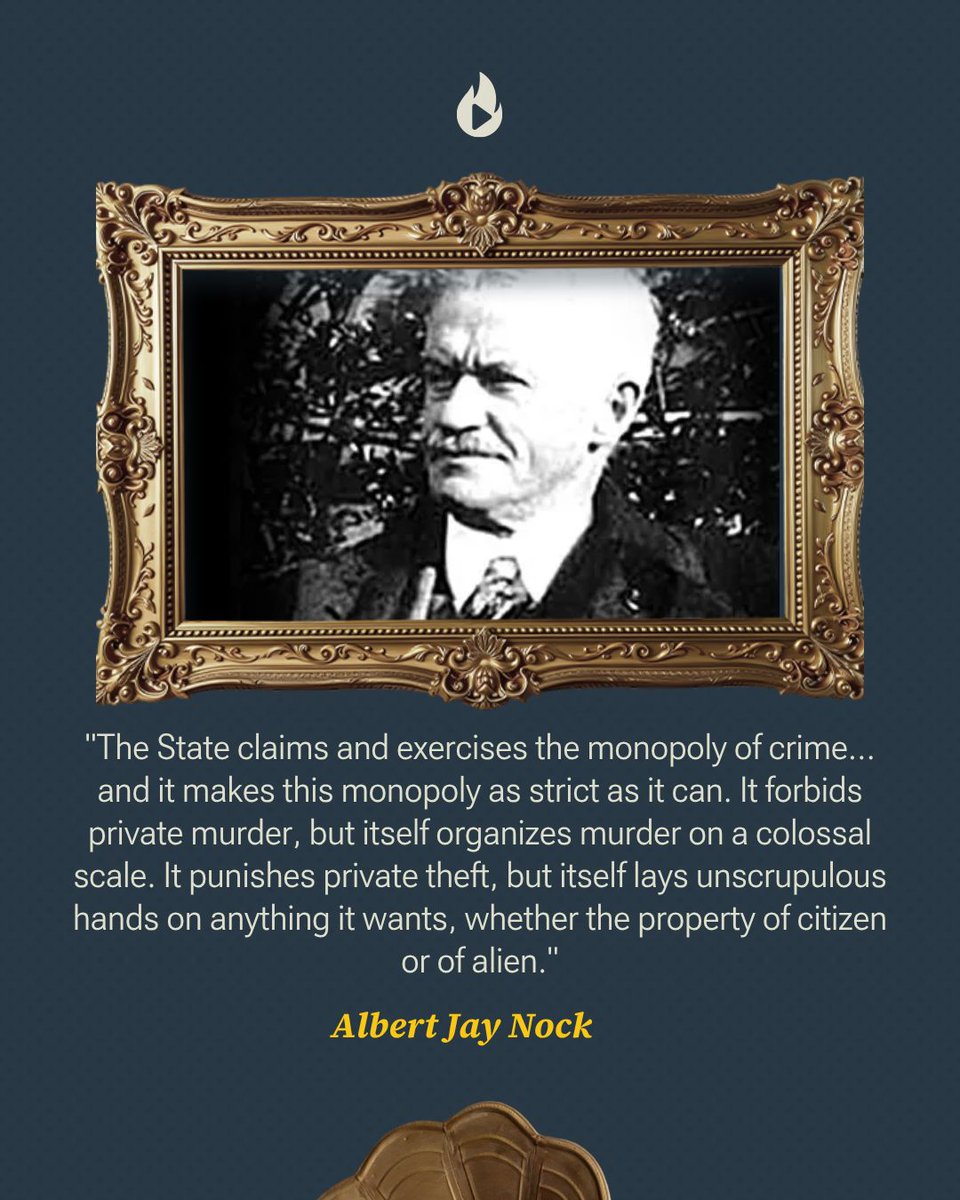
Wrap the same actions in official paperwork or a flag ⚖️, and suddenly they're called taxation, war, "national interest."
One early 20th-century Albert Jay Nock noticed this.
It starts after collapse, when costs hit quickly, and benefits arrive slowly and abstractly.
Is reform possible without losing legitimacy? ⚖️ 🎥 Watch the full video now and share your take: https://t.co/9Ghsafj4Lj
📉 Margaret Thatcher and Javier Milei both pushed through reforms that worked - inflation fell, growth returned 📈 - and both leaders were hated for it. Why? 🤔
Trevor Kraus went looking for answers, from a Liverpool tour guide who spat at Thatcher's name 😳 to the streets of Milei's Argentina 🇦🇷. His discovery: reform rarely starts in stable countries.
New leaders, new plans, same hope every time. But what if the whole process is less "renewal" and more transaction? Nearly a century ago, one writer compared elections to auctions 💰, except the goods being sold were never really anyone's to sell.
Centuries later, Columbus sailed searching for India and stumbled onto America instead, setting the stage for a new experiment in liberty. As the U.S. turns 250, the story continues.