I was recently asked, "What's the most important book you've read in your career?"
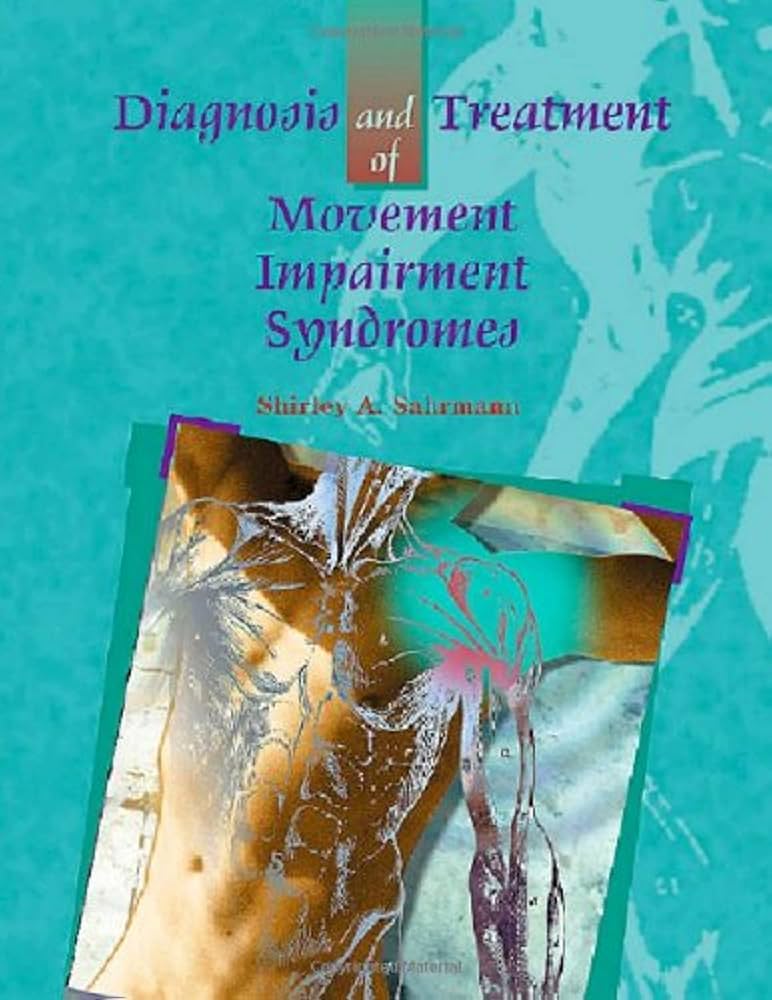
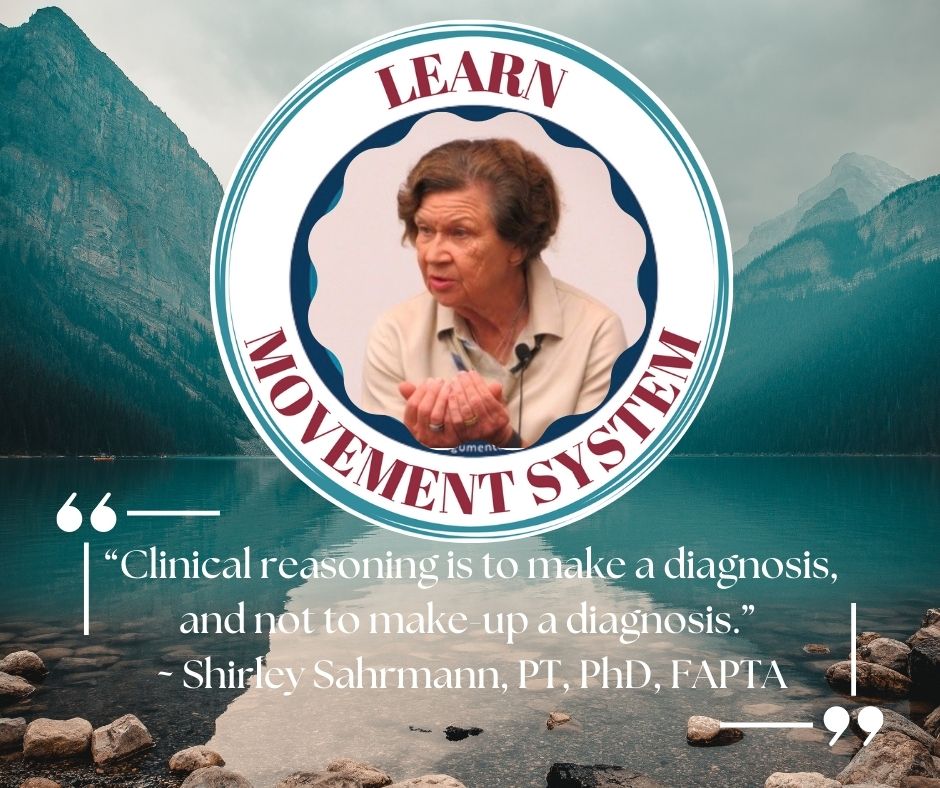
The answer was really simple: "Diagnosis and Treatment of Movement Impairment Syndromes," by Shirley Sahrmann.
Early in my career - especially in light of my own shoulder pain history - Sahrmann's work was an amazing contrast to the medical model of care that focused entirely on treating symptoms (medical diagnoses) instead of investigating root causes (movement diagnoses).
Sahrmann proposes countless functional tests and corrective exercise interventions aimed at treating the causes of the problems rather than the compensations that emerge after dysfunction has emerged.
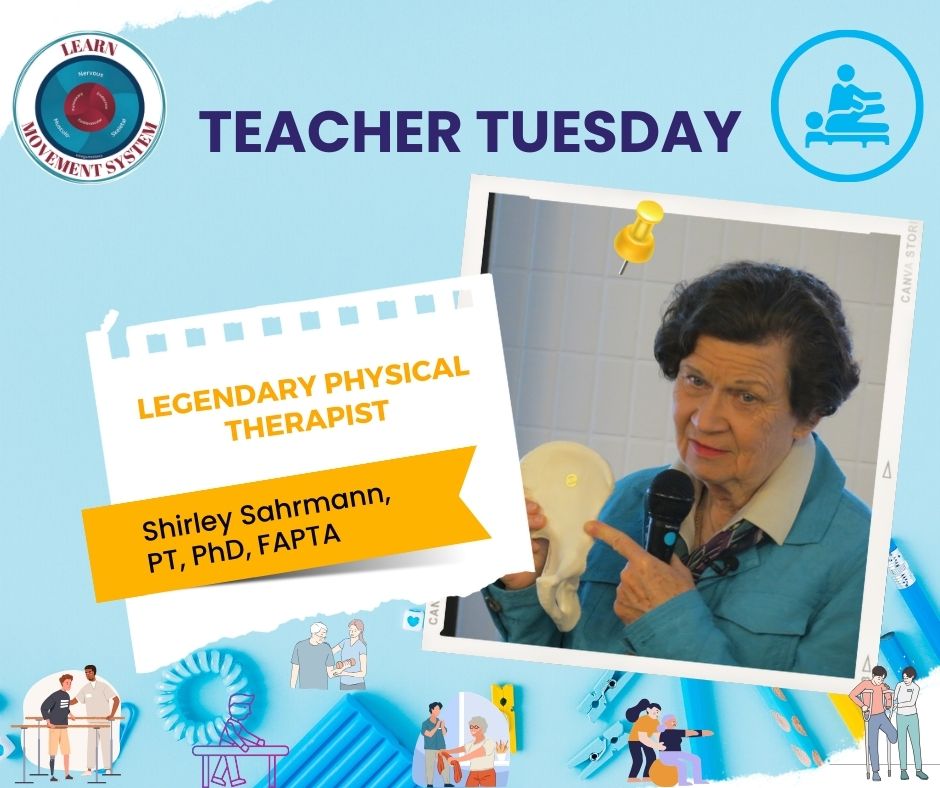
This book has profoundly impacted the way that some of the industry’s greatest minds train their clients and athletes and themselves. To be blunt, Shirley Sahrmann has likely forgotten more than most physical therapists will ever know.
Full disclosure: it reads like stereo instructions, and you may only cover 2-3 pages at a time. However, when you finish the book, you could restart it immediately and learn something new each time you work through. The reason is simple: the movement impairment syndromes model is something that "clicks" with each new client/athlete/patient you encounter. Not every "shoulder impingement" is the same; you appreciate why they're all unique.
If you’re serious about your own education, and have the best interests of your clients and athletes in mind, you owe it to yourself to pick up a copy of this classic.
https://t.co/RQErOP306y
Dr. McDonnell is retired Associate Professor of Physical Therapy and Orthopedic Surgery from WashU. She is a board certified orthopedic specialist since 1996 and a Fellow of the Education Leadership Institute. She will teach you cervical spine exams in Oct! #UpperQuarterExpert
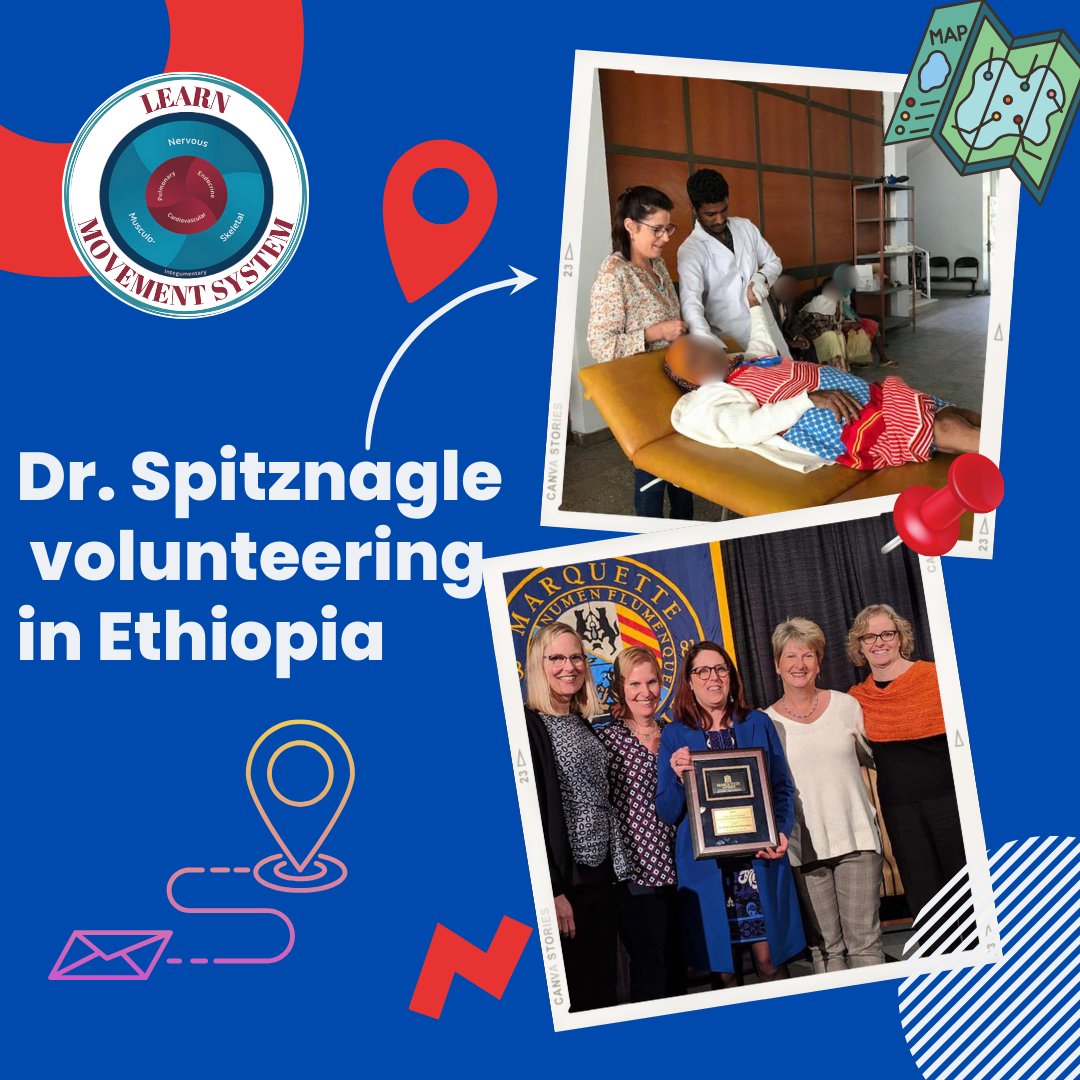
Dr. Tracy Spitznagle has traveled to Mekelle University in Ethiopia for many years to promote pelvic health physical therapy education. She has a heart of gold! She is also a recipient of Distinguished Alumni Award from Marquette University.
#FunFactFriday#physicaltherapy
Often clinicians ask their patient to raise the arms with their clothes on, but we miss out on the detailed movement analysis! Don't be shy to ask patient to remove clothing or change into attires that allows you to visualize their scapula.
#thoughtfulthursday#professionalism
Latissimus dorsi length test: must note how the humeral head is moving on the glenoid, how much the scapula moves laterally, how much the humerus medially rotates. It's not just ROM. It's HOW did they get there?
#wiserwednesday#relativestiffness#startwithwhy
Nancy Bloom was named the 30th John Maley Lecture Award this year. Nancy will be delivering the Maley Lecture at the APTA Leadership Conference in July 2025! Learn Movement System is lucky to have so many excellent instructors to push the profession to the next level.
Treatment approach emphasizes on WHAT to do. Movement System Syndrome focuses on understanding the underlying condition of the patient. Once the diagnosis is established, treatment becomes clear.
#thoughtfulthursday#notMSIapproach