In Japanese, 初雪 (hatsuyuki) means "first snow"—it refers to the first snowfall of the year or season. This word is often seen as a symbol of renewal.
#learnjapanese#japanese#studyjapanese
In Japanese, 一石二鳥 (isseki nichou) means "one stone, two birds"—it’s used to describe achieving two goals with a single effort. It’s the Japanese equivalent of "killing two birds with one stone."
#learnjapanese#japanese#studyjapanese
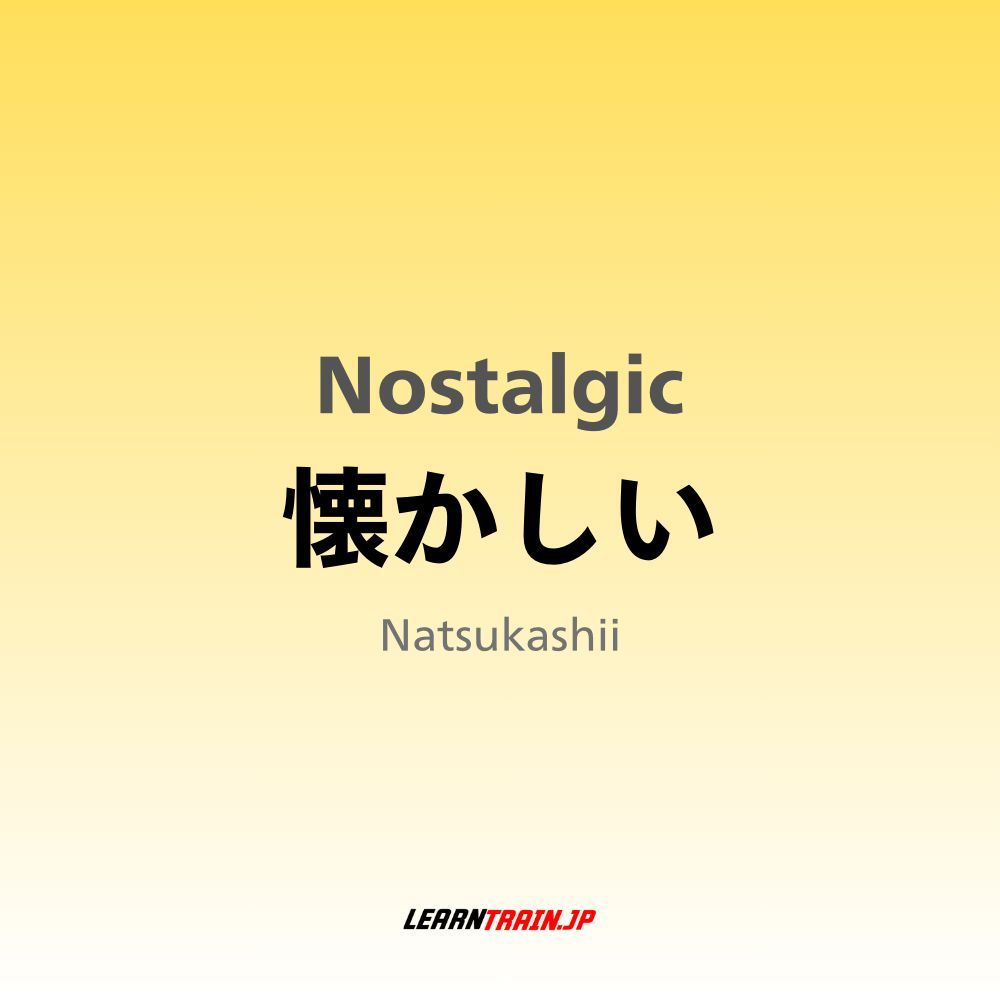
"懐かしい" (なつかしい / Natsukashii) is often translated as "nostalgic," but it has a broader meaning in Japanese. It refers to the feeling you get when something brings back memories of the past, such as hearing an old song or visiting a childhood place.
#learnjapanese#jlptn4
Now that it's November, it's the perfect time for 紅葉狩り (Momijigari) — the tradition of autumn leaf viewing. The kanji 紅葉 can be read as こうよう (Kouyou) for general autumn foliage and もみじ (Momiji) for the red maple leaves.
#learnjapanese#japanese#studyjapanese
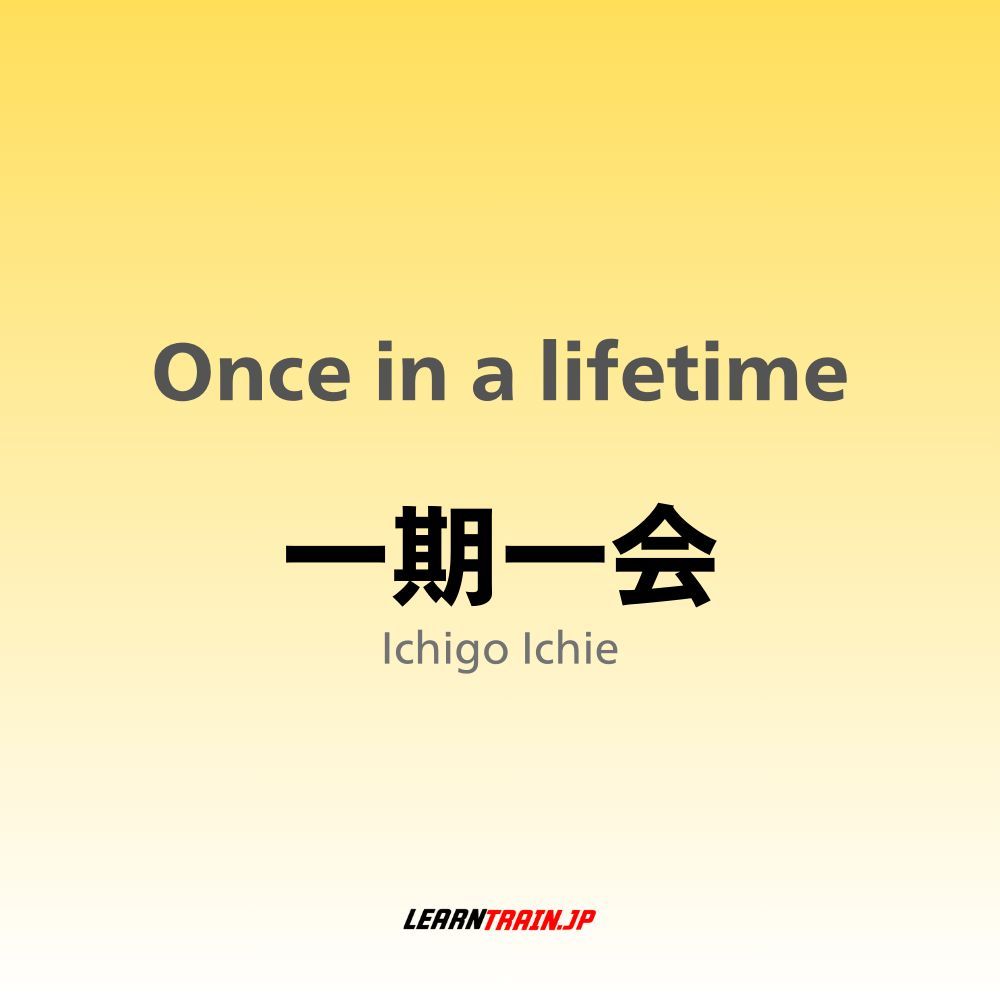
"一期一会" (いちごいちえ/Ichigo Ichie) can be translated to "One time, one meeting" or "A once in a lifetime encounter". It reflects the idea that every encounter is unique and may never happen the same way again.
#learnjapanese#japanese#studyjapanese#jlptn2
"恩返し" (おんがえし/Ongaeshi) can be translated as "Repaying a debt of gratitude" or "Returning a kindness." It’s more than just "thank you"—it’s about taking meaningful action to give back and show appreciation to someone who has supported you.
#learnjapanese#jlptn3
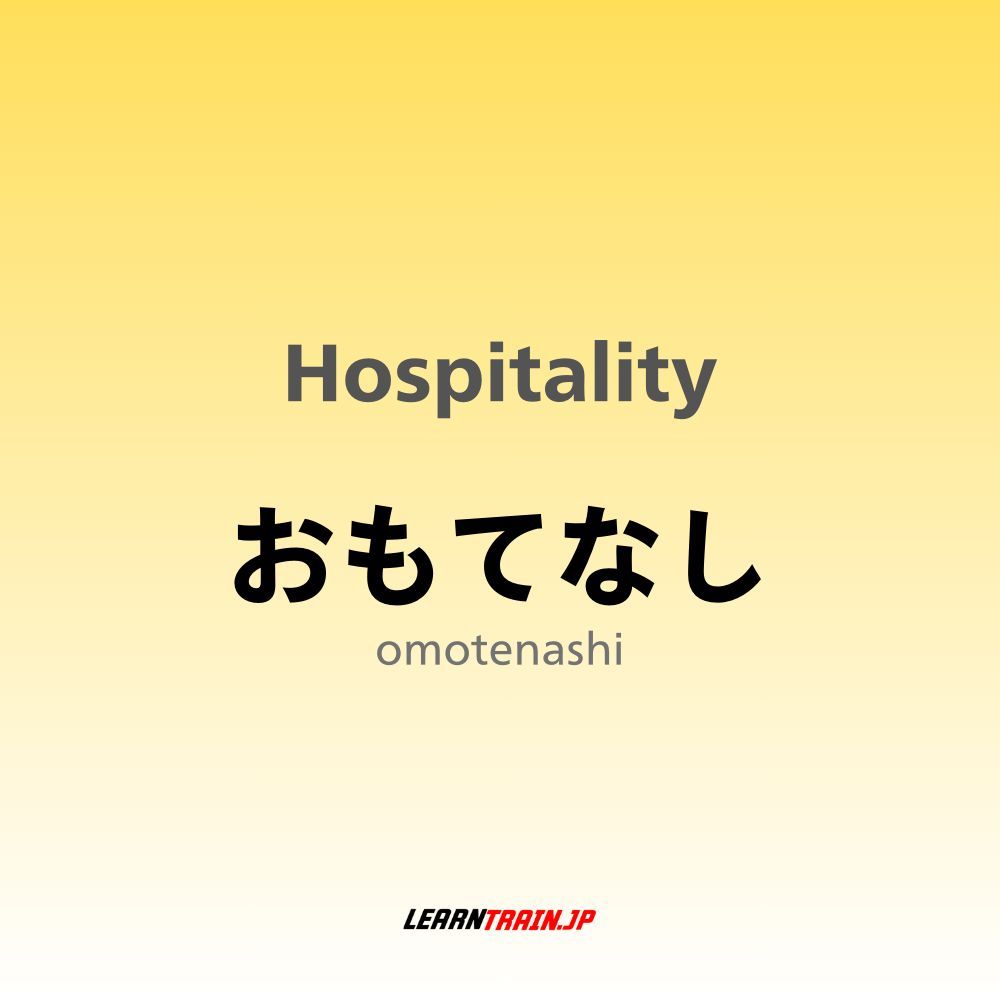
"おもてなし" (Omotenashi) is often translated as 'hospitality,' but it means much more than simply offering good service. It embodies a deep cultural value in Japan, where every detail is thoughtfully considered to make guests feel genuinely welcomed and cared for. #learnjapanese
To encourage someone to give their best effort or wish them success in upcoming challenges, you can say "がんばって” (頑張って/ganbatte) in Japanese. While often translated as "Do your best," it can also convey "Good luck" depending on the situation.
#learnjapanese#japanese
When meeting someone for the first time, you can say "はじめまして" (初めまして/Hajimemashite), which means "Nice to meet you" in Japanese. It's important to use this phrase right at the beginning of the conversation, before introducing yourself.
#learnjapanese#japanese
Planning a trip to Japan or interested in the culture? Want to watch anime without subtitles? https://t.co/qGXUjs8H1b is here for you. Our language learning method will help you speak confidently and understand deeply.
Coming soon. Sign up now! #learntrain.jp #learnjapanese