Managing your safety has never been easier! Liberty scaffolding offers secure, presentable and heavy-duty height solutions across multiple systems, ensuring convenience, safety and reliability. https://t.co/UzevybK8gS
Managing your safety has never been easier! Liberty scaffolding offers secure, presentable and heavy-duty height solutions across multiple systems, ensuring convenience, safety and reliability. https://t.co/UzevybK8gS
A lifeline is a critical component of fall protection systems. It's typically a rope or cable that:
Provides:
1. Anchorage for personal fall arrest systems (PFAS)
2. Support for workers at heights
3. Connection to harness or lanyard
Key considerations:
1. Proper installation and anchorage
2. Regular inspections and maintenance
3. Compatibility with other fall protection equipment
4. Compliance with safety standards (OSHA, DOSH etc.)
Challenges:
1. Ensuring stability and structural integrity
2. Adapting to changing work conditions
3. Maintaining visibility and accessibility
Benefits:
1. Reduced risk of falls and injuries
2. Compliance with safety regulations
3. Enhanced worker safety and productivity
Best practices:
1. Follow manufacturer guidelines
2. Adhere to local regulations and standards
3. Ensure secure attachment to structures
4. Monitor weather conditions
Benefits:
1. Reduced risk of falls and injuries
2. Compliance with safety standards
3. Enhanced worker confidence and productivity
Considerations:
1. Regular inspections and maintenance
2. Adaptation to changing work conditions
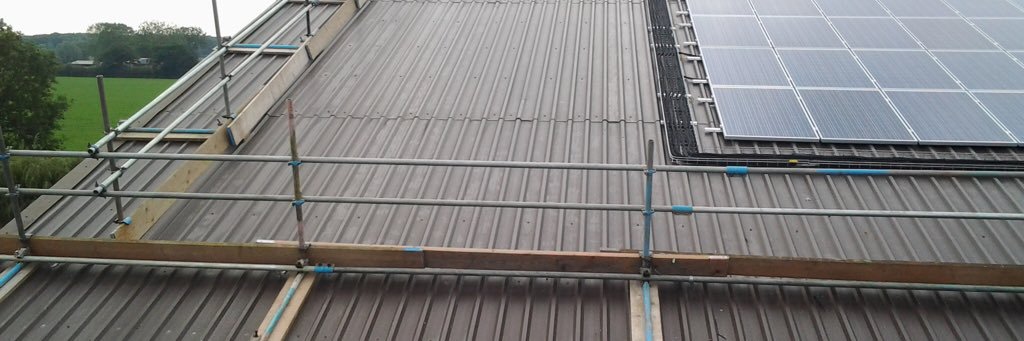
Edge protection is crucial for preventing falls from heights. It typically involves:
Types of edge protection:
1. Guardrails
2. Safety nets
3. Toe boards
4. Mesh panels
5. Access towers
6. Lifelines
Purpose:
1. Prevent falls from edges
2. Protect workers, materials, and equipment
3. Comply with safety regulations
Installation:
1. Securely attached to scaffolding or structures
2. Designed for specific loads and conditions
Construction scaffolds are temporary structures that provide access and support for workers, materials, and equipment during building, repair, or maintenance projects.
Best practices:
1. Risk assessments
2. Proper training
3. Supervision
4. Weather monitoring
Common hazards:
1. Falls from scaffolds or roofs
2. Falling objects
3. Equipment failure
Regulations
1. OSHA Occupational Safety and Health guidelines
2. Local regulations & standards
Working at height is a significant concern in construction. Key aspects include:
Precautions:
1. Fall protection equipment (harnesses, nets, etc.)
2. Scaffold stability and anchorage
3. Guardrails and barriers
4. Safe access ladders/stairways
5. Regular inspections