Rubén Blades escribe historias tan visuales que, en 1983, el animador puertorriqueño Paco López decidió convertir una de ellas en dibujos animados. Eligió ‘Ligia Elena’ porque, según contó años después, quería abordar el racismo y consideraba que Blades era un compositor muy ‘gráfico’. Junto al mexicano Abdías Manuel realizó en Ciudad de México este cortometraje animado en 2D, una coproducción entre México y Puerto Rico de más de 6 minutos de duración, que llevó a imágenes la historia de una joven de alta sociedad que se enamora de un trompetista afrodescendiente pobre, obra que en 1984 fue premiada como Mejor Cortometraje en el prestigioso festival de cine FestRio, celebrado en Río de Janeiro, Brasil.
Y pudo no ser la única producción. Una publicación especializada en la historia de la animación mexicana documentó en 2009 que, después de ‘Ligia Elena’, quedó en proyecto llevar también a la animación otra de las grandes historias musicales de Rubén Blades: ‘Pedro Navaja’. Hasta donde he podido rastrear, ese proyecto nunca llegó a concretarse. Una lástima, porque si ‘Ligia Elena’ funcionaba perfectamente como un pequeño cortometraje, imaginen las posibilidades que ofrecía la historia de Pedro Navaja.
A society that is producing record corporate profits while workers slice of the pie is at historic lows is a society that is in desperate need of revolution.
"The steep drop continues a pattern that began last year, after US President Donald Trump took office, leaving the NSF with the lowest number of new grants awarded in more than four decades."
https://t.co/q7aMJFbJuv
Trump's EPA has approved the use of a pesticide and known carcinogen, trifludimoxazin.
The forever chemical will now be used on corn, wheat, oats, soybeans, oranges, apples, peanuts, and almonds.
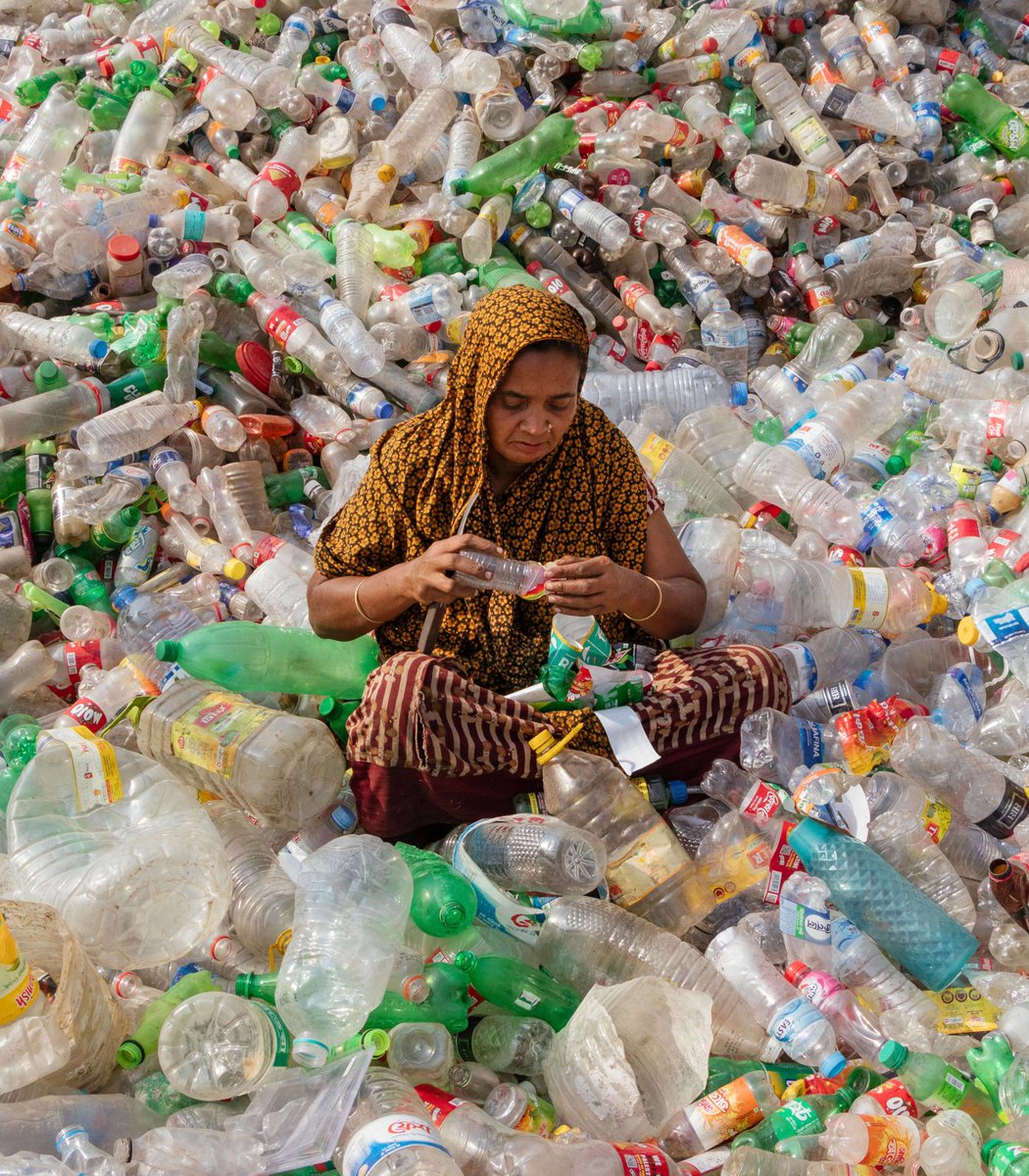
Researchers have figured out how to create edible cookies out of plastic waste.
µBites are made out of a mix of plastic and plant biomass to create a cookie that's described as "edible" and "safe to eat".
John Morales, a meteorologist and hurricane specialist with NBC6 in South Florida, was reporting on an upcoming storm when he suddenly shifted gears, right in the middle of the broadcast.
Morales explains that in his 34 years of presenting the weather, he’s always been able to confidently tell his viewers when a hurricane might hit, or when it might turn away. He’s always been able to stand behind his data, modeling, and forecast in order to help protect the people of South Florida.
“I am here to tell you that I am not sure I can do that this year.”
Why? “Because of the cuts, the gutting, the sledgehammer attack on science in general.”
Morales then pulled up a graphic instead of his usual weather map. It laid out some stark realities about severe understaffing of the National Weather Service and the National Oceanic and Atmospheric Administration. Between brutal layoffs, employees accepting the recent DOGE buyout, and straight-up resignations, the agencies responsible for collecting weather data have lost hundreds and hundreds of valuable experts.
He also explained that due to federal government budget cuts, there’s been a sizable decrease in weather balloon launches across the country. Weather balloons are instruments that take crucial measurements of the upper atmosphere and send data that helps with forecasting. With less data available and lower-quality data, Morales says that “the quality of forecasts is becoming degraded.”
España se queda sin geólogos: los titulados descienden un 37% en nueve años y las empresas llaman a las facultades con intención de contratar y no encuentran alumnos en paro https://t.co/Y8PqQoAyJQ
"El miedo nace del apego: temes perder porque crees poseer. Pero nada es tuyo, ni lo que amas ni lo que odias. El mundo no te debe nada y tú no puedes retenerlo. Solo tu virtud camina contigo hasta el último aliento. Ese es el único terreno que nadie puede arrebatarte. ¿A qué le temes, si nada en este mundo realmente te pertenece?".
Marco Aurelio