Back in the summer of 2015, during the air campaign against ISIS, I visited a group of U.S. Air Force pararescuemen and combat rescue officers at their base in northern Iraq. They were on call 24/7, ready within 15 minutes to rescue downed U.S. or coalition pilots in northern Iraq and Syria.
These guys were the best of the best. Brave beyond measure. To cut down on rescue times they often pre-positioned their helos at landing sites deep within ISIS territory.
“We take fire every time we go out,” one combat rescue officer told me. He added: “We are a reactive force but there are things we can do to lean forward to be able to be more effective. We have to get close if you want us to have a chance.”
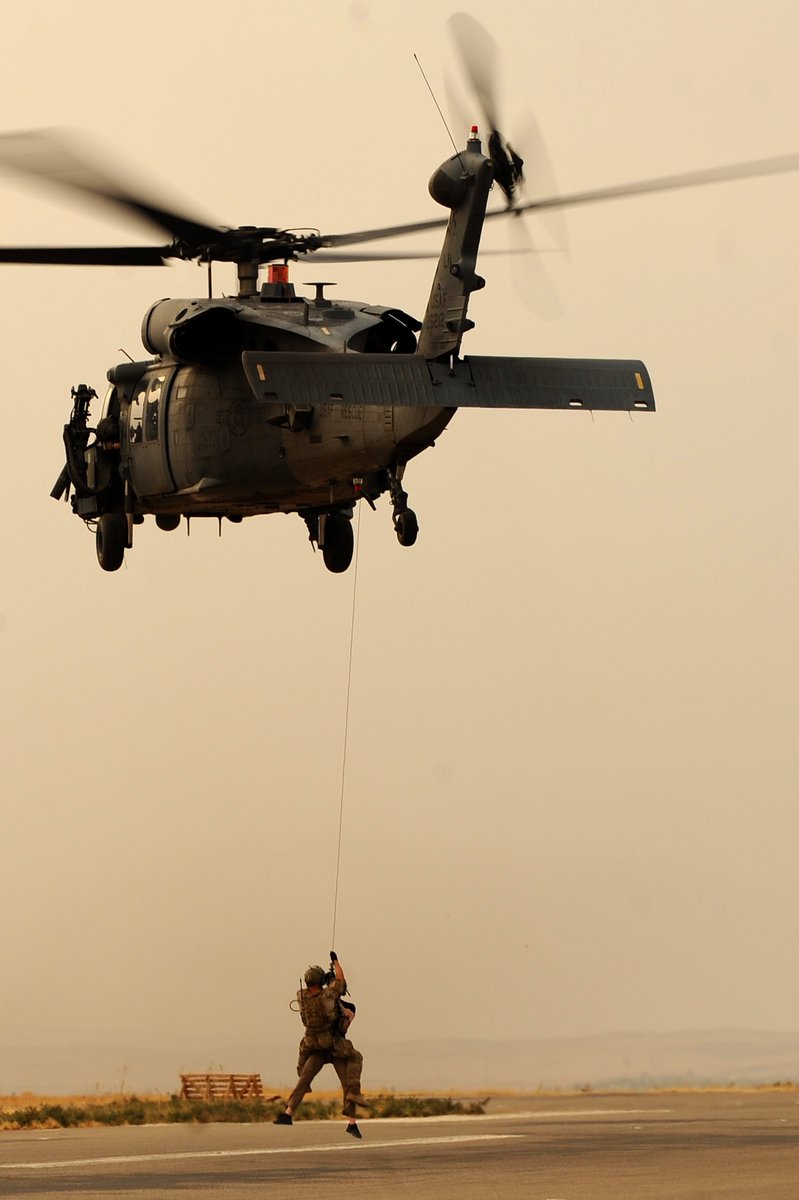
These guys weren't used to having a journalist around. But they let me visit with one caveat. Now that they had a real, live (albeit former) U.S. Air Force pilot on hand, they decided to use me for some hands-on training. They deposited me, signaling device in hand, at the end of an old runway and swept in with their helicopter to simulate a rescue. Then they did it again and again. I got a few rides up the hoist that day. Loved every minute of it.
When I was deployed to Iraq and Afghanistan as an Air Force pilot, I just took it for granted that there was a group of elite badasses somewhere out there ready to come rescue me if I went down in enemy territory. I'm grateful I got to see these guys in action from ground level, for I realized how fortunate I truly was.
Events over the past day in Iran have rekindled those memories from a decade ago in Iraq, and reminded me of the nonrepayable debt that every American combat pilot has for those brave operators who are always ready to risk their lives so that we may live.
A few photos below of that "training day" in Iraq in 2015. I'm the dude in the black shirt.
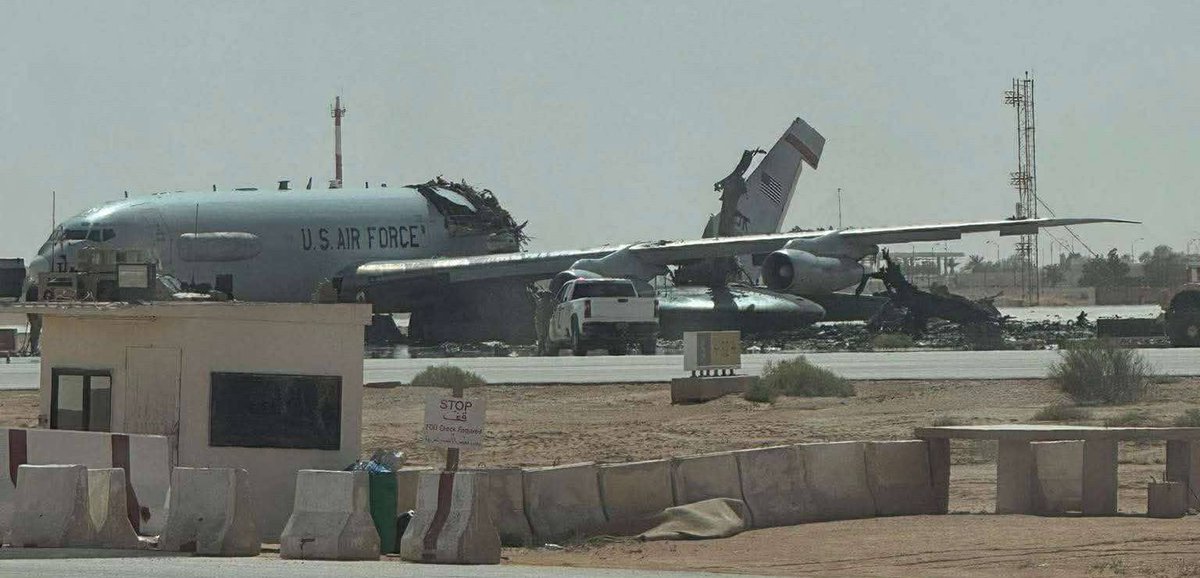
Pictures show the total loss of 81-0005, an E-3G “Sentry” Airborne Early Warning and Control (AEW&C) Aircraft with the U.S. Air Force’s 552nd Air Control Wing based out of Tinker Air Force Base, Oklahoma, following yesterday’s Iranian ballistic missile and drone attack on Prince Sultan Air Base in Saudi Arabia. The strike appears to have purposefully targeted the most important part of the E-3, that being rear of the aircraft which holds its rotating radar dome, containing several sensitive instruments including antennas for the E-3’s AN/APY-2 Surveillance Radar System.
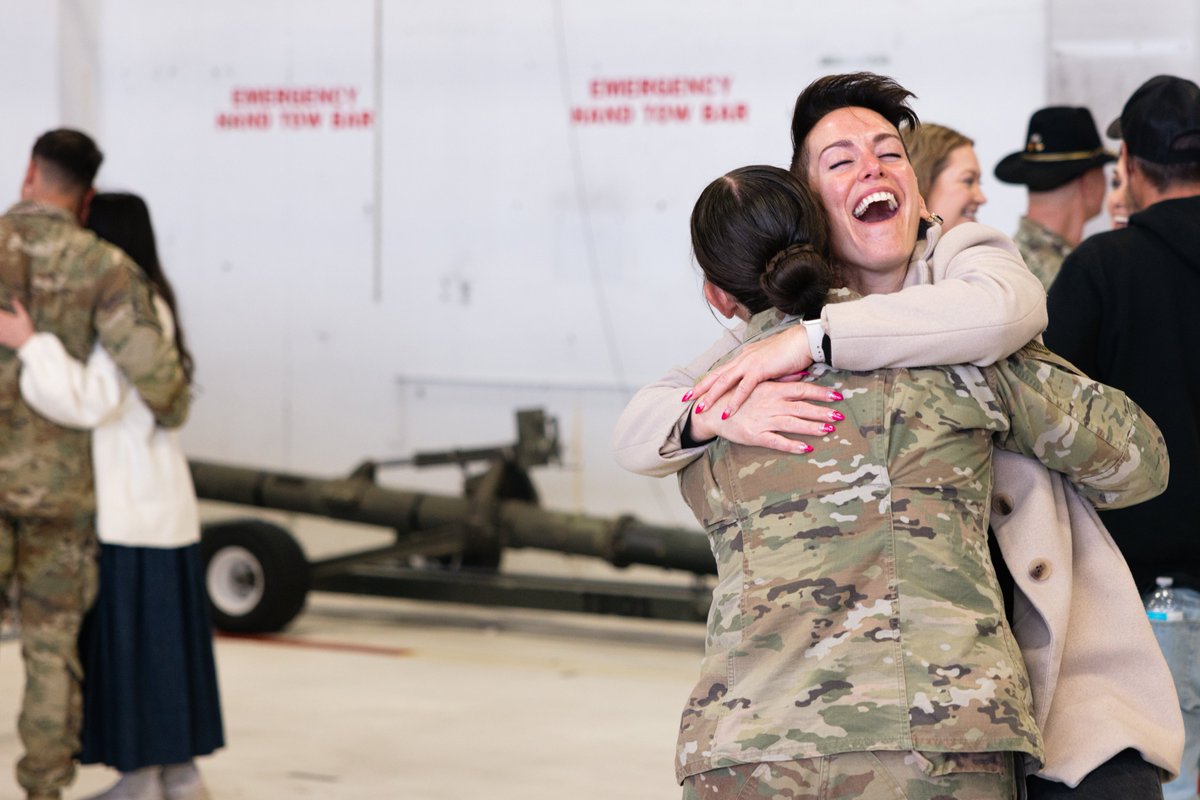
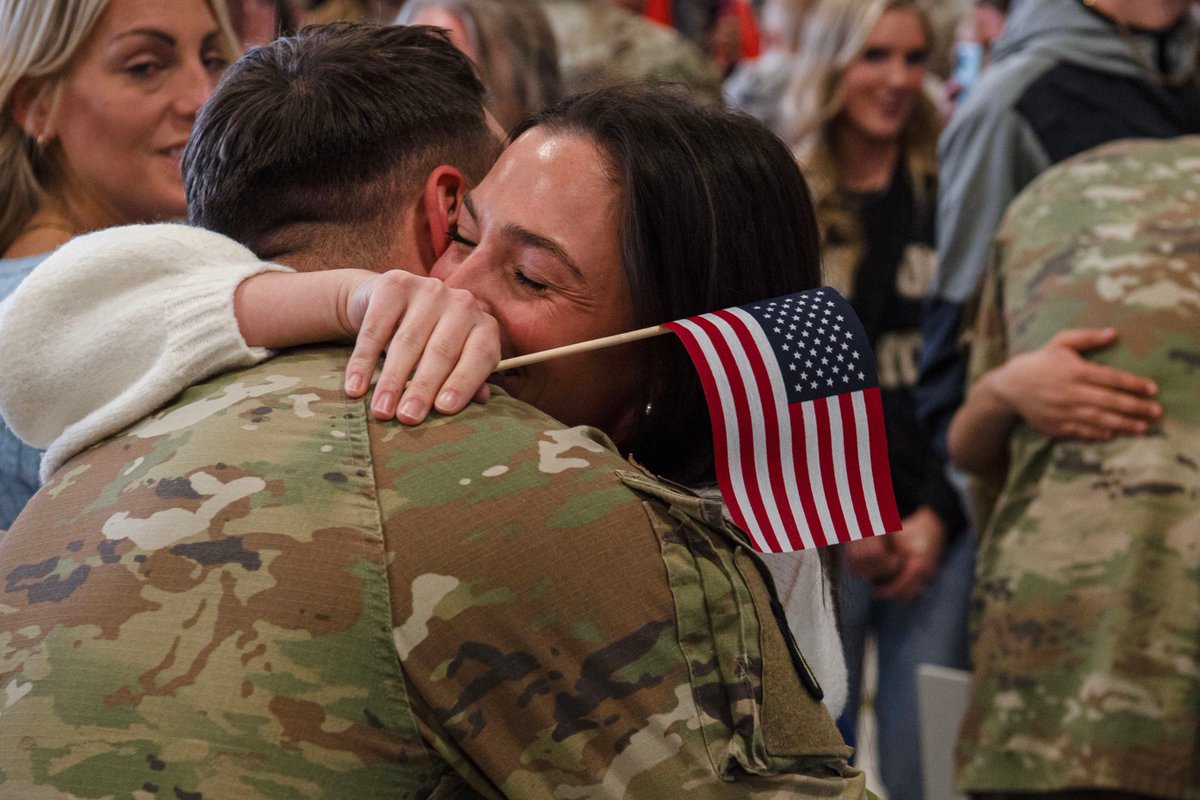
Welcome home!
Family, friends and loved ones greeted @IowaNatGuard Soldiers with the 34th Infantry Division as they recently returned home from a deployment in support of Operation Inherent Resolve.
“GET OUTTA HERE. GET OUTTA HERE.”
“This was…. EVERYTHING. I’ve spent FIVE years of my life at Nebraska. I’ve seen NOTHING but a Sweet 16.”
Nebraska fans not taking this loss well🤒