Polaris Dawn Flight Day 5 Update
The crew’s final full day on-orbit was dedicated to furthering and finalizing the scientific goals of the Polaris Dawn mission, connecting with one of their training teams, and catching-up with the SpaceX family.
Two of the day’s scientific highlights focused on preventative and life-saving studies – from identifying and understanding the risk of kidney stone formation while living in microgravity to developing and validating CPR (cardiopulmonary resuscitation) procedures aboard the Dragon spacecraft.
Throughout the day, the crew continued to test Starlink, including a 40+ minute, uninterrupted video call with SpaceX teams back on Earth, which took place as Dragon orbited across the U.S. Eastern Seaboard, the Atlantic Ocean, and the Cape of Good Hope. The plaser in Dragon’s trunk and the partner Starlink satellite for the event maintained their laser link during 16 Draco thruster firings.
The crew also connected with members of the Air Force who helped train them for a week of solo skydiving at the United States Air Force Academy in Colorado.
Before settling in for their last sleep period of the mission, the crew took some time to connect with their families and began preparing Dragon’s cabin for reentry and splashdown.
Dragon and the crew are set to return to Earth and splash down off the coast of Dry Tortugas, Florida on Sunday, September 15 at 3:36 a.m. ET. Stay tuned to @SpaceX on X for a livestream of the crew’s return.
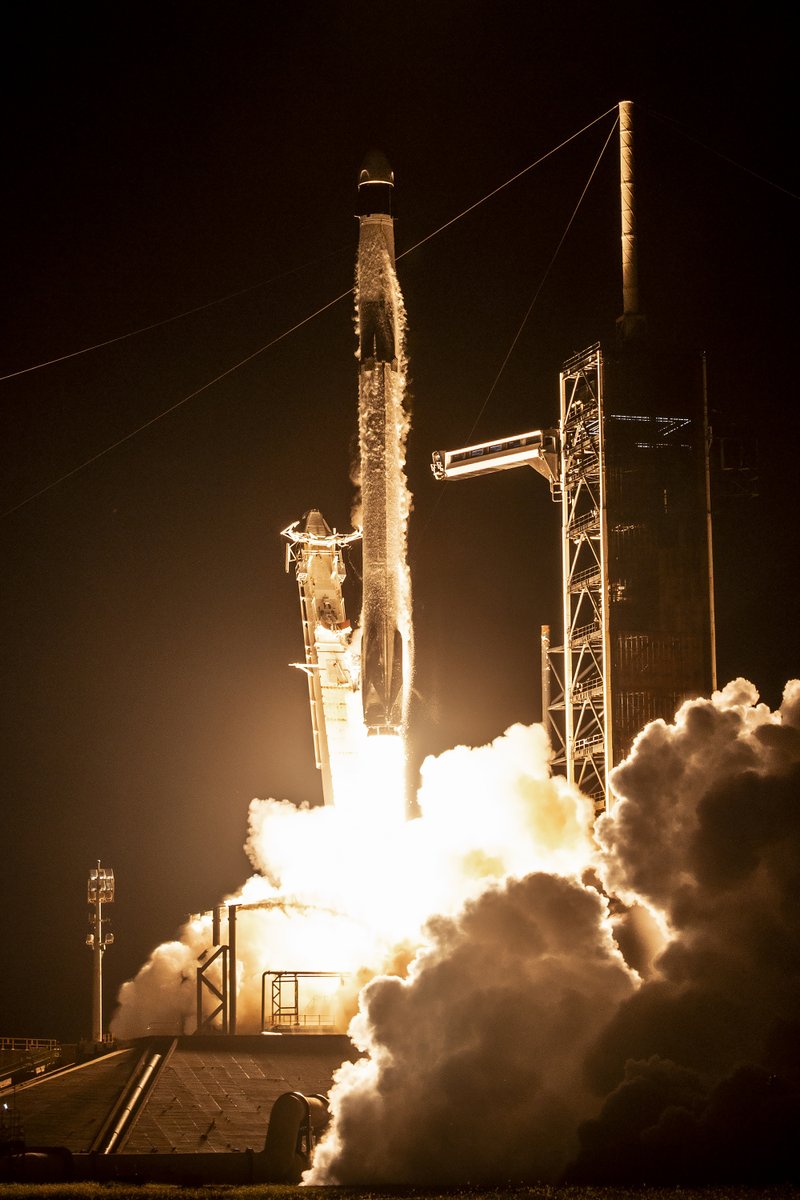
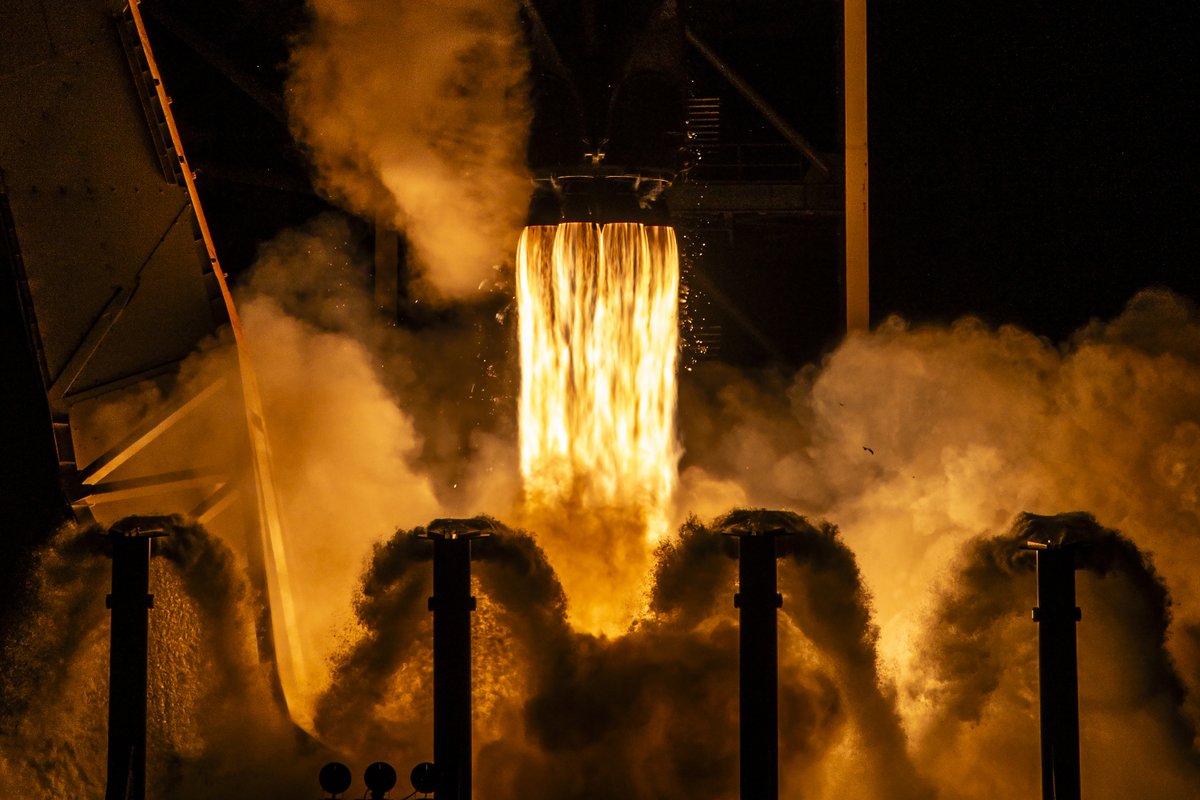
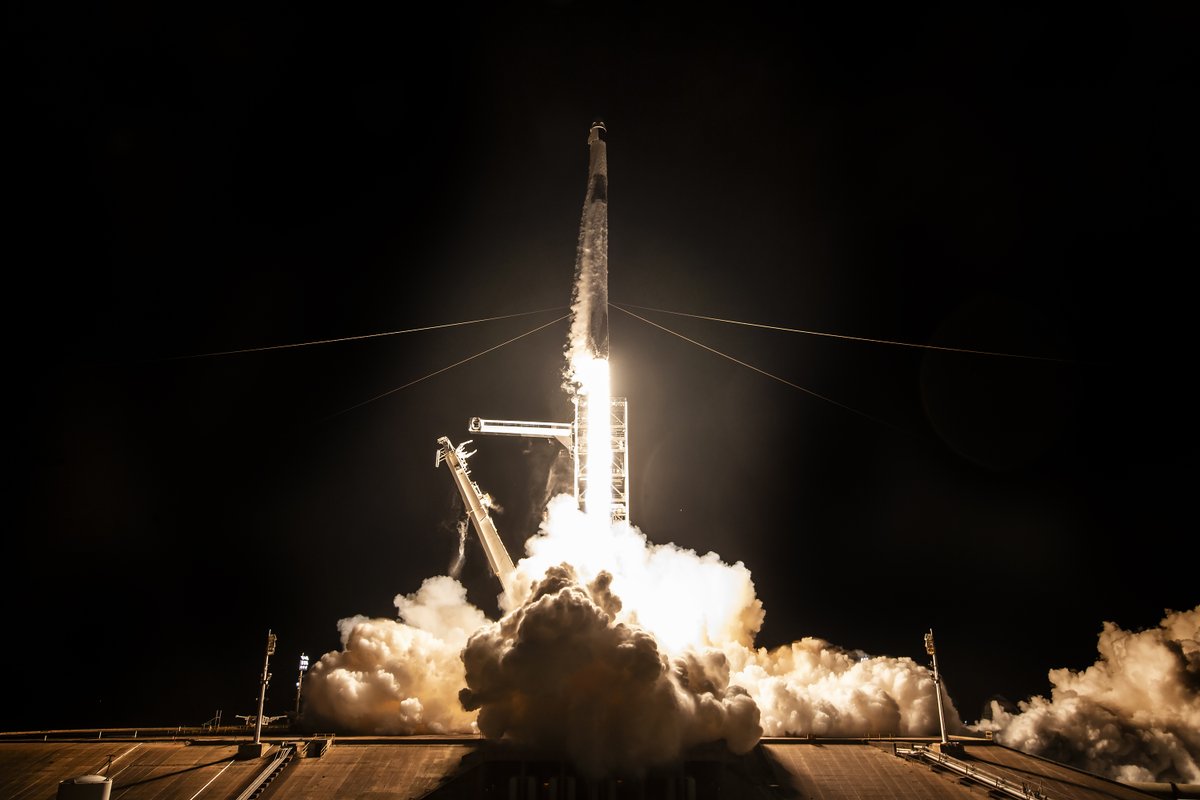
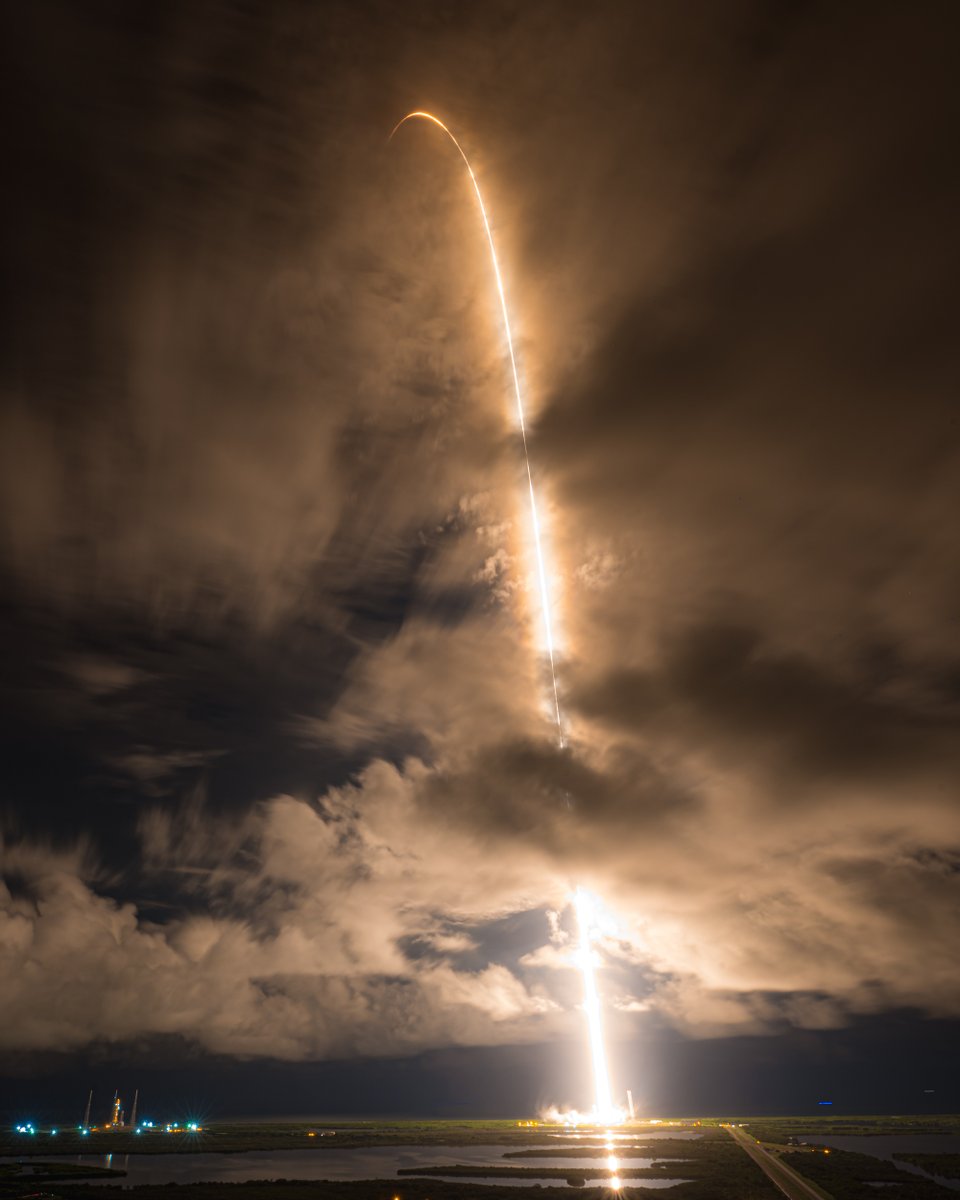
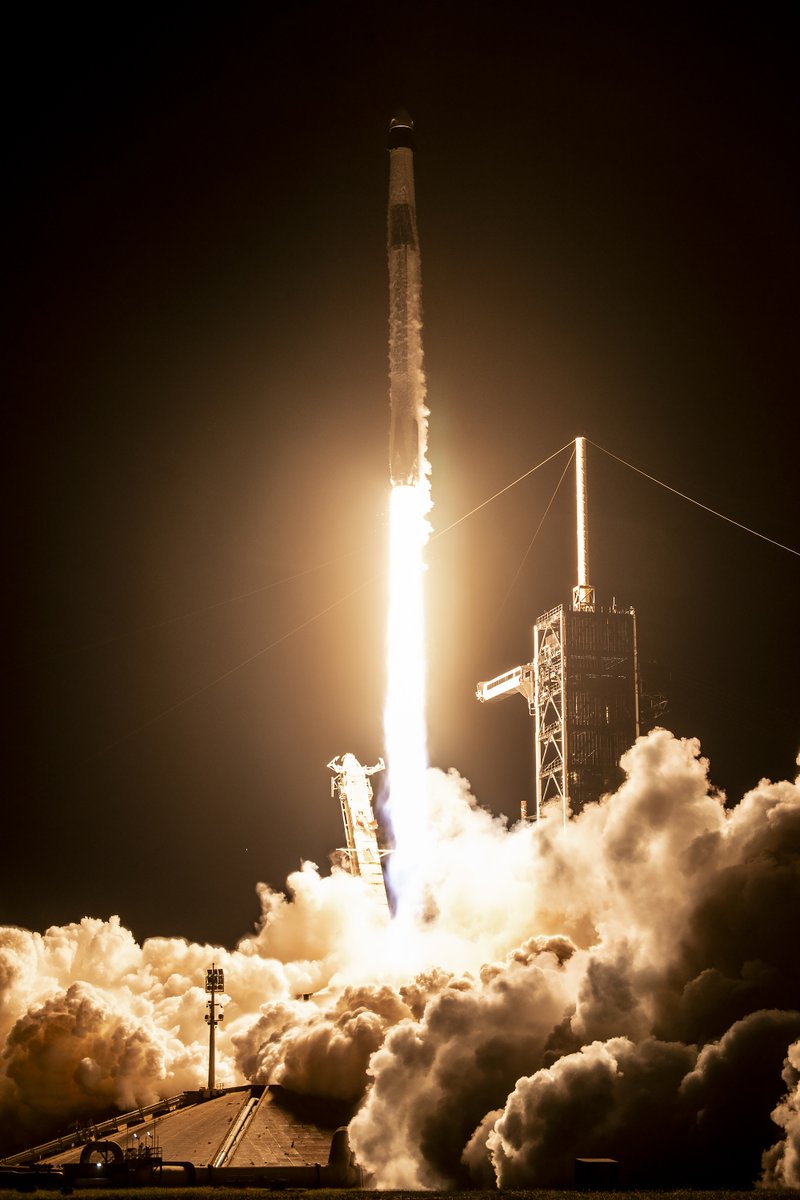
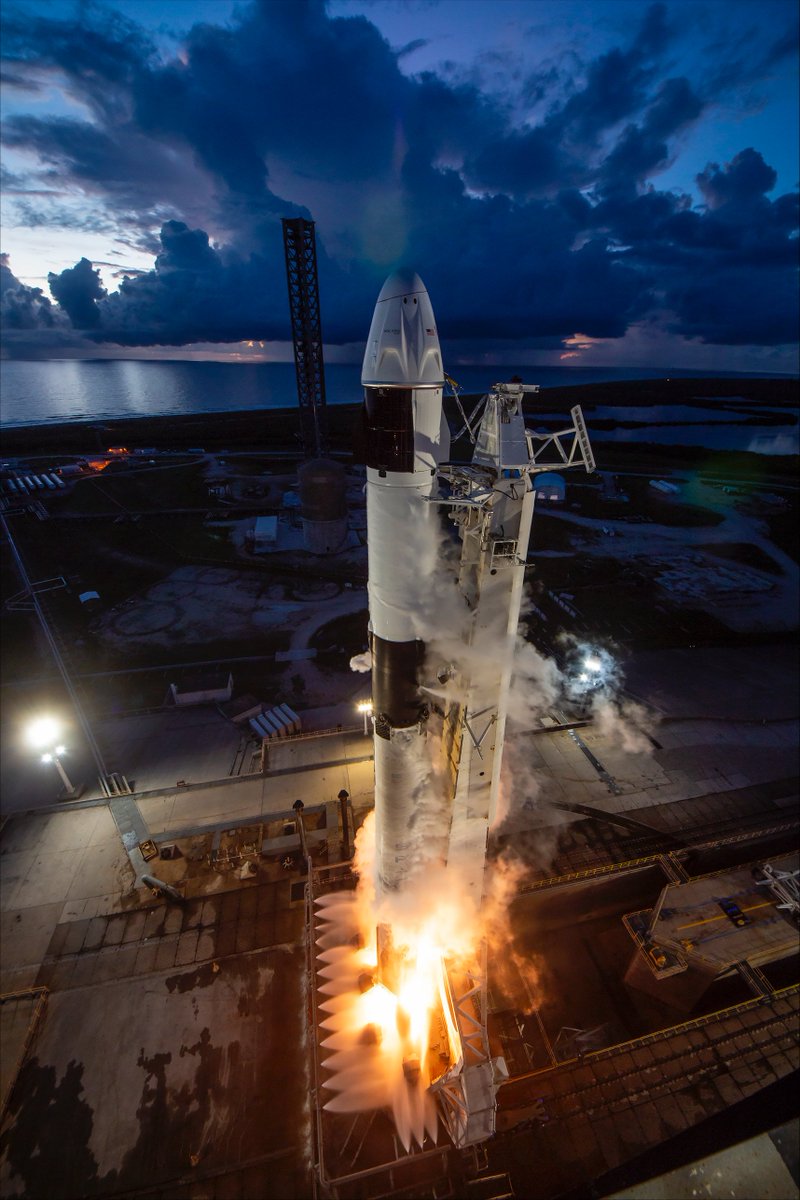
Falcon 9 lifting off from pad 39A in Florida and beginning Polaris Dawn’s multi-day mission on-orbit, where they will conduct the first-ever commercial spacewalk as early as Thursday, September 12
Polaris Dawn Flight Day 1 Update
The Polaris Dawn crew completed their first day on-orbit, also known as Flight Day 1. After a successful launch by SpaceX’s Falcon 9 rocket to low-Earth orbit from Launch Complex 39A at NASA’s Kennedy Space Center in Florida at 5:23 a.m. ET, the crew took off their spacesuits and began their multi-day mission.
Shortly after liftoff, the crew began a two-day pre-breathe protocol in preparation for their anticipated spacewalk on Thursday, September 12 (Flight Day 3). During this time, Dragon’s pressure slowly lowers while oxygen levels inside the cabin increase, helping purge nitrogen from the crew’s bloodstreams. This will help lower the risk of decompression sickness (DCS) during all spacewalk operations.
About two hours into Flight Day 1, the crew enjoyed their first on-orbit meals before engaging in the mission’s first science and research block and testing Starlink, which lasted about 3.5 hours.
Dragon made its first pass through the South Atlantic Anomaly (SAA), a region where Earth’s magnetic field is weaker, allowing more high-energy particles from space to penetrate closer to Earth. Mission control operators and the crew worked closely to monitor and respond to the vehicle’s systems across all high-apogee phases of flight, particularly through the SAA region.
Mid-day, the crew settled in for their first sleep period in space, during which Dragon will perform its first apogee raising burn. Orbiting Earth higher than any humans in over 50 years, the crew will rest for about eight hours ahead of a busy day on Flight Day 2.
Most excitingly, during its first orbit, Dragon reached an apogee of approximately 1,216 kilometers, making Polaris Dawn the highest Dragon mission flown to date. Following a healthy systems checkout, the crew and mission control will monitor the spacecraft ahead of the vehicle raising itself to an elliptical orbit of 190 x 1,400 kilometers at the start of Flight Day 2.
We are grateful to all our friends, family, and supporters who have come out to @NASAKennedy for the launch. The best aerospace engineers in the world are working on the issue, and we promise to put on a great show soon enough!
Currency rehack in the AlphaJet complete. I don't think it will be long before we are flying in to KSC. Thankful for all the @PolarisProgram team support as we get ready.
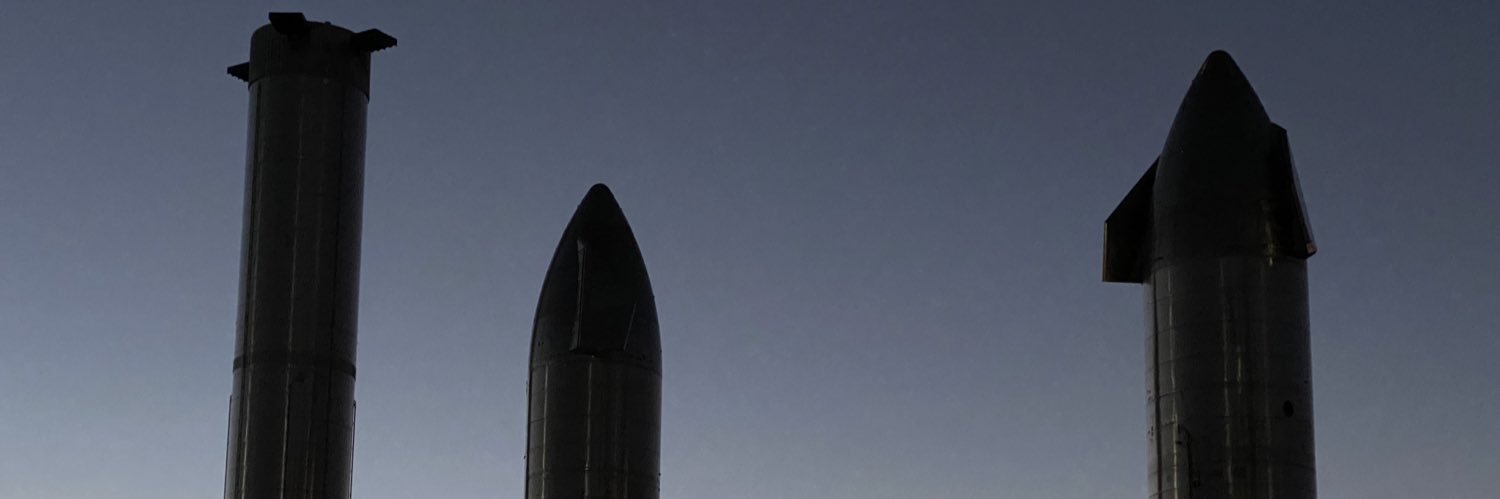
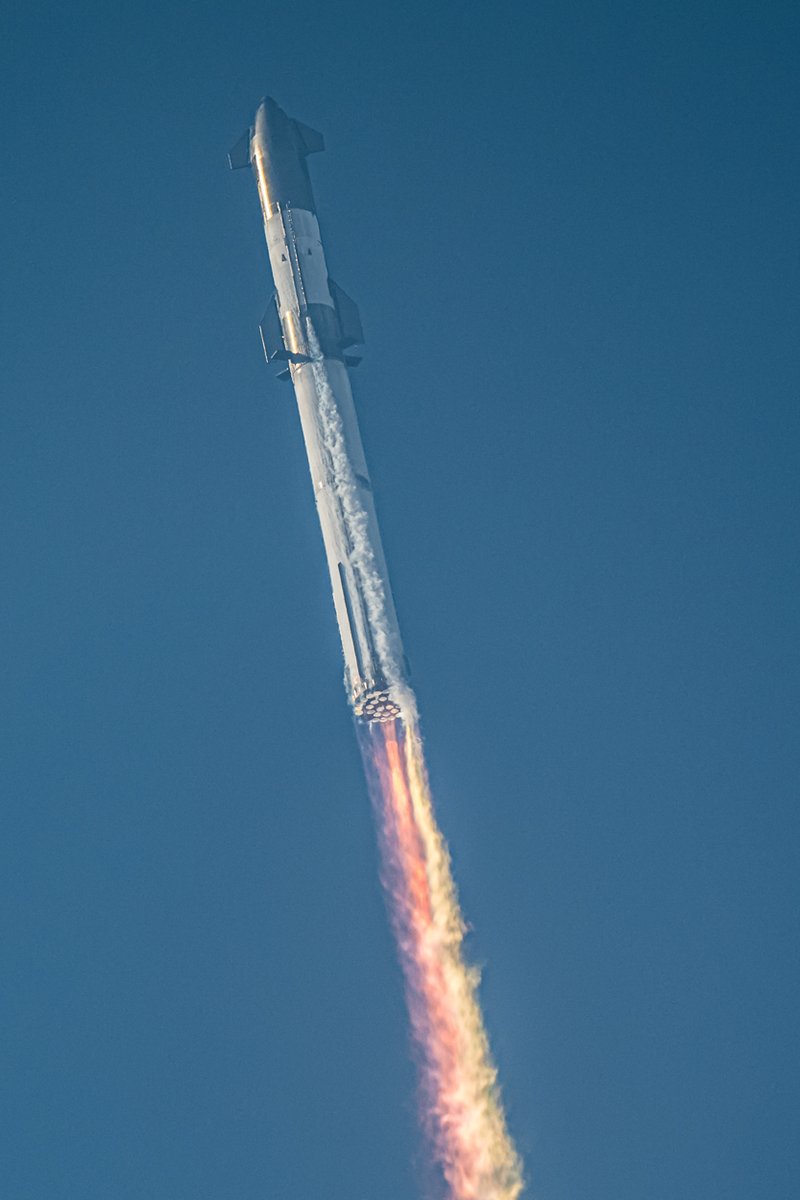
Starship: The most powerful rocket to have ever flown took off from Starbase in Texas this morning, ushering a new era in spaceflight as humanity aspires to become a multi-planetary species