I think for our nations Arts deserves its own department away from sports. Arts is one of our biggest offerings, perhaps making it a priority wouldn’t be a bad idea.
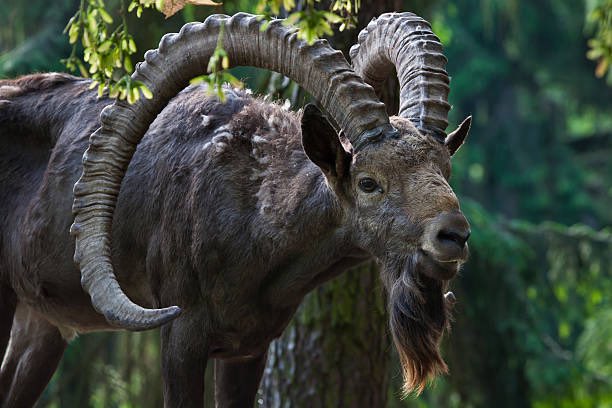
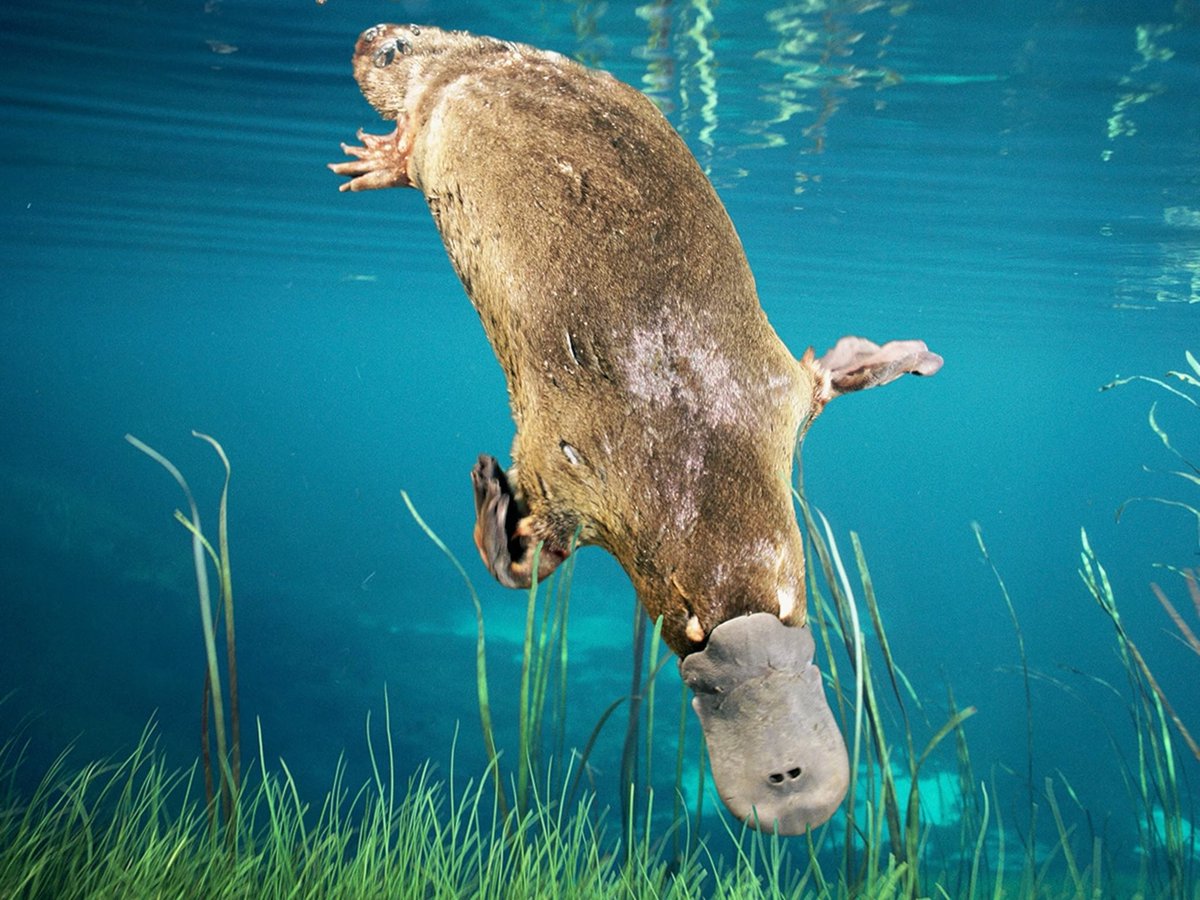
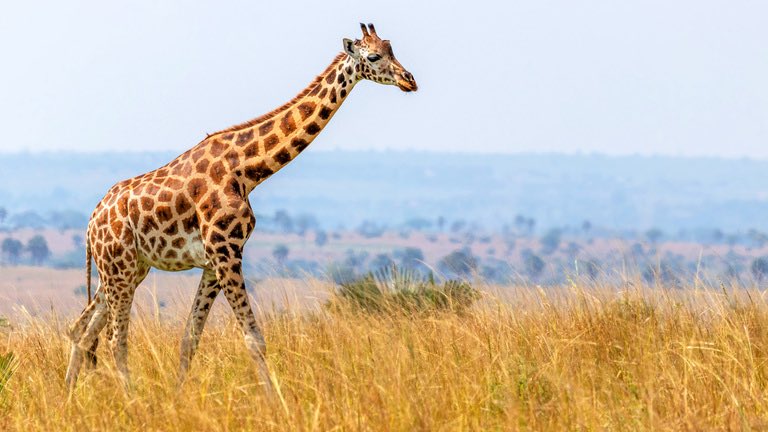
there’s real-life fantasy creatures roaming all across the globe right now and the average person barely ever thinks about those. if fairies or dragons or whatever else were also real, it wouldn’t make life inherently more magical or anything. they’d just be part of the world
@kaulshiloshudon Hey @Google can you make a domain that is something like 'https://t.co/pf4Cj4jsiU' that serves up old Google for those that want old Google ?
@mrcraigharding I tend to fall asleep in the cinema....this & Sinners were the first 2 movies in a long time where that didn't happen.
This film made me so happy.
In 1974, the Mauritius kestrel was the rarest bird on Earth.
Only four remained in the wild. One breeding pair and two singles. Extinction seemed certain.
Then a 25-year-old Welsh biologist named Carl Jones showed up in 1979 and refused to accept it.
He pioneered techniques no one had tried on this species: double-clutching (removing the first eggs so the pair would lay again), hand-rearing chicks, “hacking” them back into the wild, installing nest boxes, controlling rats and cats, and supplemental feeding.
The results were remarkable:
- By the mid-1990s: hundreds of birds
- By early 2000s: 500–800 kestrels
Jones basically saved the species, and went on to save several others on Mauritius too.
But here’s the part people don’t talk about: The population has declined again.
The species is back on the Endangered list with roughly 140–400 birds left (estimates vary, but the trend is downward).
Funding dried up once it looked “safe.” Invasive plants changed the habitat. The fight never really ends.
Saving a species from the brink can take decades of intense work. Losing the gains can take far less.
If smoking loves chaos, then perhaps it is the perfect new-old bad habit for our moment, Xochitl Gonzalez argues.
“I can’t personally slow down technology or fix media or the demands of capitalism or any of the other existential things that have crept into our lives, slowly and insidiously, and worn us down and numbed us in the name of productivity,” she writes.
“But maybe what I can do is stop what I’m doing, ask somebody to come outside, and take five minutes to slow down with me while I engage in the very dangerous act of holding a flaming stick to my face.” https://t.co/pn1GLGX3l6
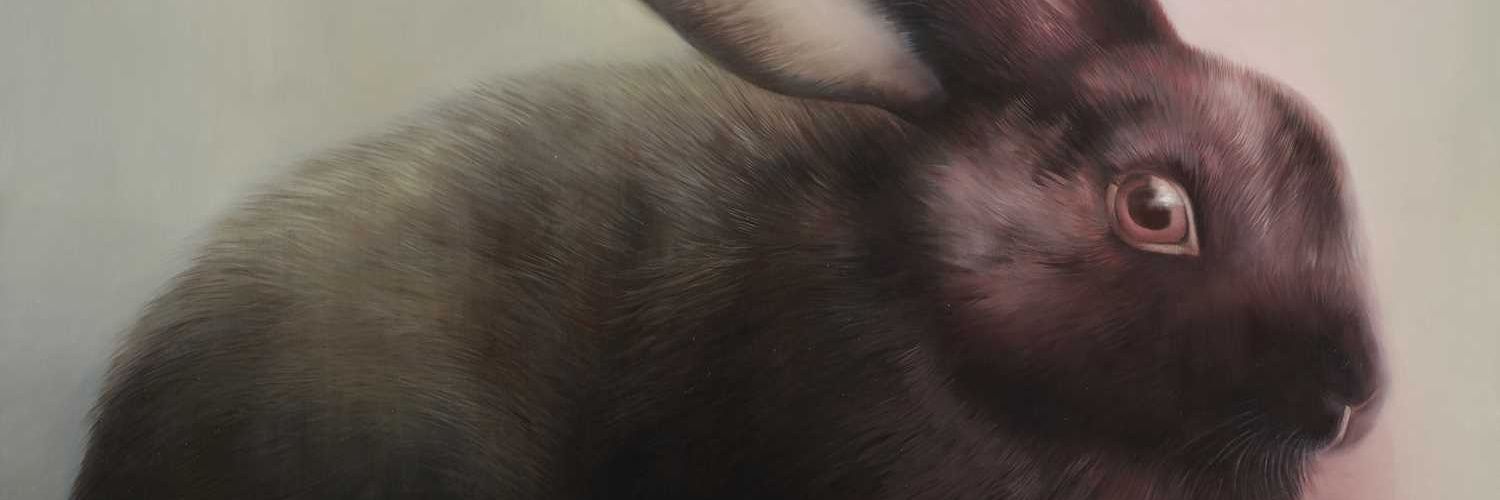
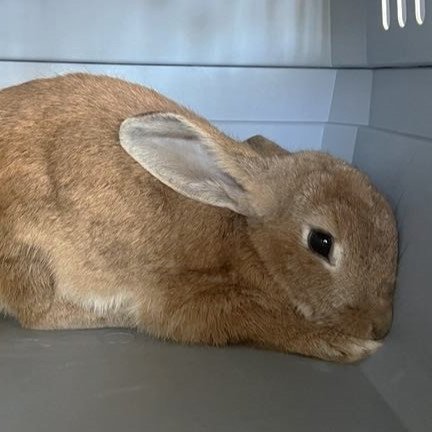
Every year, thousands of families buy a live rabbit for Easter. A few weeks later, thousands are abandoned in parks and backyards.
Domesticated rabbits are the third most abandoned pet in America, behind dogs and cats.
They are not wild animals. They can't eat what wild rabbits eat. They can't dig a warren alone.
Their white or piebald coats are a beacon to every hawk, coyote, and stray cat in the neighborhood. Their flight instinct has been bred out of them.
A domesticated rabbit released "to be free" is usually dead within days.
They need a vet who sees exotic animals, a diet of hay, fresh greens, and specific pellets, multiple hours of exercise outside the cage daily, and a quiet home that doesn't scare them.
They hit bunny puberty at 5-8 months and start spraying, chewing furniture, and showing aggression unless they're neutered.
They are not a starter pet for a 6-year-old who will be bored of them by July.
If you already have one and can't keep it, your local House Rabbit Society chapter takes surrenders. Most animal shelters do too. It's not a failure to return them, it's what protects them.
@ZiggyWearsHats@ThusSpokeStella Maybe not a stack of pillows but one flat but thick one (with something soft on top) - that's what I do for my bed-loving dwarf.
Like a chair pad rather than a pillow. It's more stable to land on.
Obv every bun is different, but she's learned to jump off there.