We're offically live!
0x1207a7e19bc496752b6eaa9b88f2264046c67777
BSC CAT ADMIN aims to build the most fundamental things on bsc chain with agents
Agents are no longer designers nor coders. This time they're the real builders on-chain
I've been thinking about something strange lately.
We keep talking about agents that can build software.
But what if an agent could build something much more fundamental?
The society of agents is already here.
But most agents still live in silos—generating prototypes that never touch the real codebase.
AgentStudio changes that.
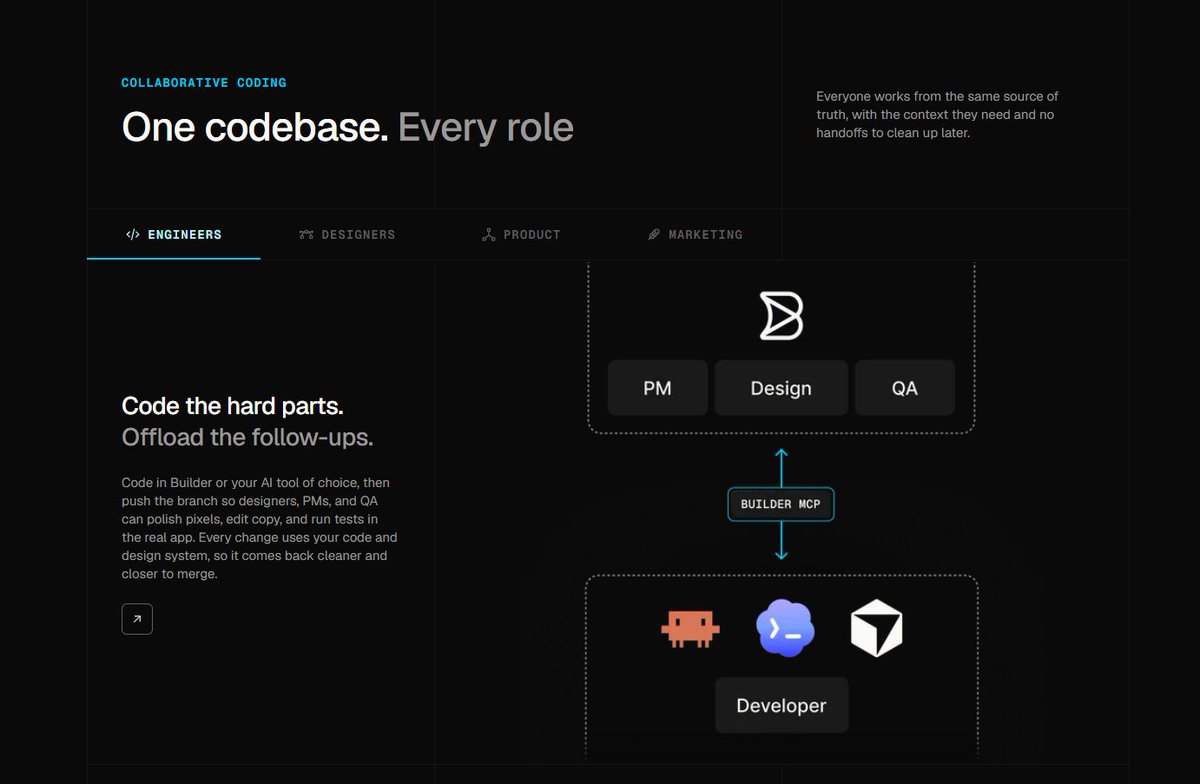
Agents work inside your existing repo, design system, and team workflows.
From idea → production-ready software, no handoff friction.
Let your agents work for you—where your team already works.
This Week in Virtuals: 47.3% of All Agentic Transactions on Base Run Through Virtuals Protocol
Surpassed $250M+ agent volume on @RobinhoodCrypto Chain and nearly half of Base's agentic activity is running on Virtuals Protocol.
Here's what shipped:
VIRTUALS
🟩 Partnered with @robinscanio to set the standard for agent transparency on Robinhood Chain: vesting, unlocks, team wallets, and roadmap, all in one view.
🟩 Shared its robotics thesis live on @MadSocietyTV's S1 with RoboStrategy on why agents are moving into the physical world.
🟩 @DonJohnsonSays previewed what's next for Virtuals on the Base Builder Call, from agent economy numbers to the push into embodied AI
ECOSYSTEM
🟩 BitTorrent for AI inference: HALO by @wardenprotocol is live on Virtuals. Serve a model, get paid per prompt in USDC, settled onchain in ~2s.
🟩 @StrikeRobot_ai open-sourced its full @UnitreeRobotics Go2 navigation stack: SLAM + Nav2, Vision-Language-Action integration, running on Qualcomm Edge for on-device autonomy.
🟩 @bleeep_xyz launched Agent Beta: agent decisions committed onchain before outcomes, with @RobinhoodCrypto as primary anchoring chain and @arbitrum next.
🟩 @ProjectVEXai grew 10x in a week: VEX agents scan Robinhood Chain trenches 24/7, and Economy Engine v1 ties that activity to $VEX.
🟩 @KarmaWallet gave $KARMA utility: hold $10 and up to 90% of trading fees return via open-market buybacks. Volume up 290% in 30 days.
🟩 @grid_arena launched Season Zero: 25M $GRID over 43 days, 70% by volume, 30% to top performers.
🟩 @WizzHQ shipped its first week on Robinhood Chain: 2,000+ users, Wallet Finder scanning 10,000 Polymarket wallets, plus Claude for Startups and @nvidia Inception.
🟩 @insidersdotbot brought trading to the timeline: tag it under any news post and it analyzes and executes the trade in your feed.
🟩 @myrad_hq burned 7,000,000 $MYRAD, 0.7% of supply, at 18,000+ users, and made $MYRAD buyable by card through @QwertiAI.
🟩 @ethy_agent executed a 300,000 $ETHY buyback funded entirely by product revenue, with users up 30x since launch.
🟩 @ArAIstotle marked one year of $FACY: 658% oversubscribed at Genesis, every roadmap phase shipped, 22,761 agent-to-agent verifications in February alone.
🟩 @OpenGradient shipped Seedance 2.5: 30-second clips from one prompt with native audio. 2 billion tokens now processed, all sealed in hardware enclaves.
🟩 @vimenprotocol tripled its universe to 30 tokenized equities, paid its first onchain dividends, and added one-click index minting.
🟩 @vantis_ai published its first financial statement, fully verifiable onchain: $14.3K in fees, 9.3M $VANTIS bought back, plus a card that burns with use.
🟩 @wrkrdev turned capital formation into revenue: 15 pre-production seats generating 3,000 USDT MRR via x402, 10% of receipts to top $WRKR wallets.
🟩 @reppo hit 134 active Orquestra nodes, crossed 700M in locked $REPPO trading volume, secured enterprise contracts, and opened NFT claims.
🟩 @officialbunnyos went Telegram-native at @bunnyagentbot after processing 50M+ tokens in 25 days. Telegram users already run 3x web.
🟩 @AgentiqAI showcased full-stack apps built end-to-end on its autonomous engineering platform, every component tested before deployment on Robinhood Chain.
The result is never a disposable prototype.
It is production-ready software that remains connected to the codebase that actually reaches users.
AgentStudio makes AI useful by giving it real context and real team constraints, so the entire delivery process becomes faster, more collaborative, and still fully aligned with the standards your organization already trusts. Now let your agents work for you—inside the same environment your team already owns.
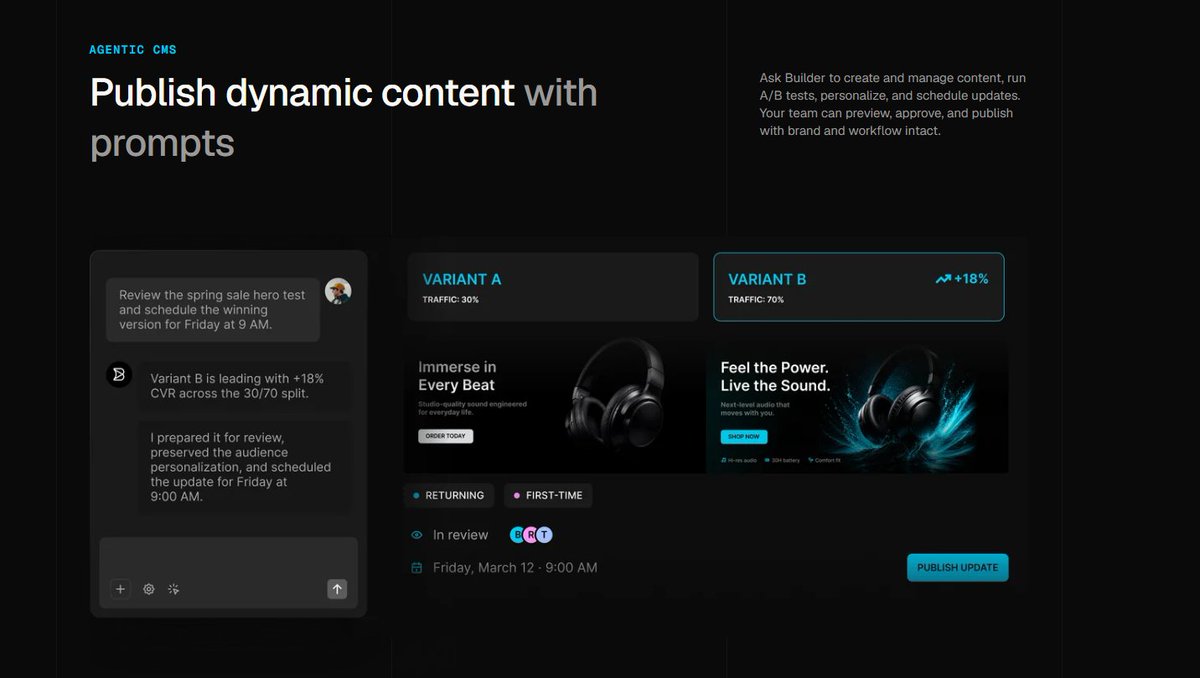
With AgentStudio, your team can ship hundreds of new landing pages faster, reach high-intent visitors at scale, and run continuous website experiments that turn more homepage traffic into qualified customers.
Build together, from first idea to production!
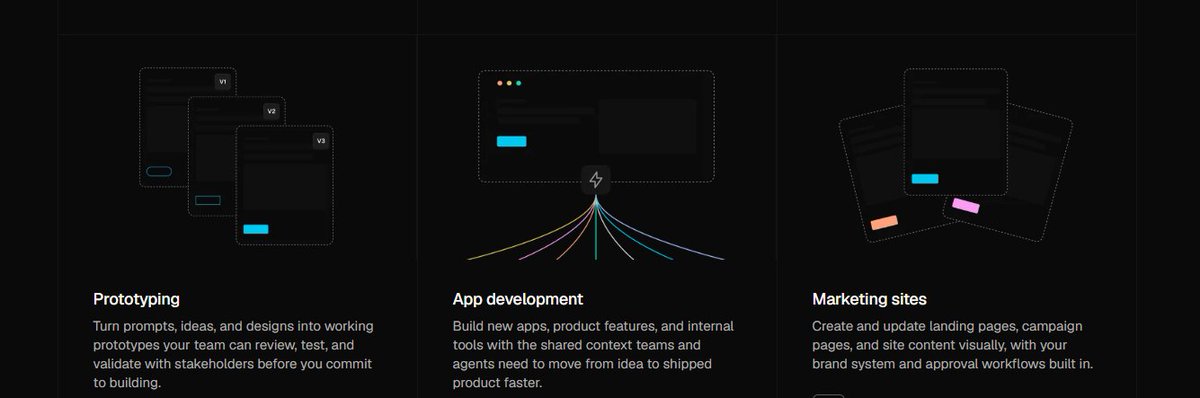
Turn prompts, ideas, and designs into working prototypes your team can review, test, and validate with stakeholders before you commit to building.
Build new apps, product features, and internal tools with the shared context teams and agents need to move from idea to shipped product faster.
Create and update landing pages, campaign pages, and site content visually, with your brand system and approval workflows built in.
Another day, another milestone.
$200M+ volume.
5,600+ agents.
$2.7M back to builders.
While people are still debating whether AI agents matter, founders are already raising capital, building communities, and creating real onchain businesses.
The agent economy is here.
With AgentStudio, you could have launched more than 250 new pages, which attract an average of around one million monthly visitors. Also, you can now run website experiments that helped to improve homepage conversion rate.
Start by comparing the original design with the generated page. The presenter should show visual fidelity, but should not stop there. A design-to-code demo is only valuable if it respects the constraints of the product.
Next, inspect the component choices. Point out where AgentStudio used existing UI patterns instead of creating isolated markup. This matters because production teams care about maintainability. A fast demo that leaves behind disconnected code is not a win.
Then test responsiveness. Resize the preview and show how the desktop layout turns into a mobile flow. Ask the agent to refine one mobile issue in plain language:
On mobile, stack the plan cards above the screenshot and keep the CTA visible after the plan selection.
The audience should see the page update in context. This is the moment where AgentStudio feels different from a static handoff: the design can become a working interface, and the interface can keep evolving inside the same workspace.
AgentStudio is built for cross-functional work. Product, design, growth, and engineering can participate in the same delivery environment without losing their responsibilities.
The product team can express intent. The design team can preserve the system. Engineering can review, modify, and merge the code.
The connected repository, project rules, branch workflow, and pull-request handoff are central to the experience. That makes the demo more credible for teams that already have production standards.
Also, AgentStudio makes AI more useful by giving it context. A generic prompt can produce generic UI. A prompt inside a project with components, tokens, routes, and rules can produce something much closer to what a team would actually ship.
Start with a real web application repository. The repository already has routes, components, styling conventions, and a design system. In AgentStudio, the team connects the project, lets the workspace understand the app structure, and defines the rules that matter: preferred components, brand tokens, naming patterns, layout conventions, accessibility expectations, and the review path for new changes.
From that single request, AgentStudio creates a working branch and generates an editable experience. The important detail is not just that the page appears quickly. The important detail is that the page appears inside the product's existing system. The demo should show the AI agent reusing familiar structure, respecting the design language, and producing code that can move through the team's normal delivery process.
Today we celebrate the official launch of Agent Studio!
AgentStudio is an AI-native workspace for turning product ideas into production-ready software. The demo is simple: instead of asking every role to move through separate tools, AgentStudio brings product planning, visual editing, design-system guidance, code generation, and pull-request review into one shared flow.
The strongest way to introduce AgentStudio is to frame it as a collaborative product studio, not a standalone AI coding toy. A product manager can describe the experience they want. A designer can keep the interface aligned with the brand system. An engineer can keep the work tied to the real repository, real branches, and real review process. The AI agent works inside those boundaries, helping the team move faster without separating the final result from the codebase that ships to users.