CISO at @VillanovaU. Former Falcon, Owl, Prof. All tweets are my own and typically focus on technology, usability, accessibility, security and privacy. 🇺🇸
As college sports experiences an upheaval, Notre Dame and Villanova found a way to illustrate their programs’ unique identities at the Vatican https://t.co/F8LKqvp2Mm
For 15+ years I’ve collected the interfaces that made me stop and ask “wait, how does this work?” Interface Lineage is now open https://t.co/BbdNE8x9Ad
Learn the patterns and principles that turn “make no mistakes” into clear instructions for AI. 500+ interfaces, free to read.
As more and more designers move into Design Engineering, here are some commonly used overlay terms that help you describe your UI to Claude or Codex more precisely. Save this for later.
BlueChip. Built in America.
America made the first electronic computer to win a war.
Now we depend on our greatest adversaries to build the computers that run our economy and defend our nation.
Today, we bring it home.
I had the domain for quite some time and the website was already up - but finally it's where I wanted it to be.
◽️Full XDR and Sentinel schema coverage
◽️Documentation of XDRInternal modules by @NathanMcNulty and me
◽️Table column relations (partly)
https://t.co/BfiLFcYDMg
THE VIBE MANUFACTURING PLAYBOOK
1. Measure everything. Digital calipers for small parts, a phone LiDAR app like Polycam to scan a space or an object. Bad measurements are the #1 reason first builds fail
2. Have a frontier model write the design as code. Describe the part to a model like Claude Opus 5.5 or Astra, and have it write the design in a codebased CAD tool like OpenSCAD or CadQuery. Zoo's Text to CAD does it in one step!
3. Use real CAD files. The text to 3D models on Hugging Face make shapes that look right, but factories need precise files: STEP for machined parts, DXF for lasercut metal, STL for 3D printing
4. Make sure it can be made. Ask the AI to check the design against how factories actually work: how tight metal can bend, how small a hole can be, how much wiggle room parts need etc...
5. Prototype in plastic first. A $300 to $600 home 3D printer like a Bambu Lab lets you test the fit overnight before paying for metal (really fun to play with too!)
6. Pay an engineer for 1 hour. Before your first real order, have a mechanical engineer on Upwork etc review the files. It's the cheapest insurance you'll ever buy.
7. Send it out. SendCutSend cuts and bends metal, Xometry and Protolabs handle machining and plastic, JLCPCB builds circuit boards. Instant quotes, and parts usually ship in days.
8. Add the brains. Most smart features run on a cheap wifi chip like the ESP32. Design the board in KiCad, and use ESPHome to control it straight from your phone.
9. Make one, then fix it. Your first version will be off somewhere! Order a single unit, test it, and adjust.
10. Do the math. Add up parts, finishing, assembly, packaging, and shipping. Custom products are hard to resell, so price for healthy margins.
11. Sell the design and make to order. Let customers adjust the measurements, and only manufacture after they pay. Zero warehouse, zero unsold stock.
12. Handle the boring part. If it plugs into a wall or touches kids, you'll need safety certification. It's slow and annoying, which is exactly why it's a moat.
13. Scale when it works. Once orders are steady, switch to batch runs and your cost per unit drops fast.
Vibe coding changed who can build software!
Vibe manufacturing is about to change who can build things!!
Even if you just want to make things for yourself (and not make things for others)
WELCOME TO THE VIBE MANUFACTURING ERA
Love that @bscholl and @boomsupersonic are listening to feedback and completely reimagining air travel.
Adam’s post summarizes what many of us see and experience today.
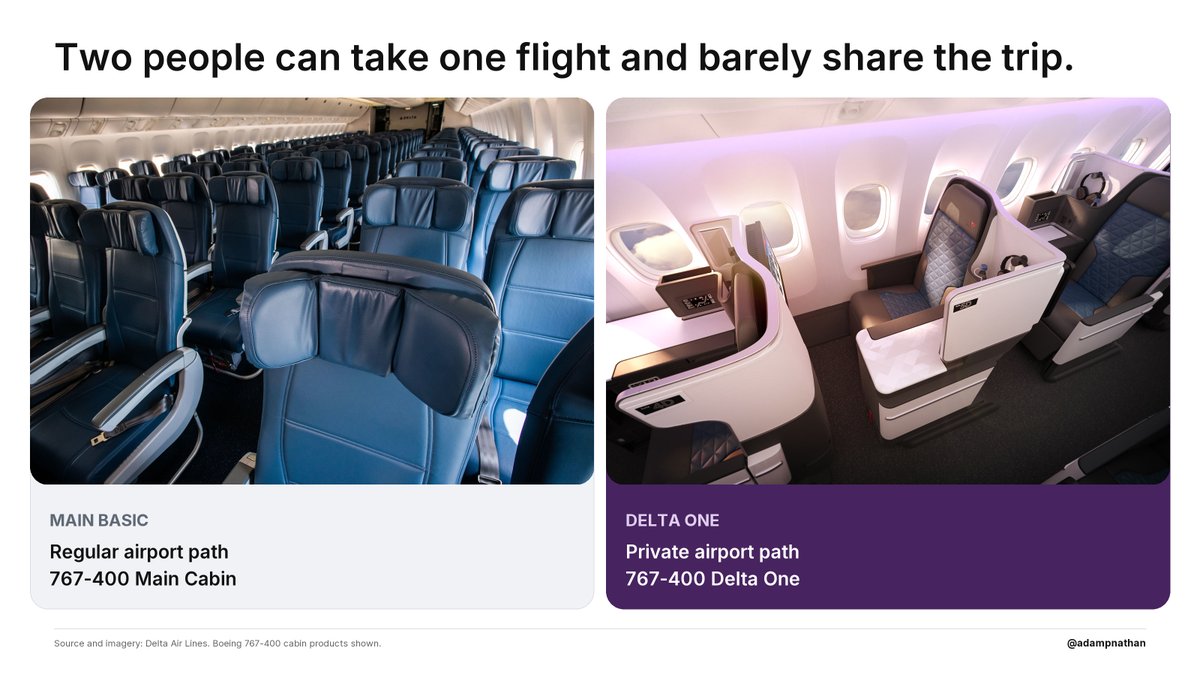
One of the insane things about flying in 2026:
Two people can take the same flight, depart and arrive together, and have completely different experiences from door to door. They might barely share any space beyond the plane.
Here’s economy vs. Delta One from LAX to JFK.
#MDDR 2026 is out – a must-read for everyone in #MicrosoftSecurity. Password spray still leads by volume, but post-authentication attacks keep gaining ground: token theft shows up as a distinct post-compromise tactic. Check out the full report:
https://t.co/GhKXFvMLFP
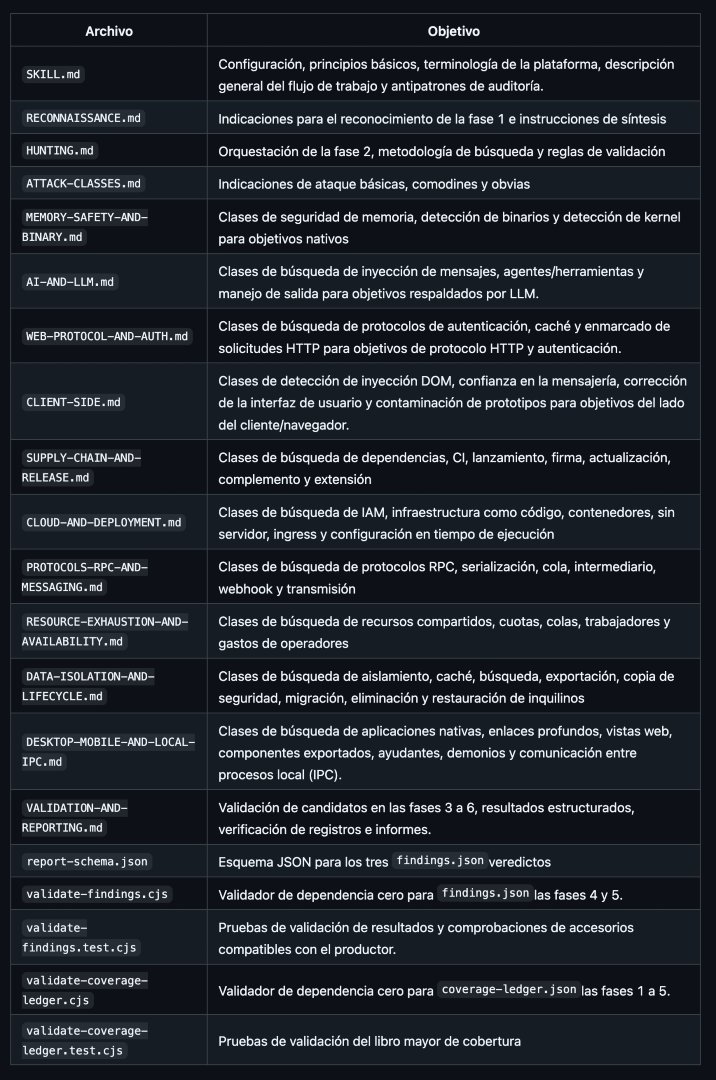
Cloudflare ha lanzado su propia skill completísima de auditorías de seguridad.
Es la que utilizaban internamente en la empresa como sistema de detección de vulnerabilidades.
→ https://t.co/p2WjZT7phe