Ya llegó, ya está aquí, llévela llévela!!!
Es #LaGuiaDelGourmetCallejero, de la pluma e inspiración taqueril del inclito maestro Atlista de corazón, #trinomonero!🌮🌮🌮
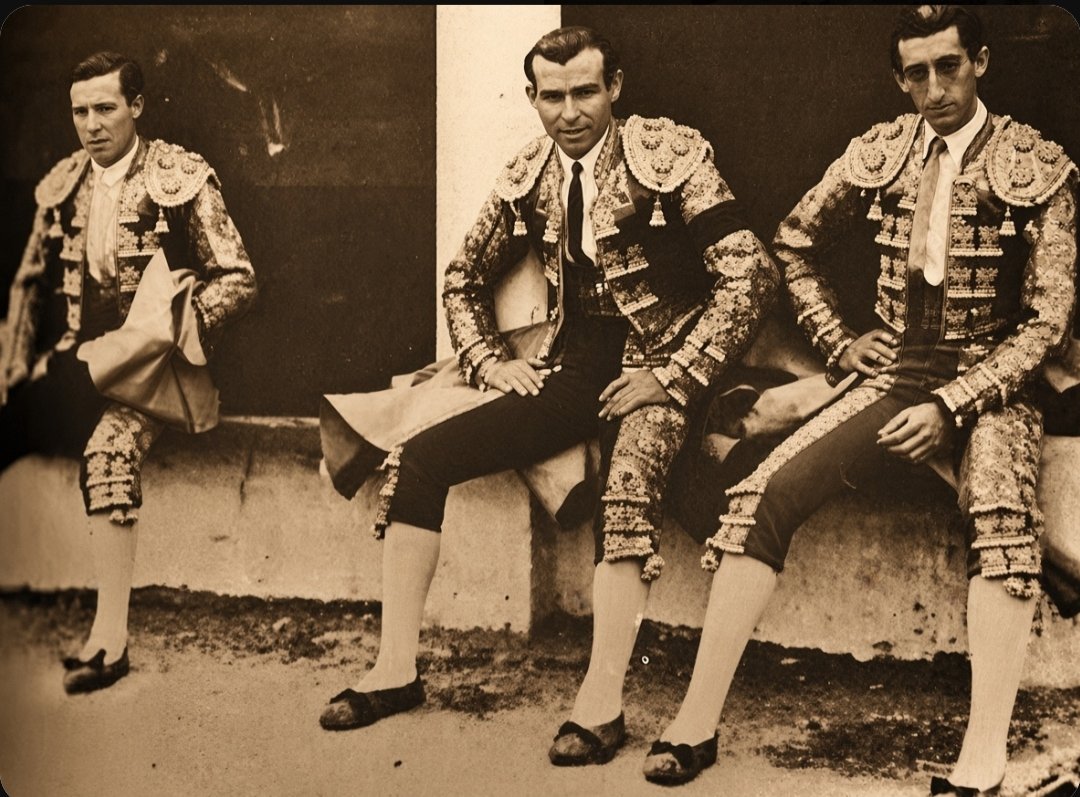
Tal día como hoy en Murcia el 8 de septiembre de 1940
¡Cartelazo!
🗡️ Domingo Ortega, Manuel Rodríguez Sánchez "Manolete" y un chaval sevillano Pepe Luis Vázquez.
🐂 Corrida del Duque de Veragua
#Manolete🖤
Le anunciaron a Édith Piaf que su tiempo había concluido. Entonces entonó «No me arrepiento de nada» y ofreció una interpretación que no solo se volvió legendaria, sino que quedó grabada en la memoria cultural para siempre.
En diciembre de 1960 estaba agotada, gravemente enferma y con la orden estricta de sus médicos de no volver a pisar un escenario.
El Olympia estaba al borde de la quiebra. Para la mayoría, su trayectoria artística ya era cosa del pasado.
Aun así, decidió presentarse.
Semanas antes, Charles Dumont y Michel Vaucaire le habían entregado una canción recién nacida: Non, je ne regrette rien.
La escuchó una sola vez y la hizo suya de inmediato: sin dulzura, sin adornos, solo una marcha feroz y una convicción moral que no admitía titubeos.
Su estilo escénico era célebre por su austeridad: permanecía erguida, inmóvil, con su vestido negro sin pretensiones, dejando que sus manos y su voz cargaran con todo el peso emocional. No interpretó la pieza. La habitó.
Aquella noche rescató un teatro y convirtió un ajuste de cuentas íntimo con la pérdida en una de las grandes proclamaciones de resistencia del siglo.
Frágil en el cuerpo, inagotable en el espíritu, sigue siendo una de las voces más emblemáticas que alumbró el siglo XX.
El Gorrión no voló lejos.
Simplemente se negó a descender.
There’s an old clip that still makes people stop and watch all the way through: Mickey Thomas and Starship’s current female singer standing onstage, performing “Nothing’s Gonna Stop Us Now” with total commitment and not a hint of embarrassment. The red-haired woman in a graphic tee, shorts, and thigh-high boots sings and dances at the same time; the man in sunglasses and a patterned shirt waves his arms, leans into the mic, and carries himself as if it were still 1987. Even though commenters immediately spotted that they’re lip-syncing to the original recording, they perform as if they’re single-handedly saving the song.
This is Starship’s 1987 hit, the theme song for Mannequin-the story of an unemployed artist who falls in love with a mannequin that comes to life. Diane Warren and Albert Hammond wrote it; Grace Slick and Mickey Thomas sang the duet. It went to No. 1 on the Billboard Hot 100, earned an Oscar nomination, and the official video intercut scenes from the film with Grace Slick herself playing the living mannequin opposite Mickey Thomas. At the time it was dismissed as mere movie promotion. It became one of the most memorable videos of the decade instead.
This concert clip is not that original video. Grace Slick retired long ago. The woman standing next to Mickey Thomas now belongs to a later generation of the band. Yet they still throw themselves into it completely: singing, dancing, interacting, never once looking like they’re just going through the motions. It’s the same energy Michael Douglas, Kathleen Turner, and Danny DeVito once brought when they put on matching white suits, pretended to play saxophone, and danced without a shred of self-consciousness in Billy Ocean’s video.
Back then there was MTV. A single video played on a loop and the whole country watched it. Movie soundtracks were hit-making machines. Studios simply told the actors to jump into the video for fun, and they did—no branding meetings, no asking a stylist whether the outfit would diminish their star power. What about now? Everyone has their own playlists and algorithms; the first seven seconds have to hook the viewer or they swipe away. Stars (and even legacy bands) guard their images as tightly as pension-fund managers. Performing an old hit live while using a backing track to preserve the original vocal quality gets immediately called out. The kind of collective joy that comes from “everyone acting adorably silly together” is becoming rare. Everything is either too cool, too introspective, or too calculated.
To be fair, we are remembering the best version of the past. The ’80s had plenty of bad songs and videos so strange you want to cover your eyes now. But that particular combination-a massive hit tied to a movie, famous people willing to goof off completely, and the atmosphere of an office year-end party that somehow became an international success-belonged to a system that no longer exists. It isn’t that no one wants to do it anymore. The conditions that once allowed it to happen naturally have disappeared.
The next time you see Mickey Thomas and the red-haired singer performing “Nothing’s Gonna Stop Us Now” onstage, go ahead and watch it again. Not because the old music is better than the new, but because sometimes we need a reminder that there was a time when a band and Hollywood’s biggest stars were willing to stand up, sing, dance, pretend to play instruments, and no one thought it was weird at all. That’s the part worth remembering.
El año es 1986. En el Wembley Arena se juntan Eric Clapton, Phil Collins, McCartney y Elton John para dictar cátedra de #Rock real. Mientras hoy te quieren vender "superbandas" digitales de cartón, acá había sangre y talento. Un #AllStar que no va a volver más. 👑🔥
¿El dinero del Bienestar nace de la austeridad? Las matemáticas dicen otra cosa: entre 2018 y 2026 la deuda pública se duplicó. Parte de ese dinero ha ido a los programas sociales. Sin crecimiento económico, eso se convertirá en una factura que pagarán futuras generaciones.