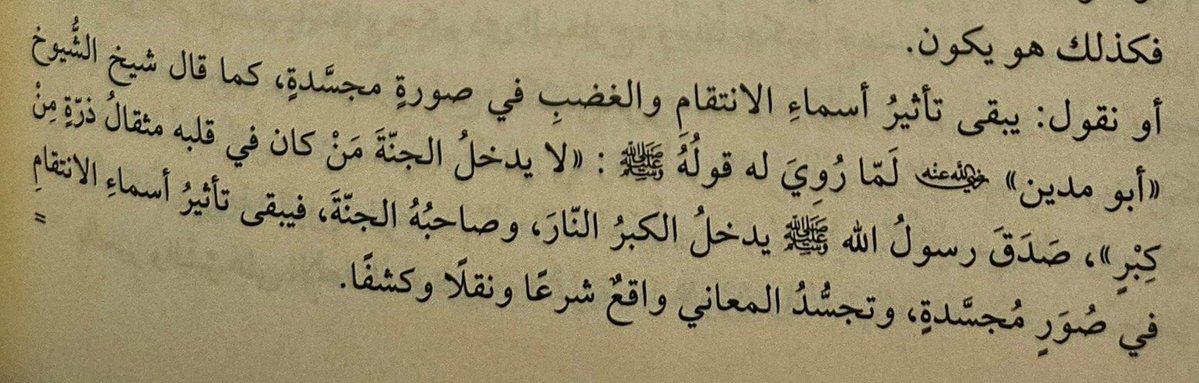
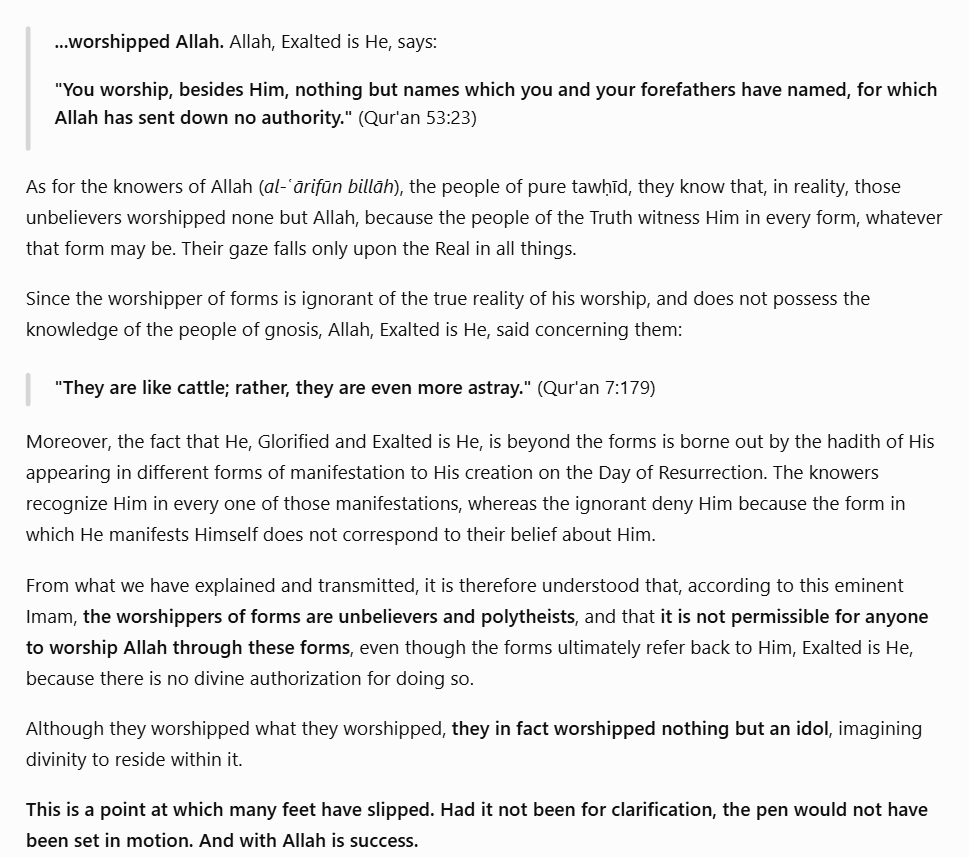
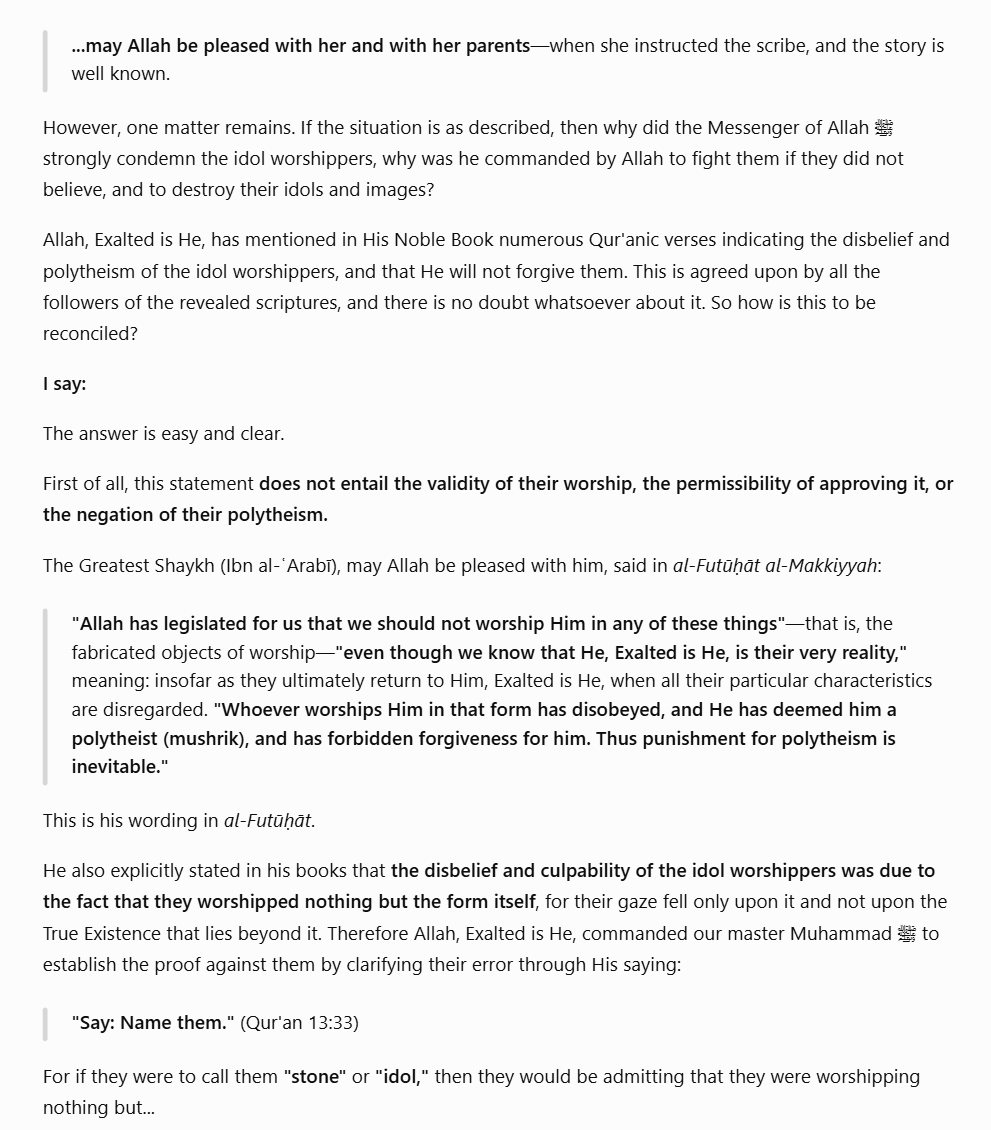
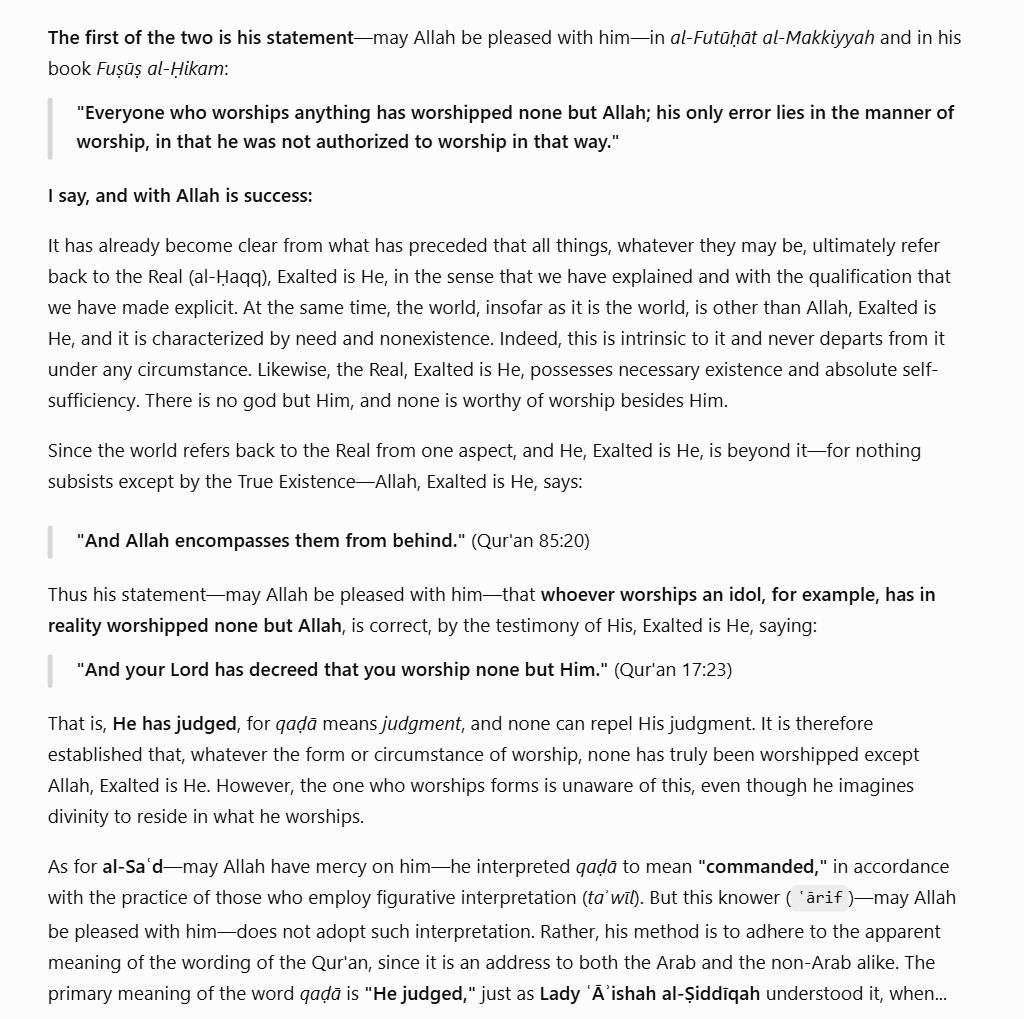
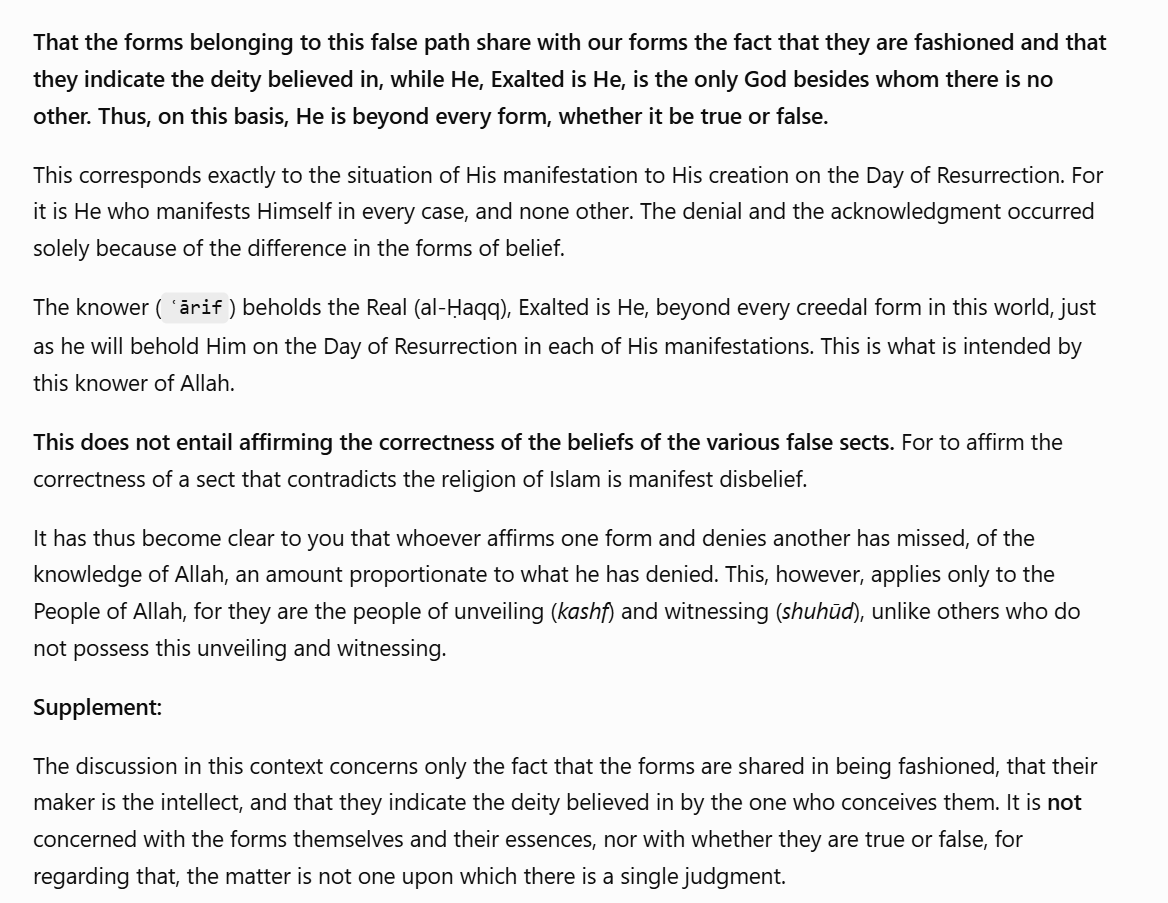
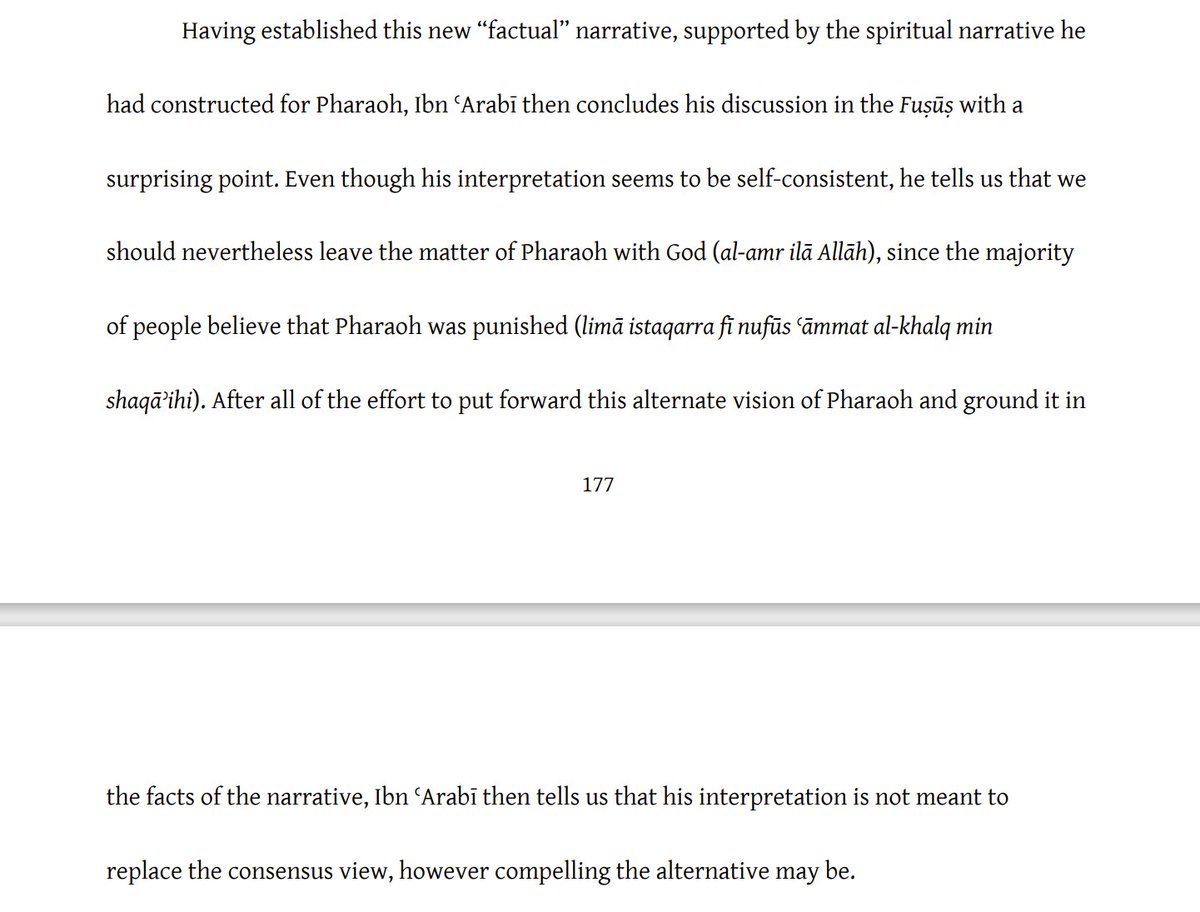
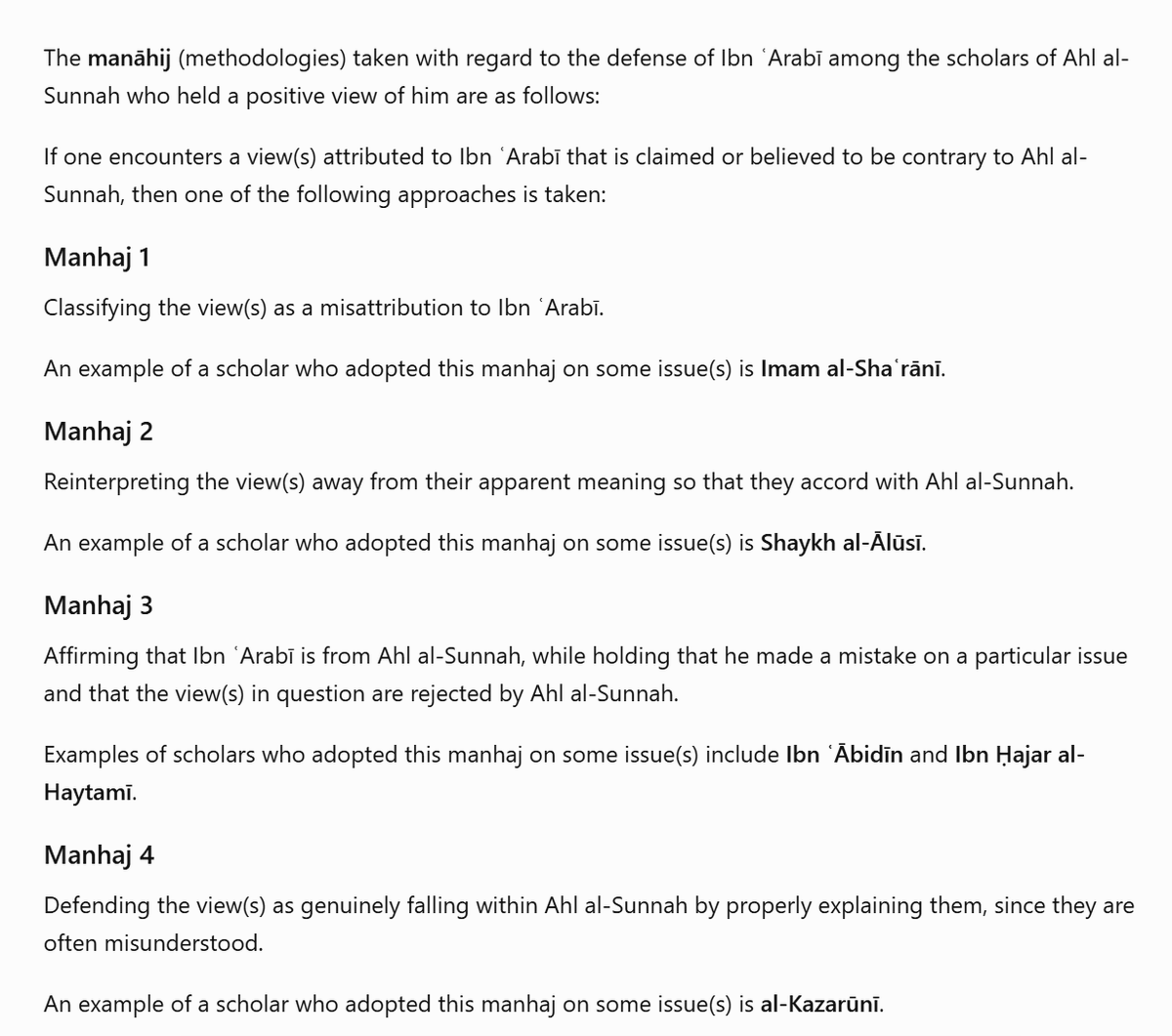
@abolore12345 He was ref to the end of adhab jismani but not adhab mumathal, he affirms the adhab mumathal in another passage of the mawaqif,
Plus hes only ref to the end of the 2nd order perception/awareness of that adhab specificaly and not an end to the adhab jismani itself, only its idrak
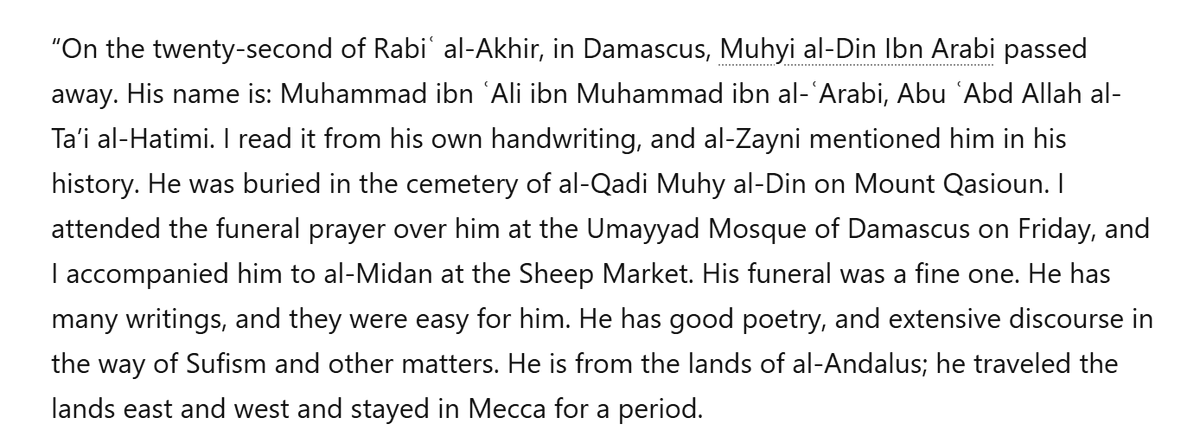
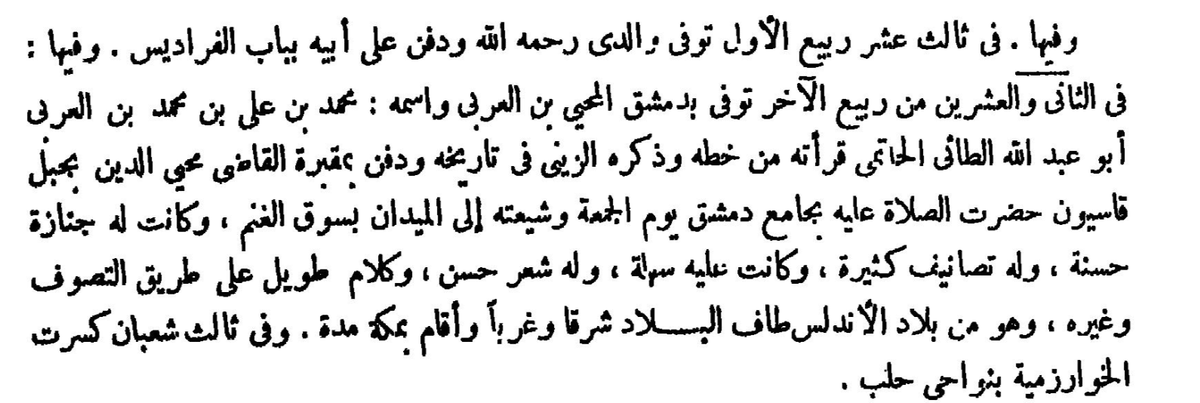
@abolore12345 Interestingly, Abu Shama RA, a student of al-Izz RA says that he prayed over Shaykh Ibn Arabi RA in the ummayad mosque, and that he had a good janaza, and only had good words to say about him,
this is from his تراجم رجال القرنين السادس والسابع
pg 170
@abolore12345 Its your perogative to hold these views, again i was just relaying what the mutamad of the shafii madhab is
You can disagree and think its deficient, you are free to do so,
any scholar in history who disagreed w the mutamad of his madhab likely thought it was deficienct as well
@abolore12345 Again you can critique Ansari's Ra treatement of the topic as being deficient
But it doesnt change what the mutamad of the madhab is,
That also doesnt mean scholars cant critique the mutamad of a madhab, they are free to do so if they think its wrong
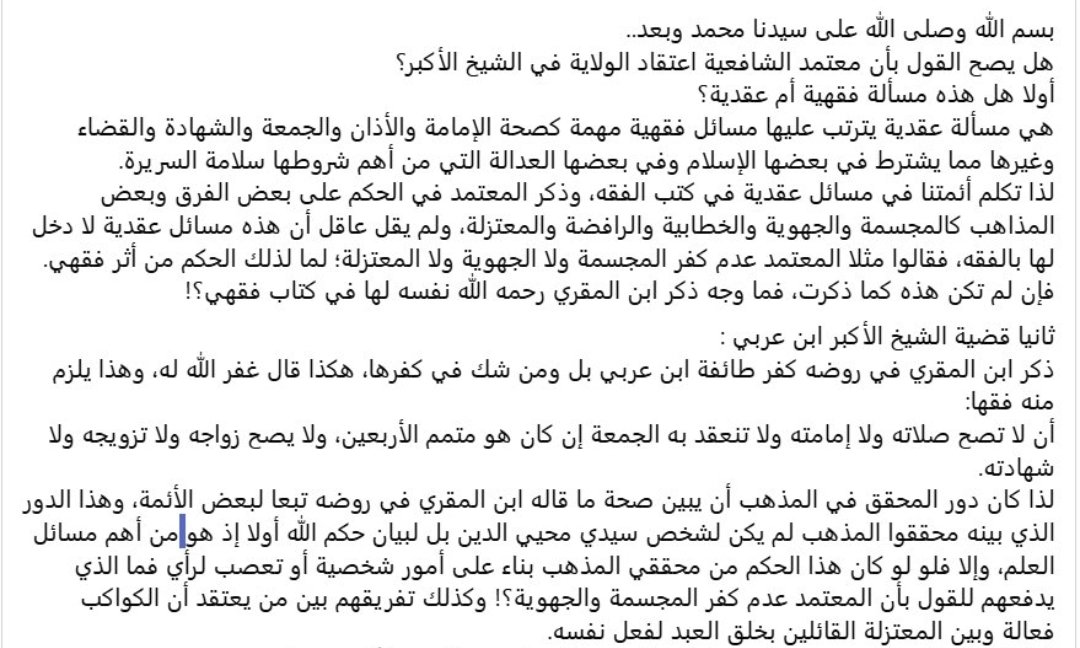
@abolore12345 It doesnt matter, its still the mutamad, as i cited above
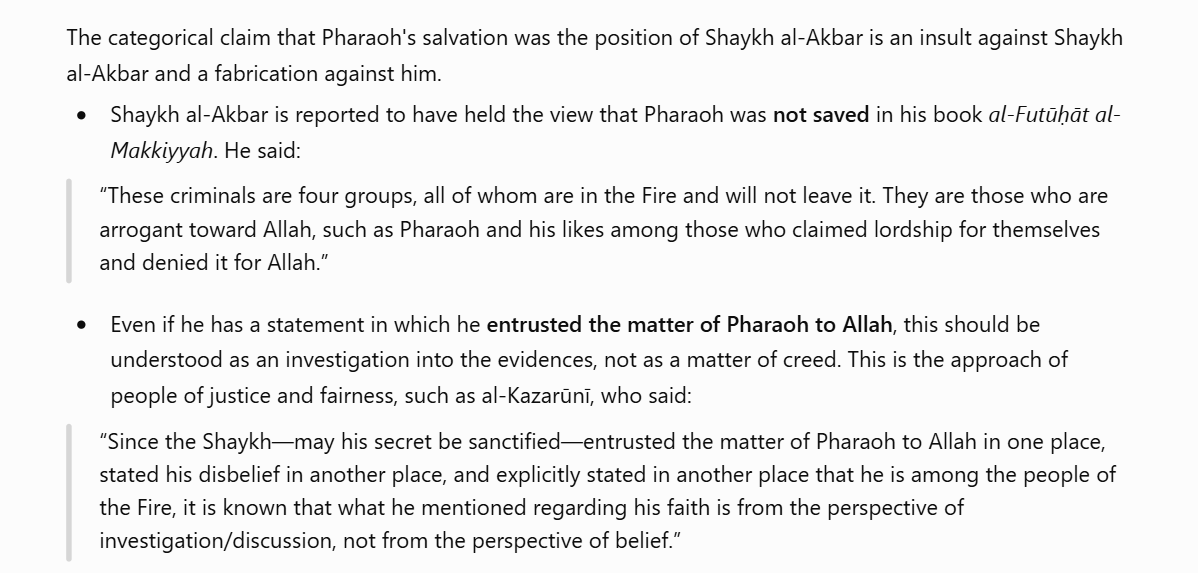
And it is a fiqh issue, fiqh can involve groups who held certain views(IA and his followers) if fiqh consequences can follow from those views:
https://t.co/Ub7nN4K2Pj
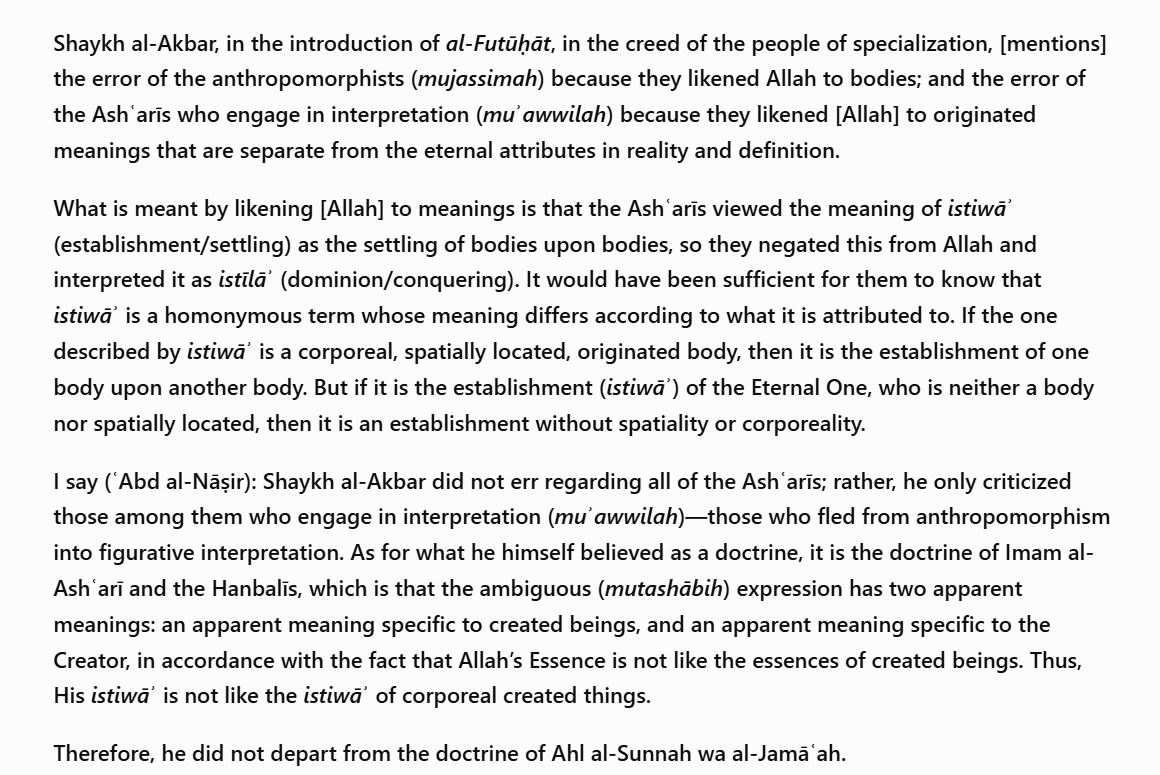
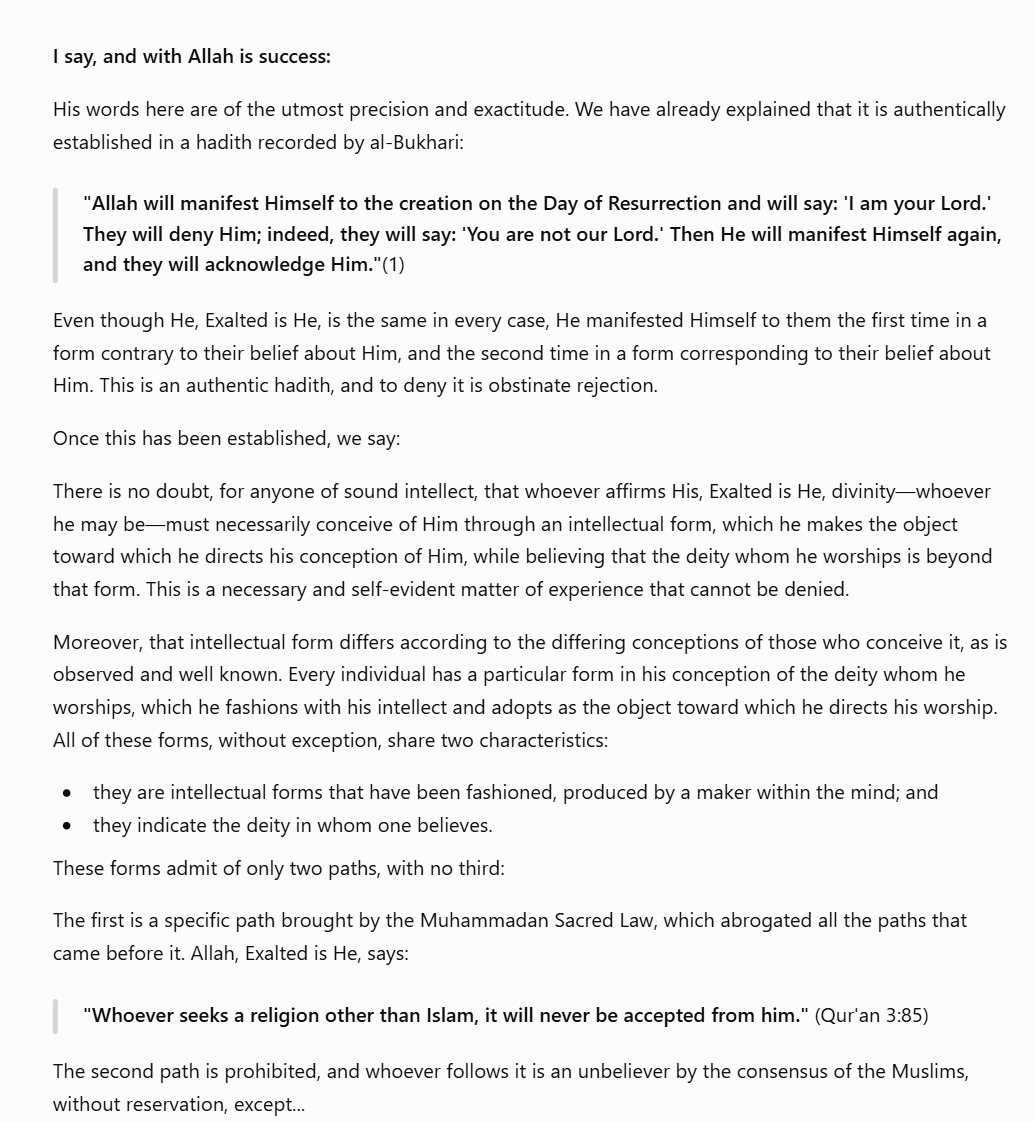
@KlaarZev@abolore12345 Theres a difference of opinion amongst scholars whether you can say Allah swt "is everywhere" , while negating any tashbih, in a way that is beyond mind and imagination, bcs we have athar from sahaba on this: