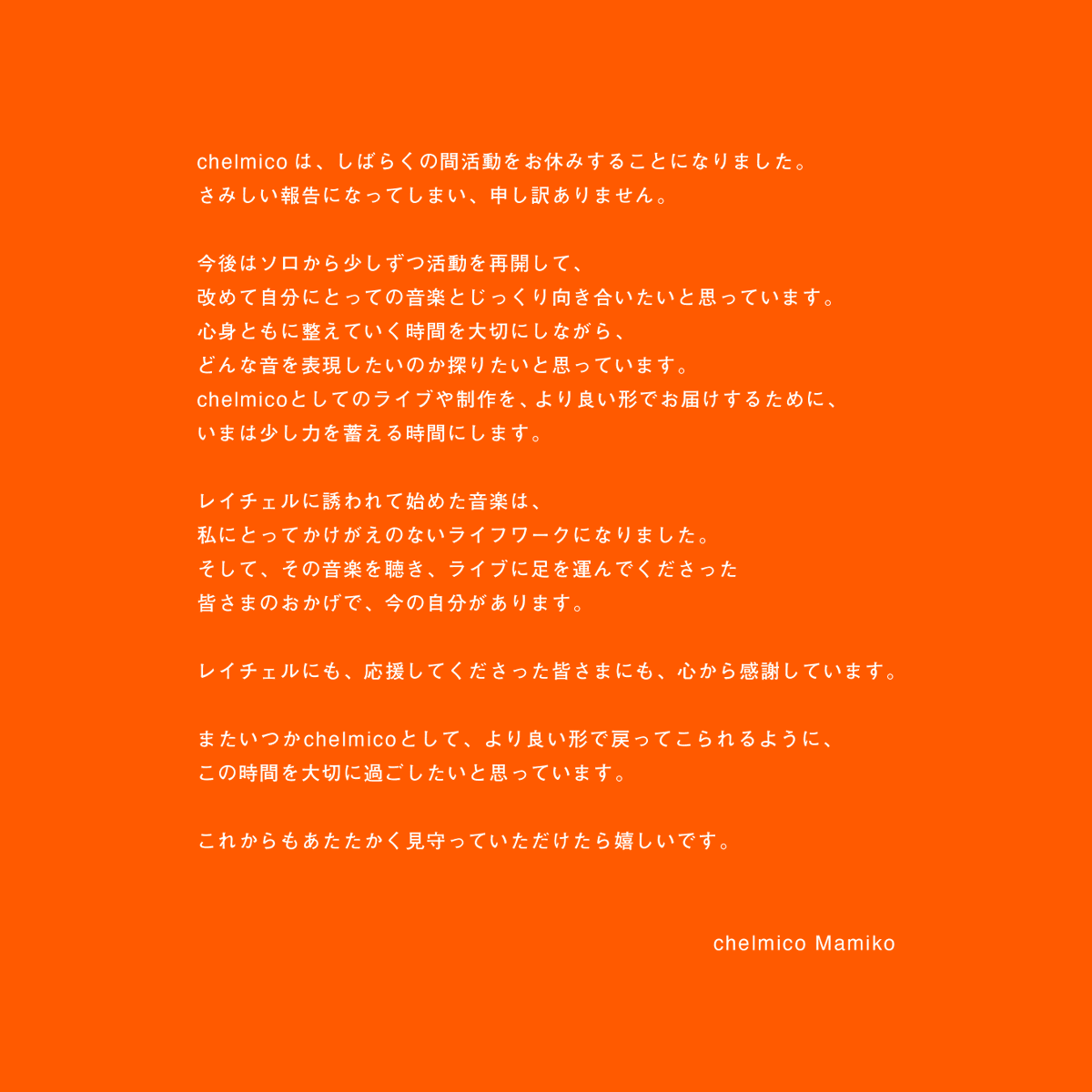
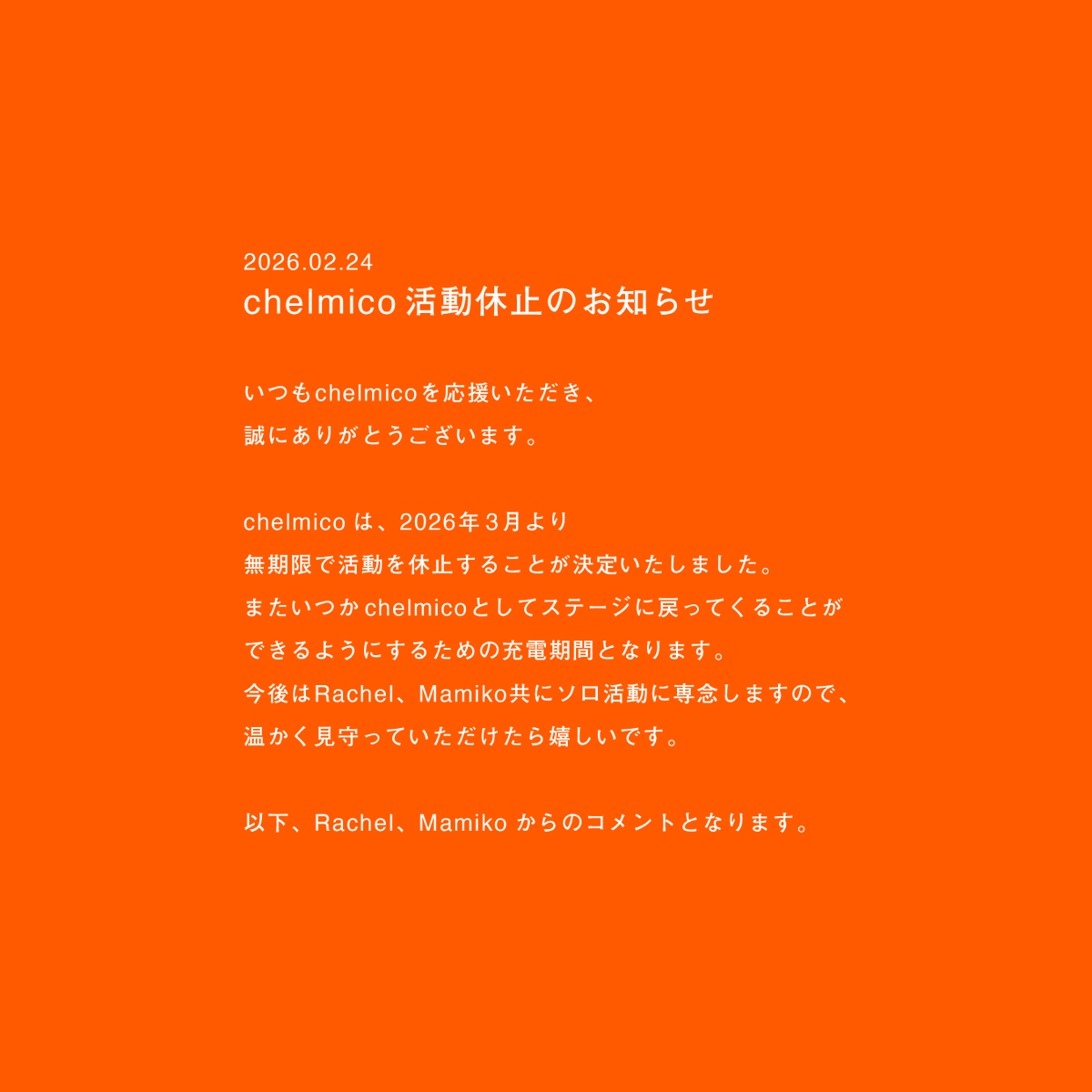
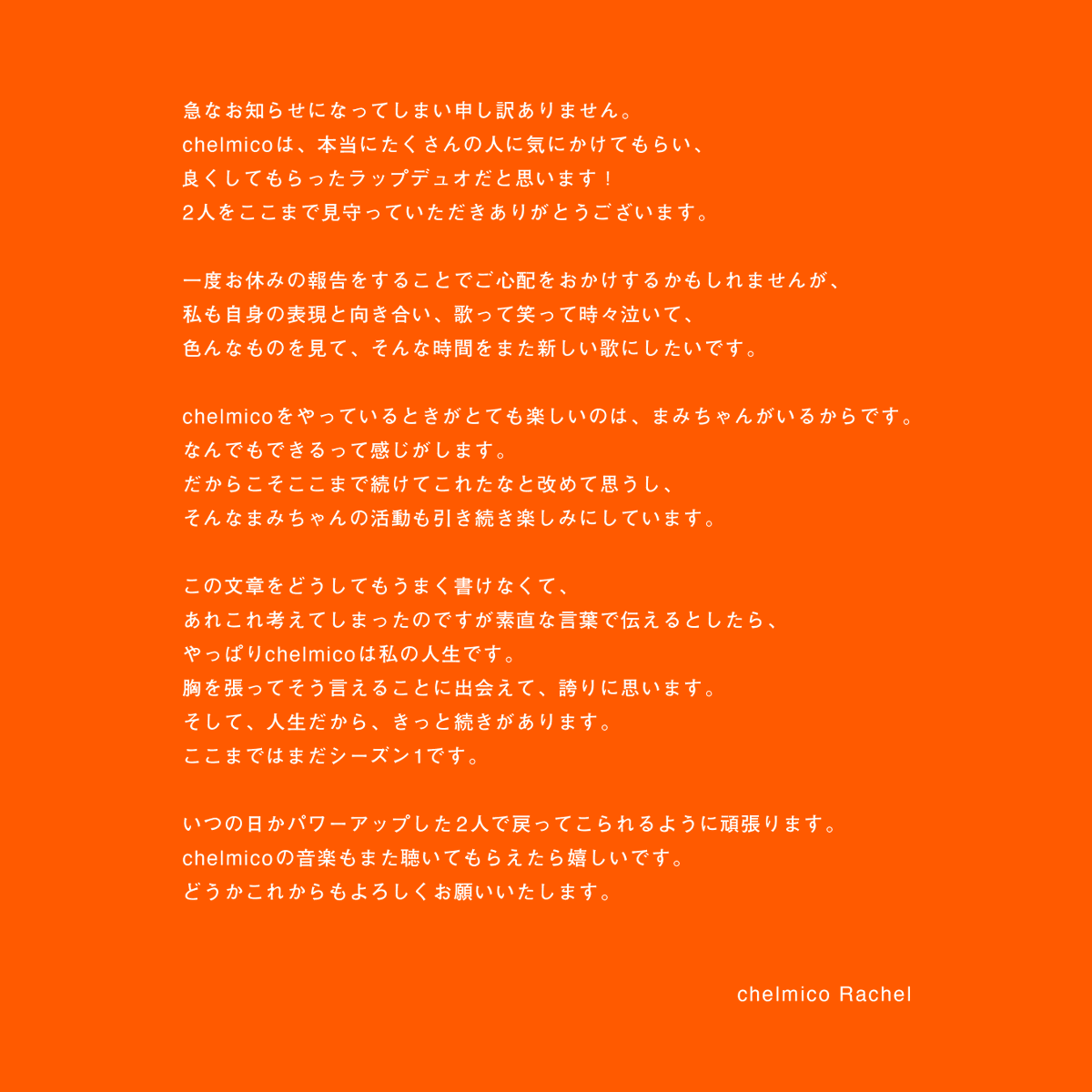
No suelo escribir sobre estas cosas, pero es un hecho que chelmico me ha acompañado en muchos momentos duros en mi vida y, aunque entristece ver que todo llega a su fin, solo puedo estar agradecido y desearles, tanto a Rachel como a Mamiko, un futuro lleno de felicidad 🧡
the discipline of letting people finish speaking without interrupting to defend yourself, correct them, or rush your own point is a level of emotional regulation we don’t talk about enough. most people aren’t listening, they’re waiting to grab the microphone back.
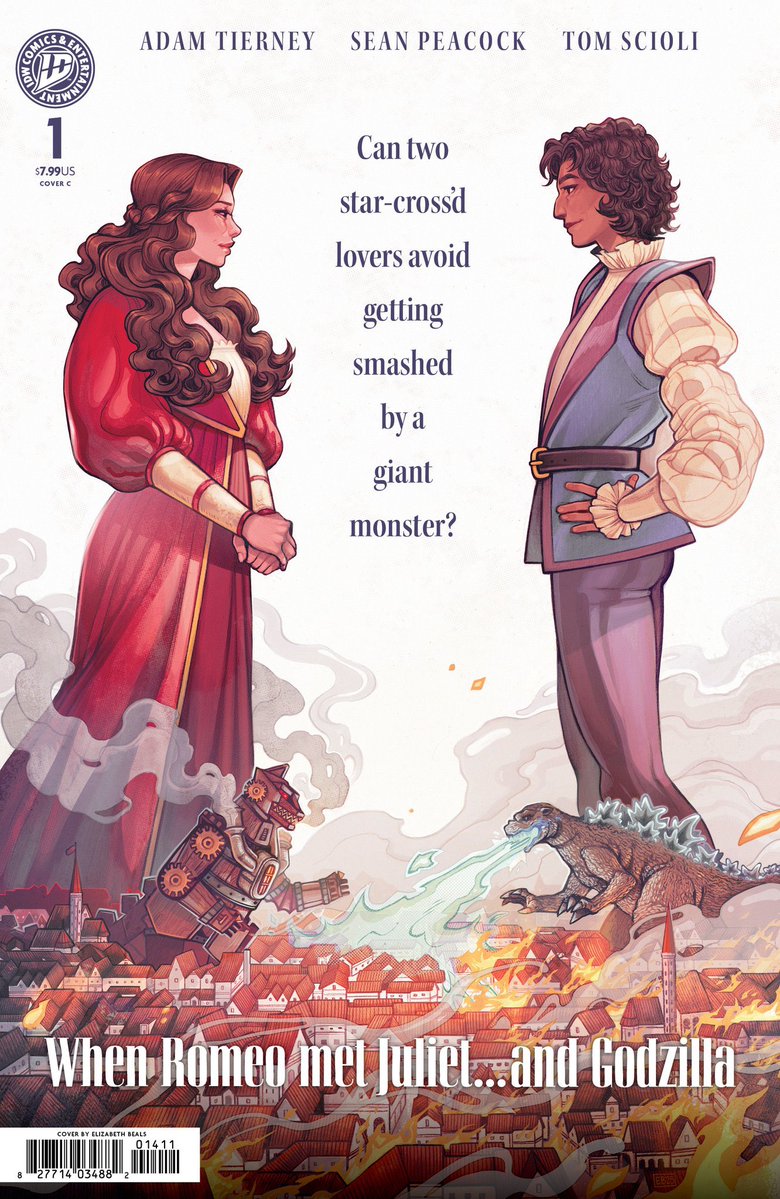
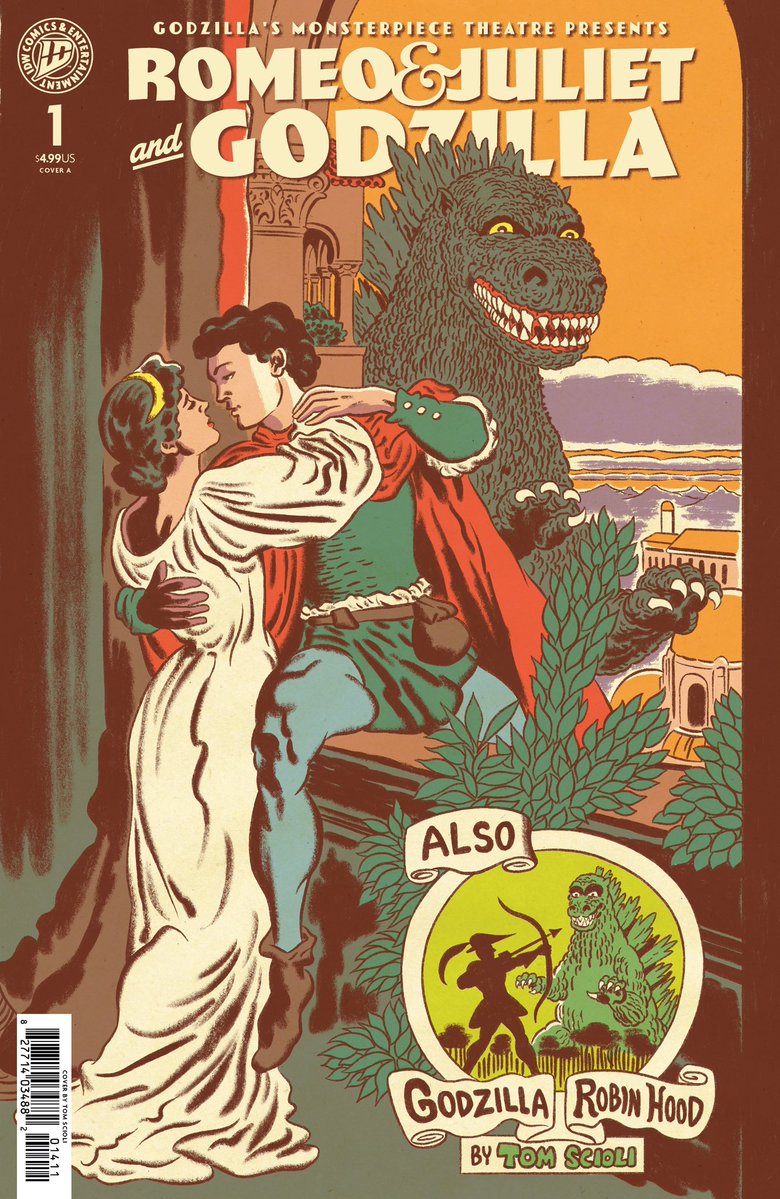
First look at the ‘ROMEO & JULIET & GODZILLA’ one-shot comic.
The comic tells the story of Romeo & Juliet from the perspective of Godzilla.
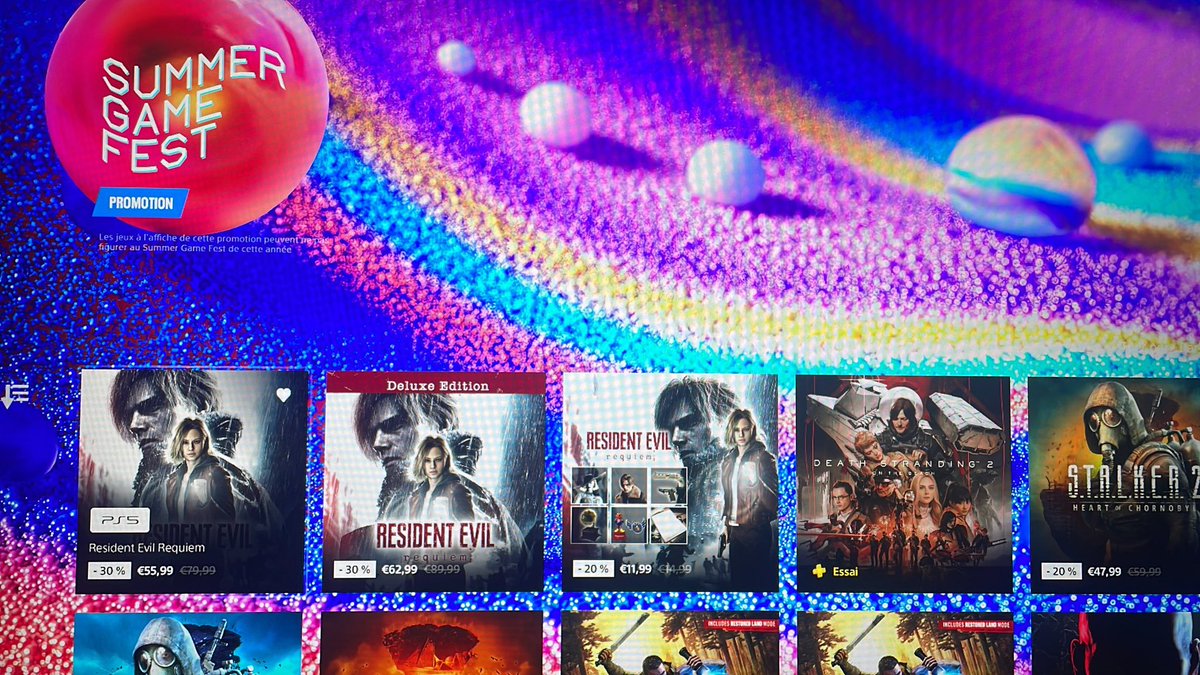
Video games will never be taken seriously as an art form because neither the industry nor the audience treats them as art, and the audience is the larger part of the problem. Games are treated as products to be made fast, sold loud, consumed, discarded, and replaced. That is why Call of Duty and FIFA sell in the billions, not because they endure, but because they are disposable and familiar.
This has nothing to do with graphical fidelity, art style, music, voice acting, or budget, even though players insist otherwise. For most people, “artistic merit” means how flashy, pretty, and expensive a game looks. Spectacle is mistaken for depth, and production value is confused with meaning.
Games are not built to be evergreen because the audience does not want evergreen. The people who revisit old titles, engage deeply with systems, or approach games patiently are a minority. Most want the new release, the hype cycle, and the spectacle, then move on as soon as something shinier appears. This is the same reason Avatar makes a billion dollars per film yet leaves almost no cultural footprint. Audiences want stimulation for a few hours, then the exit.
Art requires patience and trust, and games demand both. They ask players to learn systems, accept friction, and think. The audience rejects this. Anything slow, strange, or uncomfortable is dismissed as boring or pretentious, so risk is punished not just by publishers, but by players themselves.
Because of this, metrics replace meaning. Engagement time, retention, and monetisation become the measure of success, because that is what the audience rewards. Art asks what something is saying. Products ask how long you stayed logged in. Games suffer most here because their greatest strength, player agency, is treated as an inconvenience rather than an opportunity.
Legacy is impossible without permission to fail, and the audience does not allow failure. A bad novel does not kill literature. A bad film does not kill cinema. A bad game can kill a studio, because players demand perfection, constant novelty, and infinite support while rejecting experimentation.
So the ceiling stays low by choice. Not because games cannot be art, but because an audience trained on disposability, spectacle, and instant gratification will not tolerate sincerity, patience, or risk. What survives is not what lasts, but what sells loudly and disappears quietly.
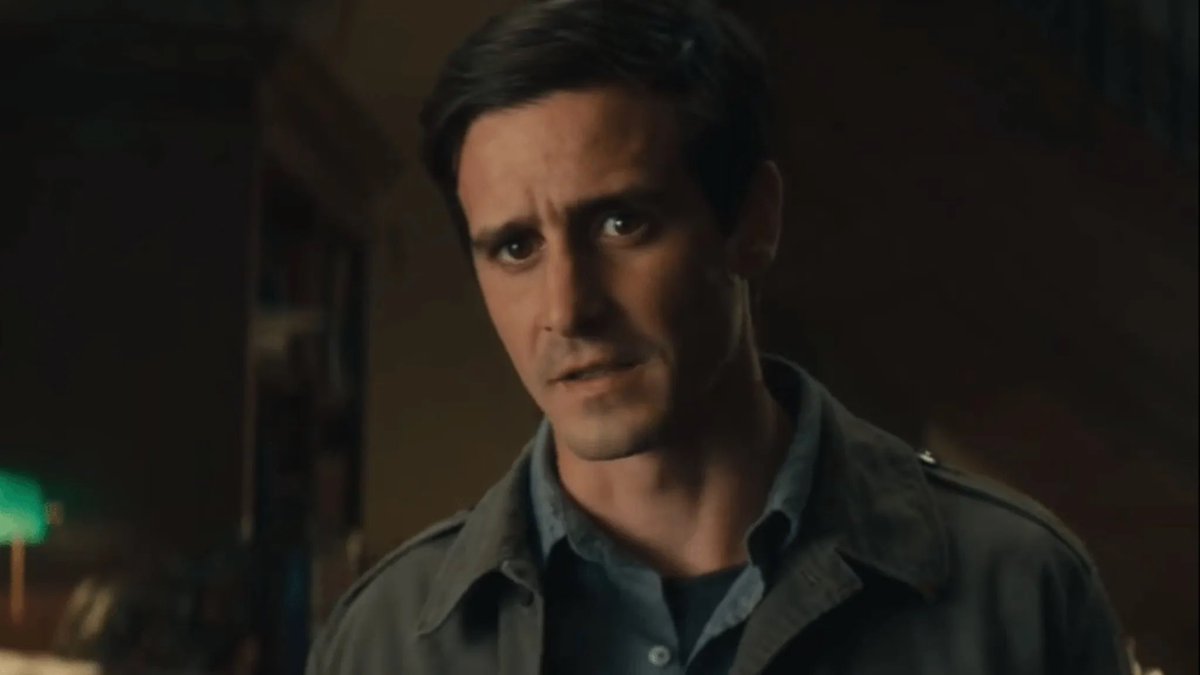
Gone Girl (2014) begins and ends with the same question — “What are you thinking?”
At the start, it feels intimate. By the end, it’s a warning wrapped in a marriage.
David Fincher turns one line into a mirror — closing, tightening, haunting.
Today, Netflix announced our acquisition of Warner Bros. Together, we’ll define the next century of storytelling, creating an extraordinary entertainment offering for audiences everywhere. https://t.co/rXPFMNIs1A