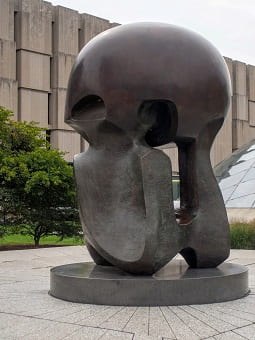
@Math_files Henry Moore's 1967 statue commemorating it out front of the bruatalist Reggenstein and modernist Mansueto libraries and Max Palevsky dormitories which now sit on top of where Stagg Field once stood.
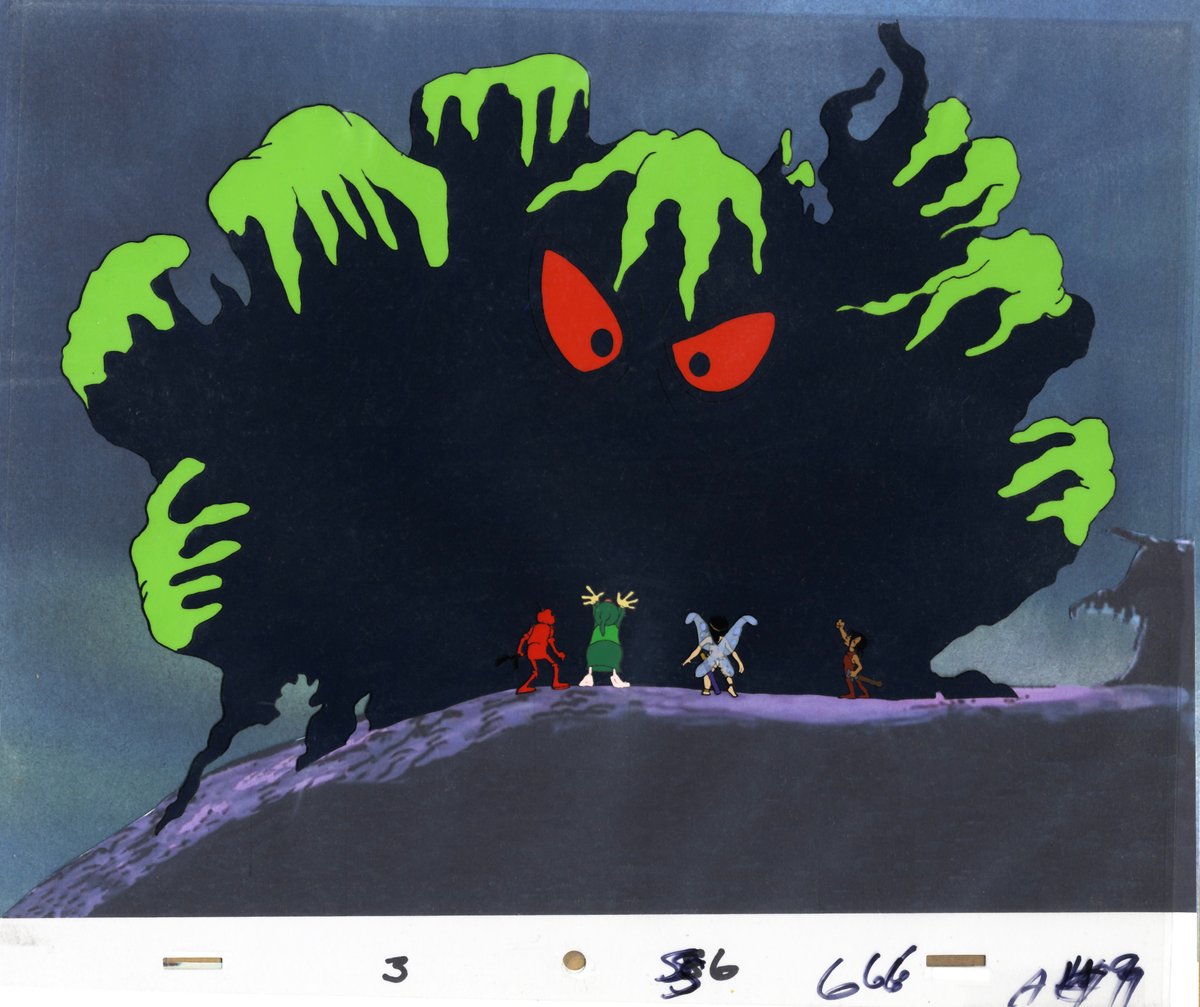
@RetroMemoriesHQ MM improved the game engine's z targeting so the fights were better. It also leaned very heavily into some very dark themes and innovative story telling and puzzle solving. It's all irrelevant without OOT before it though, and that kind of puzzle solving is not for everyone.
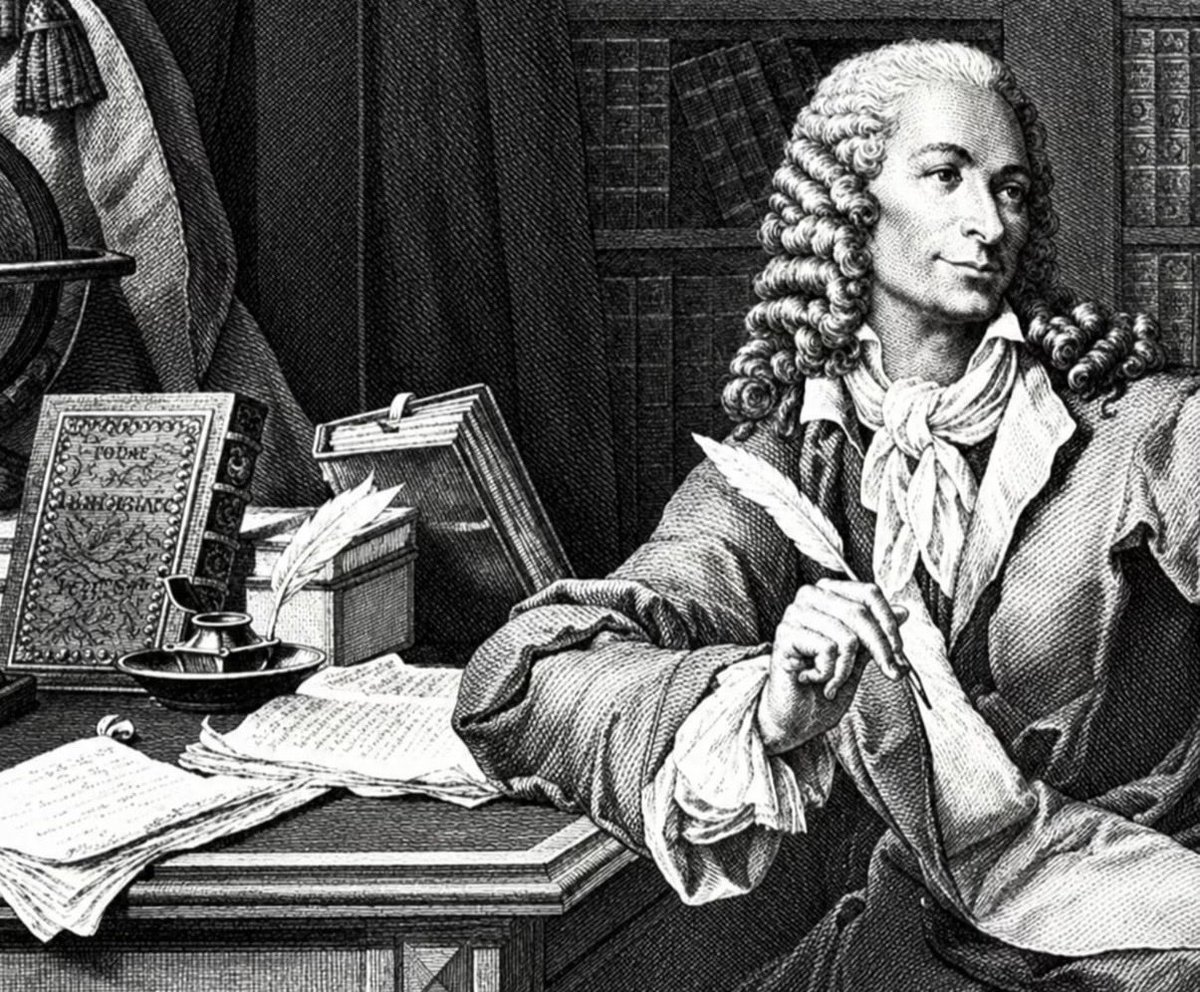
“The more I read, the more Iacquire, the more certain I am that I know nothing.”
- Voltaire
Voltaire (1694–1778) was a leading French writer, philosopher, and satirist of the Enlightenment. He became widely known for championing freedom of thought, religious tolerance, and civil liberties while using wit and satire to challenge powerful political and religious institutions.
His outspoken writing frequently brought him into conflict with authorities. Voltaire was imprisoned in the Bastille, spent time in exile in England, and continued facing controversy throughout his life. Rather than silencing him, these experiences strengthened his determination to write, and he emerged as one of the Enlightenment’s most influential thinkers.
Through works such as Candide and Letters Concerning the English Nation, Voltaire criticized intolerance, fanaticism, injustice, and the misuse of authority. His writings contributed significantly to Enlightenment discussions surrounding reason, individual liberty, and tolerance, leaving an influence that continued long after his death.
🚨 #BREAKING: NYC officials investigating the sewer system after multiple people were spotted climbing out of the sewers this morning before "heading north"
An excellent guide, thanks! I find IG especially interesting for problems in economics where many classic duality theorems can be expressed as IG. More generally it taught me to not cling to the coordinate free perspective and find canonical coordinates in invariant families.
https://t.co/Fl4UjEsRJt
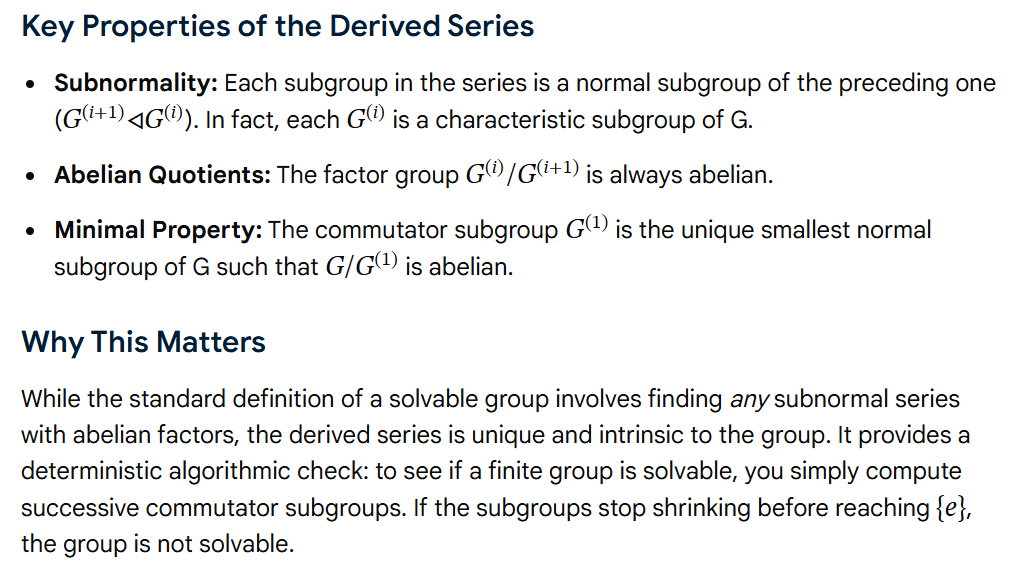
Most intro algorithms use commutators or their conjugations. Literally the definition of solvable
These basic commutators make "Z", "S", "T", or trivial shapes. What is fun is mapping out the shapes of two commutators and commutating them! That is how you can swap any three compatible cubies.
Also they help you solve the harder problem of painting arrows on the center pieces and getting them to point in the direction you want. Not the most efficient, but the clearest and a great way to teach group theory.
Group theory lives inside the cube.
Inverse: R R′ = I. A right face turn followed by its inverse returns the identity.
Order: R⁴ = I. Four quarter turns of one face restore the original position.
Commutator: A B A⁻¹ B⁻¹ ≠ I. Adjacent moves generally fail to commute.
Every cube move obeys these rules.