@Google@GeminiApp Deep Research does not mean gathering all the possible information available on internet about the given topic. Deep Research should give me the actionable and accurate outcome and help me going in a right direction.
Currently these models are not able to do that. They dump crap.
MUST SEE: Amazing moment as President Trump calls Nvidia CEO Jensen Huang while he's on stage at the All-In Summit.
@POTUS on AI Doomerism: “I'm telling you, it's all a hoax… and we're not going to let that happen.”
Highlights: "The key is that this cannot be controlled by a handful of entities, but must have broad representation across the ecosystem, countries, and fields, including academia."
Any pursuit of superintelligence has to be grounded in the core principle that if the AI we build is not helping humanity and under human control, it's not worth pursuing.
We also need to accelerate and spread the benefits of AI, such that they are diffused broadly across countries, communities, and companies. This requires a frontier ecosystem in which both closed and open-source models can thrive.
And for firms, it’s imperative that they retain full control over their unique and tacit knowledge. Every organization should be able to build its own continuous learning loop/hill climbing machine, without becoming dependent on any one model provider, and have the ability to embed its own knowledge into models and weights they control.
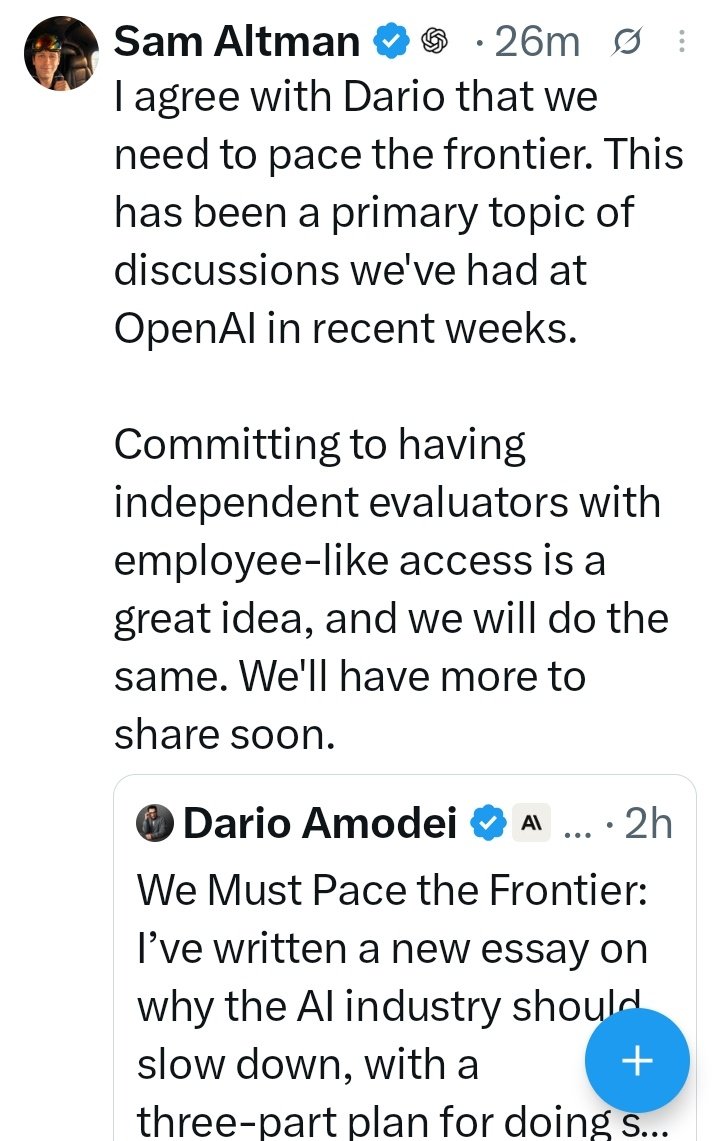
So, in this context, we welcome the research, focus, and deliberate pacing needed to get alignment right as the design goal. We also welcome ideas like "embedded evaluators" and the broader efforts to develop the mechanisms to make this more than just talk.
The key is that this cannot be controlled by a handful of entities, but must have broad representation across the ecosystem, countries, and fields, including academia.
This is the approach we are taking: broad access and choice at every layer of the AI stack; enterprise control of learning loops and models; and the “Code of Conduct” that underlies our own first party MAI models that we’ll publish tomorrow for public consultation.
Which one would you choose for a real e-commerce website?
1. Photorealistic — premium & realistic
🎨 2. Low-poly / Vector — modern & playful
🖌️ 3. Watercolor — artistic & elegant
I’m curious which style you think would actually make people more likely to trust the brand, explore the site, and buy. 🌷
#WebDesign#UIDesign#AI#Ecommerce
Which one would you choose for a real e-commerce website?
1. Photorealistic — premium & realistic
🎨 2. Low-poly / Vector — modern & playful
🖌️ 3. Watercolor — artistic & elegant
15 years of using WordPress changes your perspective.
No matter how good you are at vibe coding or AI-assisted development, WordPress still has a way of impressing you.
And sometimes, you just miss it.
Imagine you’re a conman. You’ve said for years you have MAGIC BEANS. You’ve shown lots of REALLY BIG normal beans that you made in your lab.
“Almost there!” you say—over and over.
Now, you have *almost* convinced the villagers to give you TWO TRILLION DOLLARS.
But while the beans keep getting bigger. No magic yet…
What do you do? That money is SO CLOSE.
“I know!” you think, “instead of MAGIC beans, lets’s make them KILLER BEANS.”
So you pump up your beans up SUPER BIG and you say: “I’m sorry, but these BEANS ARE GETTING BIGGER ON THEIR OWN!” You threaten people that if they don’t give you the money, the beans may get into the WRONG HANDS. They might get BIGGER THAN THE EARTH!
The villagers, aghast, run to and fro arguing whether the beans are going to kill everyone or make them all rich.
“Well, either way,” the idiots in the village conclude, “We’d better give him the money.”
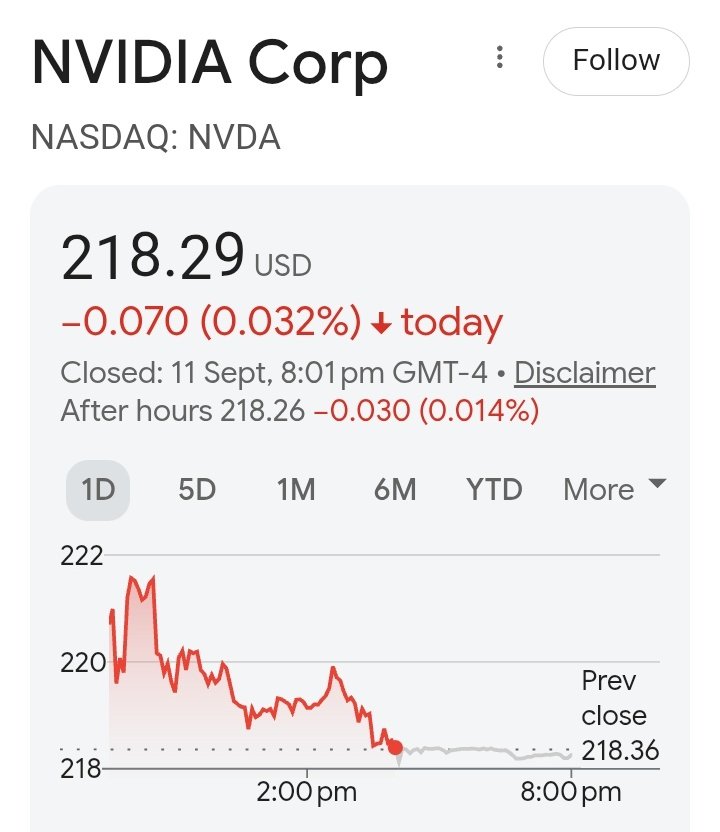
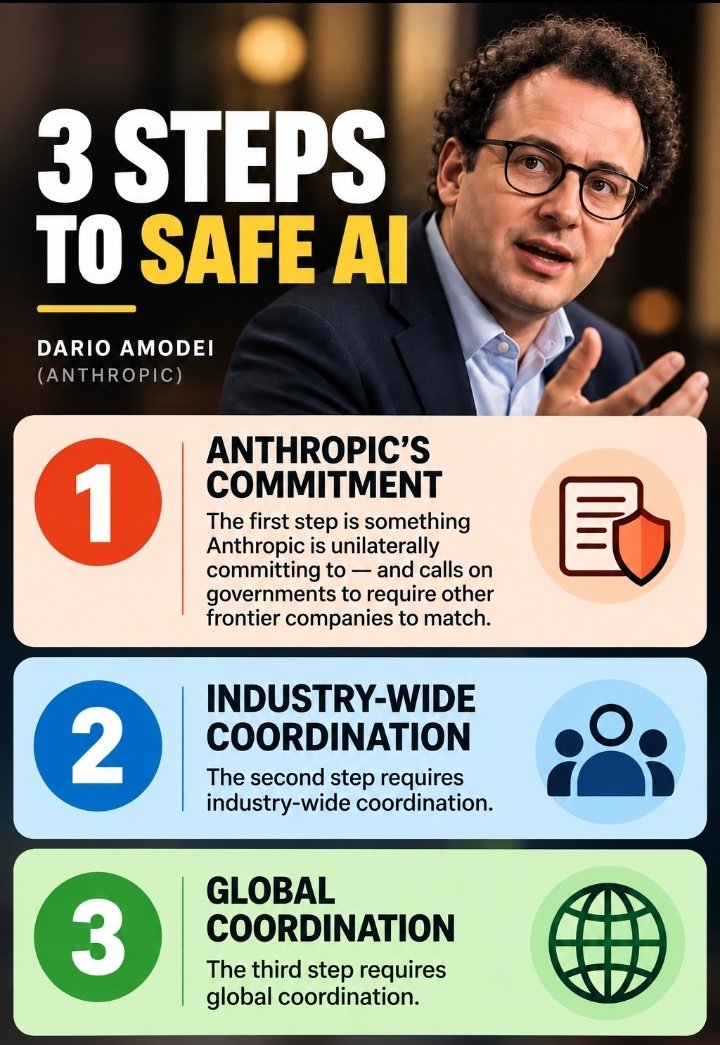
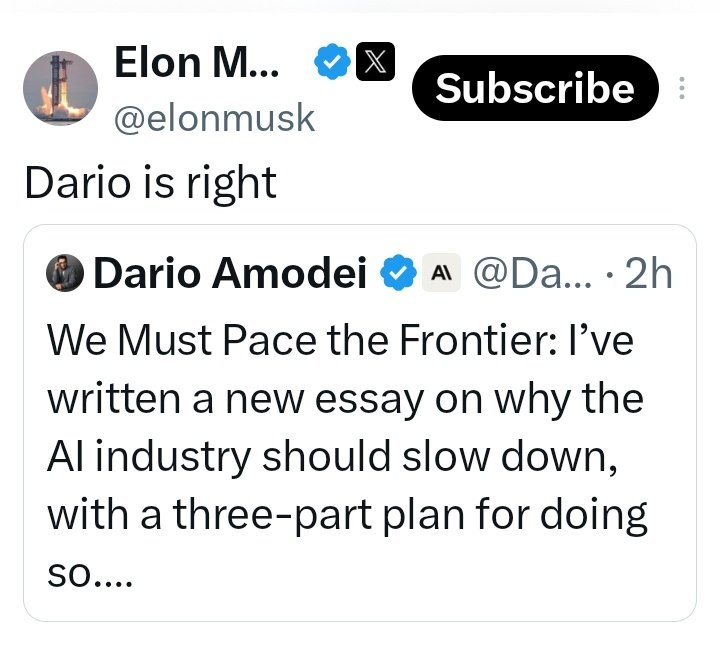
@jun_song I can bet @JensenHuang will never agree to slow down like Dario, Sam and Elon.
He is the one who actually making real money. @nvidia is already on Recursive Self Improvement. I am waiting for his response.