Inteligência artificial desenvolvida na @unicampoficial - A pela professora e pesquisadora @leticiarittner - mapeia danos da #COVID19 em pulmões infectados https://t.co/GDh7JPf8jI
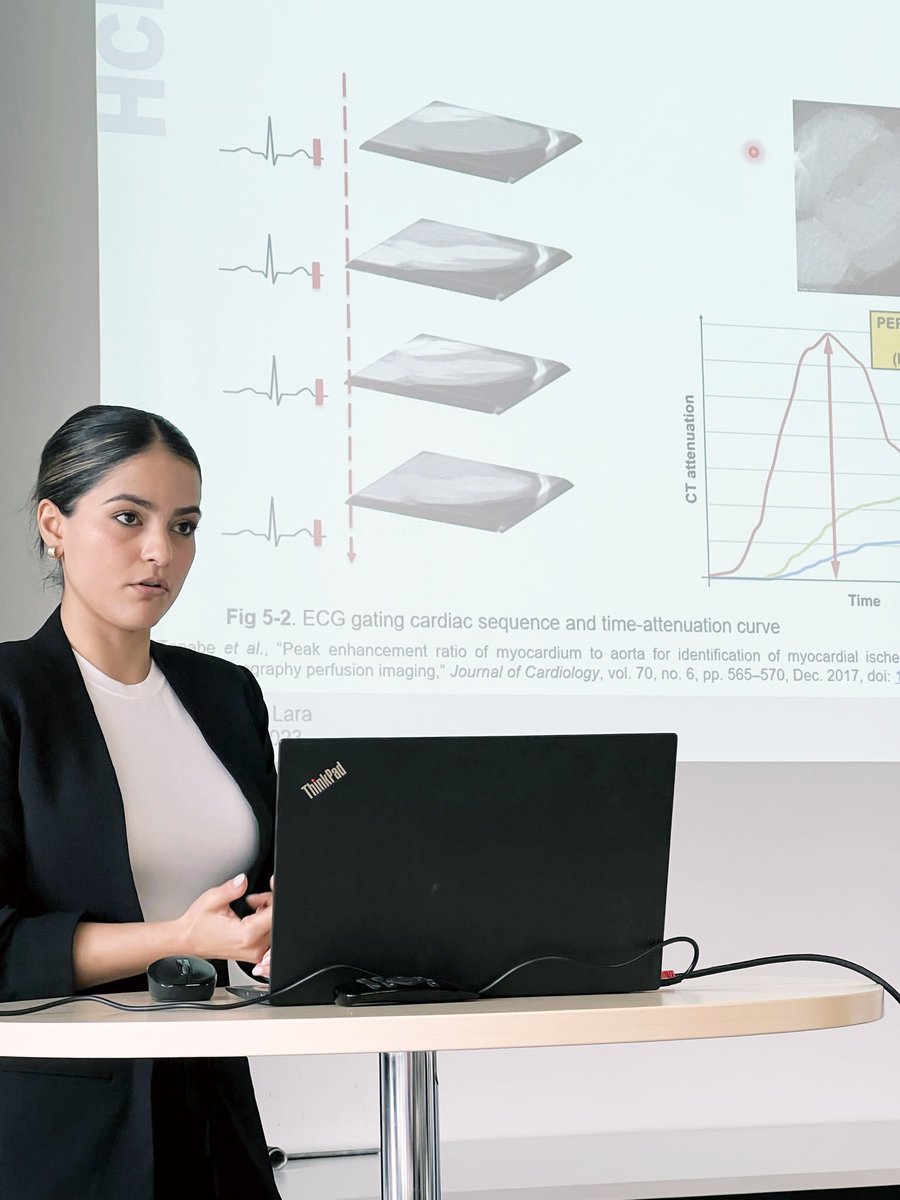
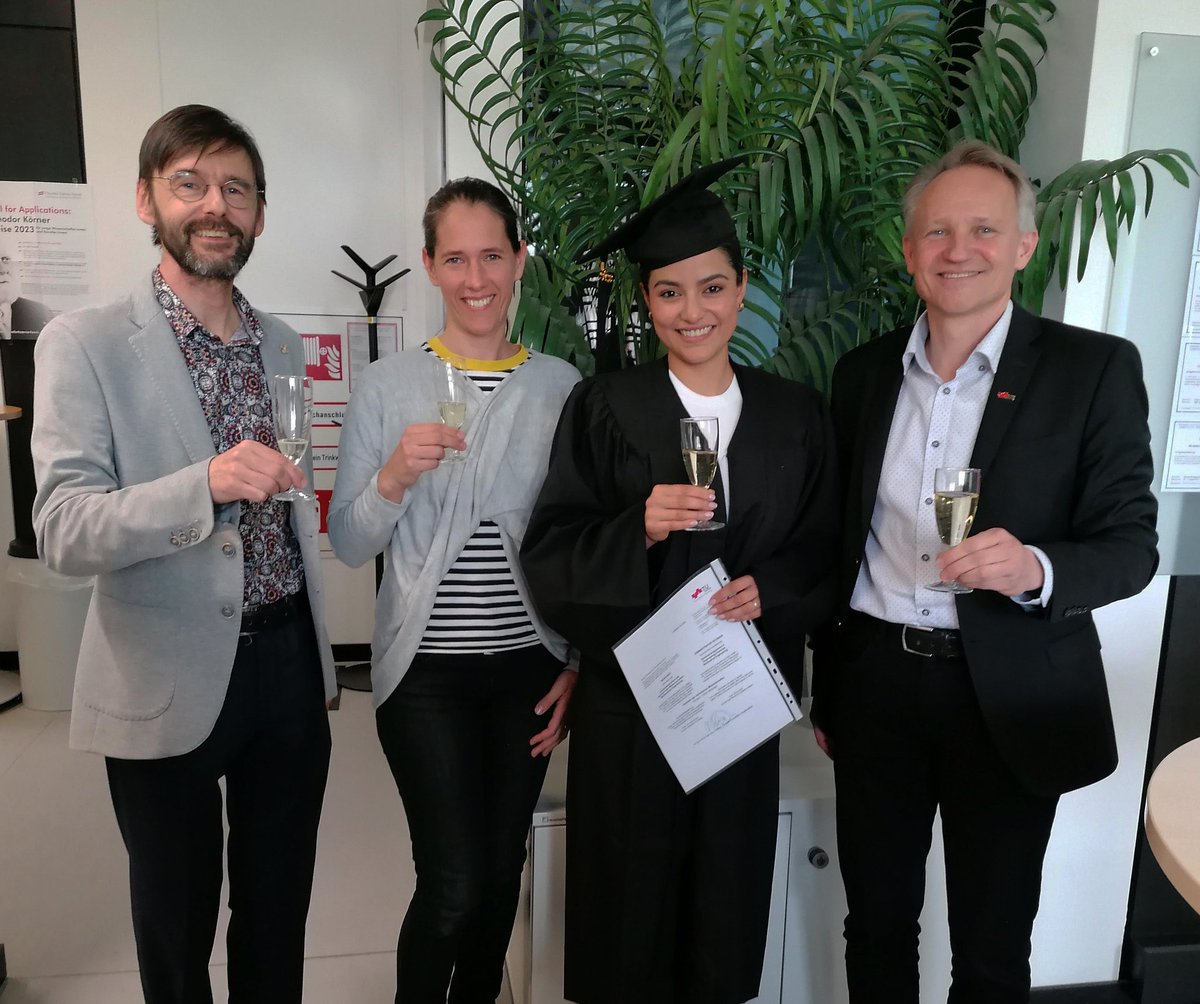
Congratulations Dr. Andrea Lara to a brilliant PhD defense about Deep Learning in Medical Spatiotemporal imaging @tugraz@tugraz_csbme! Fantastic comments by @leticiarittner - Thank you!
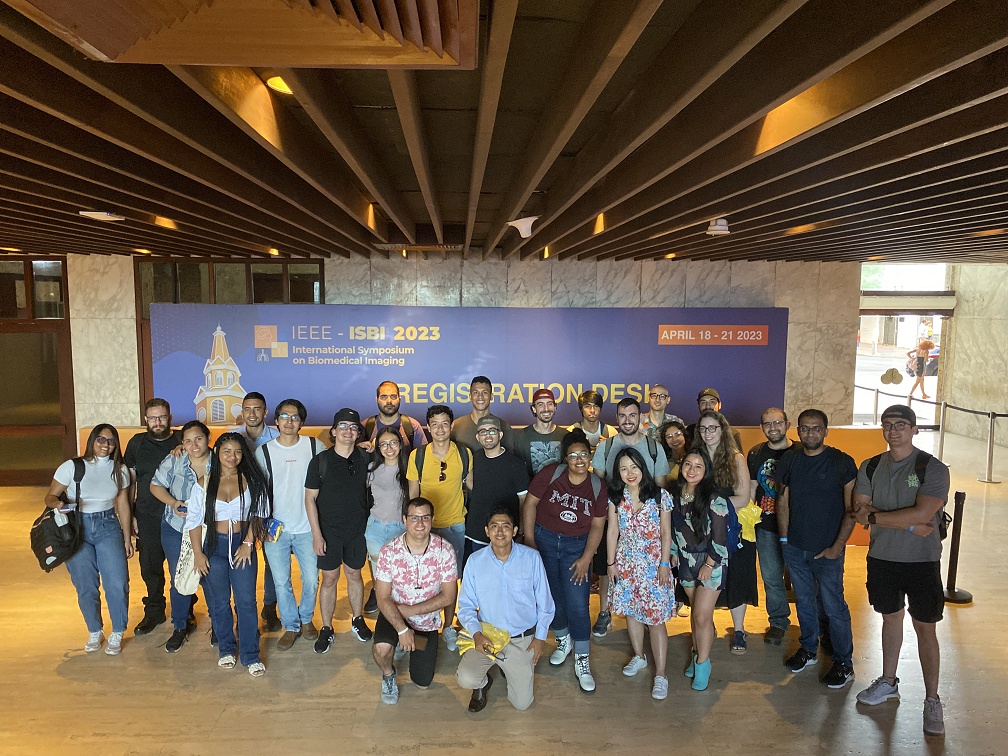
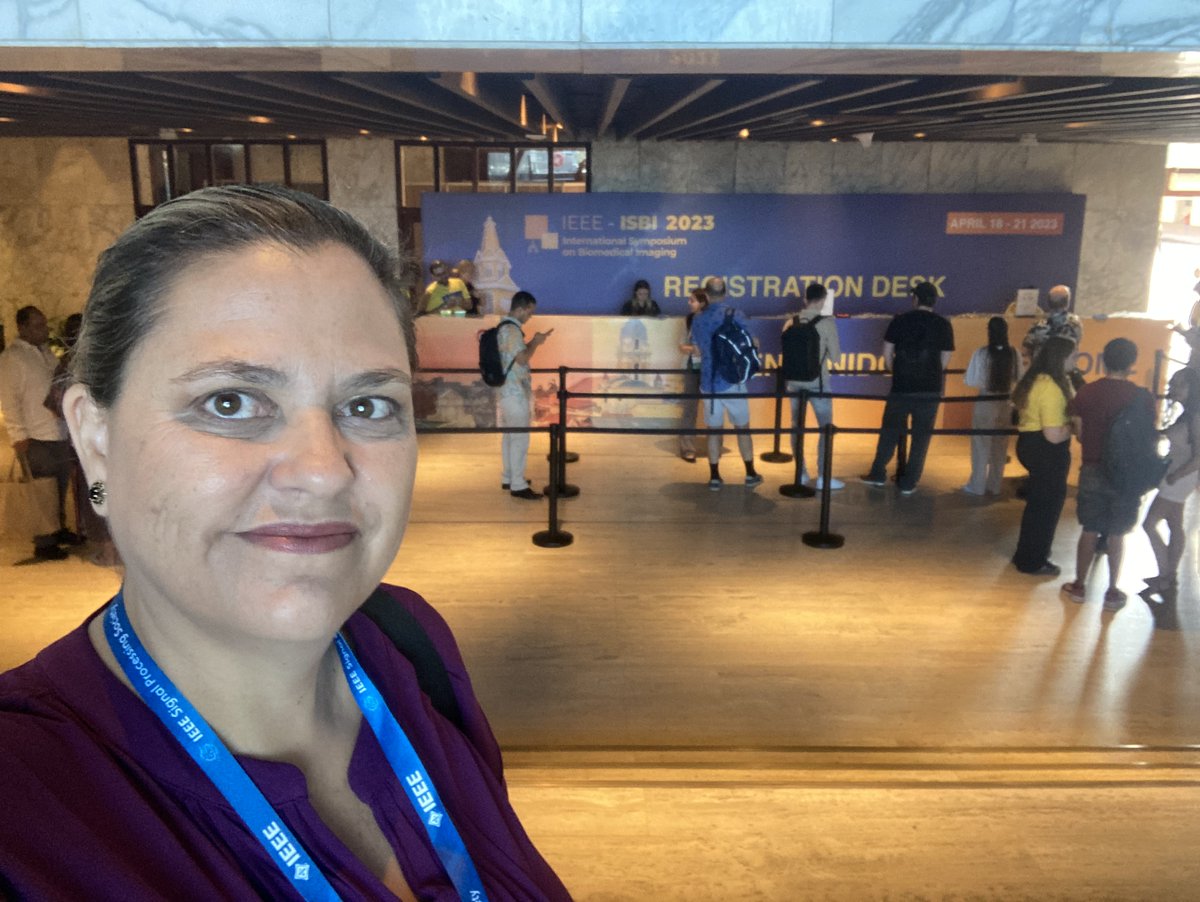
Congratulations to Hanna and Rodrigo on organizing a successful Edited-MRS reconstruction challenge during #ISBI2023 The team Deep Spectral Divers led by @leticiarittner won the challenge!
If you missed it, the presentation slides can be seen here: https://t.co/JtRg8OP753
On the 50th anniversary of the publication of the paper describing MRI, a reminder that the original paper was first rejected ;). Students, residents, fellows, postdocs: Please don't be dejected by rejection; it is part of the game
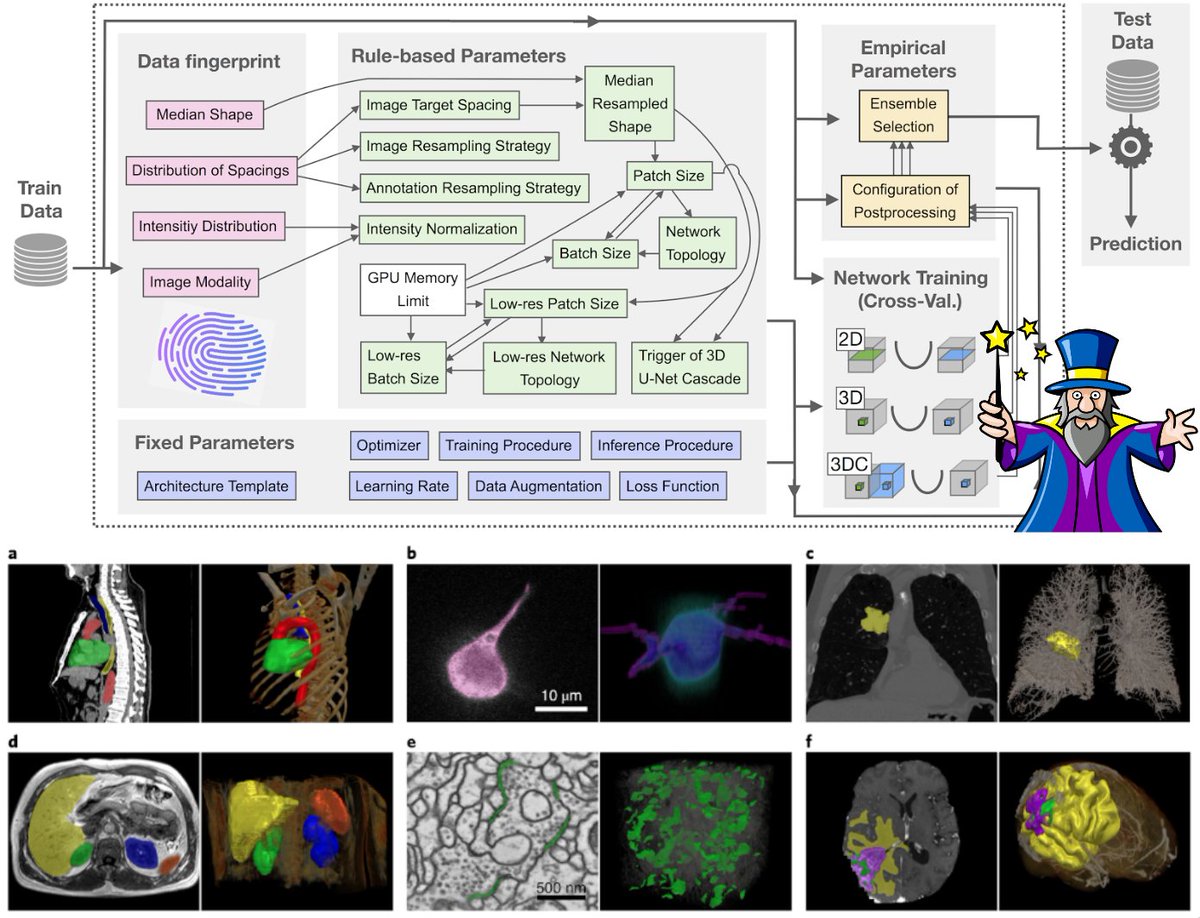
nnU-Net has stood the test of time, continues to deliver excellent results and inspires the community as a framework for building new segmentation methods!
It is with great excitement that we announce the release of nnU-Net V2 🎉😍
➡ https://t.co/hNj6vnhmEP
🧵(1/8)
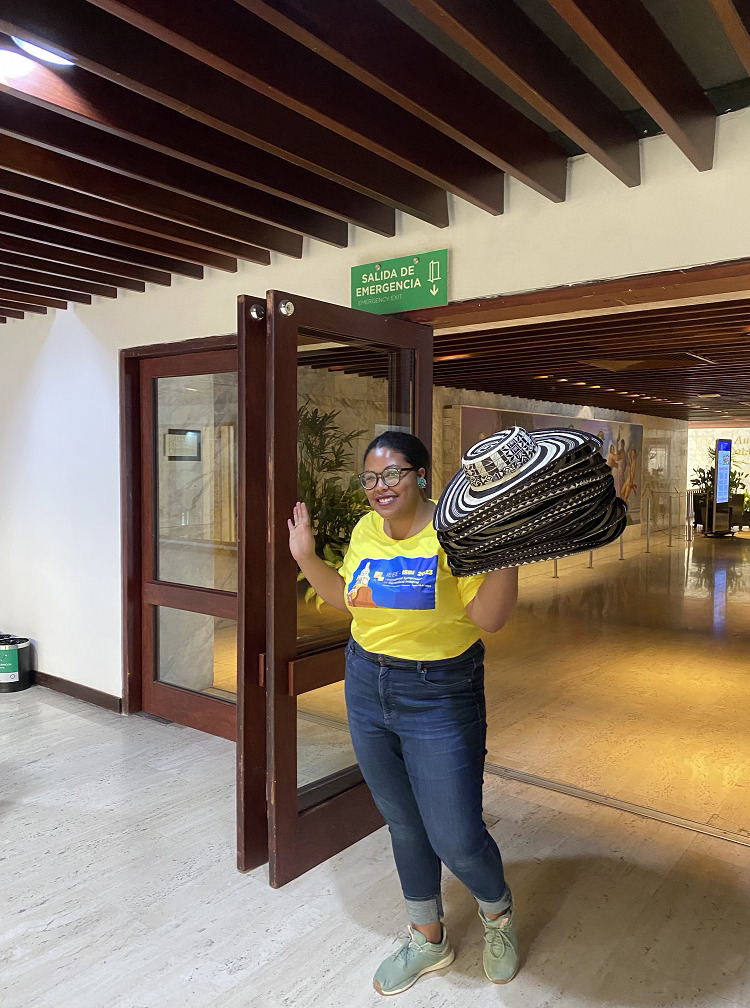
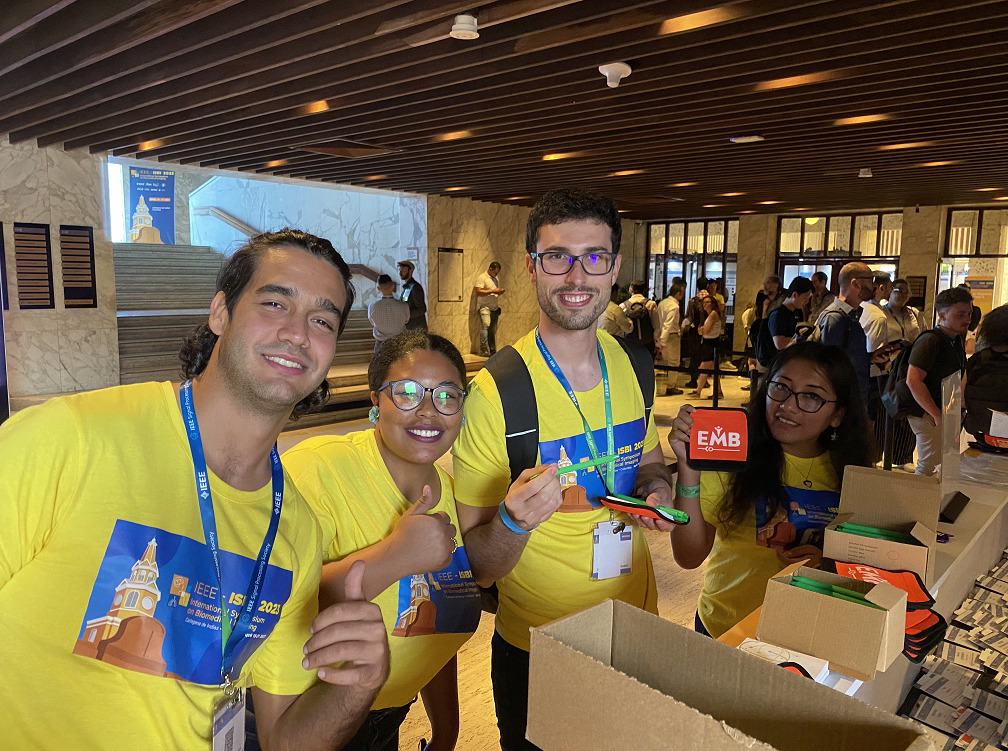
Consider applying to IEEE EMBS-SPS International Summer School Biomedical Imaging in Cartagena (Colombia) 13-17 April, 2023. Lectures by @leticiarittner , @enzoferrante, @AdanGue1 , P. Arbelaez, @_bpaniagua_ , @AlexaLond9705, John Ochoa. @ArrateMunoz https://t.co/PbiaTamcgh
The dataset comes with automatically generated masks for (silver standard) and manual masks generated by experts (gold standard). Data can be downloded from the competition page (https://t.co/DUyFlvVdeH). Details of the code can be found in our github (https://t.co/MLC2bee6Oq).
Are you interested in studying hypothalamic changes through MRI? Or even developing AI-based methods for hypothalamus segmentation? So you should not miss our paper recently published in Neuroimage. https://t.co/IYQBRCt825
#ai#medicalimaging#mri#opensience#benchmark
The paper "A benchmark for hypothalamus segmentation on T1-weighted MR images" makes available not only the CNN model developed, but also all images used, composed by more than 1300 subjects from 4 different public datasets.