Most people have focused on the elimination of potential successors and the purge of the so-called Tsinghua faction. I want to approach this from a different angle: Xi Jinping’s state of mind.
I believe Xi’s mindset has been changing in an increasingly irrational direction, shaped by the political difficulties he faces and changes in his physical and mental condition.
In the past, he valued the loyalty of his subordinates. We might call them “lackeys.” Chen Jining fit that description. There is no indication that Chen had any reason or intention to rebel against Xi. On the contrary, as a potential member of the next generation of leadership, Chen, given his intelligence, should have understood the importance of keeping a low profile and exercising caution.
But the boss’s mindset has changed.
Xi Jinping no longer knows where his enemies are. As a result, he treats anyone with ability as a potential threat, because ability itself has become a potential source of danger. To some extent, his reasoning is not entirely irrational.
Chen Jining, however, belongs to a different category: a capable lackey.
I believe this is at least one of the reasons behind his reported downfall.
The key point is that Xi Jinping now wants only “mediocre lackeys.” He believes he can solve every problem himself. He does not need capable subordinates; he needs subordinates who simply obey. In fact, having too much ability has itself become a liability.
That is the tragedy of Chen Jining.
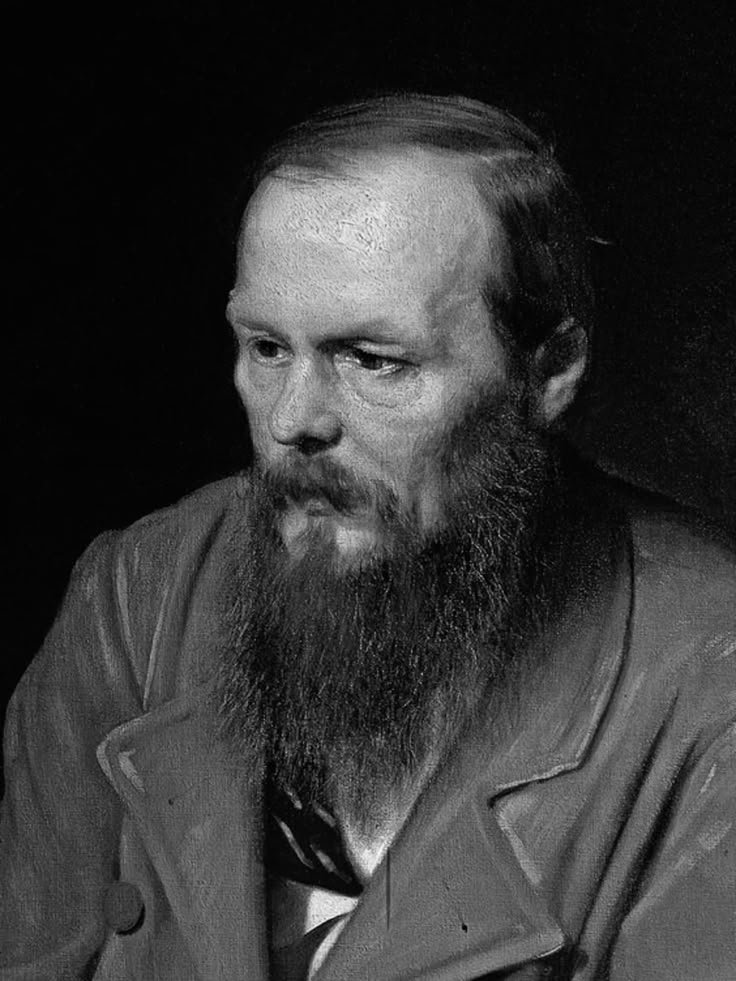
Dostoevsky was 28 when they stood him in front of a firing squad. Blindfolded. Hands tied. He could hear the rifles being loaded.
At the last second, a messenger on horseback arrived. The Tsar had commuted the sentence. The entire execution was staged. Psychological torture designed to break him.
It worked. He had a seizure on the spot.
They sent him to a labor camp in Siberia for four years. Freezing. Starving. Sleeping on wooden planks next to murderers. His epilepsy got worse. He had no paper. No pen. Nothing.
When he got out, he was broke. His first wife died. His brother died. He inherited his brother’s debts. He was so desperate for money that he signed a contract with a publisher that would have given away the rights to everything he’d ever write if he missed the deadline.
He wrote The Gambler in 26 days to make it. Dictated it to a 20-year-old stenographer named Anna. Married her three months later.
Then the real work started. Crime and Punishment. The Idiot. Demons. The Brothers Karamazov. The greatest novels in the history of the Russian language. Maybe any language.
The man who stood blindfolded before the firing squad, who convulsed on the ground while soldiers watched, who slept next to killers in Siberia for four years, who was buried in debt and grief.
That man wrote: "Every minute can be an eternity of happiness."
He earned the right to say it.
It's never over. Never give up, friend.