Bhutan turned the rivers of the Himalayas into a national Bitcoin reserve, worth over 12K BTC at its peak (1/3rd of GDP).
The country used surplus hydropower to mine BTC, turning idle energy into a sovereign asset.
🎥 @Matthias_Reder from @RetteDeinGeld explains at Bluechip25.
🎙️ @LevitBen, Co-Founder & CEO of Bluechip
Attend a workshop with our CEO at Kurier's Festival For Sustainability And Innovation.
From cowrie shells to crypto, the session is an easy introduction to the history and future of money.
📍 Jun 9 | MuseumsQuartier, Vienna
Bluechip ratings are live on Stride.
STRIDE offers the STRIDE OS, a platform to manage clearing, compliance, and settlement of stablecoins.
STRIDE's Stablecoin Regulation Tracker is a public resource that monitors stablecoin laws across 200+ jurisdictions.
There are about 12-15 million Bitcoin miners running worldwide, securing the network at almost 1 billion TH/s hashrate.
Small industrial miners earn around €0.09 per kWh, rising toward €0.20 for the largest rigs.
🎥 @Matthias_Reder from @RetteDeinGeld explains at Bluechip25.
You can't fake energy. That's what makes Bitcoin so hard to attack.
Millions of miners worldwide, from home setups to industrial farms, pour real electricity to secure the network at nearly 1 billion TH/s hashrate.
🎥 @Matthias_Reder from @RetteDeinGeld explains at Bluechip25.
In 2011, holding BTC meant hand-copying a random string with zero room for error.
Then, @SatoshiLabs founders proposed BIP-39 to turn that string into a readable seed phrase, and BIP-44 so one seed secured every address you own.
🎥 @Vaic13 from @Trezor explains at Bluechip25.
Move your wealth across borders and an authoritarian government can seize it through middlemen.
Move it as 12-24 words etched on metal, on paper, or in your head, and no one can take it away. That's what self-custody protects.
🎥 @Vaic13 from @Trezor explains at Bluechip25.
When governments can freeze your funds and exchanges can get hacked, self-custody is no longer optional.
Hardware wallets put full control of your assets back in your hands, delivering on the original promise of crypto.
🎥 Tomáš Vaic from @Trezor explains at Bluechip25.
Most of crypto treats regulation as a burden. But sometimes, that's what institutions need to engage with experimental tech.
External oversight builds trust with users, reframing crypto as legitimate infrastructure.
🎥 Christian Wolf from Raiffeisen Bank explains at Bluechip25.
Moore's Law is the invisible force that drove us from ledger books to blockchains.
Murphy's Law is the reminder that anything that can go wrong, will go wrong. How can banks we navigate this without breaking trust?
🎥 Christian Wolf from Raiffeisen Bank explains at Bluechip25.
Moore's Law says technological progress is exponential. But Murphy's Law guarantees that something will inevitably break.
That's why banks cannot "move fast and break things" while innovating with money.
🎥 Christian Wolf from Raiffeisen Bank explains at Bluechip25
Straight from the trenches, @EtherfuseDave tells you how to navigate Mexican regulators.
IFPE licenses are cheap (~$200K) but take 3+ years. You may want to acquire someone who has the license for ~$10M.
Dave Taylor, CEO of @Etherfuse, on Bluechip Dialogues with @GarettJones.
Tokenized bonds & stablecoins boost the demand for US debt. @Etherfuse offers this to countries like Mexico.
Tokenized government debt = more bond demand, less dollar dependency, more real sovereignty.
@EtherfuseDave, CEO of Etherfuse, on Bluechip Dialogues with @GarettJones.
Dave Taylor: "We chose the final boss of bureaucracy."
@Etherfuse spent years in the regulatory trenches of Mexico. The result is an MXN-denominated tokenized bond called CETES, rated B+ by Bluechip.
Watch @EtherfuseDave talk about it with @GarettJones on Bluechip Dialogues.
Oct 21, 2025 will go down as a historic day for stablecoins.
That's when Fed Governor Waller proposed a "skinny master account" that can allow stablecoin issuers to settle directly at the Fed and earn yield on reserves.
🎥 @GarettJones from @Bluechip_Org explains at Bluechip25.
USDC is rated B+ by Bluechip. One reason it's not rated higher is bankruptcy remoteness.
If @Circle goes bankrupt, can USDC holders claim reserve assets before other creditors like unpaid workers?
🎥 @GarettJones from @Bluechip_Org, explains at Bluechip25.
Stablecoins only scare banks when they become interest-bearing savings vehicles.
GENIUS only bans issuers from paying interest, not third parties like exchanges. That's the fork regulators must resolve.
🎥 @GarettJones, Chief Economist at @Bluechip_Org, explains at Bluechip25.
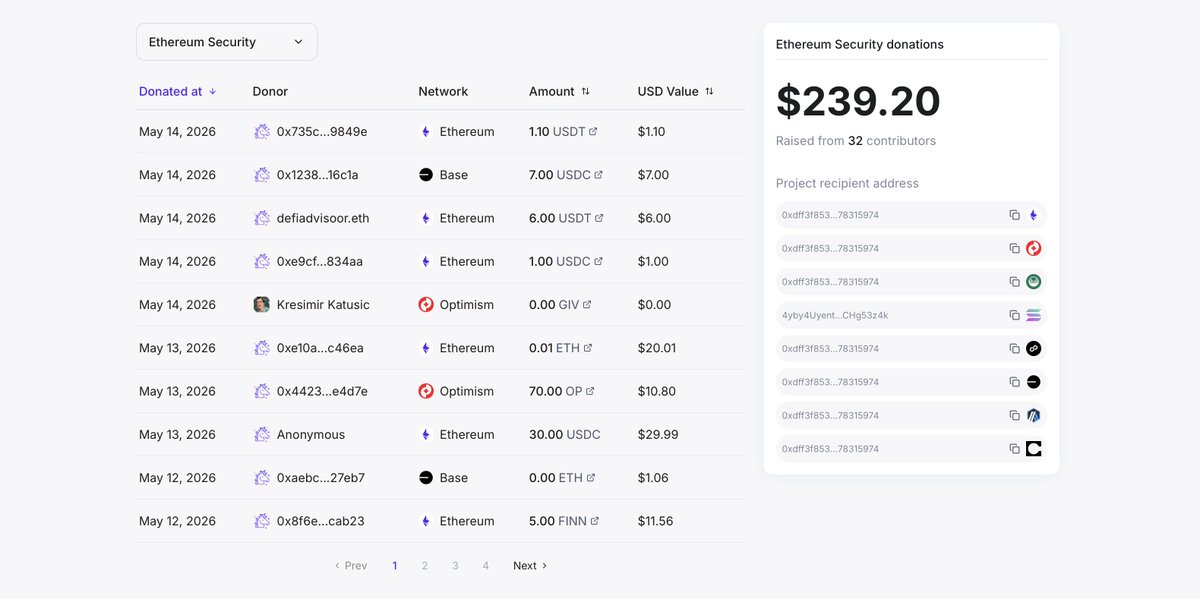
Only 18 hrs left in @TheDAOFund's Ethereum Security round. Huge thanks to all our supporters so far!
Stablecoin ratings are an important layer of Ethereum's security. If you've been meaning to chip in, now's the time.
Support our work via @Giveth here: https://t.co/CSCISmhBW1
Stablecoins have grown to $320B, but the top 5 still have ~90% supply share.
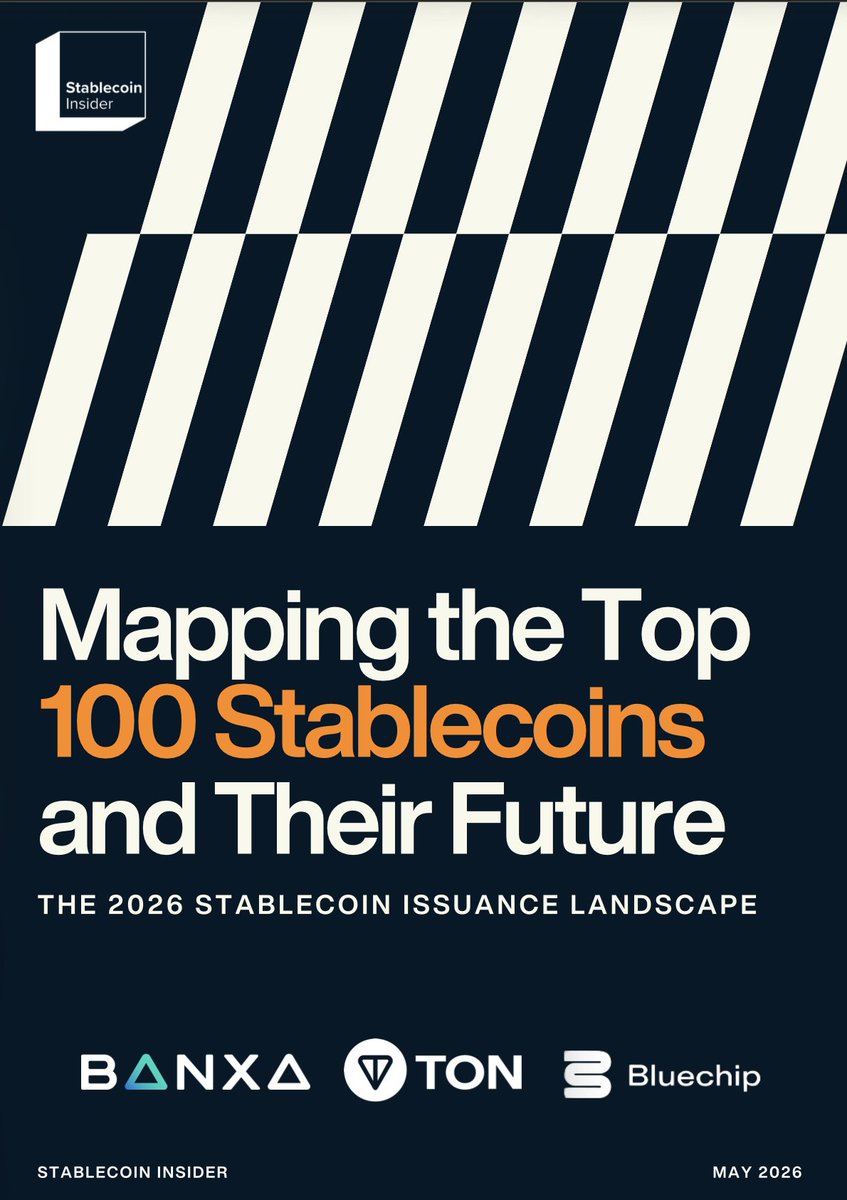
@StablecoinInfo's new report maps the top 100 to find out what works, and what doesn't.
We're happy to have contributed to this report, alongside @BanxaOfficial & @Ton_Blockchain.
Full report below.
NEW Report: Mapping the Top 100 Stablecoins and Their Future with @BanxaOfficial , @ton_blockchain, and @bluechip_org.
This is a structural analysis of the top 100 stablecoins by market capitalization, examining their design models, issuers, infrastructure, and the next wave of stablecoin launches shaping the digital monetary system.
Download the Report at https://t.co/8CjfrVuygC