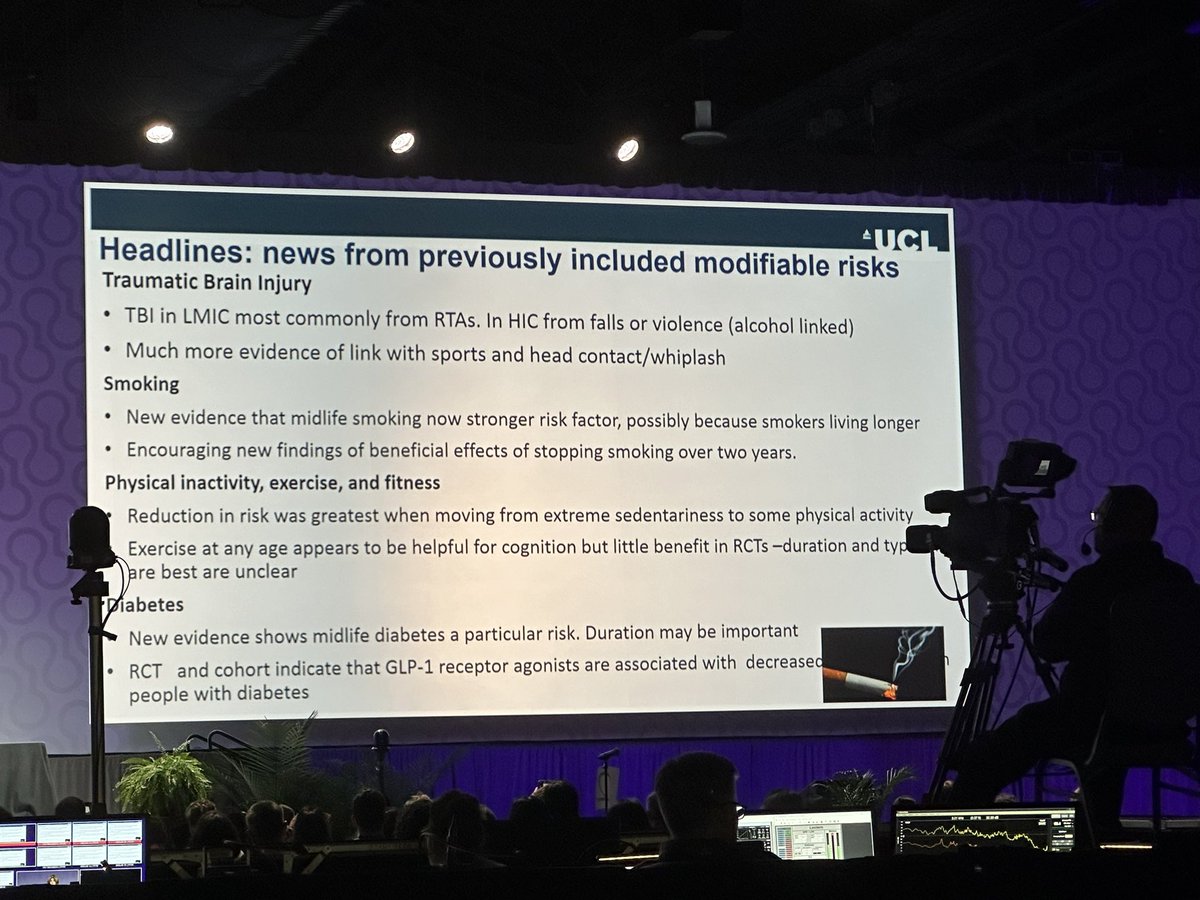
And lastly, the commission reports that midlife diabetes is of particular concern, and the longer it lasts, the worse its impact on dementia risk later in life. The good news is that GLP-1 agonists (ozempic, etc) appear to lower that risk in diabetics. 17/18
Also, in terms of physical inactivity during midlife, the biggest reduction in dementia risk was observed in individuals who went from very little physical activity to some physical activity. So you don’t need to get a six pack…you just need to get moving. 16/18
Some other important updates: midlife smoking is now an even greater risk factor for dementia, possibly because of other interventions that extend the lifespan of said midlife smokers. 15/18
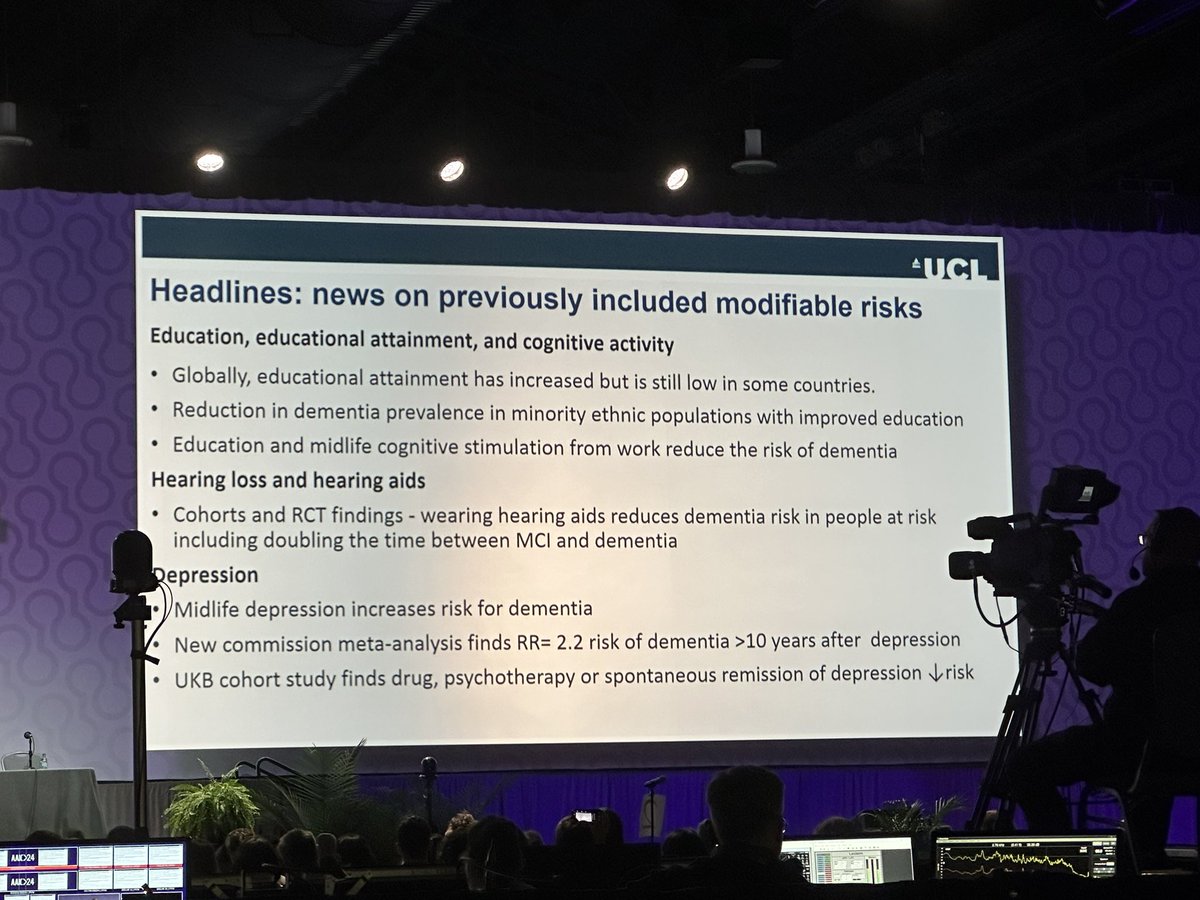
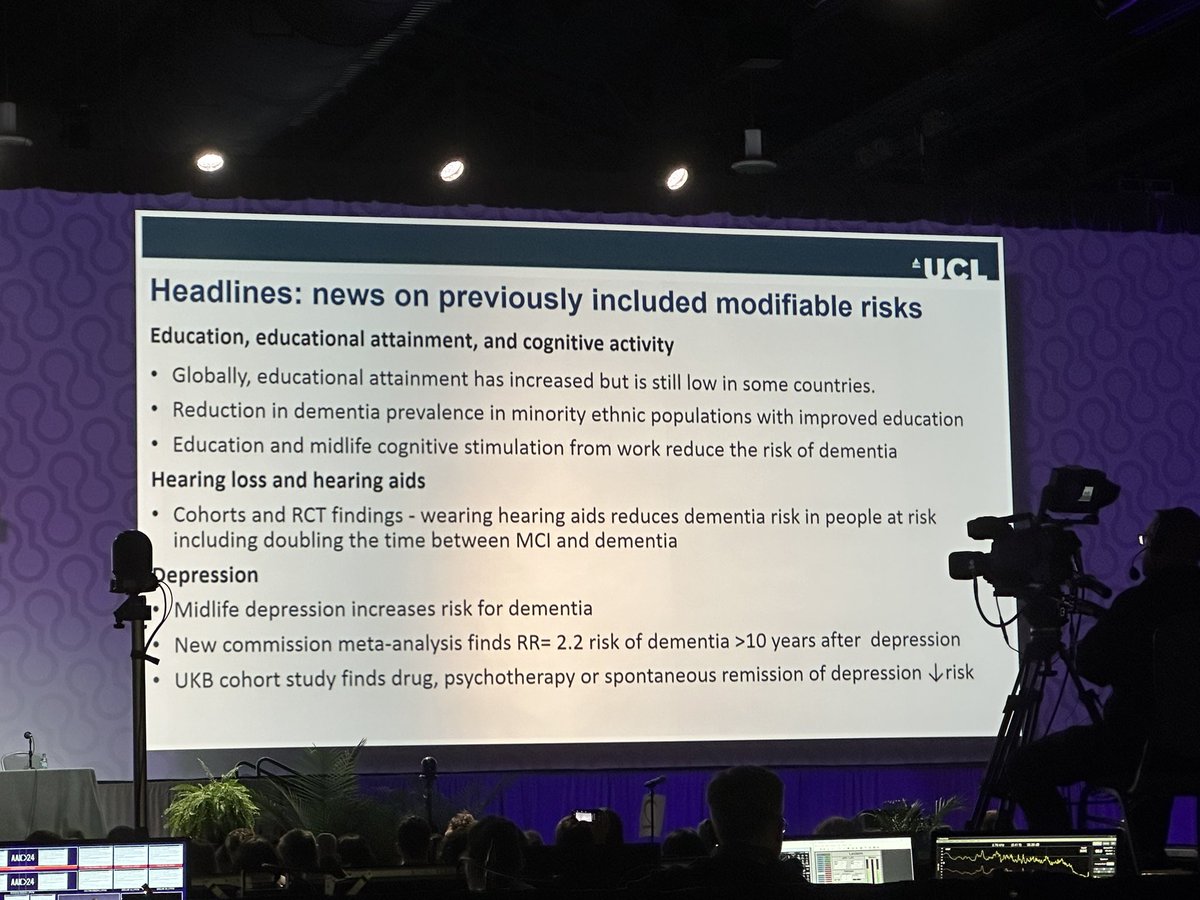
And in reference to midlife depression, it appears that no matter how a person manages to treat their depression (antidepressants, therapy, etc), the results are the same: less dementia risk later in life. 14/18
In reference to midlife hearing loss, Dr. Livingston stated that wearing hearing aids not only reduces overall dementia risk for people experiencing hearing loss, it also doubles the average time from mild cognitive impairment to dementia conversion (from 2 to 4 years). 13/18
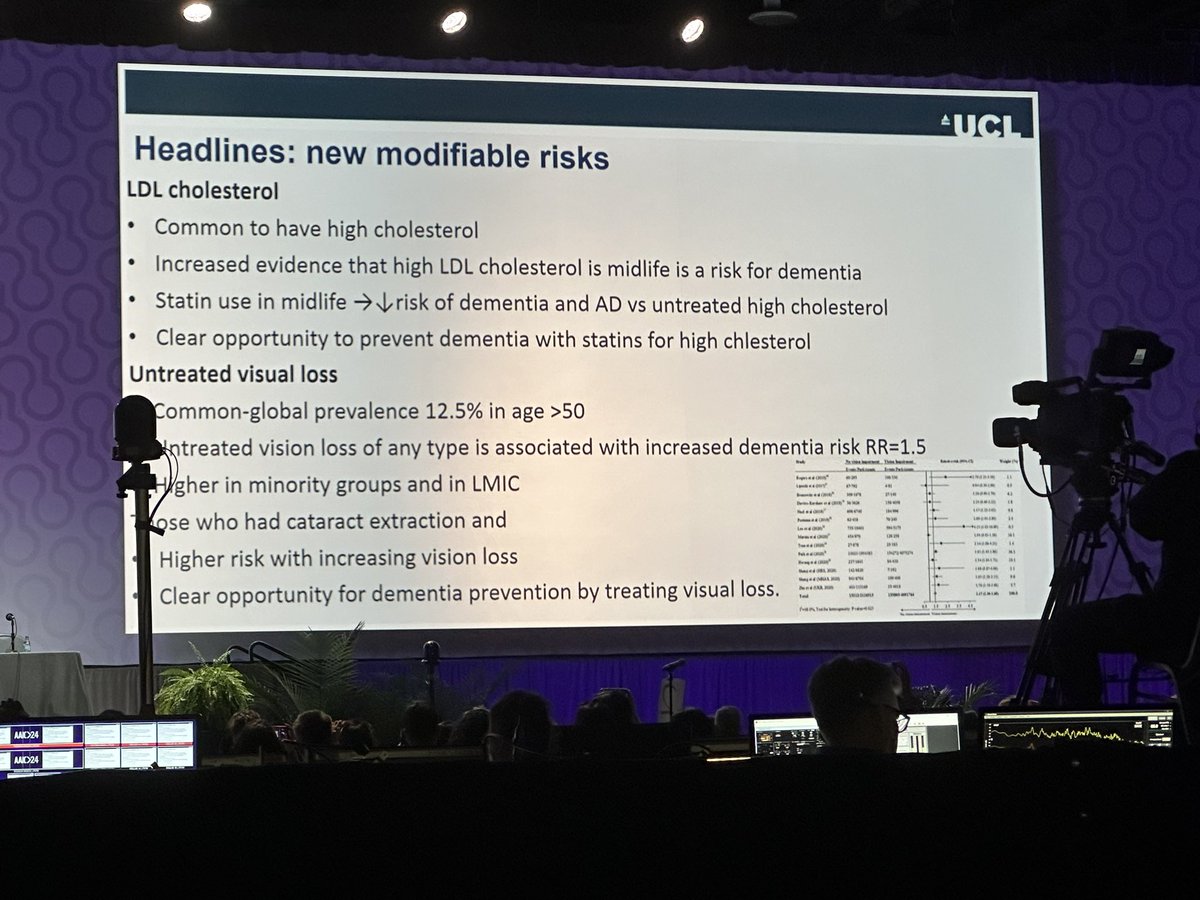
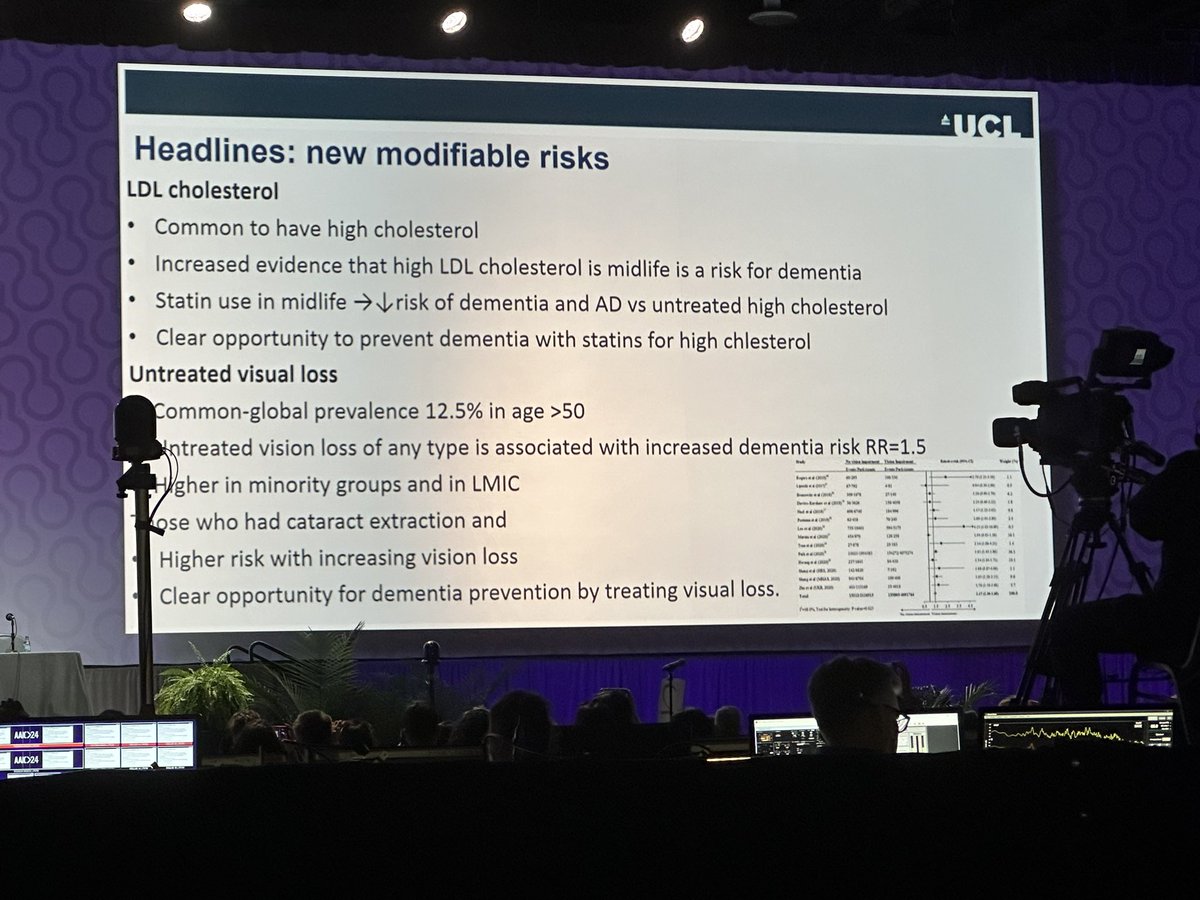
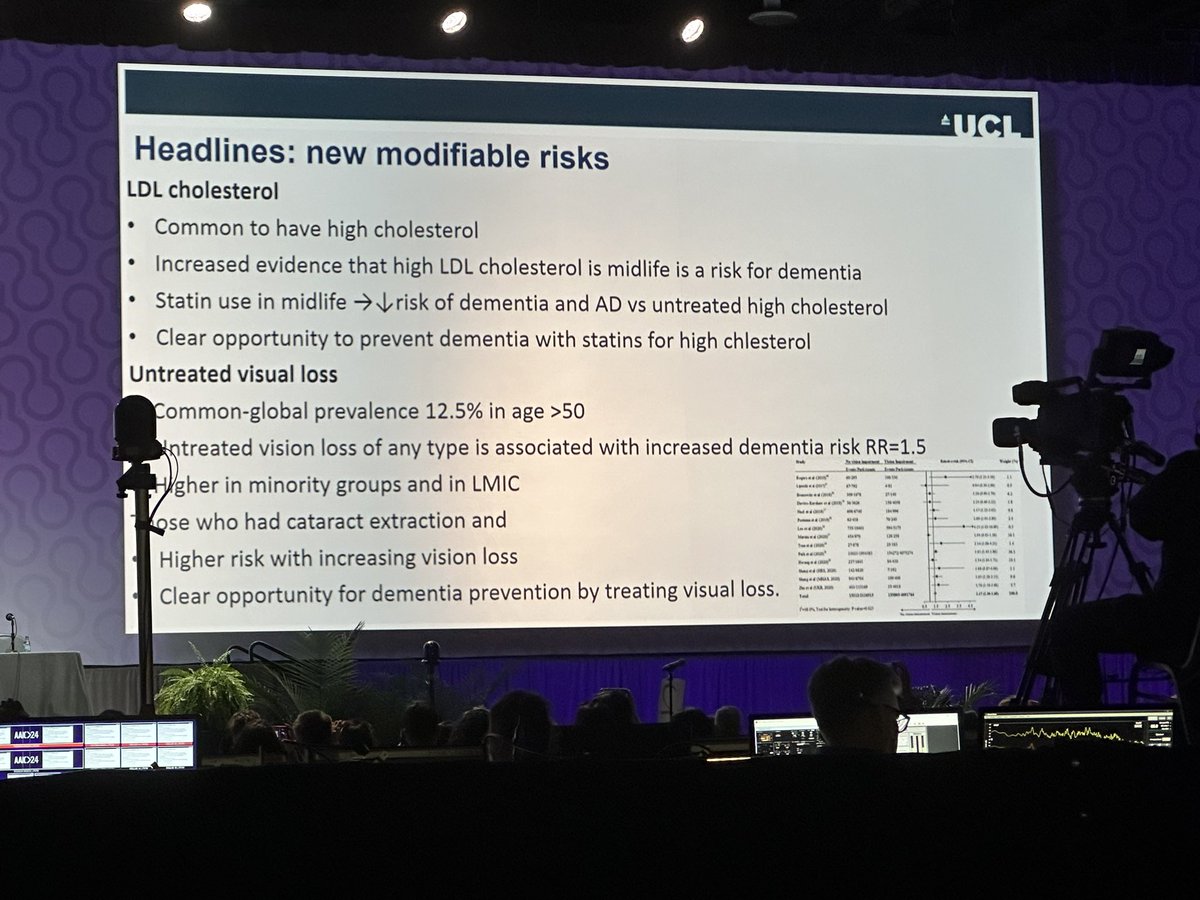
Also, if you or a loved one is experiencing vision loss, get it treated. This appears to be especially important for older individuals from minority groups and in low and middle income countries. 11/18
Of note, the commission confirmed that statin use in midlife (versus untreated high cholesterol) lowers dementia risk. So get your cholesterol however you can…your brain will benefit from it in the long run. 10/18
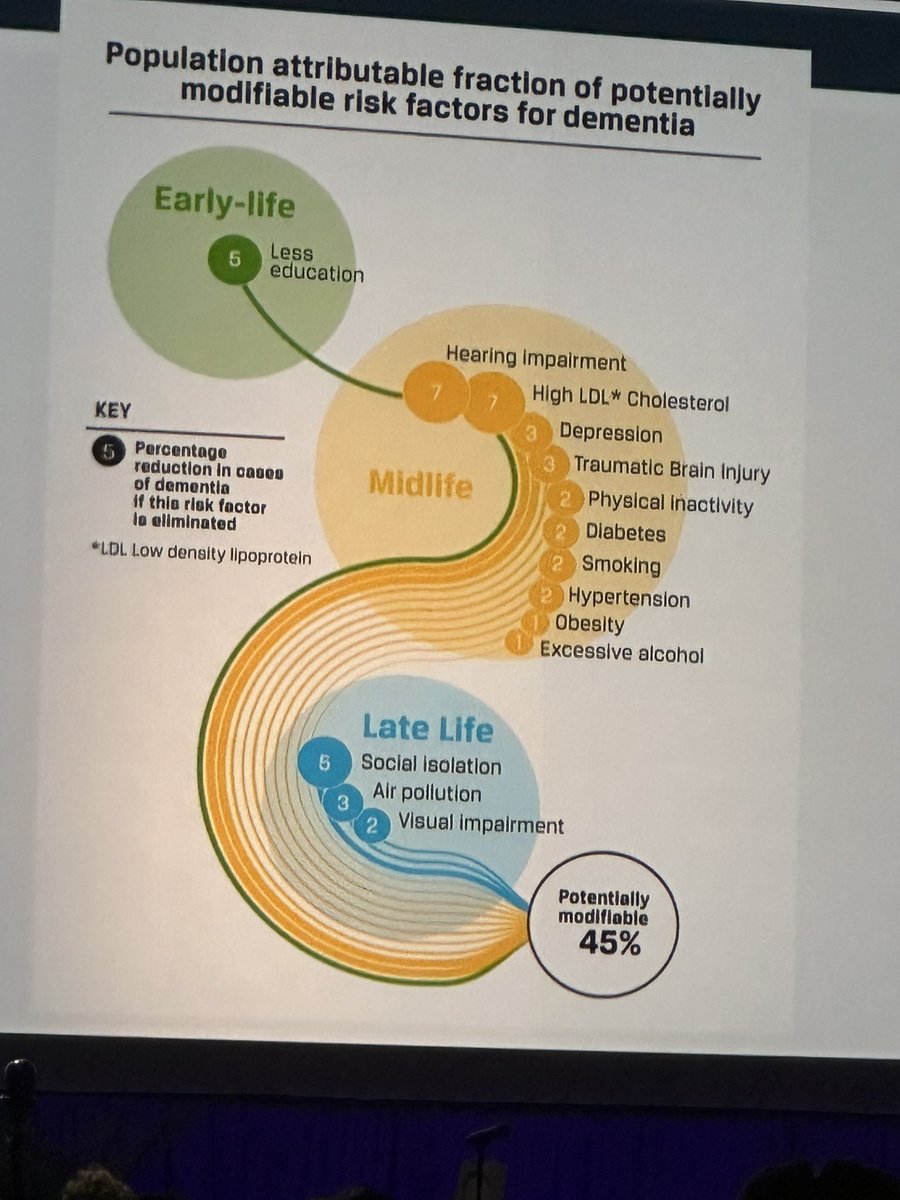
Ok, so now let’s dive a bit deeper into the updates. First off, the commission added two new modifiable risk factors to their previous 12 that they reported in 2020.
1) high LDL cholesterol in midlife
2) late life visual impairment
9/18
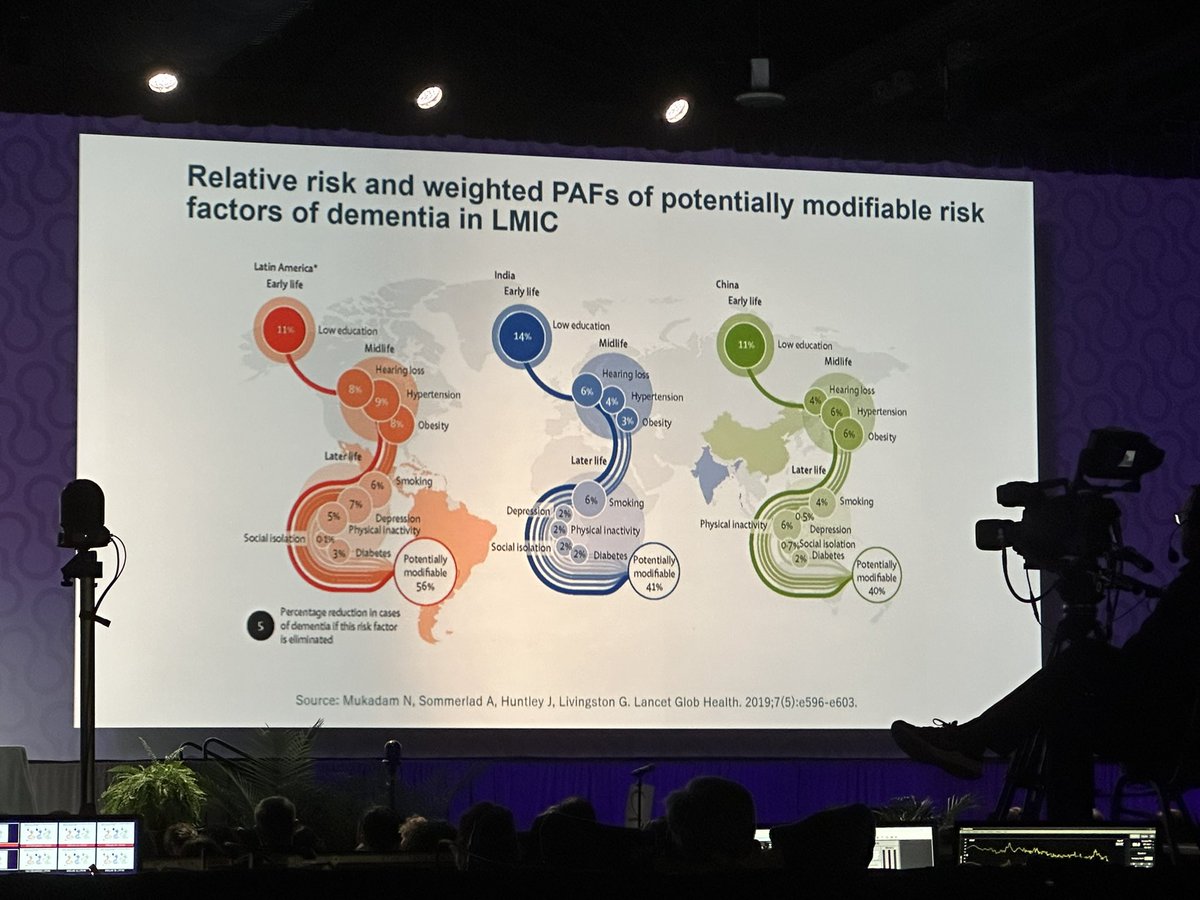
Also important to note, the commission found that the percentage of dementia cases that can be prevented by altering these modifiable risk factors differs by country and region, with some low and middle income countries having higher percentages than the average. 8/18
Also, as shown in the graphic, the commission has determined that around 45% of all dementia cases are potentially preventable by addressing these 14 modifiable risk factors at different stages during the lifespan. That’s a big deal. 7/18
It’s important to note that these 14 modifiable risk factors are likely not the only ones that affect a person’s dementia risk. However, the commission takes an extremely stringent approach, only accepting new factors if they meet a very rigorous standard of proof.
6/18
9) midlife hypertension
10) midlife obesity
11) excessive alcohol consumption in midlife
12) late life social isolation
13) late life air pollution
14) late life visual impairment
5/18
Let’s start at the end of the story, with the commission’s new, updated list of modifiable risk factors. After that, we’ll delve deeper into the specific updates. 3/18
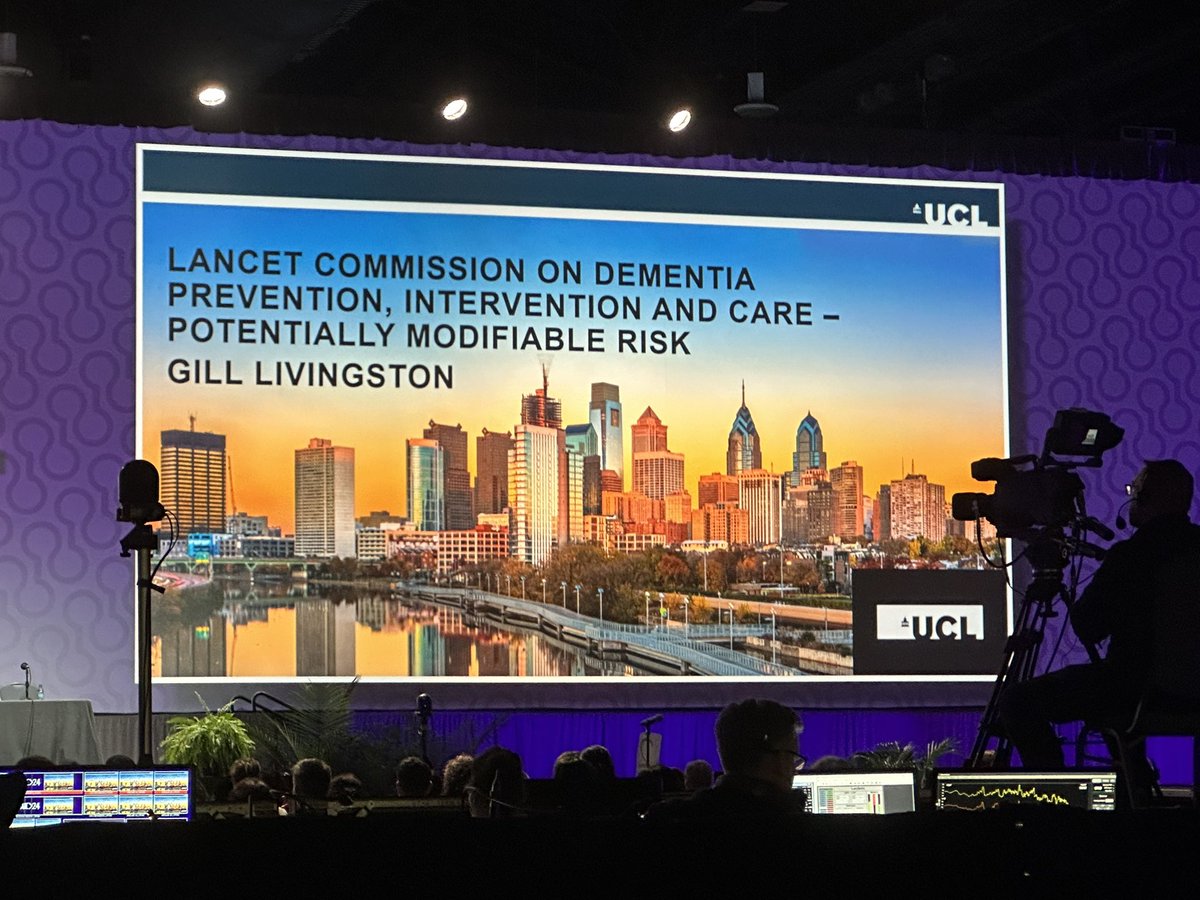
Today at #AAIC24, the Lancet Standing Commission on Dementia Prevention, Intervention, and Care presented their long awaited update on modifiable risk factors for dementia. We LOVE lifestyle interventions for brain health, so we’ve created a thread describing their report. 1/18