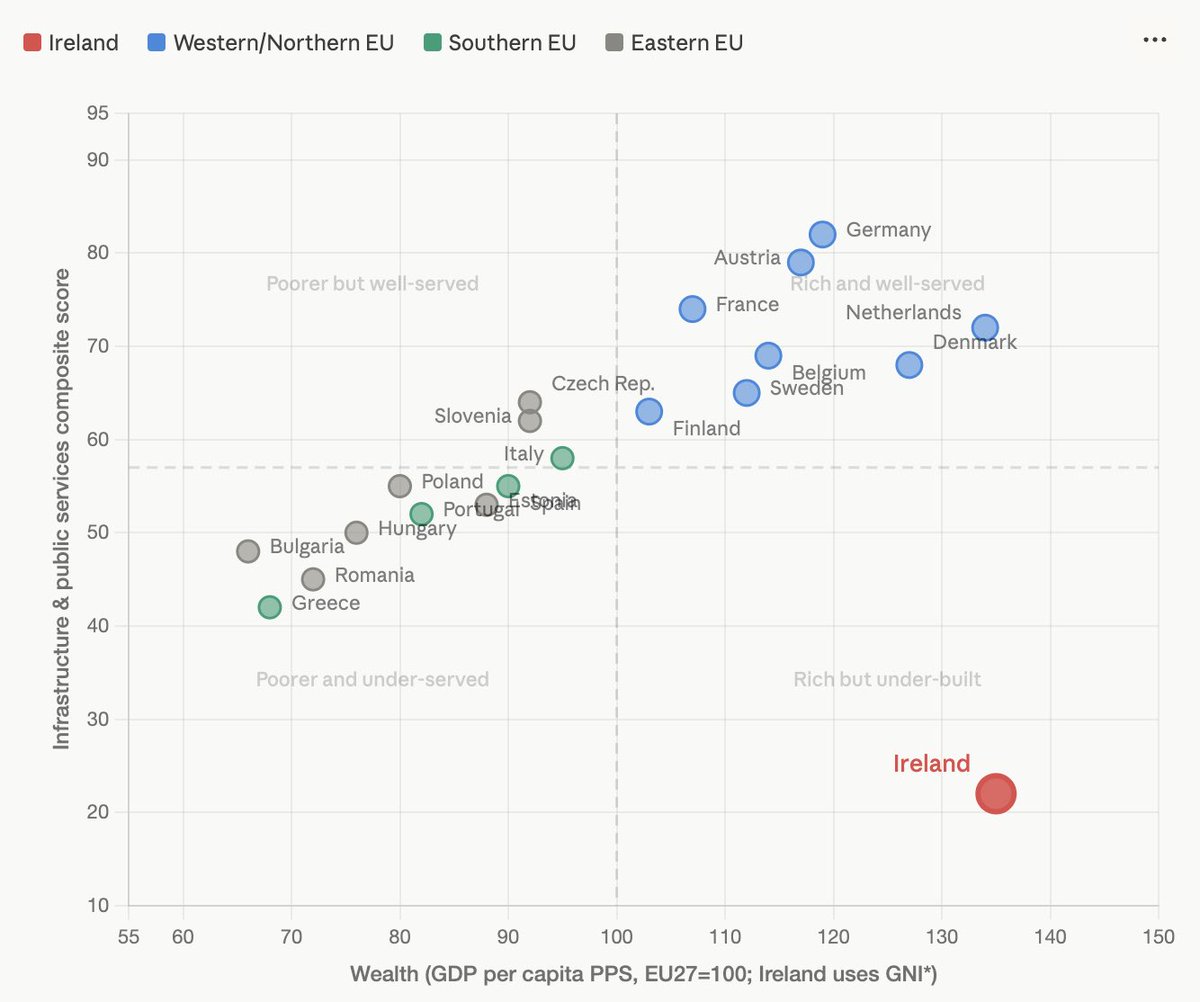
The protests in Ireland are not about just fuel! They are about the distance between Ireland on this graph and every other modern and developed economy. Ireland is second wealthiest but gets waaaaay less than any other country for that wealth. By a golden mile.
That visual gap in this graph? That’s what people are protesting. It’s a lack of infrastructure and the everyday enshittification of services, the economy, and the additional difficulty of trying to live, relative to peers in any other country. It also highlights why people don’t get uniformly listened to! - because there is no government architecture to engage meaningfully across this huge gap.
That gap is a three hour drive to work in traffic, a 14 month wait for an MRI, buses that don’t arrive, trains that don’t exist, schools that have no places for your kids, houses that are unaffordable, pubs that close before midnight, €12 sandwiches, expensive fuel.
People feel this gap, even if they can’t explain it precisely. And that builds into resentment, and ultimately protest. Fuel just happened to be the next thing that could be pointed to, today.
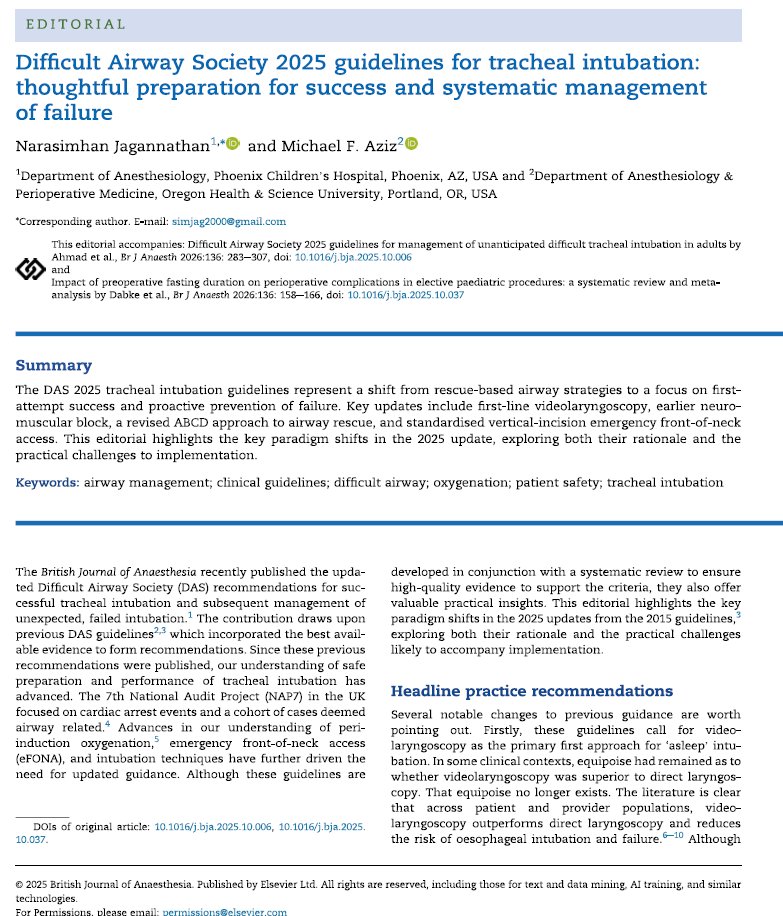
💉The 2026 Anaphylaxis Guidelines highlight something uncomfortable for all of us in acute care:
we do not fail because we lack knowledge, but because we fail to act on what we already know.
Across 12 international guidelines, there is almost perfect agreement on one point:
intramuscular epinephrine is the first and most important intervention⚠️. Yet in real practice, it remains significantly underused, often replaced or delayed by antihistamines or corticosteroids, therapies with no evidence for acute life saving benefit
This gap between evidence and behavior is the central clinical problem.
From a bedside perspective, three insights are particularly relevant:
First, diagnosis remains the main bottleneck, not treatment.
The guidelines clearly show that variability in diagnostic criteria, especially in patients without skin manifestations or in infants, leads to hesitation. Clinically, this reinforces a key principle:
-> anaphylaxis is a clinical diagnosis driven by physiology, not by complete textbook criteria. Waiting for skin signs or full multisystem involvement delays epinephrine and worsens outcomes.
Second, the document reframes management from a pharmacologic problem to a systems and education problem.
Underrecognition by clinicians, lack of training in schools and community settings, and poor patient education all contribute to undertreatment. In reality, the success of anaphylaxis management depends less on ICU level interventions and more on early recognition and immediate action in prehospital environments.
Third, there is a clear shift toward proactive risk management rather than reactive treatment.
Modern guidelines emphasize emergency action plans, patient carried epinephrine, and structured education programs. This aligns with a broader trend in critical care: outcomes improve when interventions occur before physiological collapse, not after.
An important nuance for critical care physicians is the role of adjunctive therapies.
Antihistamines and corticosteroids are consistently positioned as SECONDARY, non life saving treatments. Their continued overuse reflects a cognitive bias toward treating visible symptoms rather than addressing the underlying hemodynamic and airway threat. Clinically, this is equivalent to treating hypotension in septic shock with paracetamol.
🤓Bottom line:
Anaphylaxis is one of the clearest examples in medicine where the evidence is simple, but implementation fails.
The priority is not new drugs or devices, but closing the gap between recognition and immediate epinephrine administration.
📃Reference
Wallace DV, Immunol Allergy Clin N Am ▪ (2026) https://t.co/VoarNwD7v7
The Station Nightclub fire happened in 2003. No smartphones. No Instagram.
100 people still died because they stood watching the flames, thinking it was part of the show.
I've retrofitted fire safety for some of the largest property portfolios in the UK post-grenfell.
You are confusing stupidity with biology, physics, and catastrophic design failures.
Here is the actual science of what you are watching:
1. When the music keeps playing and staff don't panic, the human brain overrides flight instincts to fit the threat into a normal context. This is called normalcy bias. These kids froze to process conflicting social cues, not to post for likes. They were likely already filming. They were also likely drunk.
2. We explicitly design buildings to account for this hesitation (pre-movement time). Fire safety codes assume people will wait before running. In a compliant building, you can assume up to a minute or two before egress commences. Sprinklers and detection systems are designed specifically to buy that time.
3. The reason the time buffer didn't exist here is the material. That ceiling is polyurethane foam. It doesn't burn linearly; it hits flashover (1,100°F) in under 90 seconds. It's essentially solid gasoline. The room would have exploded for all intents and purposes. Way before anyone could reasonably evacuate.
4. We calculate exit widths based on how many people can physically pass through a door per minute (flow rate) versus how fast a fire spreads. With foam fires, the available safe egress time drops to almost zero. Even if they had reacted instantly, the crowd density would have choked the exits before the room cleared.
5. In any normal building fire, especially one that starts off small, you expect a responsible adult to put it out, or sprinklers to do the same. When there's a pan fire in a restaurant, you don't run out in case the entire building suddenly explodes. No reasonable person should have expected this unless they were the owner and knew how the building was designed.
Those poor teenagers likely passed out from smoke inhalation soon after this video. If they didn't, they would have been caught in a catastrophic explosion as they crammed into the single tiny exit.
They didn't die because of Instagram.
They died because the physics of the fire moved faster than human bodies can physically squeeze through a door, and a catastrophic disregard of safe design principles meant they never stood a chance.
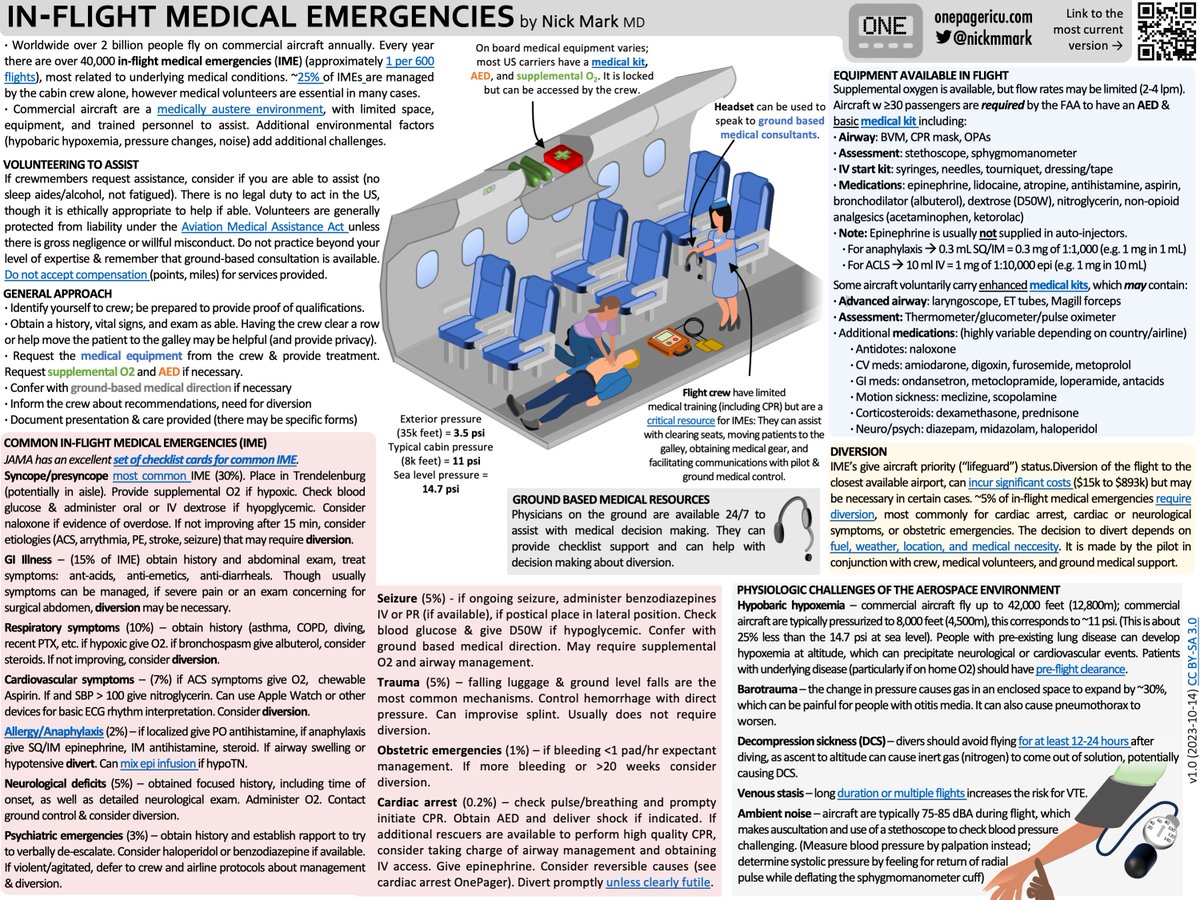
Lots of air travel over the holidays, but what to do if a passenger get sick?
This ICU OnePager covers:
✈️Physiology of altitude
💊Equipment available
👩⚖️Legal considerations
🤢Common in-flight emergencies
🛬When to divert a flight
https://t.co/wZ1vKI3a7s
“Tell me where it hurts.”
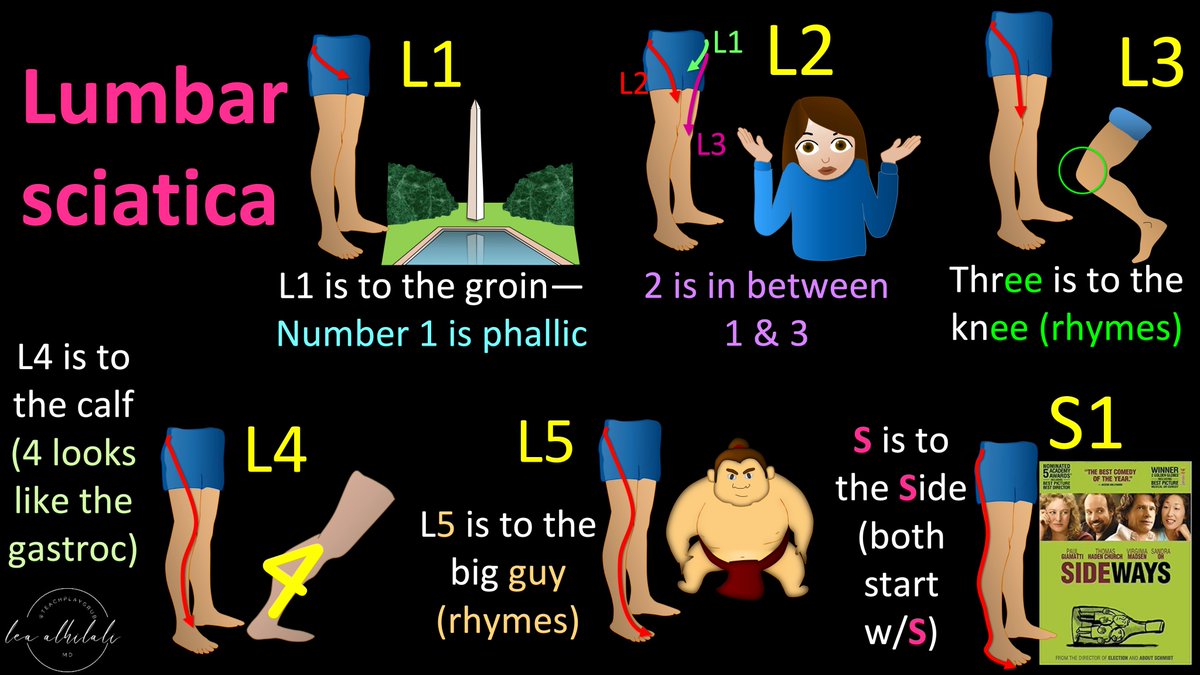
How back pain radiates can tell you where the lesion is—if you know where to look!
Do YOU know where to look?
Here’s how to remember the lumbar radicular pain distributions!
Keep this cheat sheet as a BACKUP for when you are dealing with BACK pain!
➡️L1
🔸L1 radiates to the groin
🔸Remember that b/c the number 1 is, well, um…phallic. So phallic number 1 radiates to the groin.
➡️L2
🔸L2 radiates to thigh
🔸Two is the number between 1 and 3, so the distribution of L2 is between the distributions of L1 and L3—and between the groin (L1) and knee (L3) is the thigh.
➡️L3
🔸L3 radiates to the knee
🔸Remember L3 is to the knee—easy, it rhymes!
➡️L4
🔸L4 radiates to the calf.
🔸Remember this bc the number 4 looks like the calf, 🔸Top part of the 4 looking like a bulging gastroc & the bottom part of the four is the rest of the calf connecting to the ankle.
➡️L5
🔸L5 radiates to the big toe.
🔸Remember the little rhyme “Five is to the big guy!”
🔸L5 is also foot drop. Remember big guys are heavy, and heavy gravity = drop.
➡️S1
🔸S1 radiates to the side of the foot.
🔸Remember this because both S1 and Side start w/S.
So now you know where in the lumbar spine to a look when a patient tells you the pain radiates down their leg!
🚨Remember, there are many variations & this is just a starting guide🚨
But hopefully now remembering the lumbar radicular distributions won’t be a pain in the backside!
Please donate! After a year training, last weekend I did Ironman Barcelona (3.8km swim, 180km bike, 42km run) in aid of the CROSS cancer research charity at St. James's Hospital and Trinity College Dublin. On Oct 29th I'll also run the Dublin Marathon(1/2) https://t.co/awl1tijLEv
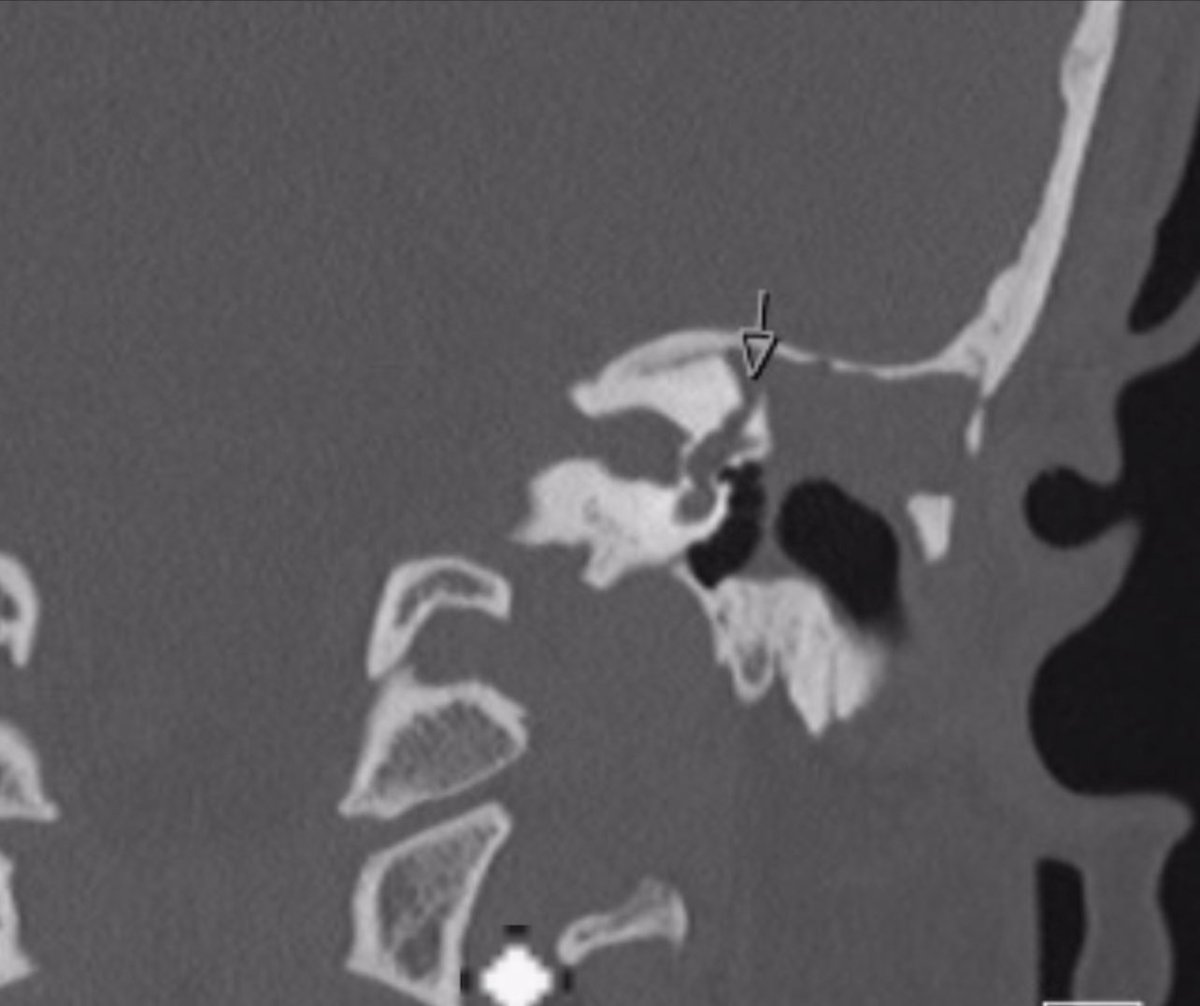
@JohnCraigNose@henryfordent Great topic; not just straight forward; nasal valves/ type of caudal deviation/ tip support: is a septorhino the better option.
A record 170,000 staff left the NHS last year
It doesn’t matter how many NHS staff the government say they will recruit
Without better working conditions they will continue to leave in their droves and there will never be enough
Please RT if you agree
https://t.co/XrHZ8UQMcL
This legislation, if passed by the Dail, would make it legally obligatory for State and the HSE to provide for therapies, interventions and supports outlined in any Assessment of Need in relation to disability. This is potentially transformative. #disability#rights
A thread:
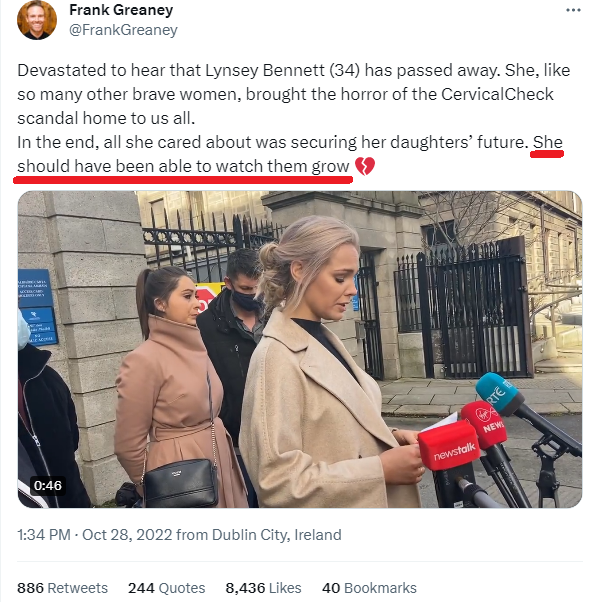
Tweets like this, believing her cancer fully preventable, went viral after Lynsey's sad death, RIP.
Irish media never told the full story though and understandably many deemed it so.
Her cancer subtype was extremely difficult to prevent via screening - and it still is today. /1