⚡Xiaomi announces it has produced 500,000 electric vehicles in just 1.5 years!
🟢2025 sales target: 400,000
🟢Sold 135,000 vehicles in 2024
🟢In Q3 2025, it turned profitable for the first time with a profit of $98 million.
The Chinese tech giant Xiaomi has become the fastest brand in the automotive industry to reach 500,000 units produced/sold. With monthly sales exceeding 40,000 units, the company has accelerated Phase 3 construction at its production campus.
Having sold 108,000 electric vehicles in the last three months, Xiaomi is known to be working on a new SUV codenamed “Kunlun.”
⚡BYD's biggest rival is not Tesla, it's this Chinese one!
📌Sold 173,000 electric vehicles in the last three months.
📌Makes more than 70,000 sales per month. (In 2022, the monthly average was 8–10 thousand)
📌Revenue in the last quarter reached $2.74 billion, up 97% year-on-year. It stands out with a 14.5% profit margin.
📌Declared a total profit of $25 million for 2025.
📌With the start of production in Europe in 2026, profitability is expected to continue thanks to exports.
The Chinese electric vehicle startup Leapmotor has managed to become one of the rare brands to escape the loss-making period. The company, which is growing at a tremendous pace, sold more than 70,000 electric vehicles last month alone.
Leapmotor differentiates itself from rivals such as BYD and Geely with its extended-range hybrid (range-extender) models, while also preparing for rapid growth in Europe thanks to the Stellantis investment made two years ago.
The startup, which manages to sell better-equipped vehicles at more affordable prices than its competitors and still make a profit, also announced that next year it will start producing an electric vehicle under the Hongqi brand for export on behalf of FAW, which is owned by the Chinese state.
⚡ CarPlay support may come to Tesla vehicles!
The Apple CarPlay feature, which is available in almost all modern cars, may soon be introduced for Teslas as well.
According to Bloomberg, the two companies have been working on this integration for some time. It will bring certain features to drivers via a screen that operates like an app within Tesla's own operating system. Only wireless connectivity will be supported.
Essentially consisting of mirroring phone features onto the car screen, CarPlay and Android Auto were previously criticized by Elon Musk for restricting and limiting automakers.
Given that Tesla uses one of the most capable operating systems on the market, a potential integration could result in a lighter version of CarPlay compared to other vehicles.
Bloomberg’s Mark Gurman notes that to use features like FSD, Tesla’s own navigation app would need to be opened instead of CarPlay.
For now, it is stated that there is no work on Android Auto from Tesla’s side.
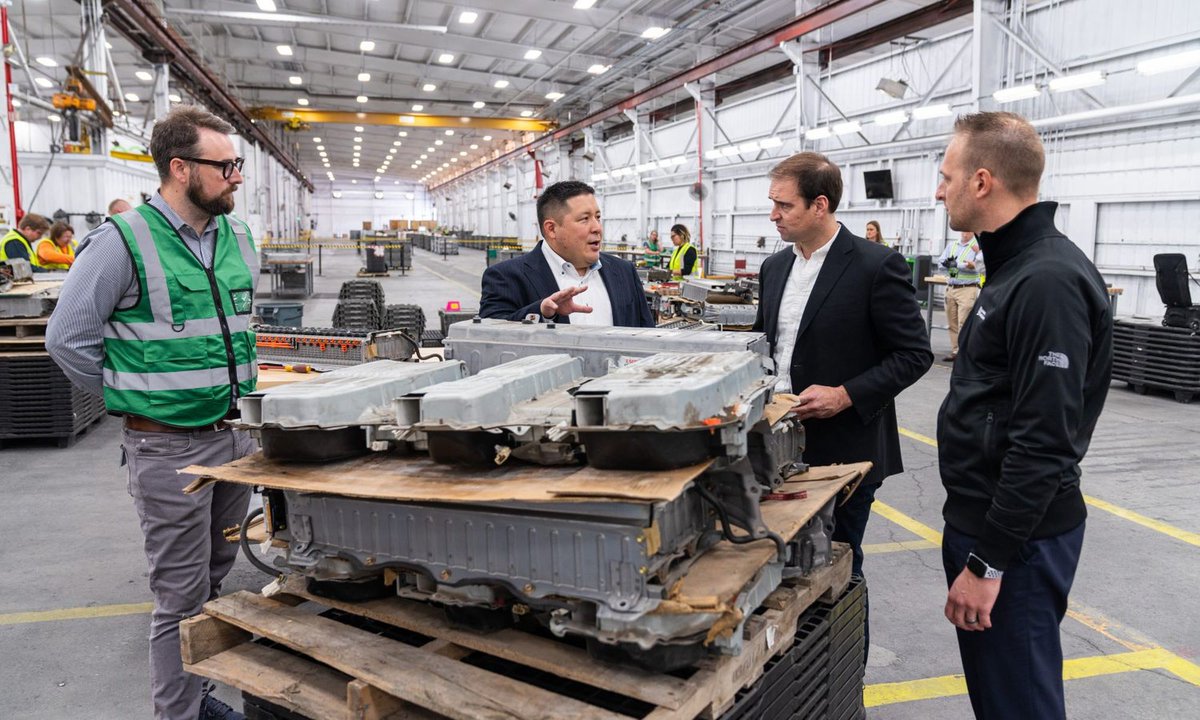
🔋Toyota has started production at its $13.9 billion battery factory!
Toyota, which has been making major investments to increase electric vehicle production, has launched its first battery factory outside Japan in the US.
The automotive giant, which spent $13.9 billion on the facility producing lithium-ion cells, announced at the opening event that it will make an additional $10 billion investment in the US.
The batteries packaged at the plant will initially be used in Toyota, Mazda, and most likely Honda's hybrid models. Battery pack production will also be carried out for fully electric Toyotas to be launched in the coming period.
The Japanese giant had announced that it would sell 1.5 million fully electric vehicles in 2026, but later revised this target downward. The 3.5 million target for 2030 remains valid.
🔋 A driver who installed an additional battery in the trunk of their electric vehicle has achieved a range of 1,000 kilometers on a single charge.
In China, an enthusiastic owner of a Hycan 007 model with a 93 kWh battery pushed the limits by adding a 74 kWh extra battery pack to the trunk.
Since the vehicle belongs to a bankrupt company, the owner—who has no warranty concerns—placed the cells in a metal enclosure along with a custom BMS and Bluetooth connectivity. They claim this setup has pushed the car's single-charge range beyond 1,000 kilometers.
With a total of 167 kWh of battery capacity, the electric SUV now weighs over 2.3 tons, requiring an upgrade to the braking system for safety reasons.
🔋 New battery test solution to simplify the inspection process for second-hand electric vehicles!
LG, which has supplied batteries to 15 million electric vehicles to date, has introduced a 'diagnostic' solution to measure battery health in the second-hand market.
With its product called B.once, LG states that it can perform battery checks in five minutes and generate quick test results based on data collected from over 30,000 vehicle batteries. For a comprehensive battery health test, however, the vehicle needs to be monitored during a 30-minute charging process.
As second-hand electric vehicle sales increase in the coming period, the need for such solutions in inspection services will also grow.
⚡ A record-breaking motor packing 80 horsepower per kilogram!
YASA, a Mercedes-Benz subsidiary developing axial-flux motors for electric vehicles, has shared new details about its record-setting, power-dense motor.
Weighing just 12.7 kilograms, the solution can deliver up to 1,021 horsepower. More importantly, its "continuous power" output ranges between 476-544 HP. With a power density of 80 HP/kg, YASA nearly doubles the performance of its closest competitor (Lucid Motors), offering smaller, more powerful, and higher-torque solutions compared to the radial-flux motors used in today’s electric vehicles.
The UK-based company, which has yet to mass-produce any motor or have one used in an electric vehicle, opened its first factory in May 2025.
Unlike radial-flux motors, axial-flux motors are better suited for in-wheel applications, stacking, and multi-rotor designs. However, their more complex design and production processes have so far limited their use in high-volume projects.
Initial applications in the L7 class are expected to be followed by performance-oriented vehicles.
🔋 $350M Mega Investment in Startup Recycling Old Vehicle Batteries!
Redwood Materials, founded in 2017 by Tesla co-founder JB Straubel, raised $350 million in its latest funding round, with NVIDIA participating, reaching a $6 billion valuation.
The company, which recycles old vehicle batteries, laptops, phone batteries, and scooter batteries, and builds its own cathode active material production facility, has recently started developing large-scale energy storage systems from used batteries to serve the AI boom.
NVIDIA’s investment in this battery recycling startup is reportedly due to its storage activities. Redwood plans to connect 20 GWh of used battery capacity to the grid by 2028, significantly boosting its revenue stream from recycling and cathode production.
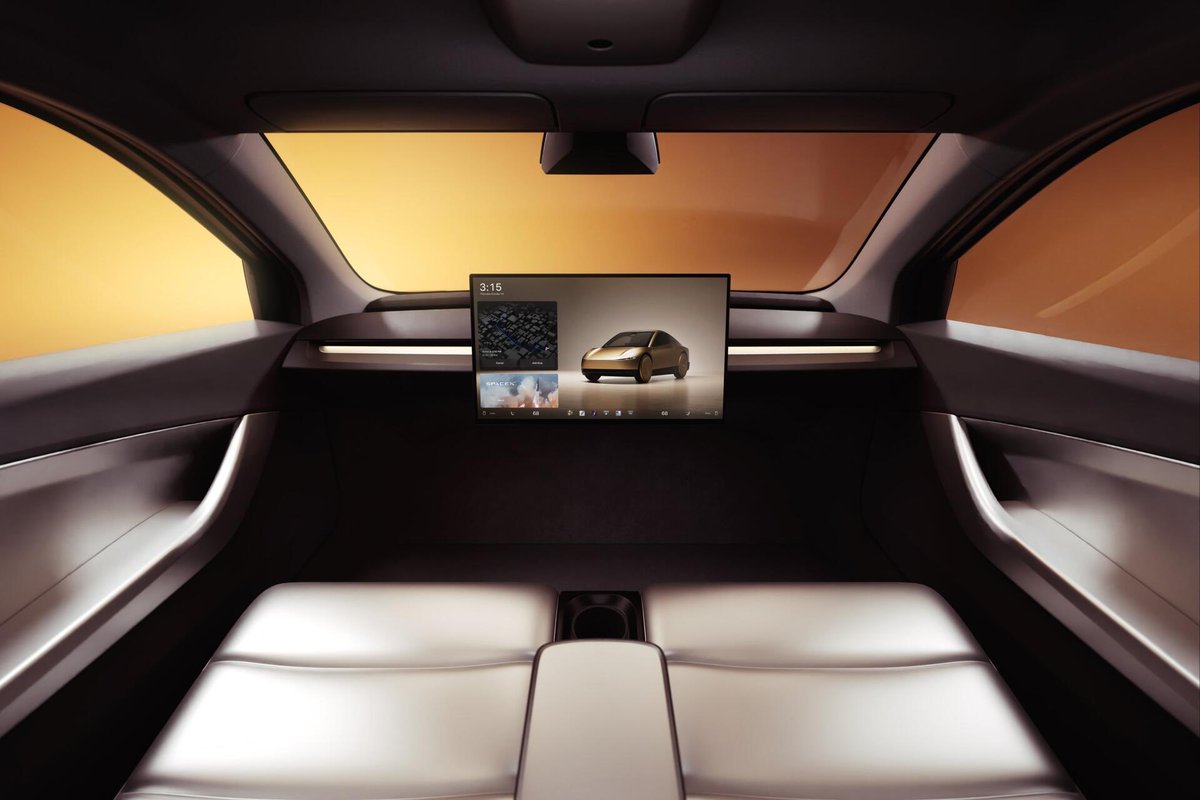
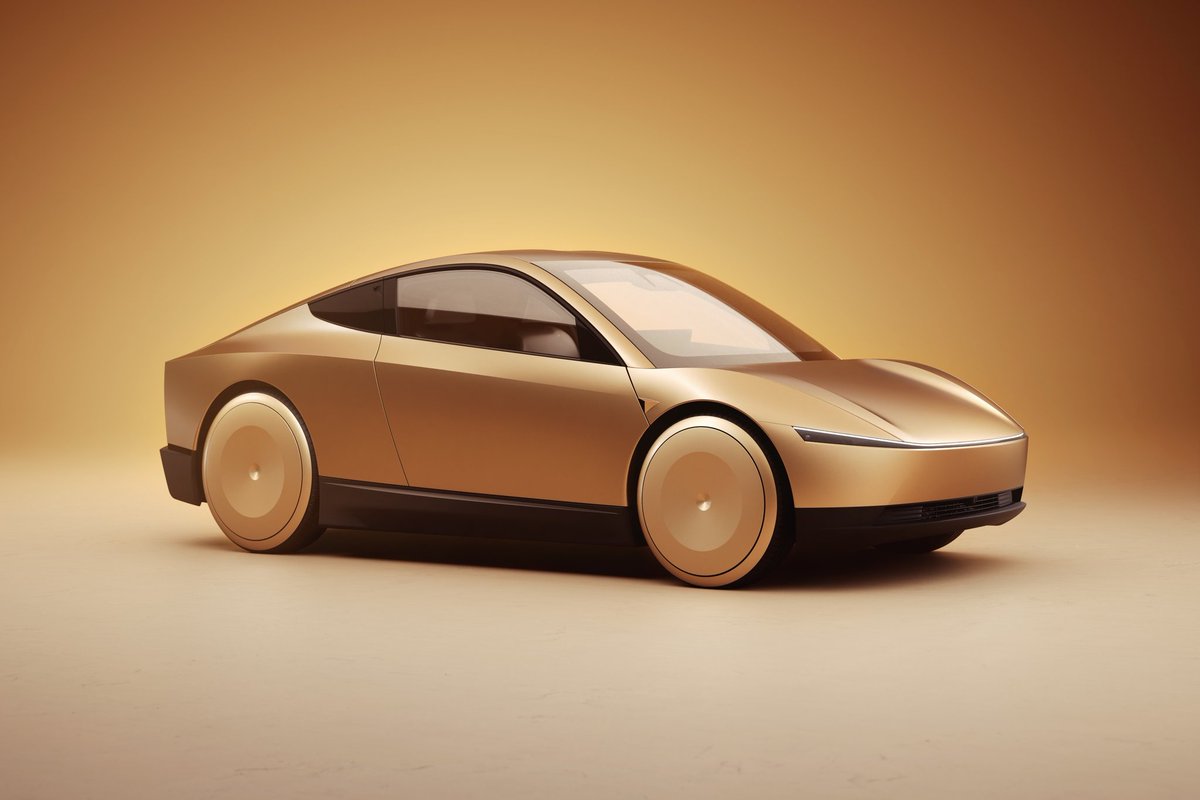
⚡ Tesla Cybercab, without steering wheel or pedals, enters mass production!
With a record-breaking $28.1 billion in revenue last quarter, Tesla continues to grow in energy and services despite stagnation in its automotive sector. Planning to launch new products after resolving AI challenges, the company will take its first step with the Cybercab robotaxi in Q2 2026.
Tesla is ramping up production line setup and hiring at Giga Texas, aiming to deploy the steering-wheel- and pedal-free Cybercab as a robotaxi in the first half of next year.
The initial Cybercabs will use the AI4 chip, with a transition to the 40x more powerful AI5 chip, produced by Samsung and TSMC, expected by the end of 2026. Featuring a single-piece chassis made with massive 9,000-ton aluminum casting machines, the Cybercab will be assembled using Tesla’s next-generation “unboxing” production method.
This will shorten production time and allow more vehicles to be manufactured in a smaller space. It’s claimed that Tesla will establish a Cybercab production line in China after the U.S., producing both robotaxis and steered models for customers on the same line.
What happens to old electric vehicle batteries?
Catl, which processed approximately 300,000 old vehicle batteries last year, is the world's largest battery manufacturer, not only in battery production but also in recycling.
Despite claims that end-of-life batteries in electric vehicles are harmful to the environment, China has enacted dozens of regulations for the recycling of power batteries and has become a sector attracting billions of dollars in investment.
Catl conducts R&D activities on both cell disintegration and hydrometallurgy methods to recycle high-purity materials such as lithium, nickel, manganese, and cobalt in battery cells. Through Brunp, which acquired a majority stake in 2015, CATL recycles nearly 300,000 automotive batteries annually.
The company, which reports a 96.5% lithium recovery rate, achieves 99.6% recycling for nickel, manganese, and cobalt. The use of recycled materials in electric vehicle battery production is expected to increase rapidly in the future.
⚡Images from BYD's massive electric vehicle production campus, built with an investment of approximately $7 billion.
Construction began in 2021 in Zhengzhou, Henan Province, and the campus consists of 8 phases. Recently, approval was granted for a 40 GWh capacity battery factory. When all phases are completed, the total number of employees is expected to exceed 100,000.
⚡MediaMarkt's new owner, Chinese e-commerce giant, enters the electric vehicle market!
JD, the Chinese e-commerce giant that made headlines by acquiring a majority stake in MediaMarkt, is preparing to unveil a car it has been working on for several years.
Having registered the 'JD Car' brand in 2022, the company partnered with GAC Motor for production. Developing an electric vehicle with a swappable battery, JD is collaborating with CATL, the world's largest battery manufacturer, in this field.
The car, set to be introduced on November 11, is described by the Chinese giant as a 'people's car.' It is likely to be priced around 150,000 yuan ($20-21,000) and will be sold directly online.
Aiming to become a global retail powerhouse, JD may pursue a car export strategy in the future, supported by its European operations.
⚡ Dual-rotor motor to boost electric vehicle efficiency by 20%!
DeepDrive, having raised €50 million from major companies like BMW, Continental, and Volkswagen, aims to significantly increase electric vehicle efficiency with its innovative motor.
Featuring two rotors surrounding both the inner and outer stator, this motor enhances magnetic field efficiency while generating much higher torque. Compared to electric motors with similar power and torque, it requires fewer magnets and less copper, reducing costs.
Founded in Munich in 2021, the startup initially focused on in-wheel motors but shifted to dual-rotor designs as the market continued to grow with centralized motor types.
As of today, DeepDrive claims to be testing with eight of the world’s top ten automakers and plans to establish its factory and start mass production before 2028.
The dual-rotor motor, claimed to be mass-produced at a lower cost than comparable radial or axial flux motors, could become a key technology for efficiency gains in the near future.
⚡ China’s $28 billion charging investment plan: Preparing for 80 million electric vehicles!
Having increased the number of charging sockets from 2.7 million at the start of 2024 to 4.3 million in 1.5 years, China has announced a massive plan to expand fast-charging services nationwide.
📌 By the end of 2027, 1.6 million new DC charging points will be established.
📌 Between 2025 and 2027, 100,000 new ultra-fast DC charging sockets will be installed.
📌 Villages and towns without charging stations will be integrated into the charging network with over 14,000 DC charging sockets.
📌 Older chargers will be replaced with high-voltage DC units supporting 800V and above.
📌 5,000 V2G (vehicle-to-grid) compatible devices will be installed. By the end of 2027, V2G electricity sales from electric vehicles to the grid are expected to reach 20 GWh.
📌 By 2028, over 80 million electric vehicles and 28 million chargers, including non-public ones, are projected.
❌ Emission scandal in plug-in hybrids!
A new report has been published in Europe that rivals the diesel emission scandal. It has been revealed that plug-in hybrids cause emissions up to 5 times the declared values.
The report prepared by Transport & Environment reveals that plug-in hybrids sold in Europe between 2021-2023 could not even come close to official figures in terms of emissions or WLTP range values.
The report, which shows that plug-in hybrids are not much different from internal combustion engine vehicles in terms of emissions, indicates that emissions reach 68g CO2/km due to the gasoline engine constantly kicking in—even in electric mode—because of the weak motor and small battery.
T&E proves that the charging rate of plug-in hybrids is very low due to their slow charging speeds, that WLTP range estimates do not hold up, and that the share of electric driving in total driving drops to as low as 27%.
The report claims that the transition to electric vehicles is being hindered by plug-in hybrids, an old technology, and states that such scandals can be prevented with changes to the regulations used to determine vehicles' emission and range values.
⛔The dream of hydrogen cars is over!
General Motors, which has been working on hydrogen cars since 1966, announced the termination of all active hydrogen projects.
Noting that there are only 61 hydrogen refueling stations in the U.S. compared to over 250,000 charging points, the company admitted that hydrogen vehicles are far from realizing their potential.
The cancellation of project grants and incentives during the Trump era seems to have influenced GM’s decision to shelve hydrogen. Finding it impractical to fund these projects with its own resources, GM stated it will focus entirely on electric vehicles and the charging ecosystem.
The biggest obstacle to realizing the hydrogen car dream is the lack of a technological breakthrough that could make it a viable alternative to fully electric vehicles in terms of efficiency.
⚡Technical details of Ferrari's first electric vehicle!
📌>1,000 hp with four motors
📌0-100 km/h in 2.5 seconds, top speed of 310 km/h
📌122 kWh chassis-integrated battery (SK On production), 530 km range
📌350 kW DC charging speed, 800V architecture, silicon carbide chip, double-sided cooling inverter
📌210 kW PMS motor at 30,000 RPM at the front, 620 kW PMS motor at 25,500 RPM at the rear
📌Energy density of 195 Wh/kg at the pack level and 305 Wh/kg at the cell level with battery modules integrated into the aluminum chassis
✅The first electric Ferrari will be unveiled in spring 2026.
⚡ Lucid Motors breaks record for the seventh consecutive time!
Lucid Motors delivered 4,078 vehicles in Q3 2025, setting a new delivery record for the seventh straight quarter, driven by increased demand in the U.S. before tax incentives expire.
📊 Deliveries rose 23% quarter-over-quarter and 46% year-over-year. In the first 9 months of 2025, a total of 10,496 vehicles were sold. While sales of the luxury sedan model Air fell short of expectations, the Gravity SUV model is gaining a larger share of sales.
Aiming to boost Gravity SUV sales, the company plans to implement a double-shift system at its factory in the final quarter to meet delivery targets. In recent months, Lucid signed a robotaxi sales contract with Uber for at least 20,000 units and received a $300 million investment from Uber.
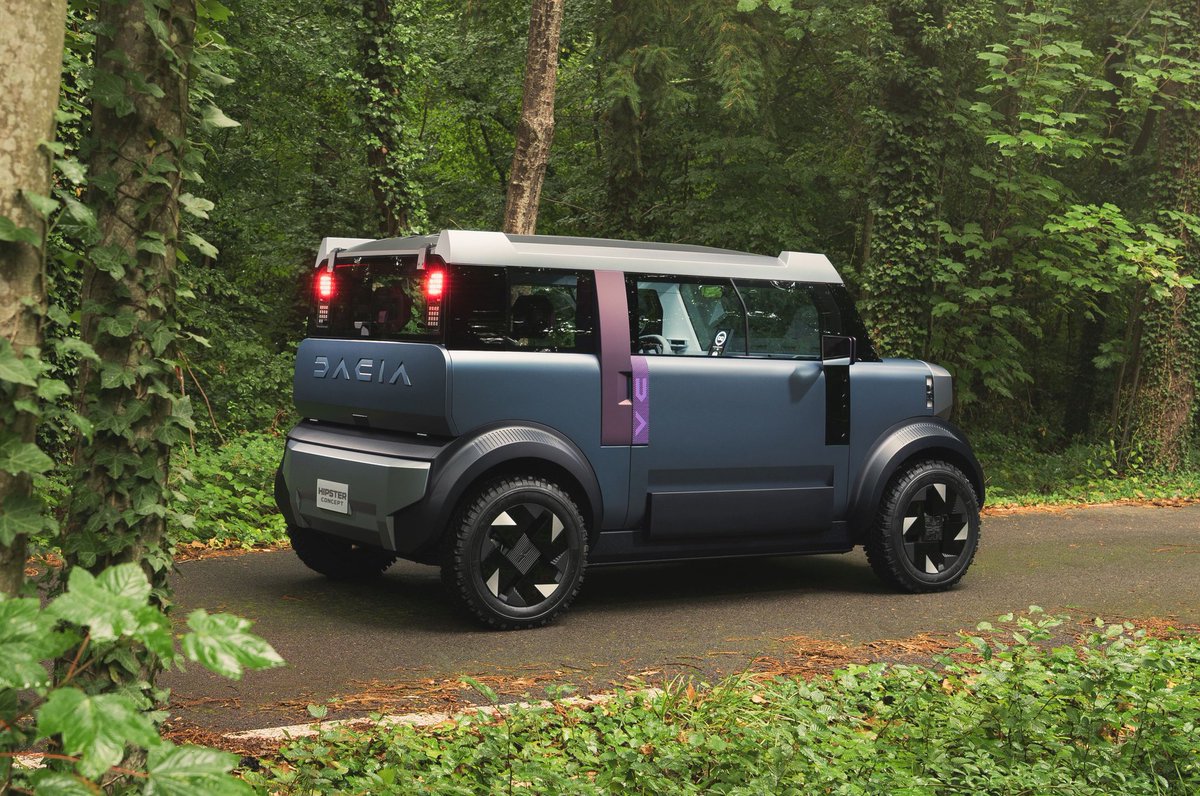
⚡ Dacia to launch a €15,000 electric vehicle!
Dacia, known for selling Europe’s most affordable cars, is shaping its electric vehicle investments to maintain this position.
The newly introduced Hipster concept, with its three-meter length and €15,000 price tag, is drawing attention. To keep costs low, the vehicle features fabric seats, manual window controls, and no infotainment screen, with fabric "handles" used instead of door handles.
With the rear seats folded, it offers an impressive 500-liter trunk capacity and weighs 800 kilograms, 20% lighter than the Dacia Spring. While the company hasn’t specified the range, it stated the vehicle will offer sufficient range for daily urban use and has not yet shared production plans.
With new regulations for ultra-compact cars coming into effect in Europe, the number of vehicles in this category is expected to grow rapidly.