@isla_hime 😊🎵(oh, I've just listened to this 30+ times; I need to reply😳)
vocoders are so much frickin cooler than didgeridoos!! 😎and light can travel halfway around the world in about 1/15th of a second, so....🛸
after about 5 weeks, i finally finished my Expedition 33 painting. It was interesting trying to do a piece about a game that's about art, But i really enjoyed this game so much
@isla_hime Every year near the summer solstice in Japan, from 8pm to 10pm, Tokyo Tower's lights are extinguished, and people light candles to slow down and enjoy a night without electricity. This year's was on June 19th, but other cities host similar events all week.
https://t.co/L8K4fdwtKH
South Korea's rapidly declining birth rate has left many rural communities struggling to keep their schools alive.
In Gangjin County, at Daegu Elementary School, classrooms once faced the possibility of growing quieter as fewer children were born and young families moved to larger cities.
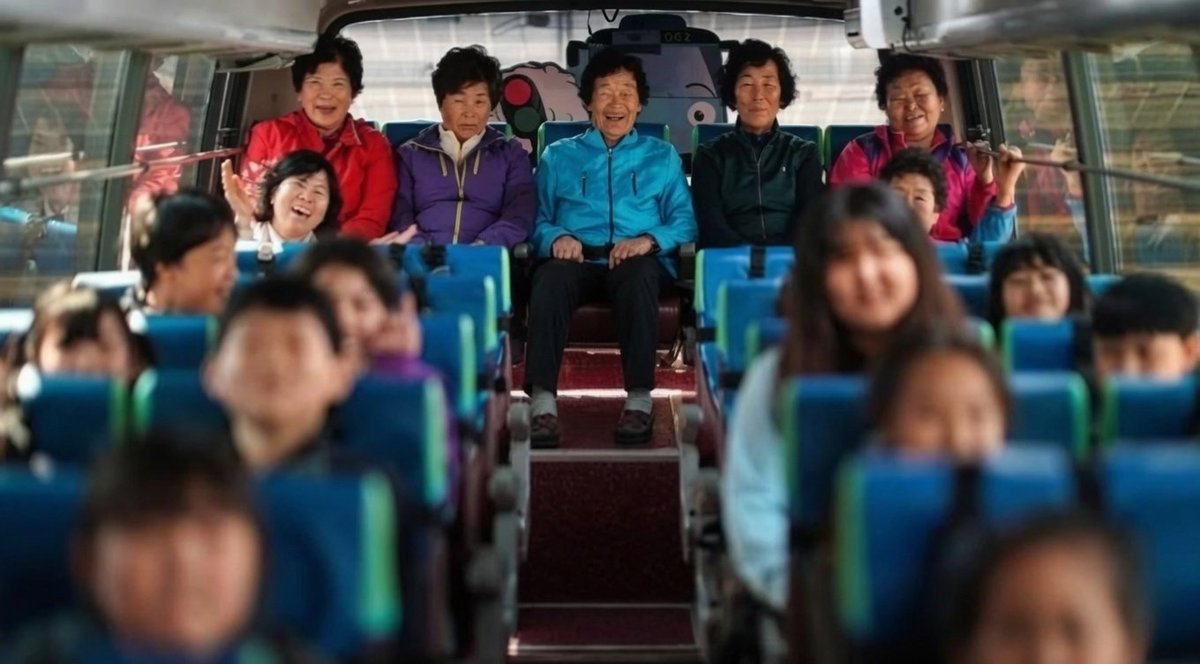
Rather than allowing empty seats to define their future, the school welcomed an extraordinary new group of students: elderly women, many of them grandmothers in their 60s and 70s who had spent their entire lives wishing they could learn to read and write.
As children, poverty, traditional expectations, and family responsibilities had denied them the chance to attend school.
The women now ride the school bus, sit in classrooms, practice reading and writing, share meals with younger pupils, and experience milestones they had dreamed about for decades.
Their return to school has not only fulfilled lifelong ambitions but has also brought new energy to a community confronting population decline.