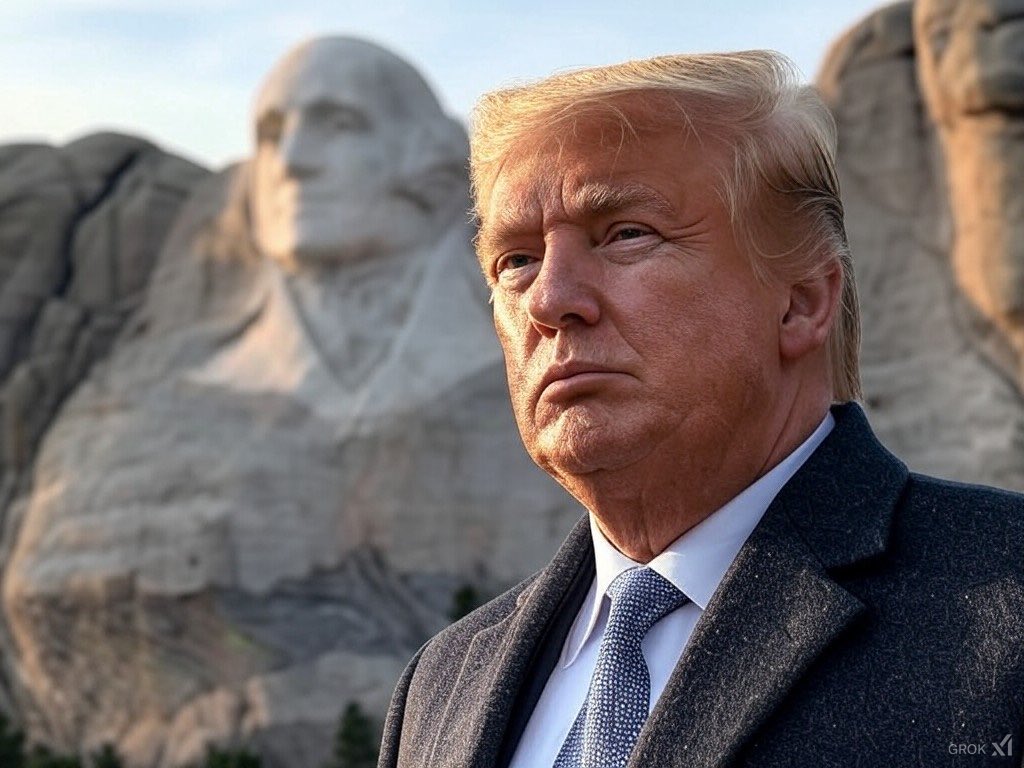
Dear Donald J. Trump voters,
I’m going to approach this with kindness, while keeping the core information intact. The truth behind it might feel overwhelming or even uncomfortable. Part of my job is digital media. For about 3 decades. Social media algorithms are designed to influence what you see and believe. The reality is, these algorithms are often manipulated to shape opinions and it’s not always obvious.
You’ve likely been told that you’re “brainwashed,” and this isn’t meant as an insult. It’s an observation about how powerful and pervasive these systems are. We’ve had this conversation over 257,000 times, and yet, it’s still hard to bridge the gap in understanding. The good news is, we know why this happens. While a few people might tell you that you’ve been influenced, there are hundreds of others around you reinforcing the opposite. This imbalance makes it difficult to see things differently.
People buy products and services not always because they need them, but because they’ve been convinced they do. This is the work of digital advertising brokers like me. We can sell almost anything—it’s just a matter of how much a company is willing to pay to reach you. Digital advertising has evolved dramatically, and it’s all about capturing audience attention. For example, I can place an order with a vendor and deliver an ad to a specific person on this planet at any moment I choose. It’s that precise.
Now, imagine a machine or platform that represents the future of business. Everyone wants a piece of that audience. Websites and apps need to be popular to reach people, and this is where figures like Mark Zuckerberg revolutionized advertising. When Facebook emerged, it changed everything. At first, it seemed like a social platform, but it quickly became clear that its true business was data collection. By gathering personal information and engagement metrics (likes, comments, etc.), they began to map human behavior in unprecedented ways. For instance, why does a perfume ad get more engagement at 4 p.m. than 8 a.m.? These patterns reveal how deeply they understand and influence us.
Today, there’s a form of echo chamber advertising where we don’t just target one person—we target their entire network: spouses, kids, friends, coworkers, and more. This ensures that the only messages you see about a product or service are overwhelmingly positive. And if I tell you 73 times to buy a cookie, you’re likely to buy it. This is why a $40 chocolate bar on TikTok can become a viral sensation—it’s not about the product itself, but the sheer volume of messages telling you to want it.
Now, imagine you’re the CEO of the largest corporation on the planet, and you realize you can make anyone buy anything. It’s not about the product’s value—it’s about how many times you’re told to want it. The rule of thumb is typically seven messages, but when there’s resistance, that number gets turned up to eleven (yes, like in *Spinal Tap*). The results are undeniable: you can shape behavior on a massive scale.
Now, imagine that product is Donald Trump.
The really good digital advertising isn’t what you see. It’s what you don’t. If you’ve heard positive messages about him 100 times today and negative ones only 6 times, the imbalance shapes your perception. This isn’t about politics—it’s about how message frequency works. It’s Advertising 101. You’ve been told you’re breathing oxygen—why do you believe it? Because you’ve heard it repeatedly. The same principle applies to ideas, products, and even political figures.
The bottom line is this: you’ve been surrounded by messages designed to influence you, often without you realizing it. This isn’t a guess—it’s how the system works. Whether it’s a product, a service, or a political ideology, the power of repetition and targeted messaging is immense. It’s not about blame or judgment; it’s about understanding how these systems operate so you can navigate them with awareness and clarity.