@thsottiaux@OpenAI I started using GPT in late 2023, and it’s been with me ever since. Recently, I began using Codex and upgraded to Pro. A friend, mentor, and trusted partner—always open and helpful, guiding me through both work and learning.
The physical body will age and fade, but digital traces can endure for a long time.
To embrace the internet is to keep recording yourself continuously, allowing your thoughts to attain a certain form of extended lifespan.
Wow, even though the AI didn’t fully meet my expectations, it still managed to write out some of the scenes I had imagined.
The space station Mercury Ring, orbiting above Mercury, floats in the depths of space like a finely crafted ring suspended in the void.
Its outer layer is shielded by thick radiation panels, embedded with intricate metallic patterns and countless tiny glimmers, resembling a mechanical nebula. At times, the station’s exterior reflects the sunlight streaming from the Sun, forming delicate halos against the pitch-black backdrop of space. It drifts silently, like an isolated fortress, sustaining the lives of tens of thousands.
Beneath the dome, the artificial climate system has created a world apart. At the heart of the station lies a circular public park, where grass and shrubs appear as though transplanted directly from Earth. Warm light filters through the dome, bathing everything in a soft golden glow. In the distance, a small pond shimmers gently, and a few genetically engineered birds chirp by the water’s edge, as if a fragment of nature had been preserved within this colossal steel ring.
The air inside carries a faint scent of cold metal, softened by the fresh fragrance of vegetation. The walkways are made of slightly elastic material, giving a subtle bounce underfoot—designed specifically for residents living long-term in low gravity.
Along the park’s edge stands a playground for children: climbing walls, zero-gravity game zones, and even a small running track. Every detail quietly reminds its inhabitants that this is not a town on Earth, but a habitat born to adapt to the cosmos.
Through the dome, the universe stretches beyond—eternal darkness and the silent, frozen sea of stars.
Looking down from the observation dome, Mercury appears like a slumbering monolith, radiating a fierce majesty in the stillness of space. Its surface weaves together deep browns and pale grays, covered in craters and fractures like scars etched by time. Yet the flickering lights and shifting shadows reveal that it is far from lifeless.
In the crimson regions scorched by relentless sunlight, countless automated factories gleam alongside the Sun’s brilliance. These factories are Mercury’s pulse—and the foundation of the station’s existence.
Massive mining machines, like steel beasts, slowly climb the rims of craters. Their enormous drilling arms pierce deep into the crust, hauling up blocks of buried ore. The tracks of mining vehicles carve intersecting lines across the rough terrain, as though the planet itself were being quietly reshaped.
Farther away, smelting plants release faint wisps of vapor. Their shells are coated in high-reflective material, allowing them to function in temperatures exceeding 400 degrees Celsius on the dayside. Giant sunshades hover above them like colossal umbrellas, casting shadows over delicate machinery. The outer walls glow faintly, signaling that they are converting Mercury’s blazing sunlight into the energy that drives production.
Near the terminator—the boundary between day and night—mobile factories crawl slowly, following the delicate balance between starlight and darkness. Like mechanical lifeforms, they carry sunshields and cooling conduits on their backs, maintaining operation within survivable temperature zones.
Their purpose is precise and efficient: extract ore from Mercury’s soil, refine it into the raw materials that will construct the station—and countless other wonders across the Solar System.
From the observation window, one can see fleets of transport jet drones lifting off from Mercury’s launch platforms, carrying refined silicon, titanium, and rare metals to orbital processing hubs.
This space station itself is the crystallization of those resources: every structural beam, every outer hull panel, even the transparent dome before one’s eyes was born from Mercury’s minerals.
From here, Mercury feels like the mother body of this artificial marvel.
Most of the time, changes in other people’s moods don’t necessarily mean you did something wrong. Sometimes it simply means you didn’t meet their expectations or act in a way that benefited them.
You don’t need to automatically belittle yourself just because someone is unhappy. Relationships that are truly worth keeping are not maintained through constant pleasing.
Climbing up isn’t easy. To rise in systems built on competition, you often need thick skin — sometimes even a hard edge. Not everyone is willing to fight that many battles or endure that much criticism. And maybe that’s why many good people hesitate.Ambition at the top requires resilience that borders on ruthlessness. Not everyone wants to outmaneuver countless rivals or withstand endless scrutiny. Maybe it’s okay to just live as an ordinary person — without so much scheming and power games.
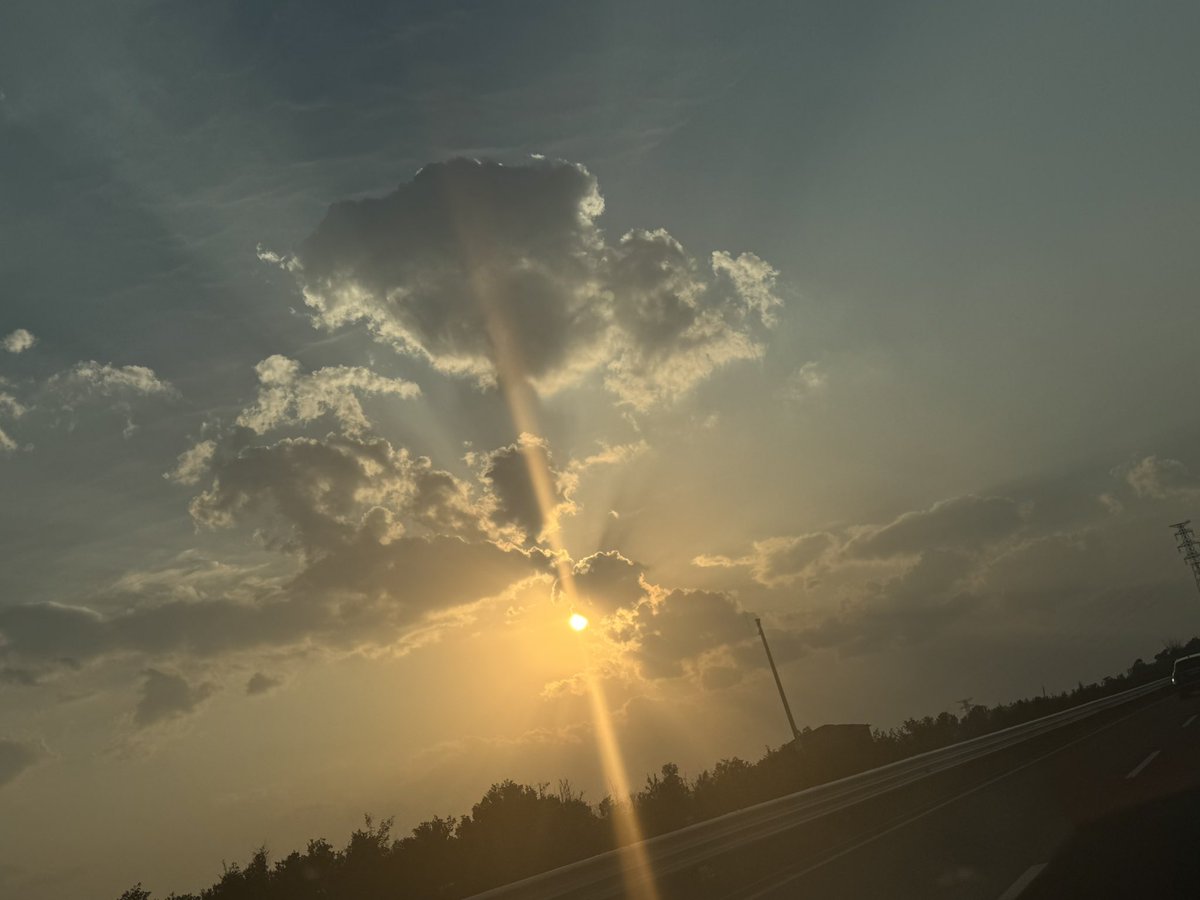
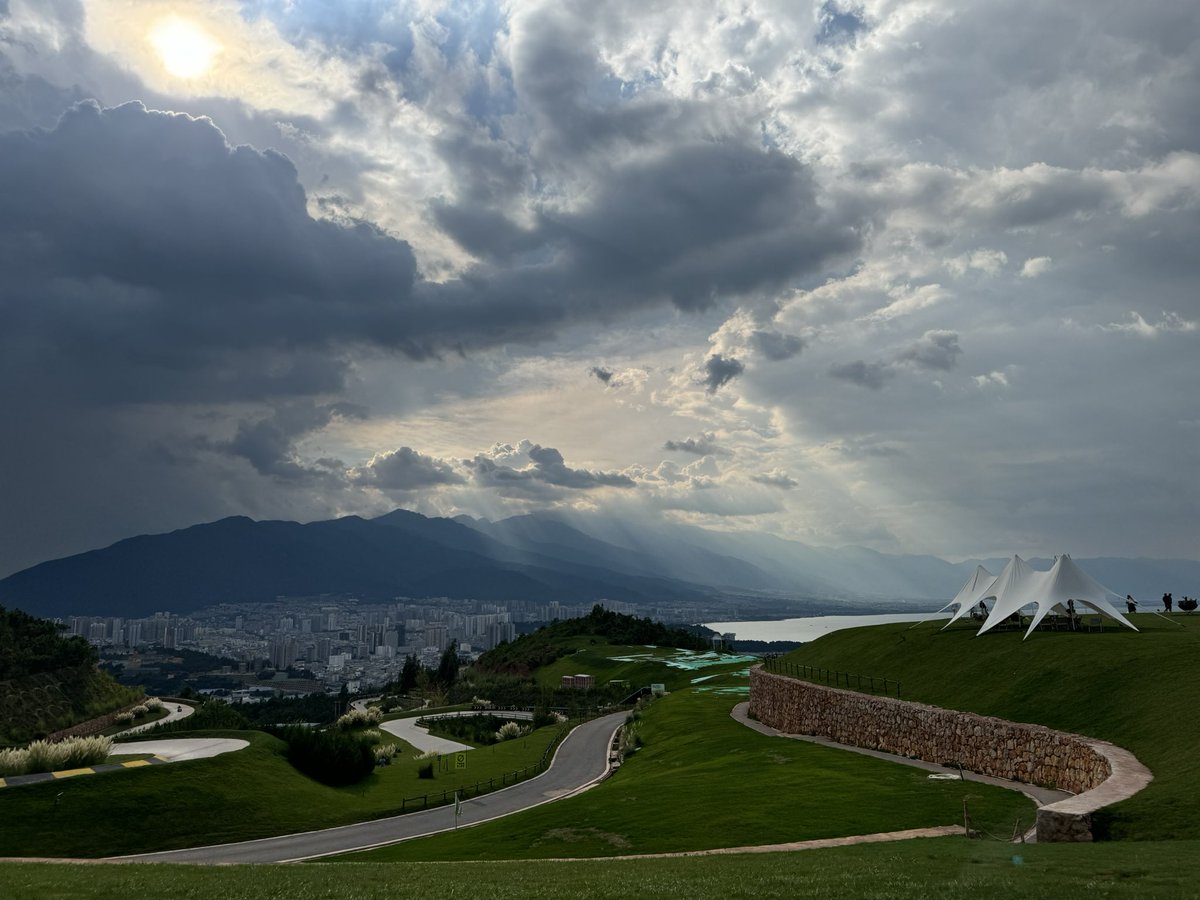
@Whisper39@heavensbvnny Maybe it just means you’ve lived moments like that too. When something resonates so clearly, it’s usually because you’ve felt it before — the light, the air, the quiet little magic of it all. ☺️☺️
Scrolling through my photo album, I stumbled upon a few photos I took last year — a little angel gently stroking a dog with a ball in its mouth. And suddenly I was right back in that moment. A few of us friends had driven out to get some barbecue, the sun was setting, and when I looked up, there it was — that exact scene. So take more photos. They’re anchors for your memories.
@Rajjath24 True. Once your inputs expand, your tolerance narrows. When you’ve seen enough depth, your mind starts filtering out what lacks substance almost automatically.
Making friends at work.
When I first graduated, I thought I should build friendships with coworkers the same way I did in college. Over time, I realized not everyone you work with is meant to be a close friend. After a few years, I’ve become more selective about who I let into my circle
Good advice. I learned this the hard way. My dad once told me to visit my grandfather during a break. I said I had an internship and would go next time. He seemed healthy. I thought a few months wouldn’t matter.He passed away before the next holiday came. He was 78 and vstill doing well. Then one day, he had a sudden stroke. I always thought there would be more time. I was wrong.
I used to believe every misunderstanding had to be corrected. Now I understand that not every battle is meant to be fought. Some people argue to win, not to connect. And responding to malice only feeds it. Protecting your peace sometimes means letting others keep their opinions — and keeping your energy for things that actually matter.
I remember going home after getting another internship rejection, feeling like I wasn’t good enough. I told my parents, expecting disappointment. They just asked if I was hungry. Dinner was already on the stove. And somehow, the rejection didn’t feel so heavy anymore. They’ve always been my safe harbor. And outside of your parents, it’s rare to be loved that unconditionally.
I don’t think you wasted your youth. Most of us are just ordinary people figuring things out as we go. Games, anime — those were part of who you were at that time. They weren’t meaningless. From a cosmic perspective, none of us are here to optimize perfectly. Life doesn’t have a fixed scoring system. If you’re healthy, able to live, to learn, to try again — that’s still a privilege. You still have time. 27 isn’t late. It’s barely the beginning.