@Maskani254@kawive@TISAKenya@nisisikenya Every budget allocation should translate into results on the ground. Despite millions allocated to Misimo ECDE, the project remains incomplete while children continue learning in inadequate facilities. We urge duty bearers to prioritize the completion #FixECDEFixTVets
@Maskani254@kawive@TISAKenya@nisisikenya Education infrastructure is not a luxury,it is a necessity. The continued stalling of Misimo ECDE denies children the conducive learning environment they deserve and raises legitimate questions about accountability in the use of public resources.#FixECDEFixTVets
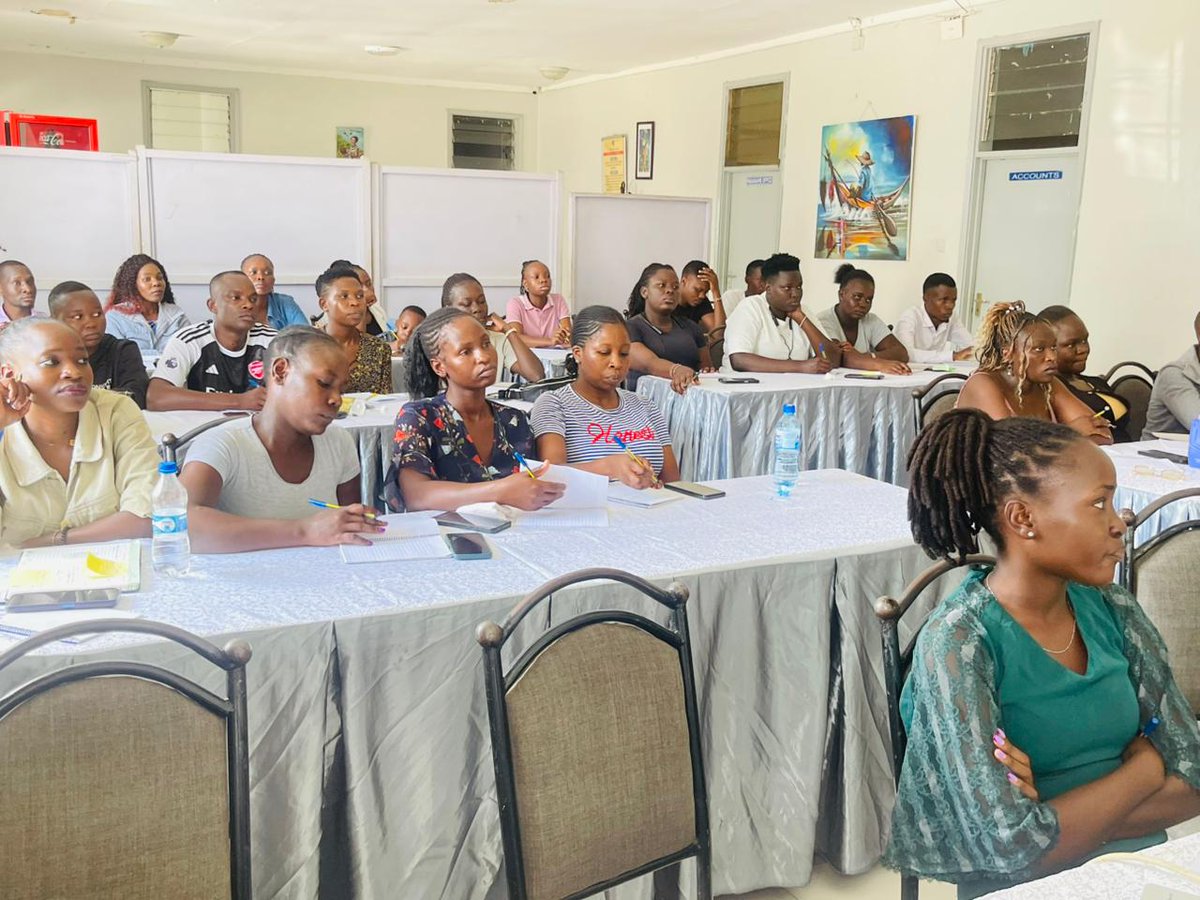
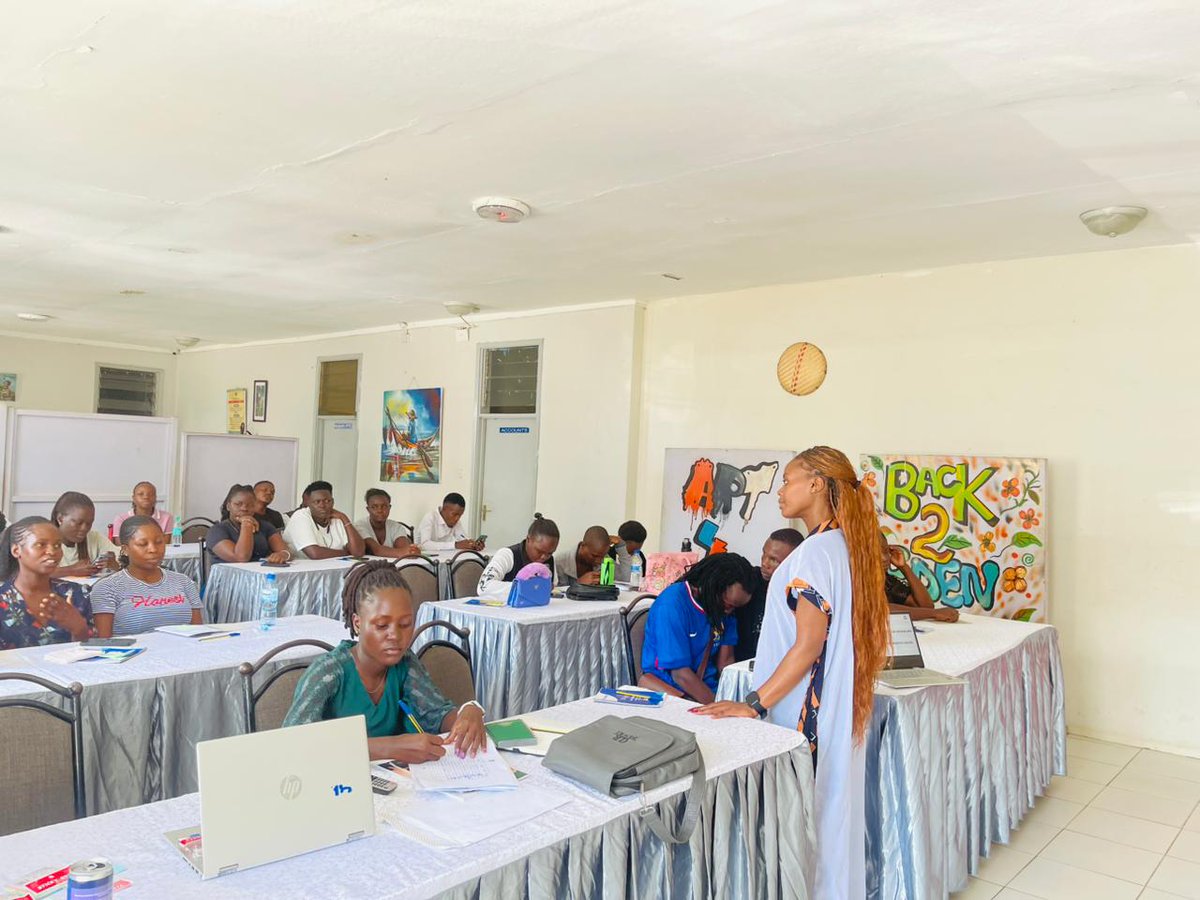
Maskani Ya Taifa has kicked off a transformative 3-day training in Kakamega County aimed at strengthening digital advocacy skills among young people in Kakamega.
The training will equip participants with practical skills on Social Media for Advocacy, empowering them to amplify community voices, drive civic engagement, promote accountability, and influence conversations that shape governance and social change.
In today's digital age, advocacy extends beyond physical spaces. Social media has become a powerful tool for mobilization, public participation, and shaping narratives that matter. Through this training, youth from various wards across Kakamega County will learn how to strategically and responsibly use digital platforms to create impact within their communities and beyond.
By strengthening their digital advocacy skills, participants will be better equipped to champion issues affecting their communities and contribute to meaningful social change.
#MaskaniKakamega
Kakamega County continues to face growing concern over stalled and incomplete education infrastructure projects, particularly within Early Childhood Development Education (ECDE) centres and Vocational Education and Training (VTC/TVET) institutions. Across various wards, communities continue to report cases of unfinished classrooms, delayed construction works, and non-operational training facilities despite prior budget allocations and public commitments. These delays have raised serious questions about access to quality learning environments for young children and adequate skills training opportunities for youth across the county.
Many parents, teachers, and young people in Kakamega are increasingly questioning the effectiveness of project implementation, contractor performance, and the overall management of public resources allocated to education infrastructure. While official reports may indicate progress in the education sector, lived realities in many communities reflect incomplete facilities, overcrowded ECDE classrooms, and under-equipped vocational training centres that limit effective teaching and learning.
At the same time, stalled education projects cannot be viewed in isolation from broader governance and public finance challenges. Concerns around delayed project completion, weak oversight mechanisms, procurement inefficiencies, and accountability gaps continue to emerge in public discussions. These challenges not only affect infrastructure delivery but also undermine trust in public investment processes and limit the ability of education systems to deliver meaningful outcomes for learners and trainees.
However, communities across Kakamega continue to emphasize that education remains a fundamental right and a critical foundation for social and economic development. Parents and young people consistently call for timely completion of ECDE and TVET projects, improved transparency in public spending, and stronger oversight to ensure value for money in county development initiatives. There is also growing demand for citizen participation in monitoring ongoing projects to ensure that allocated resources translate into functional and accessible learning facilities.
The #MaskaniKakamega Education Accountability Campaign emerges as a citizen-led initiative aimed at amplifying community voices calling for transparency, accountability, and the completion of stalled ECDE and TVET infrastructure projects. The campaign seeks to create informed public dialogue on education infrastructure, public expenditure, service delivery, and governance while encouraging collective responsibility in ensuring that education investments benefit learners and communities.
The campaign further seeks to strengthen conversations around project implementation, public participation, contractor accountability, oversight systems, and equitable access to education and skills development opportunities. It recognizes that sustainable education development cannot be achieved through stalled projects and unmet commitments, but through accountable leadership, efficient use of public resources, and active citizen engagement.
The #MaskaniKakamega campaign encourages citizens to critically engage with important questions such as:
What is the current status of ECDE and TVET infrastructure projects across Kakamega County?
How have public funds allocated to education infrastructure been utilized over time?
What are the key causes of delays and stalled education projects within the county?
How effective are contractor management and oversight systems in ensuring project completion?
What is the impact of stalled education infrastructure on learners, teachers, and youth skills development?
How can citizen participation in monitoring public projects be strengthened?
What policy and governance reforms are needed to improve accountability and value for money in education investments?
This campaign is not only about stalled projects, it is about accountability, transparency, education rights, and the future of young learners and trainees in Kakamega. It recognizes that quality education can only be achieved when public resources are managed responsibly, projects are completed on time, and communities are actively involved in oversight and decision-making processes.
Join the conversation under #MaskaniKakamega as we amplify citizen voices for accountability, transparency, and the completion of education infrastructure projects.
Together, let us strengthen public oversight, demand value for money, and ensure every child and young person in Kakamega learns in a safe, functional, and dignified environment.
#FixECDEFixTvets
. @JohnMbadiN, this youth says that you dispatched them to disrupt a meeting at All Saints Cathedral that was scrutinizing the budget you presented yesterday. Mbadi, you cannot distance yourself from this attack by the goons. You must take responsibility for your actions and for those of the goons who acted at your behest. Public participation and scrutiny of the national budget are our democratic rights.
🚨 GOONS CANNOT SILENCE THE PEOPLE'S VOICE
We strongly condemn the violent disruption of the Post-Budget Forum at All Saints Cathedral, a peaceful gathering that brought together citizens, civil society, faith leaders, and private sector actors to discuss the national budget and its impact on ordinary Kenyans.
The use of violence and intimidation to silence public participation is an attack on democracy and the constitutional rights of all Kenyans.
This is not an isolated incident. The growing use of goons to disrupt lawful civic engagement and instill fear must be rejected by all who believe in democracy, accountability, and the rule of law.
No amount of intimidation will stop citizens from engaging in conversations about the future of our country.
#DefendDemocracy #ProtectCivicSpace #PublicParticipation #PeoplesBudget #Kenya
Kenya experiences a staggering disconnect between the political elite and the people they serve. As @markotieno reveals, while the presidents live in opulent bubbles, shielded from the economic realities of everyday life, ordinary citizens are left to navigate the harsh, daily struggles of survival. This deep contrast exposes a fractured social contract. When leadership is this insulated from the hardships of the masses, who are they truly representing?
Join conversation
Video - https://t.co/z2ZH4NczDY
Audio - https://t.co/a7wpYDUZxq
@Maskani254@Siasaplace@nisisikenya@CivicVoiceInt@mukuru_cjc
🚨 NEW BLOG ALERT! 🚨
Stories have the power to heal, connect, and inspire change.
Our latest blog, "Healing Through Storytelling and Community Circle," explores how sharing lived experiences in safe community spaces can foster healing, belonging, and collective well-being.
📖 Read the full story and discover the power of community-led healing.
https://t.co/Txs1JgPWN1
#MenMentalHealthAwareness #NsisiStories
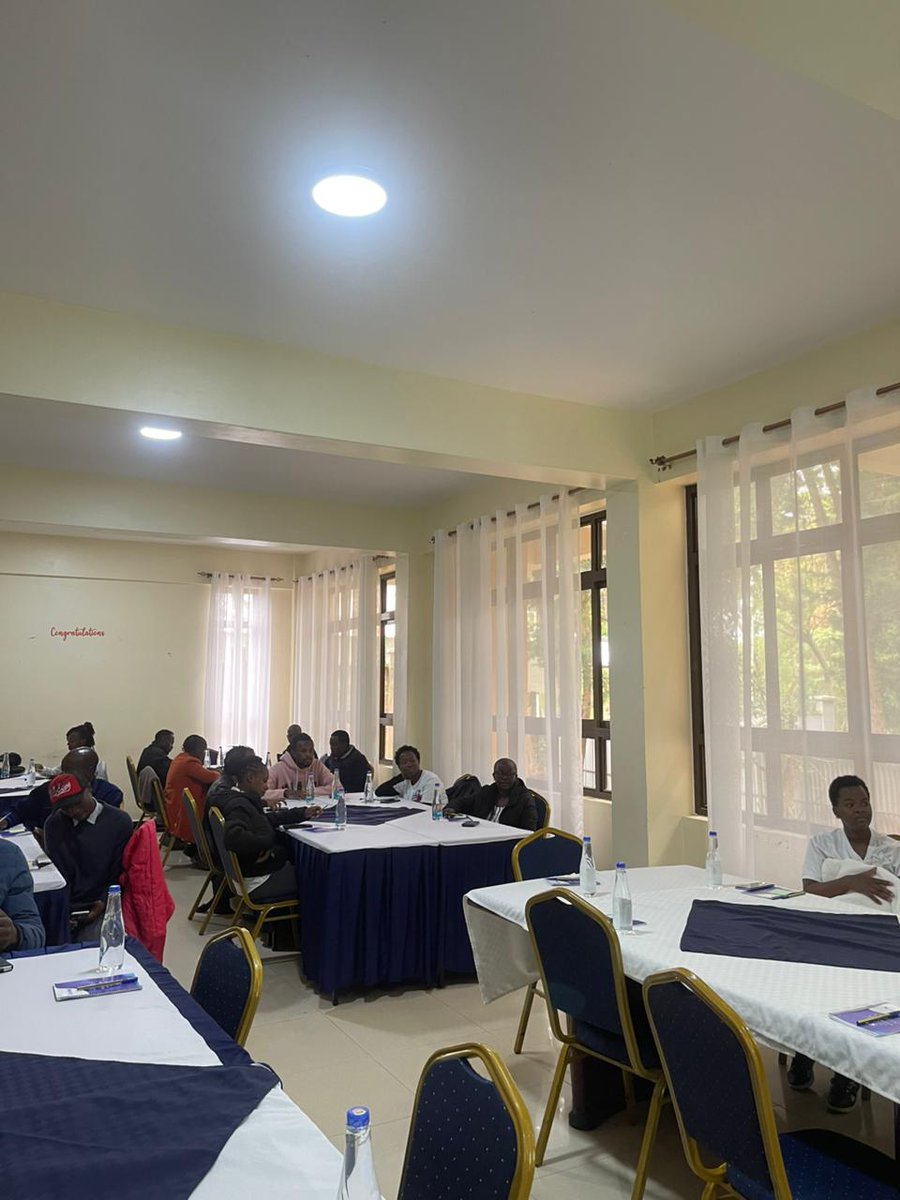
Maskani Ya Taifa has officially kicked off a transformative 3-day training in Kisumu with #MaskaniKisumu hub members, starting with an engaging session on Digital Advocacy and the power of Social Media for Advocacy.
In an era where civic engagement is increasingly happening online, young people must be equipped not just to participate, but to influence conversations that shape governance and accountability. This training is creating space for participants to sharpen their digital advocacy skills, build impactful campaigns, and learn how to strategically use social media to drive public participation and social change.
From amplifying community voices to challenging misinformation and promoting accountability, digital platforms have become essential tools for modern civic action. Advocacy today is fast-moving, interactive, and deeply woven into everyday digital spaces.
The session is empowering participants to think critically about how online platforms can be used responsibly to shape narratives, mobilize communities, and strengthen democratic engagement both locally and nationally.
#MaskaniKisumu
Ruto is no longer preparing to win 2027.
He is preparing for what happens AFTER Kenyans reject the results.
Look carefully at the pattern.
Njoki Ndung’u being pushed to the ICC.
Philomena Mwilu exiting soon.
Warsame already singing “respect the appointing authority.”
A carefully cultivated Supreme Court bench slowly taking shape around one man’s political survival.
This is not random.
This is architecture.
A 7 judge shield designed to sanitize disputed elections, neutralize constitutional resistance and protect power at all costs.
Kenyans must stop thinking rigging only happens at polling stations.
Modern state capture happens in the courts, in appointments, in institutions and in silent elite deals made years before an election.
Why is State House so invested in judicial positioning?
Why are loyalists being rewarded strategically?
Why is every independent institution slowly becoming politically obedient?
Because Ruto understands one thing:
The real battle after 2027 may not be in the streets.
It may be in the Supreme Court of Kenya.
Observe the SCOK carefully.
Observe the appointments.
Observe the silence.
Observe the programming.
This regime is not planning for democracy.
It is planning for legal protection after democracy is violated.
History has taught us one painful truth:
When the judiciary is captured, the citizen becomes powerless.
2027 will not just be about votes.
It will be about whether Kenya still has institutions strong enough to defend those votes.
#Borrowed
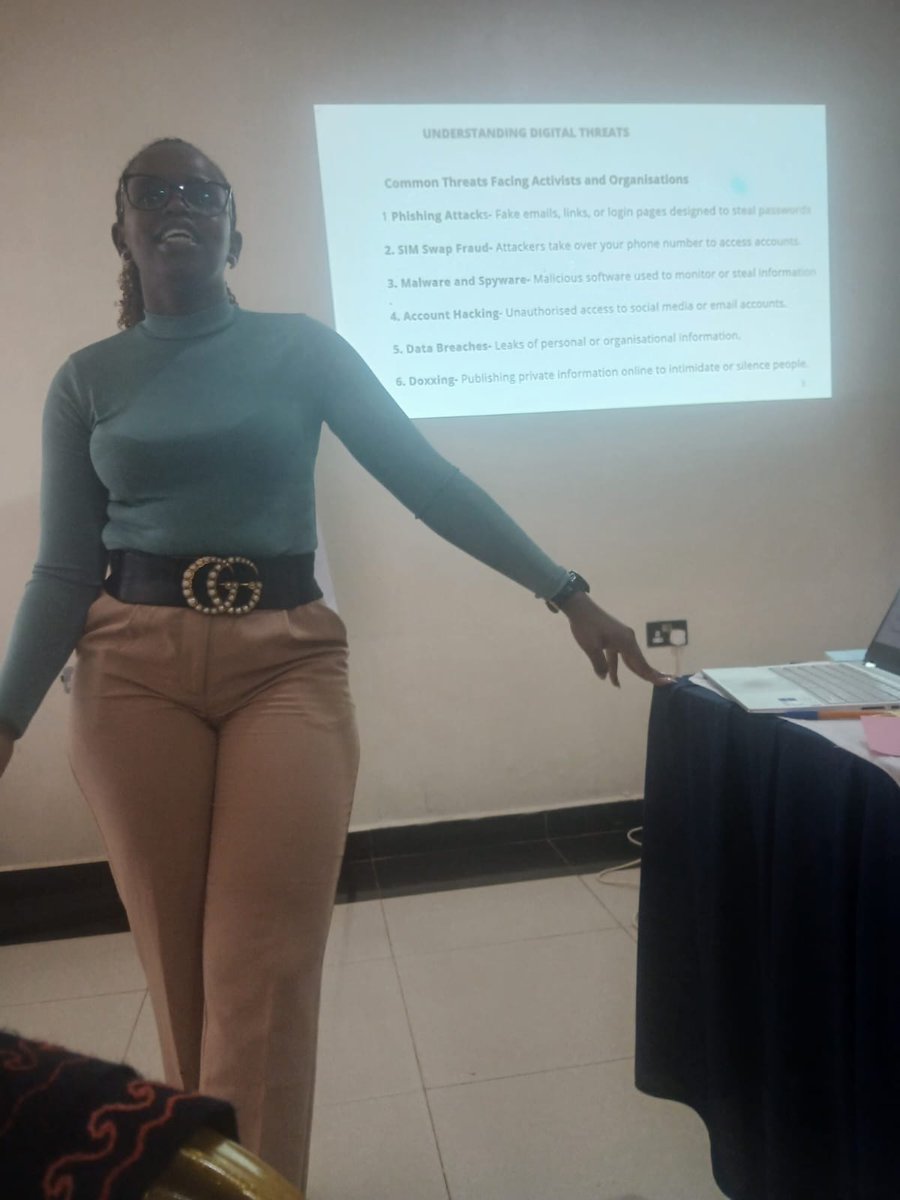
Today, Maskani ya Taifa is kicking off a transformative 3-day training with #MaskaniKericho HUB members, beginning with a deep dive into Digital Advocacy and the use of Social Media for Advocacy.
As civic engagement increasingly shifts to digital platforms, this session equips young advocates with practical skills to amplify governance conversations, design impactful campaigns, and use social media strategically to drive accountability and public participation.
Advocacy is no longer confined to physical spaces, it is digital, dynamic, and deeply connected to everyday life. When used responsibly, social media becomes a powerful tool for shaping narratives and advancing change.
#MaskaniKericho #DigitalAdvocacy #SocialMediaForChange #DigitalActivism
Kenya continues to experience growing public concern over the rising cost of living, high taxation, unemployment, and increasing pressure on public resources. In this context, questions around how taxpayer money is spent across government institutions have become central to national debates on governance, accountability, and public trust.
Within this environment, the ongoing legal dispute on judicial car grants and judges’ allowances (Civil Appeal No. E533 of 2024 – Salaries & Remuneration Commission v Gachuiri & 3 Others [2026] KECA 692 (KLR)) has intensified public discussion on public expenditure, constitutional oversight, and institutional accountability. The case stems from historical benefit arrangements that evolved from pre-2010 duty-free vehicle schemes into progressively increased car grants for judges, raising questions about how such benefits are determined and regulated under the Constitution.
The matter has highlighted the role of the Salaries and Remuneration Commission (SRC), which is constitutionally mandated to set and review remuneration for state officers. It has also raised broader concerns about institutional coordination, oversight gaps, and adherence to constitutional processes in approving public sector benefits.
At the same time, the case has sparked a national conversation on judicial independence, separation of powers, and public confidence in constitutional institutions. While judicial independence remains a foundational principle of democracy, there is increasing public demand for transparency and accountability in how taxpayer-funded benefits are managed, especially in a difficult economic period.
For many citizens, this issue goes beyond legal interpretation, it reflects deeper questions about national priorities. With essential services such as healthcare, education, and employment creation under strain, there is growing scrutiny over whether public spending decisions reflect the urgent needs of ordinary Kenyans.
However, it is equally important that this conversation is conducted in a balanced manner that respects constitutional institutions and safeguards judicial independence, while still allowing for legitimate public scrutiny and civic engagement.
The #CostOfJusticeKE campaign is a citizen-driven initiative aimed at fostering informed national dialogue on judicial benefits, public expenditure, and constitutional accountability. It seeks to empower citizens to critically engage with how public resources are allocated and to raise important questions about fairness, transparency, and governance priorities.
The campaign encourages Kenyans to interrogate key issues such as:
1. How are benefits for state officers determined and reviewed?
2. Are current accountability and oversight systems effective and transparent?
3. How should Kenya balance judicial independence with public accountability?
4. What impact do such cases have on public trust in institutions?
5. How can citizens play a stronger role in shaping public expenditure decisions?
This campaign is not just about judicial allowances,it is about strengthening accountability, enhancing transparency, and ensuring that public resources are used in the best interest of citizens.
Join the conversation under #CostOfJusticeKE as we build a national dialogue on governance, public finance, and constitutional accountability.
Together, let’s amplify citizen voices, strengthen trust in public institutions, and demand responsible use of public resources.
#CostOfJusticeKE
Over the past three decades, Kenya has witnessed a growing pattern of stalled, delayed, and abandoned public projects, ranging from roads and hospitals to water systems, housing developments, and critical infrastructure. Despite significant public spending and repeated government commitments, many of these projects remain incomplete, non-functional, or in some cases, never took off at all.
While public investment is intended to drive development and improve livelihoods, the increasing number of stalled projects is raising serious concerns about accountability, value for money, and the effectiveness of public finance management systems.
The national conversation around stalled projects is steadily growing, particularly as audit reports, parliamentary findings, and investigative reports continue to reveal billions of shillings spent on projects that have failed to deliver. From dam projects like Arror and Kimwarer, to transport initiatives such as the SGR extension, and critical social infrastructure including hospitals and courts, the scale of incomplete projects reflects deeper systemic challenges.
For many Kenyans, stalled projects are not just statistics; they are lived realities. Communities continue to lack access to essential services such as healthcare, clean water, reliable transport, and economic opportunities. At the same time, public resources that could have transformed livelihoods remain tied up in incomplete or non-performing investments.
Yet citizens often have limited access to clear, timely, and transparent information on how these projects were approved, funded, and implemented. This lack of transparency makes it difficult to track responsibility, demand accountability, or ensure corrective action.
At the same time, concerns persist around weak procurement systems, poor contractor selection, budget constraints, political interference, and limited oversight. These gaps create an environment where projects can stall with minimal consequences, raising critical questions about governance, enforcement, and institutional responsibility.
The #StalledProjectsKE campaign is a citizen-driven initiative aimed at sparking informed public dialogue on stalled public projects, public finance accountability, and the responsible use of public resources. It seeks to empower citizens to question, engage, and demand answers on how development commitments are being implemented.
The campaign encourages Kenyans to interrogate the systems behind stalled projects and to ask critical questions:
1. Where did the money go?
2.Who approved these projects, and who is accountable for them?
3. Why are these projects still incomplete?
4. What mechanisms exist to recover lost funds or complete these projects?
5. How can citizens enforce accountability?
This campaign is not just about stalled projects; it is about restoring public trust, strengthening accountability systems, and ensuring that development is not only promised, but delivered.
Join us from 28th to 29th April, 2 PM to 4 PM, as we engage citizens across the country in the national campaign #StalledProjectsKE.
Together, let’s demand answers, amplify citizen voices, and push for accountability in the use of public funds. ✊🏾
#StalledProjectsKE
Save The Date!
Our CEO, Dr. Kawive Wambua, will be launching three remarkable literary works alongside a theatrical production in a special event titled “Three Books & A Play.”
This unique experience brings together literature and performance for an enriching afternoon of storytelling and reflection.
The launch will feature:
1. The Travails of King’Ole
2.The Making of Gods and Shrines
3. Tears in a Love Bowl
4. A live staging of the play
Event Details:
🗓️ Saturday, May 2, 2026
🕑 2:00 PM
📍 Kenya National Theatre – Ukumbi Mdogo
🎟 Free Entry
Don't miss Out!. Come and immerse yourself in powerful storytelling, creative expression, and thought-provoking conversation. We look forward to sharing this memorable experience with you!
As demonstrations against rising fuel prices gather pace, tension is steadily building up in the Nairobi CBD particularly around the Archives area, as police units position themselves, ready to move in swiftly.
The atmosphere remains charged, with growing concern over how the situation may unfold in the coming hours






![Maskani254's tweet photo. Kenya continues to experience growing public concern over the rising cost of living, high taxation, unemployment, and increasing pressure on public resources. In this context, questions around how taxpayer money is spent across government institutions have become central to national debates on governance, accountability, and public trust.
Within this environment, the ongoing legal dispute on judicial car grants and judges’ allowances (Civil Appeal No. E533 of 2024 – Salaries & Remuneration Commission v Gachuiri & 3 Others [2026] KECA 692 (KLR)) has intensified public discussion on public expenditure, constitutional oversight, and institutional accountability. The case stems from historical benefit arrangements that evolved from pre-2010 duty-free vehicle schemes into progressively increased car grants for judges, raising questions about how such benefits are determined and regulated under the Constitution.
The matter has highlighted the role of the Salaries and Remuneration Commission (SRC), which is constitutionally mandated to set and review remuneration for state officers. It has also raised broader concerns about institutional coordination, oversight gaps, and adherence to constitutional processes in approving public sector benefits.
At the same time, the case has sparked a national conversation on judicial independence, separation of powers, and public confidence in constitutional institutions. While judicial independence remains a foundational principle of democracy, there is increasing public demand for transparency and accountability in how taxpayer-funded benefits are managed, especially in a difficult economic period.
For many citizens, this issue goes beyond legal interpretation, it reflects deeper questions about national priorities. With essential services such as healthcare, education, and employment creation under strain, there is growing scrutiny over whether public spending decisions reflect the urgent needs of ordinary Kenyans.
However, it is equally important that this conversation is conducted in a balanced manner that respects constitutional institutions and safeguards judicial independence, while still allowing for legitimate public scrutiny and civic engagement.
The #CostOfJusticeKE campaign is a citizen-driven initiative aimed at fostering informed national dialogue on judicial benefits, public expenditure, and constitutional accountability. It seeks to empower citizens to critically engage with how public resources are allocated and to raise important questions about fairness, transparency, and governance priorities.
The campaign encourages Kenyans to interrogate key issues such as:
1. How are benefits for state officers determined and reviewed?
2. Are current accountability and oversight systems effective and transparent?
3. How should Kenya balance judicial independence with public accountability?
4. What impact do such cases have on public trust in institutions?
5. How can citizens play a stronger role in shaping public expenditure decisions?
This campaign is not just about judicial allowances,it is about strengthening accountability, enhancing transparency, and ensuring that public resources are used in the best interest of citizens.
Join the conversation under #CostOfJusticeKE as we build a national dialogue on governance, public finance, and constitutional accountability.
Together, let’s amplify citizen voices, strengthen trust in public institutions, and demand responsible use of public resources.
#CostOfJusticeKE](https://pbs.twimg.com/media/HILwVW7WAAAzQs7.jpg)