@sciqst@TrendsPlantSci You can take a look at our recent work at PNAS, which has explored gene expression and development, although unfortunately, our work was not cited in this TIPS article. https://t.co/2QaTK60c7a
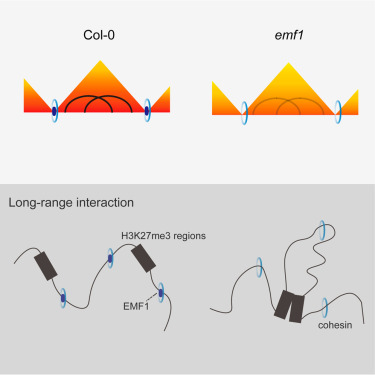
This study is the first to improve and apply Micro-C-XL in plants: a technique based on (Hi-C), using FA + EGS, and using MNase nuclease for cleavage, deciphering the chromatin structures with single nucleosome resolution, and applied it in Arabidopsis, rice, soybean.
By integrating large-scale ChIP-Seq datasets of transcription factors and chromatin protein factors with large-scale short-range chromatin loops, it was identified that proteins such as MORC6/7, Pol V, and SYD may be involved in the formation and maintenance of chromatin loops.
Meanwhile, unlike animal genomes, the length of protein-coding genes in plant genomes is relatively short, and there is an urgent need for high-resolution chromatin conformation capture techniques to systematically study the chromatin structures at the gene level.
How to establish a connection between distant regulatory elements and PCGs? Years later, we finally achieved the nucleosome resolution of chromatin structures in plants through Micro-C-XL and attempted to elucidate their molecular mechanisms (https://t.co/QsJ8CTQMC3).
In 2020, we published our first article on the 3D genomics of plants in Nature Communications. Since then, I have been left with many doubts. Hi-C with a resolution of 1kb cannot solve all problems, especially in analyzing transcriptional regulation. (https://t.co/wDSzWpszft)
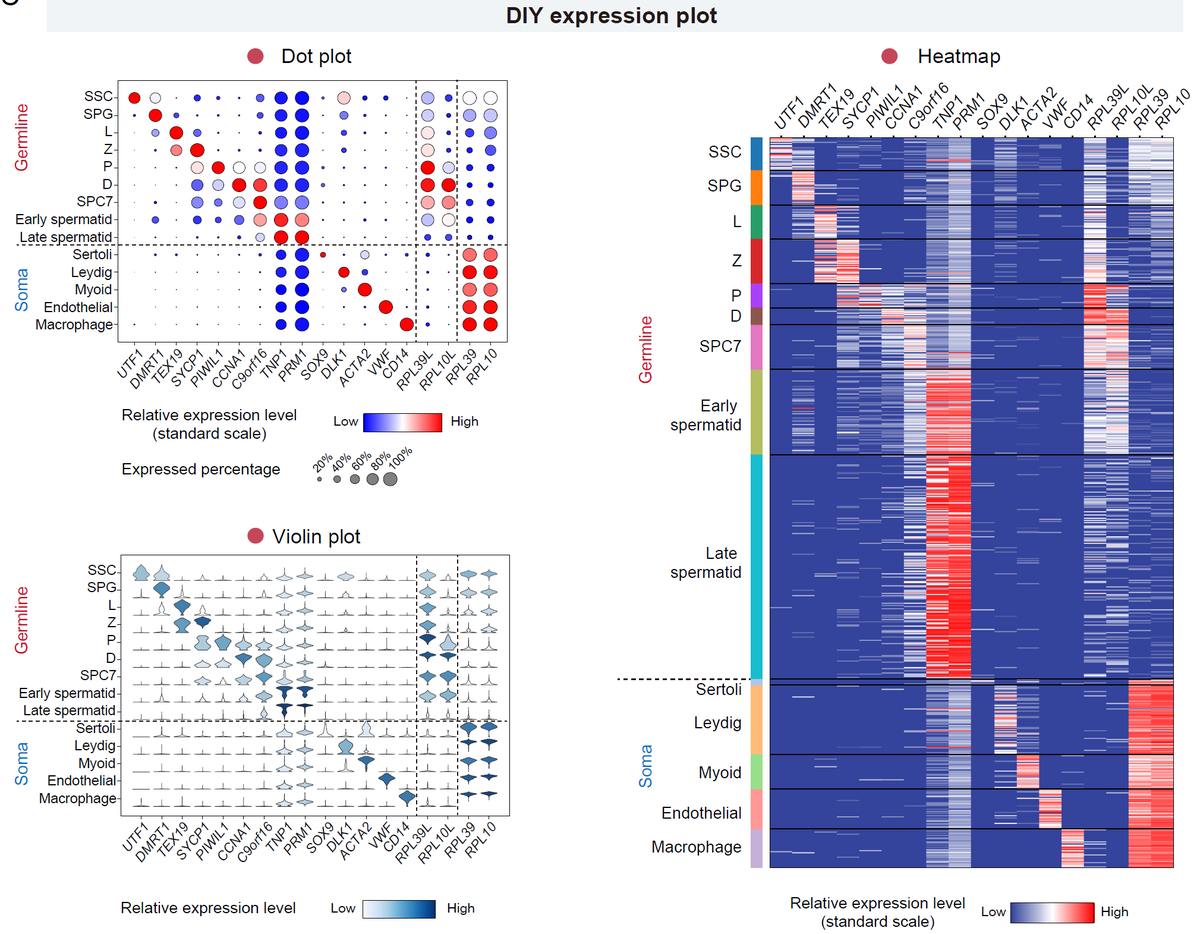
"SMARTdb: an integrated database for exploring single-cell multi-omics data of reproductive medicine" — Read it on @ResearchGate: https://t.co/DfPpnQOLBI
Lab of Prof. Bian have established an online platform for reproductive medicine single cell multi omics (https://t.co/isx7MDLw2l). Covering the main time points throughout the entire life cycle, such as embryos, testes, ovaries, endometrium, and infertility.