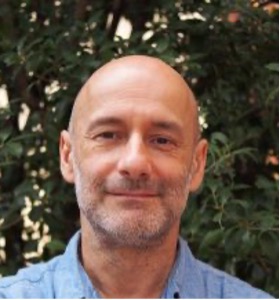
Congratulations to Julie Law, PhD, on her promotion to full professor at Salk! 🎉
Law studies epigenetics—the chemical modifications that regulate DNA activity without changing the genetic code—and how these processes influence development, genome stability, and responses to environmental stress.
Using the model plant Arabidopsis thaliana, her lab has made major discoveries in DNA methylation and recently revealed how transcription factors and DNA sequences can direct new epigenetic patterns, a major conceptual advance in the field.
Her research is helping uncover the fundamental mechanisms that govern genome function while advancing efforts to engineer more resilient crops through Salk’s Harnessing Plants Initiative.
#SalkInstitute #Epigenetics #PlantScience #GenomeBiology #WomenInSTEM
Terrific work led by @TrALEE_Sci on a problem my lab initiated 3 decades ago! We only now have the tools to address the complexity of a standing wave of growth cell by cell!
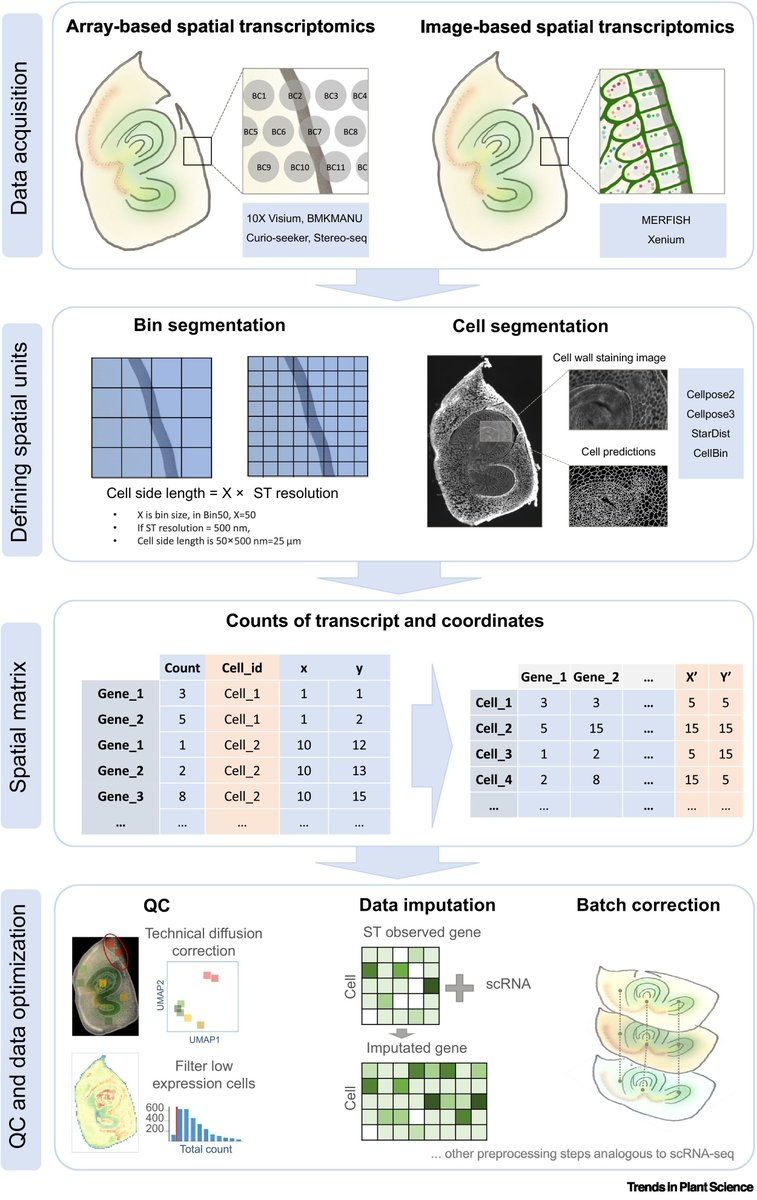
How do cells break symmetry to generate new shape and form? Using the apical hook as a model, we @JoeEcker applied spatial and single-cell multiomics, and identify a regulatory hotspot in a transient cell niche that drives this U-shaped structure 1/8
https://t.co/1aYkTheBZ8
@AlonsoStepanova
It has been a great start to the summer in the Alonso-Stepanova lab. First, Jose was elected to the National Academy of Sciences, and just yesterday, Anna was appointed as a William Neal Reynolds Distinguished Professor. Two great honors for our lab.
Plants can’t escape the heat—but they can adapt 🌱
Salk scientists have discovered a built-in cellular “thermostat” that helps plant roots sense temperature changes and adjust their growth in real time. Instead of making new proteins, plants rapidly activate existing ones—allowing roots to keep growing and access water and nutrients even in fluctuating conditions.
Why it matters: Understanding how plants respond to environmental stress could help scientists develop crops that stay resilient as temperatures rise.
Learn more: https://t.co/PRr9HGs3vj
#PlantBiology #ClimateScience #FoodSecurity #SalkInstitute
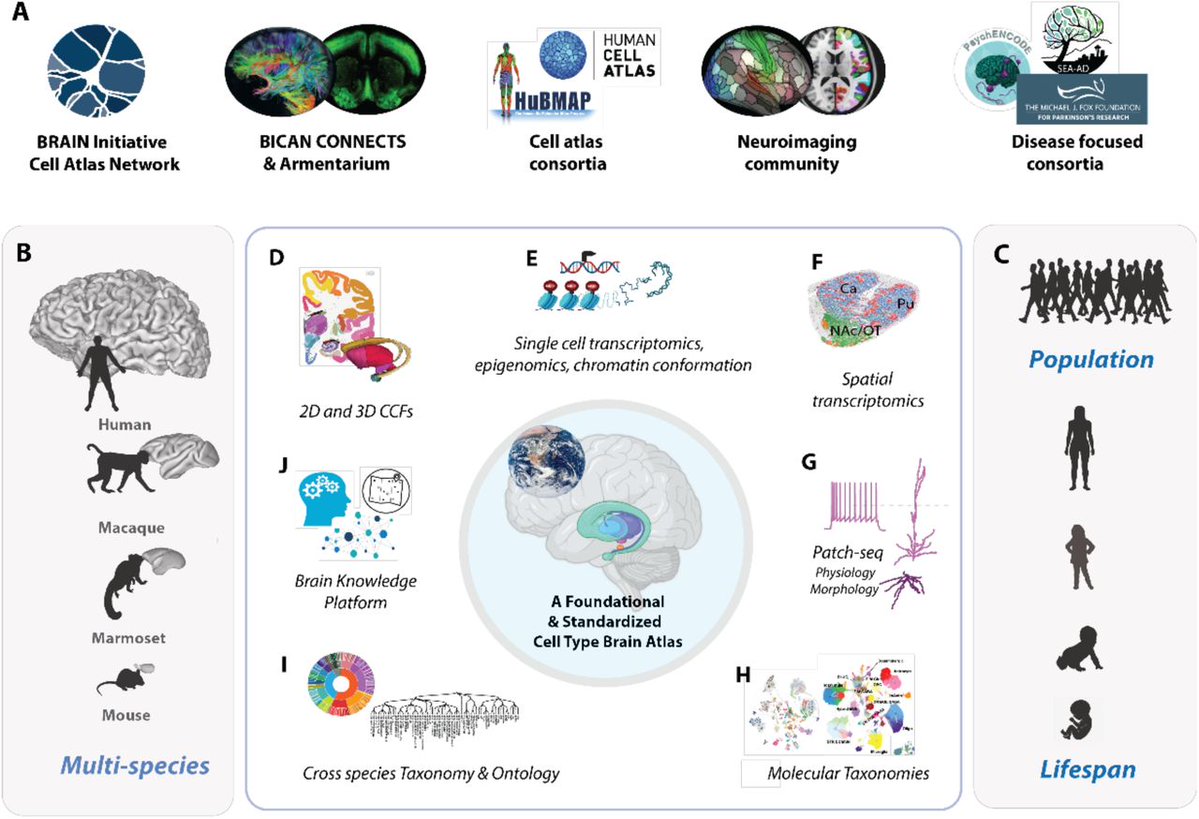
Epigenetics Update - A Community Standard Multispecies Cell Atlas of the Basal Ganglia https://t.co/goHg3mnulW
A new bioRxiv pre-print from the BRAIN Initiative Cell Atlas Network (BICAN)
#Epigenetics#Chromatin#BICAN#PairedTag#EpigenomeTech
---
https://t.co/WmSYDGWPJD
With the election of Joe Kieber @UNC in 2021 #NAS159, three Eckerlab alumni have now been elected to the NAS. Truly blessed by such talented scientists! 🌟
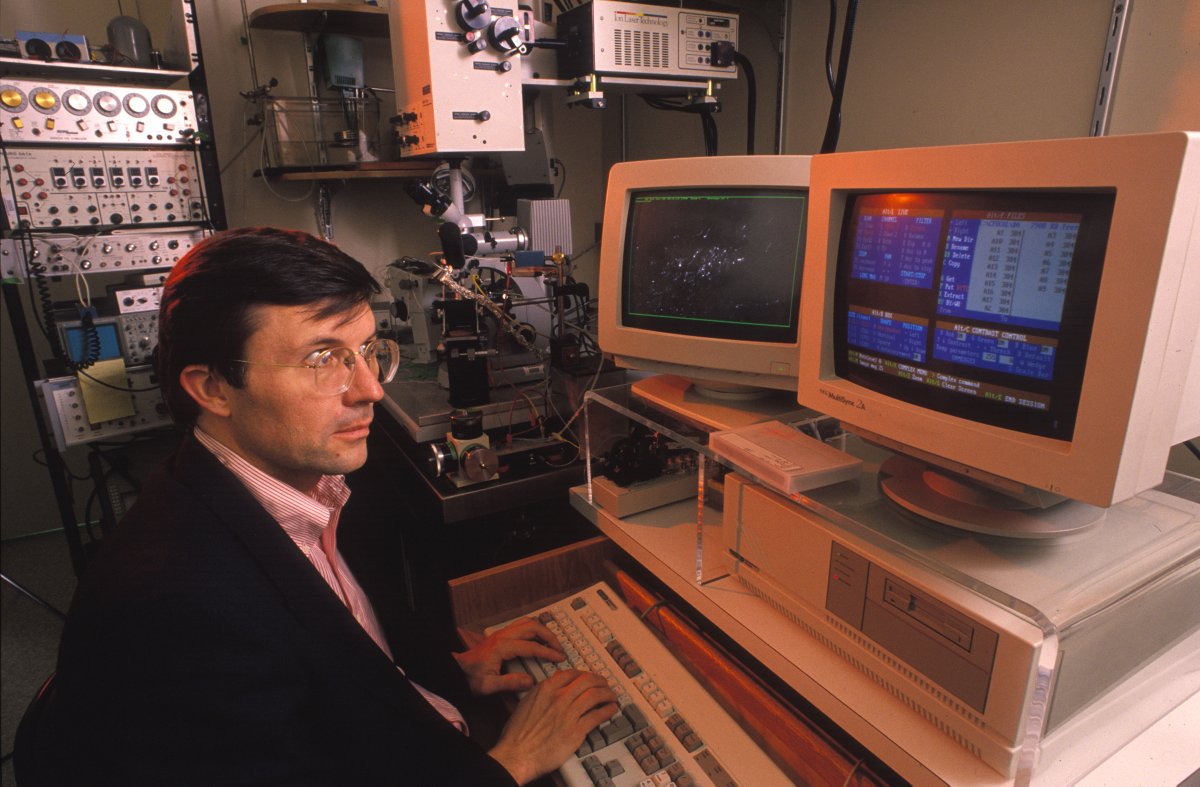
Salk scientist Terrence Sejnowski has been named a recipient of the 2026 World Digital and Frontier Technologies (WDFT) Scientific Breakthrough Award alongside Nobel Laureate Geoffrey Hinton, PhD.
Launched at the 2025 United Nations World Summit for Social Development, the WDFT Awards honor pioneers advancing technology for the common good. Sejnowski and Hinton are recognized for their development of Boltzmann machines, which "provided the foundational probabilistic framework for modern AI deep learning."
Check out this photo of him from 2003 — when our computers weren't handheld!
Read more >> https://t.co/zKiIWahp08
Excited for @OpenAI Forum on 4/22 @joyjiao12@gracexyzheng!
One of the biggest opportunities in AI x bio is learning data from native physiology in vivo to decode complex disease: context matters. We’ll also be discussing the newly released GPT-Rosalind! Come hear what’s next 👇
Great honor to celebrate Peter’s legacy at @MPFNeuro!
Grateful for colleagues @scrippsresearch @HHMIscience, mentors pushed me think deeply about questions to pursue, outstanding collaborators, and my fantastic team.
Feeling fortunate and reminded to pay it forward + sideways
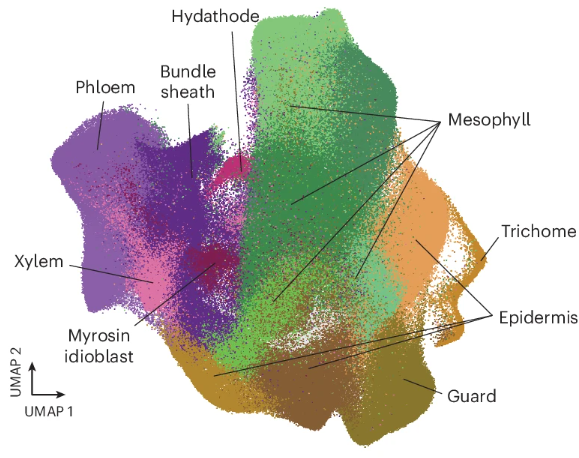
🌿 New paper from the lab out in @NaturePlants! We built a single-cell atlas of Arabidopsis leaf development to ask: how does drought reshape leaf gene expression at the cellular level?
https://t.co/rAaY3UvcaH 🧵
Congrats to lead author Joseph Swift and the team: Xuelin Wu, Jiaying Xu, Carl Procko, Tanvi Jain, Natanella Illouz-Eliaz, Joseph Nery, and my dear departed colleague Joanne Chory @SalkInstitute @HHMINews
Data: GEO GSE290214
Atlas:https://t.co/sY0J0yijO6
https://t.co/VIfOGxp6Hc
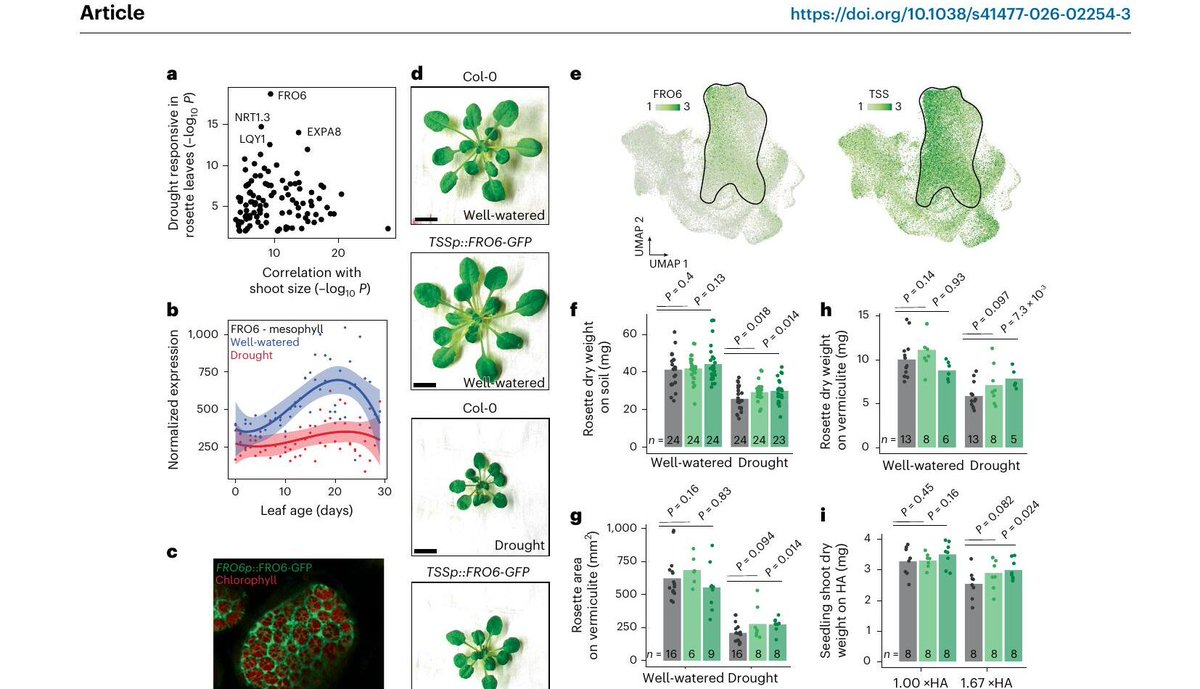
This led us to FRO6 (FERRIC REDUCTION OXIDASE 6) — a mesophyll gene repressed by drought. Overexpressing FRO6 specifically in the mesophyll partially restores leaf growth under drought, without affecting well-watered plants. 🌱