The Journal of Clinical Lipidology is a leading peer-reviewed journal covering clinical lipidology. Editors-in-Chief: Kevin C. Maki, PhD, & P. Barton Duell, MD.
#JCLSpotlight: In this cohort study, patients with sHTG & eHTG had significantly higher incidence of AP & CV events vs normal TG, with risk increasing stepwise by TG level, especially for AP.
🔗 https://t.co/aUXLeNMbrR
The June edition of the JCL is live — have you looked yet?
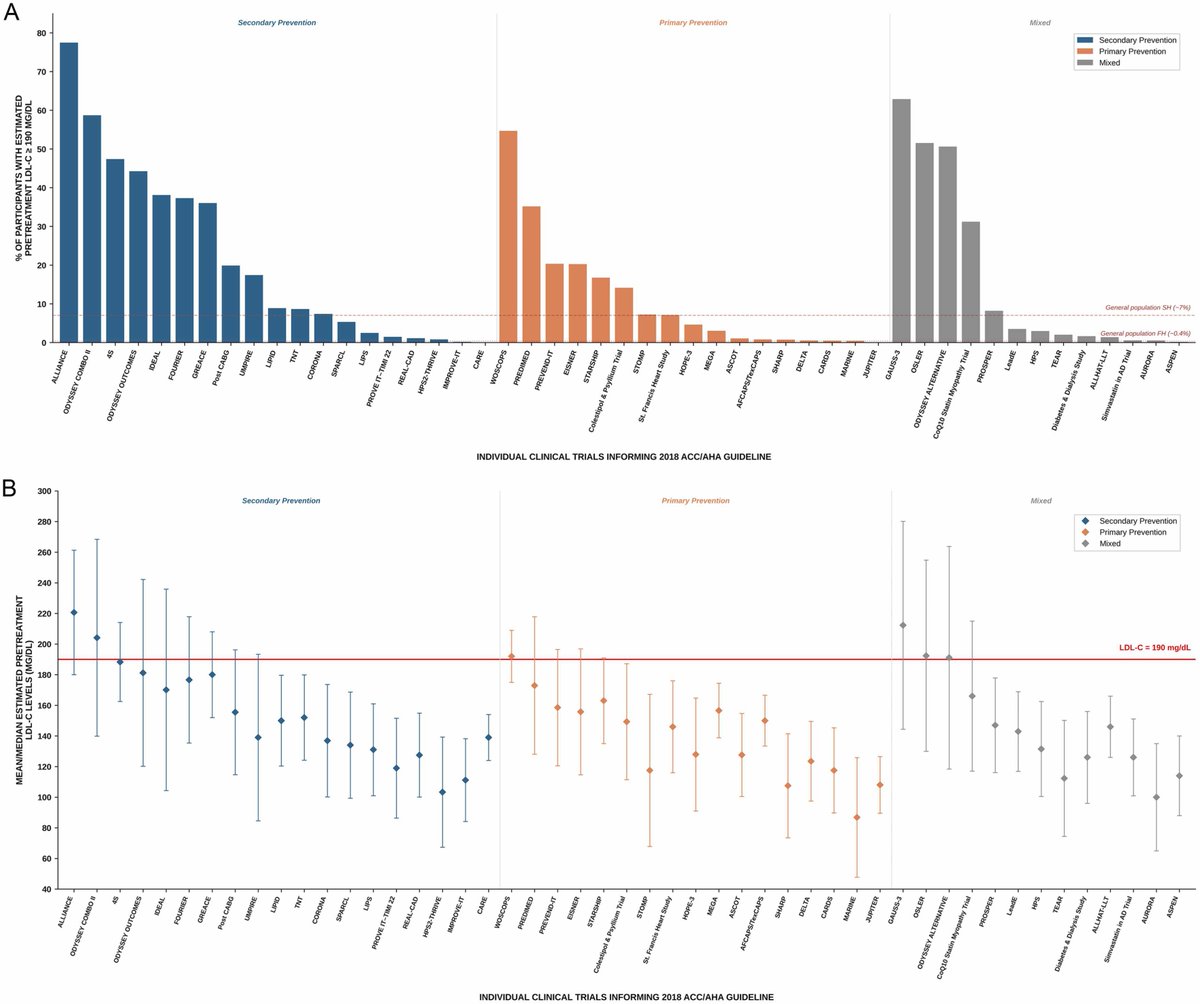
First in the #JCLSpotlight: Could pretreatment LDL-C calculation at trial enrollment identify undiagnosed SH and enable opportunistic FH screening?
🔗 Read more: https://t.co/yYTGZZzQBb
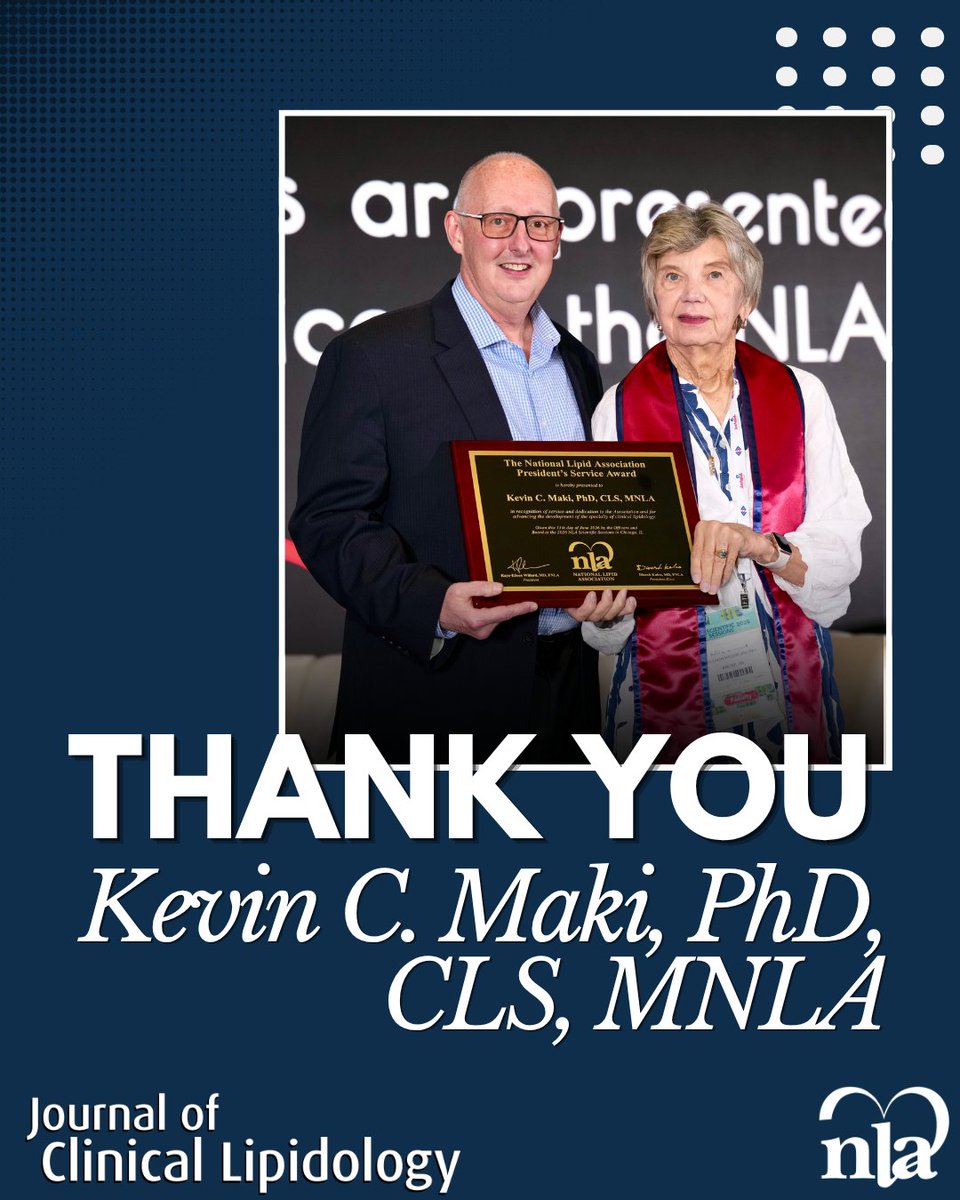
Today marks a bittersweet milestone as Kevin C. Maki, PhD, CLS, MNLA and Mary R. Dicklin, PhD complete their time with the Journal of Clinical Lipidology.
Dr. Maki has served as the JCL's Co-Editor-in-Chief for the past three years. Alongside him, Dr. Dicklin — Senior Principal Scientist at Midwest Biomedical Research — has served as Executive Editor and, we often call her, the "glue" holding it all together. Together, these two have been essential to the journal's growth and success.
And we can't think of a better note to end their tenure on, the JCL's new Impact Factor of 6.9, an increase of more than two points from last year.
We are endlessly grateful for the time, dedication, and commitment Drs. Maki and Dicklin have given to the JCL over the years. While we're sad to see this chapter close, we cannot wait to see what comes next for both of them.
Please join us in congratulating Dr. Maki and Dr. Dicklin in the comments below!👇
@SystematicIRE
📢 A new publication in the @LipidJournal:
"From Prediction to Prevention: A Narrative Review of Strategies to Connect Patients with Familial Hypercholesterolemia to Evidence-Based Interventions"
This publication represents a collaboration between the Family Heart Foundation's FIND Lp(a) participating healthcare systems. The manuscript acknowledges that familial hypercholesterolemia (FH) remains underdiagnosed and undertreated, reviews the various approaches to reduce the implementation gap from patient identification to initiation of guideline-directed therapy, and concludes that integrating digital health innovations, multidisciplinary care, and patient engagement tools are essential to reducing preventable morbidity and mortality associated with FH.
View publication:
https://t.co/PVBQPAchZZ
#KnowFH #FINDLpa #FINDFH
Journal of Clinical Lipidology has reached an Impact Factor of 6.9 in the 2025 Journal Citation Reports™ (Clarivate) — up from 4.9 in 2024.
NLA is grateful to everyone who makes JCL a premier publication in cardiometabolic medicine.
#Lipidology#PreventiveCardiology#JCL
#JCLSpotlight: SGLT2i use in diabetic CAD patients was associated with modest LDL-C reductions and lower mortality/MACE risk, supporting further evaluation of their lipid-modifying role in secondary prevention.
🔗 https://t.co/8ybbvvRg3w
#JCLSpotlight: Baseline apoB may drive long-term MACE recurrence in very young ACS survivors, highlighting its potential utility for risk stratification beyond traditional lipid markers.
🔗 https://t.co/mIMLJ4OX2C
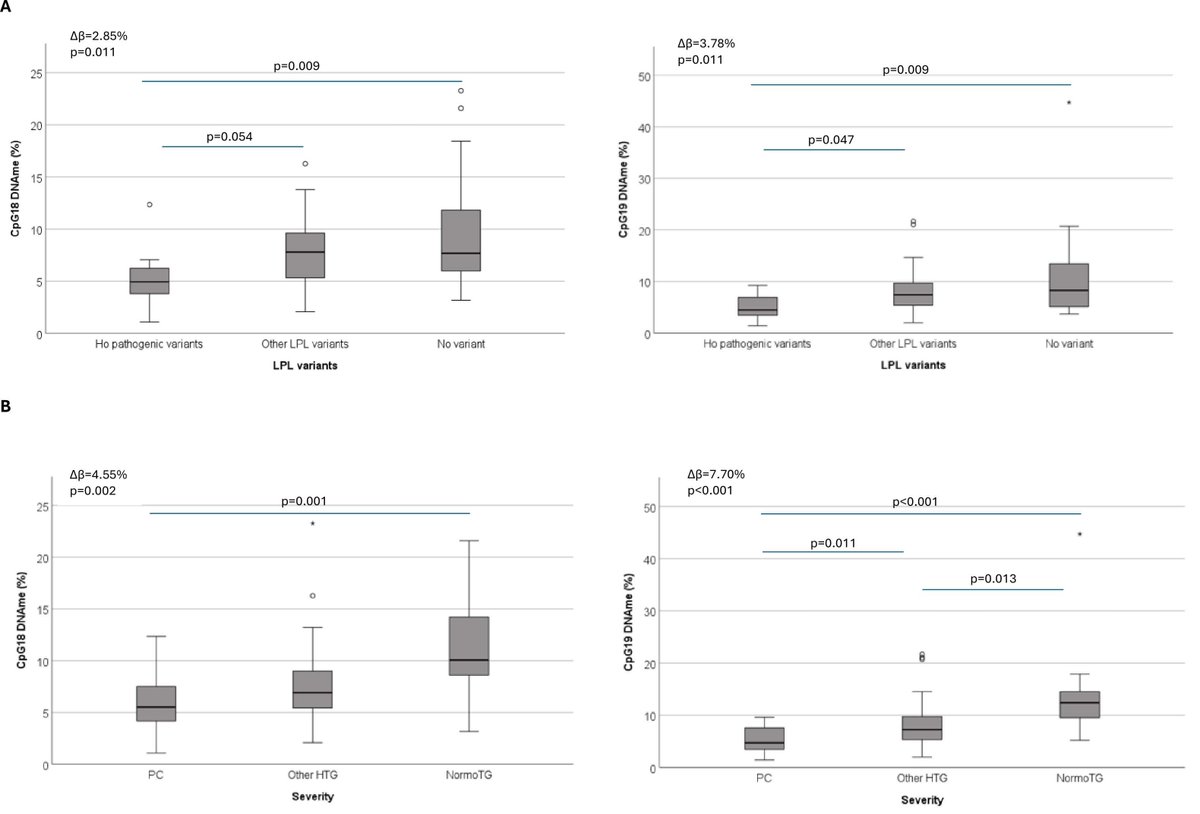
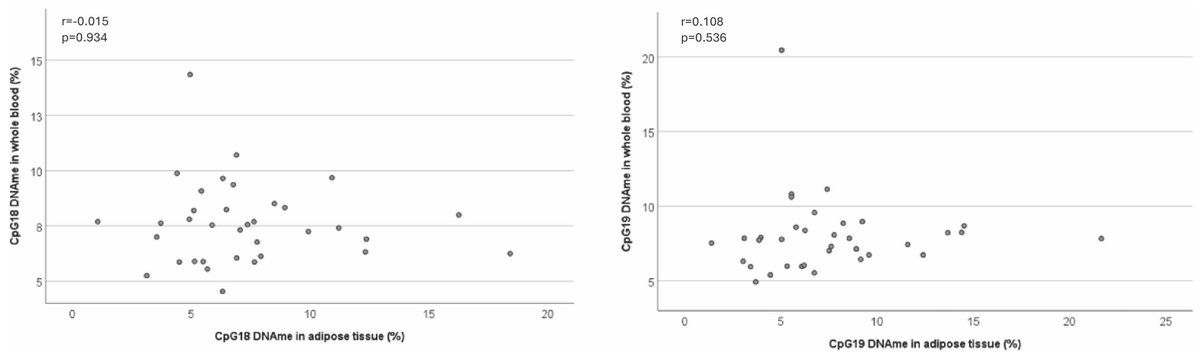
#JCLSpotlight: LPL DNA methylation in adipose tissue differed in patients with PC compared with others, highlighting that different factors might contribute to PC and its associated risks.
🔗 https://t.co/4F9wG4KFVH
#JCLSpotlight: Two-year pemafibrate treatment significantly improved liver stiffness & hepatic parameters in patients with MASLD, independent of weight loss or fat reduction, suggesting direct antifibrotic mechanisms.
🔗 https://t.co/xdDo84THCw
#JCLSpotlight: Elevated RC baseline levels, variability & cumulative exposure are independently associated with increased stroke risk in patients with AF, underscoring the need for lipid-lowering strategies targeting RC.
🔗 https://t.co/CMkrufFVpI
👉 ApoA-1 versus HDL-C as markers of cardiovascular risk
🤔 HDL-C or ApoA-1: which better reflects cardiovascular risk?
📍 A new analysis from nearly 300,000 UK Biobank participants revisits one of the oldest debates in lipidology:
📍 Key findings:
• ApoA-1 and HDL-C showed similarly strong inverse associations with ASCVD risk
• ApoA-1 explained most of the protective signal traditionally attributed to HDL-C
• Triglycerides contributed far less than expected
• HDL biology may still matter more than many currently assume
📍 Interesting message from this paper:
The story of HDL is probably more nuanced than simply saying “HDL is not causal.”
📍 Negative HDL-raising trials did not kill the biology.
They only killed simplistic pharmacology.
🔓 Open Access
🔗https://t.co/vwitRDJptF
@LipidJournal@nationallipid@society_eas@JohnKastelein@Drlipid
The May edition of the Journal of Clinical Lipidology is LIVE & we're starting strong.
#JCLSpotlight: Initiating triple LLT at ACS hospitalization may markedly reduce CV events through earlier and more complete LDL-C target achievement.
🔗https://t.co/U0eeTgztDp
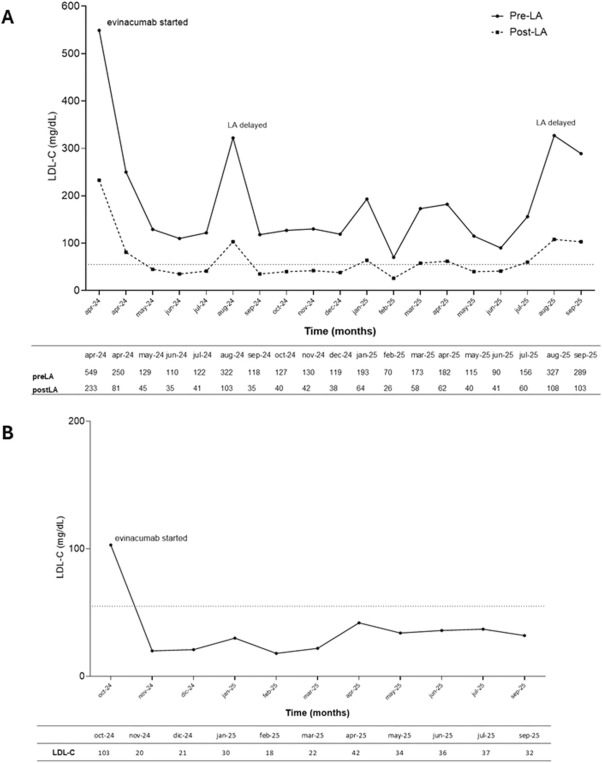
#JCLSpotlight: Evinacumab achieved up to 82% LDL-C reduction in 2 autosomal recessive hypercholesterolemia cases — both without functional LDL receptors — highlighting the importance of early, intensive therapy.
📄https://t.co/sm9MH8Qr2p
#JCLSpotlight: A rare case of Niemann–Pick disease type B with sea-blue histiocytosis presenting as decompensated cirrhosis — where histopathology provided key diagnostic evidence when enzyme and genetic tests were unavailable. 📄 https://t.co/03agqyFJt1
The 2026 ACC/AHA/Multisociety Dyslipidemia Guideline joins the growing international consensus: Lp(a) should be tested at least once in all adults.
@MWilkinsonMD and @MarlysLPA discuss the implications in the JCL 👉 https://t.co/vYhFxcuyu9
#JCLSpotlight: Repeat Lp(a) testing is generally unnecessary but could be considered in those near risk thresholds or those being evaluated for Lp(a)-lowering therapies.
Read more: https://t.co/k2n8n2fEVh
HoFH is the most severe and difficult-to-treat form of FH. On #HoFHAwarenessDay, we invite you to read @nationallipid's expert clinical consensus on FH in the JCL, including updated guidance on HoFH treatment and management.
🔗https://t.co/Do47uspQ4M
#JCLSpotlight: Higher serum AIM levels were associated with altered lipid metabolites and predicted incident dyslipidemia, with the strongest link to elevated LDL-C seen in women.
Read more: https://t.co/eowrEUYQkU
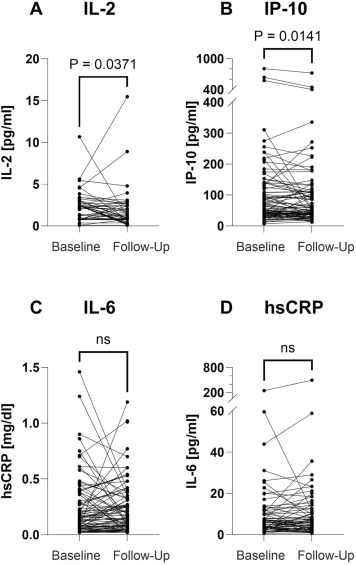
#JCLSpotlight: PCSK9 inhibition reduces LpPLA₂ and IP-10 without altering the global inflammatory response or HDL antioxidant function, suggesting a decrease in chronic vascular inflammation without broad systemic immune effects.
📄 https://t.co/W3DLrnR2Aj