A first-of-its-kind experience for global operators and bank skeptics. Virtual accounts, global payments, stablecoins, hard assets, yield, AI and much more.
Blockchain can disrupt the modern financial system if it can either (1) integrate with the existing financial system and/or (2) provide an exit from the existing financial system.
To this end, the only useful companies in this space are (1) driving the maturation of digital assets into a regulatory-compliant asset class and/or (2) empowering consumers and organisations in ways that existing financial systems cannot.
liquid does both.
https://t.co/LBdq7BEW7R
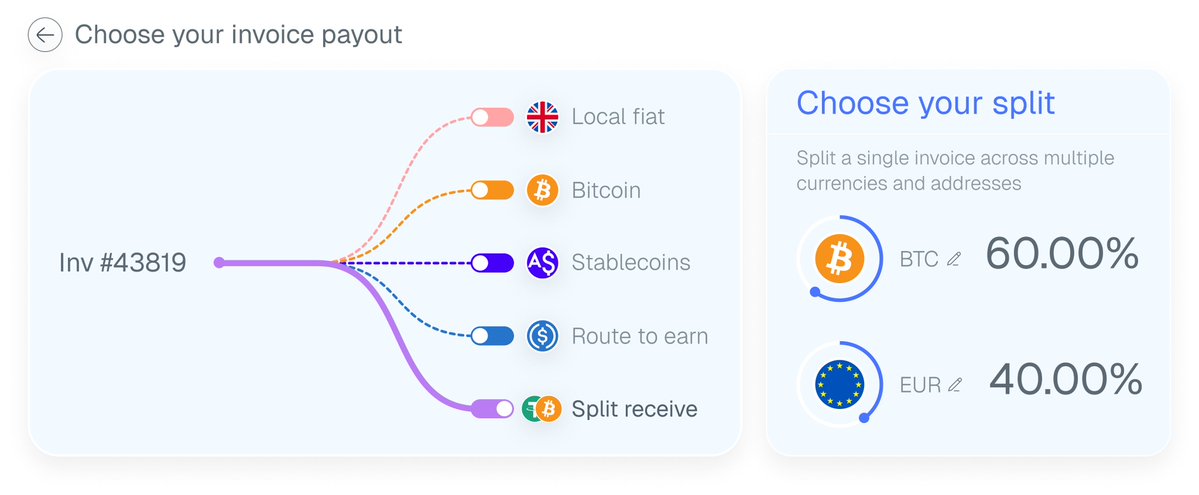
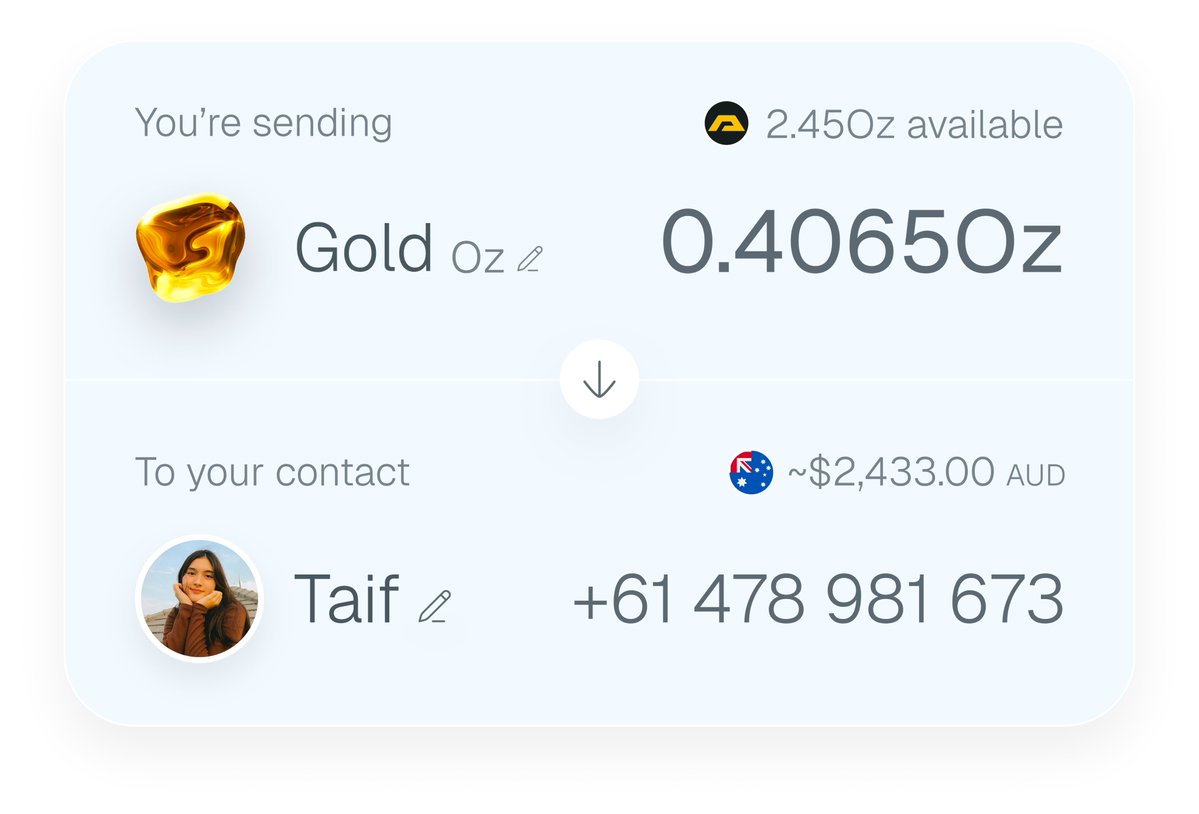
Most transfer companies choose the currency for your recipient. liquid lets your recipient choose the currency: fiat, stablecoins, bitcoin or gold.
Stay liquid.
Why does nobody talk about whether a transfer holds its value?
You might have saved 1% on the fee, but the currency lost 8% last year to inflation.
We see MTOs that are restricted to fiat as out of touch with the times.
So liquid delivers enduring value across gold, bitcoin and yield-bearing stablecoins.
https://t.co/DzCr16nDAL
An overseas client pays your invoice on Friday night.
But international bank transfers pause on weekends.
Which means your business waits at least until Monday for revenue already earned.
So rails settles invoices in stablecoins, 24/7/365, on your clock instead of the bank's.
https://t.co/MYciwhqgUx
liquid is the engine for modern, global payments.
Send value globally across local currency, stablecoins, bitcoin and gold, all from one account.
Any rail, any currency, any time.
You pay in stablecoins. Your designer in London receives pounds in an ordinary bank account. Neither of you touches a chain.
Today, a payment like that has two halves and both are awkward. Either you send the stablecoins and your designer has to learn wallets, networks and gas, or you convert to pounds first.
The constraint everyone has quietly accepted is that sender and receiver must agree on the form of the money. One of them has to change how they work.
Remove that and a payment carries two instructions instead of one. What leaves your wallet and what lands in their account become separate decisions, both set before the money moves.
So the payment runs straight through, from your own wallet on liquid to their bank.
~ US dollar stablecoins leave the wallet you control
~ the conversion to pounds happens in transit, at the rate quoted before you send
~ payout lands as a local bank transfer, in their currency
Which means you keep your treasury in the money you chose, and your contractor gets paid in pounds. Networks, chains and banking hours stop being anyone's problem.
https://t.co/MYciwhqgUx
Every transfer app asks which country. None of them ask which money.
The last decade was spent making global transfers cheaper and faster, but the shape of them never changed: local currency in, local currency out. You pick where it goes and a company picks what it lands as.
We think that's the wrong approach.
So you choose what your money becomes when it arrives. Gold, bitcoin, stablecoins, fiat. 4 kinds of money. 40 countries. 1 account.
How do we grow the Aussie stablecoin market? Make them work with the US majors.
The current flow is a client will pay their invoice in the stablecoin they already hold - likely USDC or USDT.
Asking them to send an Aussie stablecoin or asking them to send USDC to an exchange so you can swap it manually is antiquated.
So what if clients could send US majors and the payment lands as Aussie digital dollars without any prior coordination?
The fix is to stop treating a payment as one object that both parties have to agree on. It is two ends. What leaves their account, and what lands in yours. The middle is reliable, invisible routing.
That's what we do.