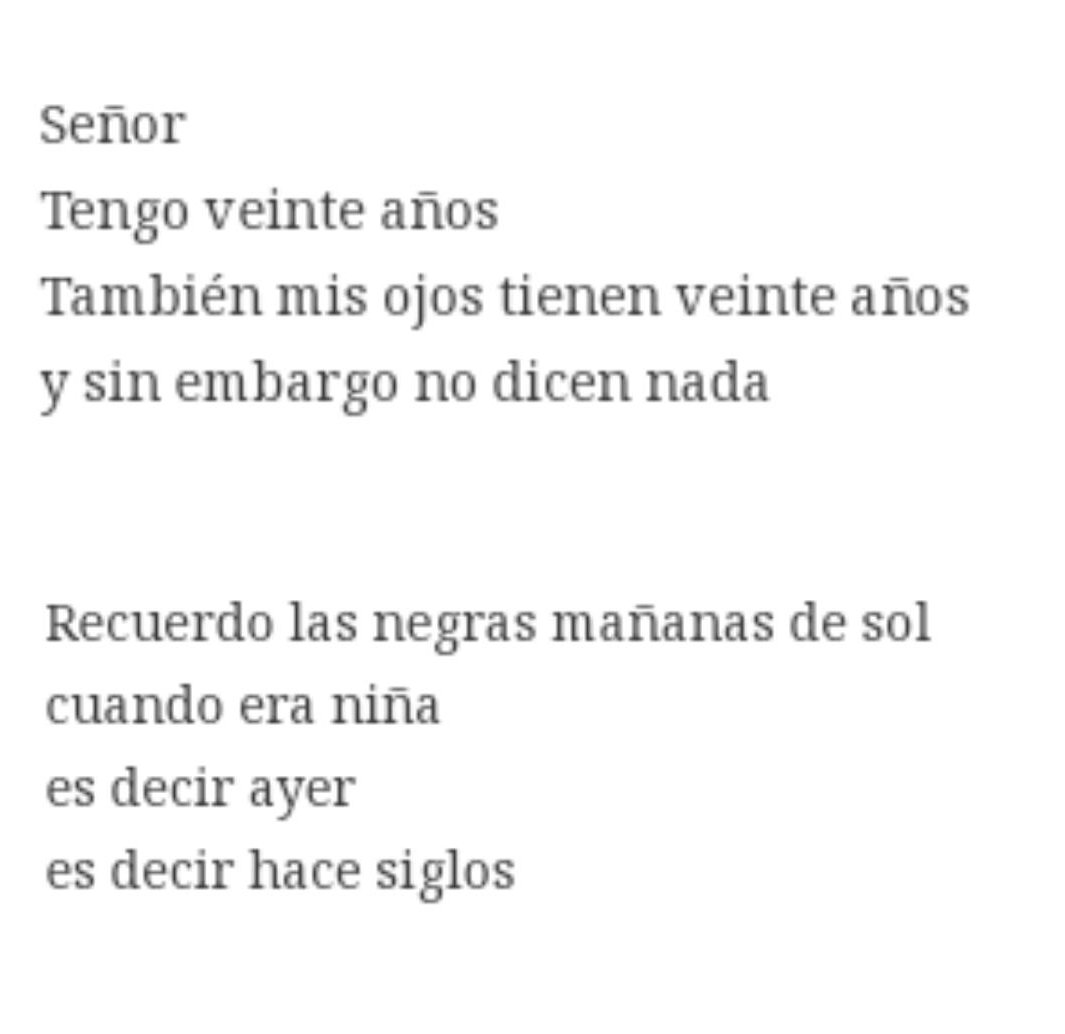
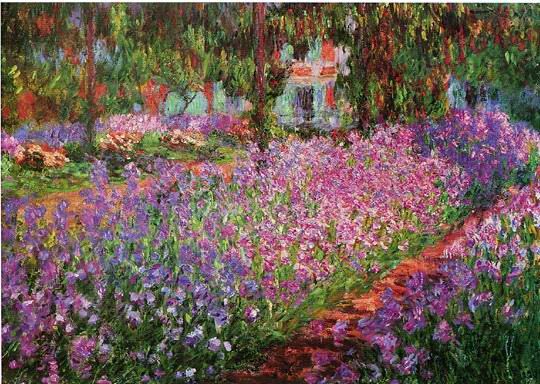
Uno de mis poemas favoritos de Pizarnik. Antes de tener 20 tuve ese miedo de sentir que la vida avanza muy rápido y no logro conocer todo, a quedarme en el mismo lugar o de avanzar, de que sea muy pronto o muy tarde. Aún así deseo seguir aprendiendo de la inseguridad y del cambio
1/ New paper out in Nature Communications! We studied the salivary amylase gene, AMY1, in Indigenous Andean populations and found evidence that high AMY1 copy number rapidly increased in frequency, likely through recent positive selection.
https://t.co/06gCctqBri
New issue alert👉https://t.co/7FRErzTZZr
Yoshida et al. present 3D, single-cell-resolution atlases of multiple adult mouse organs and of the entire neonatal mouse. The artwork reimagines Klimt's decorative motifs to reflect the organization and vast scale of individual cells.
Here's the short story of how I got into flower bioengineering! 🌹🧬✨
This was my application for the @osvllc fellowship (they're taking applications now!)
It is by studying non-model organisms that biotechnologists have, historically, found the most useful tools.
Taq polymerase and CRISPR were both discovered in weird extremophiles. GFP was first isolated from jellyfish caught off the coast of Friday Harbor, Washington. Luciferase came from the North American firefly. Rapamycin, an immunosuppressant used in organ transplants, came from Easter Island soil microbes.
Many more useful discoveries are surely awaiting, if only we could grow the many lifeforms that nobody has yet studied in any meaningful way.
For my latest @AsimovPress column, I explain how @CultivariumFRX developed a robot that can transform (or get DNA into) all kinds of new, non-model microbes, thus expanding the slice of nature we can study in the laboratory. I think it could be a really big deal for biology.
“I think that people need to understand that basic research is an investment. It’s an investment in our future.”
Frances Arnold will join us for this year’s Nobel Week Dialogue on 9 December where we will tackle issues including how mental health, diseases of ageing and the prevention of chronic disease conditions must rise up political agendas.
Nobel Prize laureates, academics, innovators and policymakers will explore one of the most urgent challenges of our time: how to deliver equitable, effective, and sustainable healthcare in the 21st century. The event will be live streamed on https://t.co/m577HIID0a.
In a new interview with Arnold she emphasises how science flourishes through open exchange of ideas, sustained investment in basic research and collaboration across borders to drive future innovation and sustainability.
Read the interview: https://t.co/VxHkfW862p
Congrats, Lizbeth, Giselle, Roberto, @litzyy31@BioremLab for their paper "Artificial Intelligence in food and bioprocess industries: Addressing food security challenges" in #Food_and_Humanity. Thanks to Doctors Jazel, Lourdes & Julio for their contribution and support.
Our review "Advances in microbially induced carbonate precipitation metabolic pathways and regulatory mechanisms for bioconcrete development" in J Sustain Cem Based Mater. Congrats to Litzy, Jesus, Jorge, Rubi, Pris, Alan & thanks to Majo, Miriam & Raji https://t.co/bx9KpVPMyR
"Build your opinion on facts, data and knowledge.”
Chemistry laureate Ben Feringa urges us all to build our opinions on facts, data and knowledge.
Watch the full student roundtable here: https://t.co/W0v50bv06R
#NobelPrize
Edward Lewis's work on fruit flies @Caltech laid the foundation for what is now known about genes that regulate the development of specific regions of the body. He found that the positions of fruit flies' bodily organs matched the corresponding genes' positions on the chromosome.
Photo: Courtesy of the Archives, California Institute of Technology