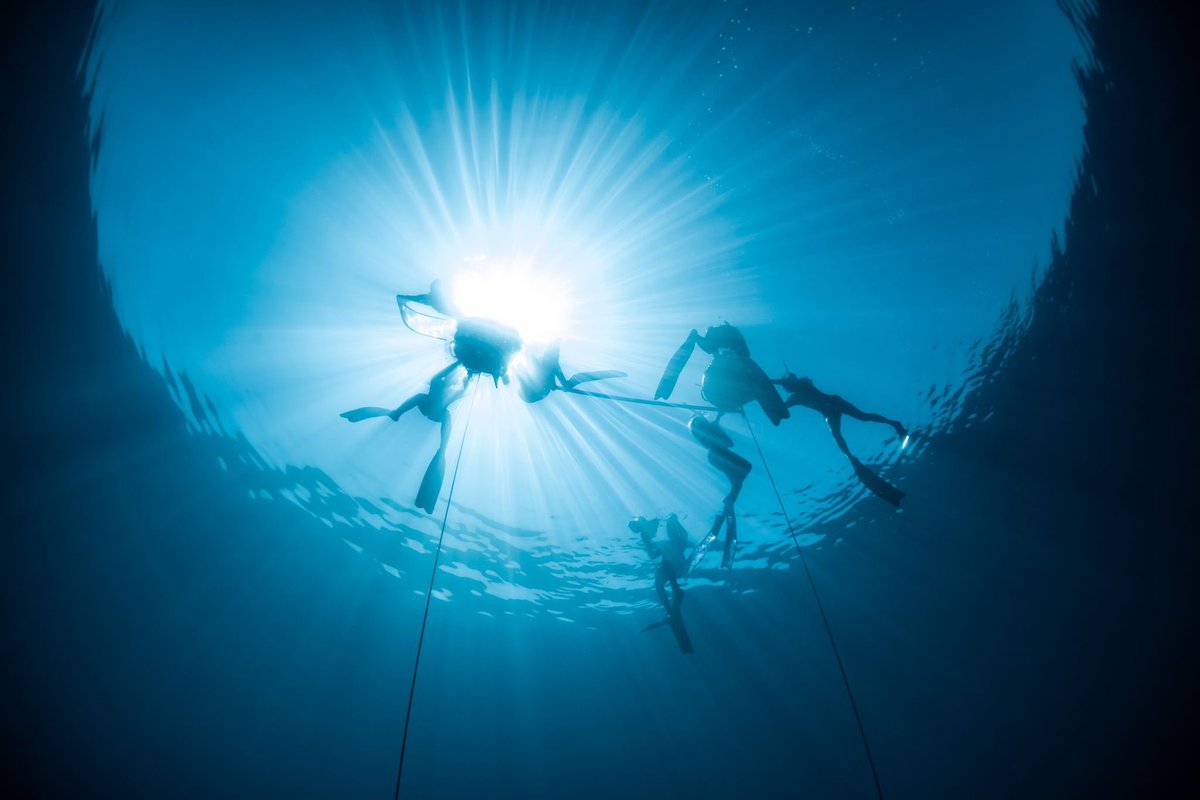
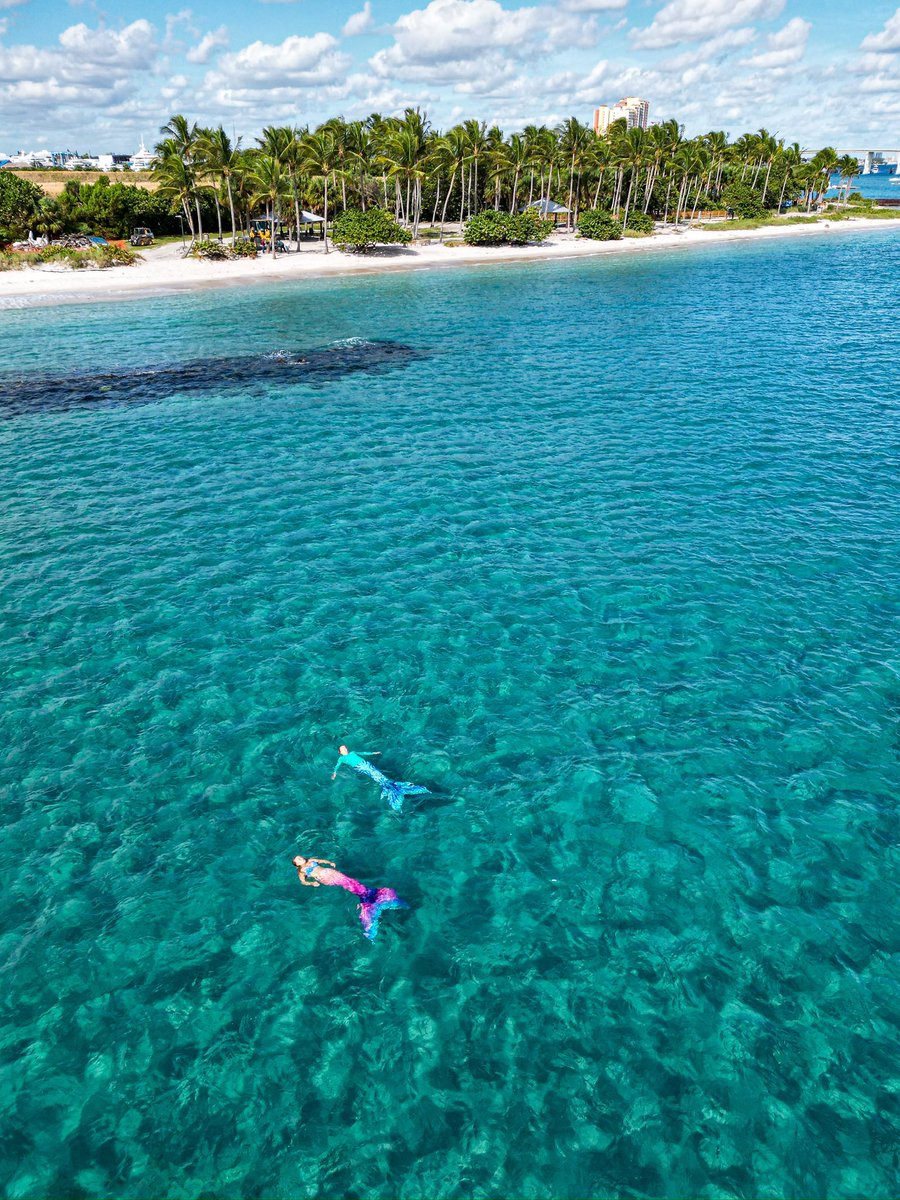
South Florida Freedive Fest is back! 🌊💙
Join us July 16–21, 2025 in Palm Beach, FL for 6 days of diving, workshops, yoga, and real community.
Whether you’re new to freediving or a seasoned diver, you’ll feel right at home.
https://t.co/ERqM0nPCvR
South Florida Freedive Fest is back! 🌊💙
Join us July 16–21, 2025 in Palm Beach, FL for 6 days of diving, workshops, yoga, and real community.
Whether you’re new to freediving or a seasoned diver, you’ll feel right at home.
https://t.co/ERqM0nPCvR
🌊 Did you know?
Freediving can lower your heart rate to as low as 30 bpm. That’s slower than most hibernating animals!
It’s one of the reasons freediving feels so calming—it brings your body into a state of deep relaxation.
🔗 Want to learn more about freediving? Check out these resources:
•Freediving physiology: https://t.co/kV9vvC7ehw
•The Mammalian Dive Reflex explained: https://t.co/wsBGE53kup
•Freediving safety tips: https://t.co/0b2I8xPEQj
Breathwork is more than just breathing—it’s a tool for healing, mindfulness, and connection. From reducing anxiety to boosting your immune system, these benefits show how powerful your breath can be.
Take a moment today to slow down, inhale deeply, and exhale the stress away. 🫁
5 Fascinating Facts About Freediving 🧵
1/ Freediving isn’t new. Humans have practiced it for thousands of years. Ancient pearl divers in Japan and Korea, known as Ama and Haenyeo, were freediving pros!
4/ The Mammalian Dive Reflex helps freedivers. When you dive, your body slows your heart rate, conserves oxygen, and prioritizes blood flow to vital organs. It’s our primal connection to the ocean!
“Without water, we would not exist. And so the true value is in understanding the nature of water so that we can flow with it, not control it.” 💧
https://t.co/XXJ8O1EEjd
Scientists have mapped the largest coral reef deep in the ocean, stretching hundreds of miles off the U.S. Atlantic coast (and right here in Florida!)
https://t.co/Nrztcpkahd
The Bajau Tribe, also known as sea nomads, originates from the Sulu Archipelago in the Philippines, among other areas in Southeast Asia. Renowned for their remarkable free-diving skills, they sustain themselves mainly through activities like spearfishing in the sea.
Studies have shown that the Bajau people possess a genetic adaptation commonly referred to as the "sea nomad gene." This genetic variant often results in larger spleen sizes among the Bajau, potentially aiding in their ability to hold their breath for extended periods while diving. This physical adaptation is thought to be advantageous for their exceptional free-diving lifestyle.
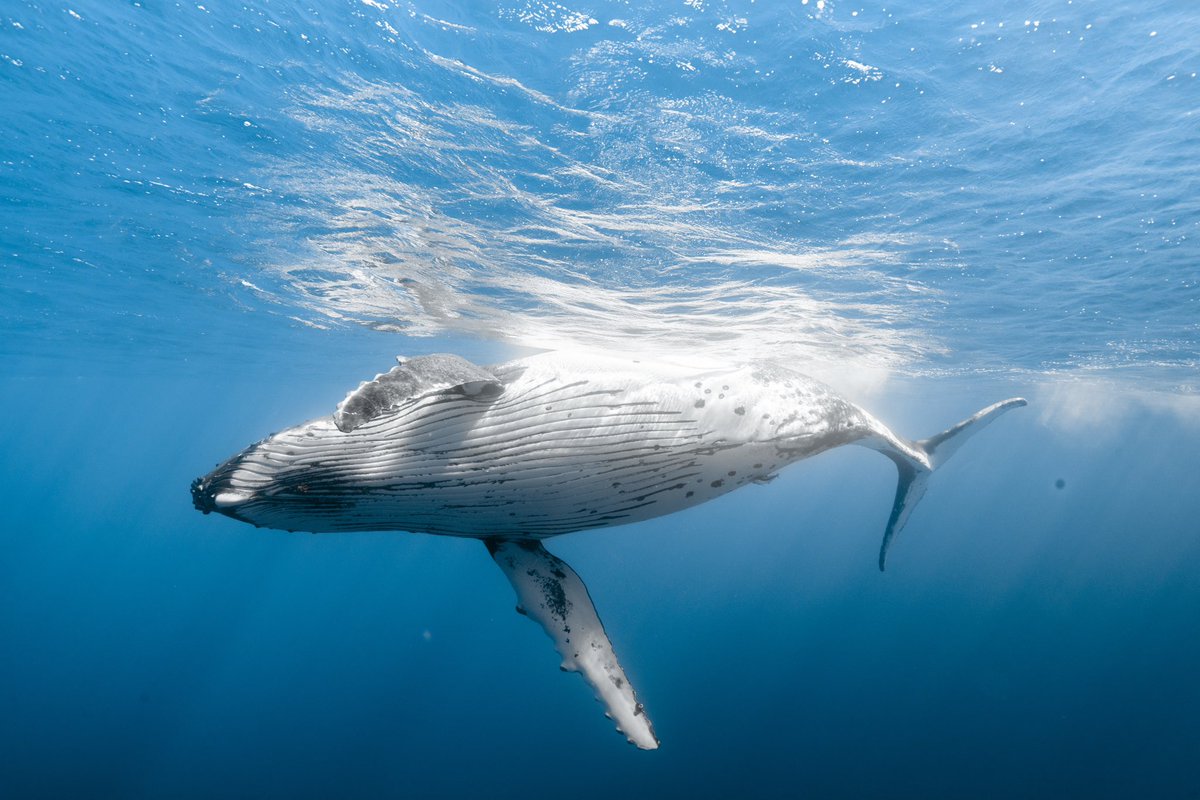
(5/5): Gentle Giants: Despite their massive size (adult humpback whales can reach lengths of 60 feet or 18 meters), these marine giants are known for their gentle and curious nature. Freediving enthusiasts often report peaceful encounters with humpback whales.
(4/5): Incredible Communicators: Humpback whales are excellent communicators and use a wide range of vocalizations to interact with each other. They produce clicks, grunts, and whistles, allowing them to convey complex messages.