@AndrewCFollett We pay into Social Security and Medicare from our paychecks for 40 years and it has not been invested as it should have been. Is that welfare?
Private Medicaid insurers boast big networks of doctors, but many of them don’t actually see Medicaid patients. “Don’t get sick.” https://t.co/Nzpni0l8qK
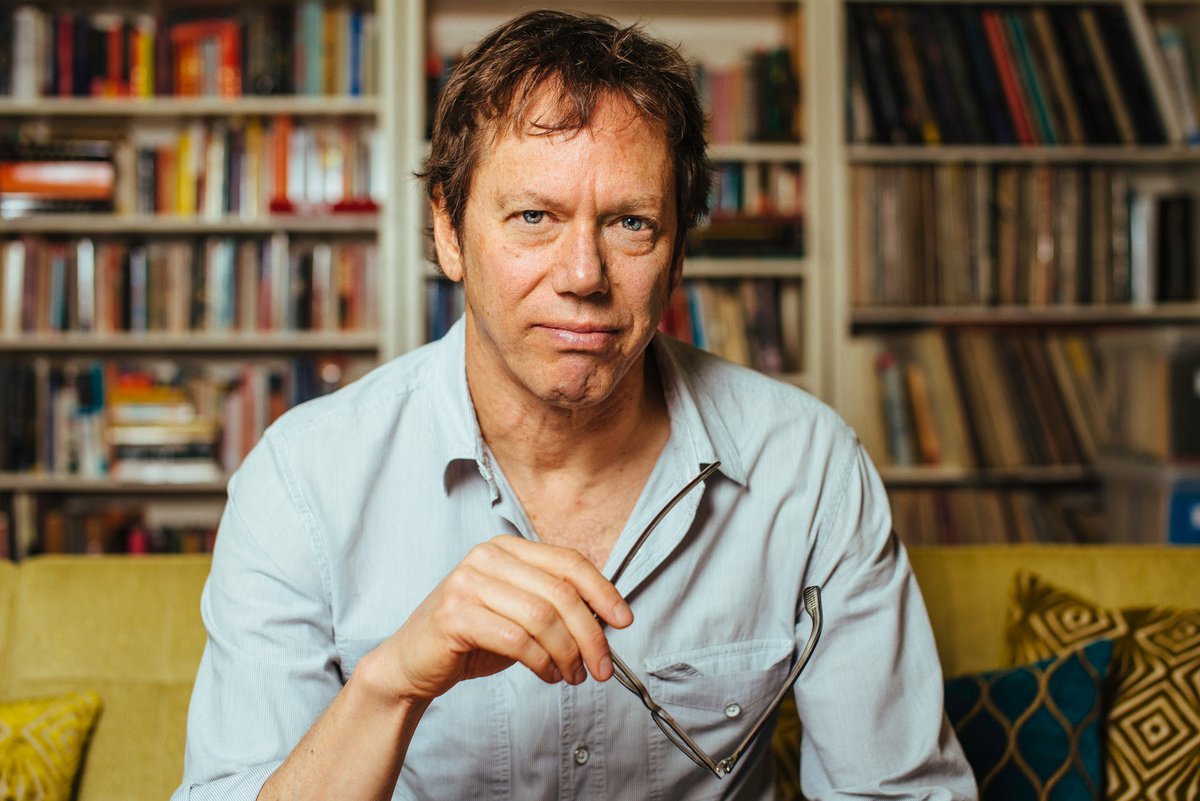
On December 11, 2021, I picked Robert Greene up from the airport, and we drove forty-five minutes to Bastrop, TX.
At one point, Robert told me he’s had more than 20 research assistants since Ryan Holiday and none have been any good.
Why weren’t they any good? I asked.
He said,
“Some didn’t grasp the spirit of the material I look for. Some couldn’t discern what's interesting from what isn't. Some melted like an ice cube in the sun at the first piece of constructive criticism. Some...”
He paused here and thought.
As he was thinking, I understood the implication was that those first three reasons didn't really cut to the core of his troubles with research assistants.
“Without exception,” Robert realized, “they weren’t interested in boredom. It’s a dividing line between people who are successful and people who are not.”
Takeaway 1:
Mastery, Robert said, requires boredom and tedium.
It requires doing the same things over and over and over.
It requires sitting with the frustration of putting in work that doesn't immediately pay off.
It requires sitting with the uncertainty of, am I going to spend sixteen hours reading this biography only to discover there’s nothing in it I can use?
You have to be able to sit with boredom, Robert said.
Takeaway 2:
In another conversation, Robert told me he believes one of the reasons people struggle to sit with boredom is that they have a false idea about the word “creativity.”
“People have all sorts of illusions about the word that aren’t the reality,” he said.
“The reality is that creativity is a function of the previous work you put in. If you put a lot of hours into thinking and researching and reading, hour after hour—a very tedious process—creativity will come to you…It comes to you, but only after hours and hours of tedious work.”
I like this definition because it means creativity is not some mysterious form of magic. It’s something that is rewarded to those who put in hours and hours of boring, tedious work.
- - -
“One sign that you're suited for some kind of work is when you like even the parts that other people find tedious.” — Paul Graham
Follow @bpoppenheimer for more content like this!
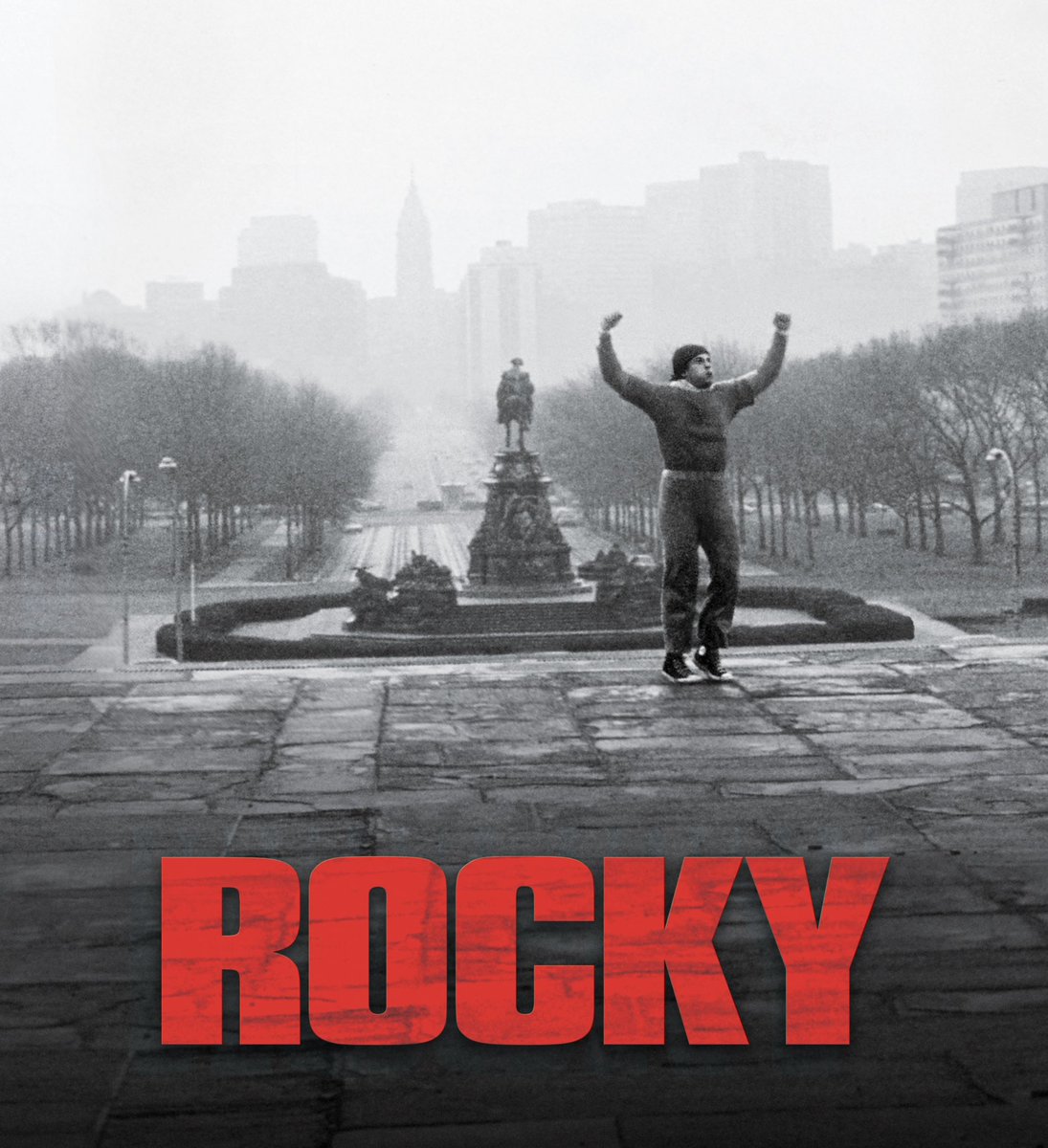
In 1975, Sylvester Stallone wrote the screenplay for "Rocky."
He shopped the script to every producer and studio in Hollywood, but he was repeatedly rejected.
Eventually, one production company, Chartoff-Winkler Productions, expressed interest.
But there was one condition...
They didn't want Stallone to play Rocky.
They wanted a "more marketable actor" for the leading role.
In fact, they were so desperate for Stallone to *not* play Rocky that they kept offering him increasingly large sums of money to go away.
"It went up to $360,000," Stallone said, "to go away, to 'get off my lawn boy.'"
Stallone didn't take the money for 2 reasons:
1) “I had learned to manage on very little money,” Stallone said. “I had it down to a science. I really didn't need much to live on.”
“But more than that...”
2) “There was something about the idea of unrealized dreams,” Stallone said. “I knew that if I sold the script—even for $500,000—I knew that after the money was gone, I would have become very bitter if I never realized my dream.”
Takeaway 1:
“The trick is,” Tom Rothman (CEO of Sony Pictures Motion Picture Group) says, “to be fiscally responsible so you can be creatively reckless.”
Hollywood is a ruthless business. If Rocky failed, that likely would have been the end of Stallone’s acting career.
But because he had his fiscal responsibilities down to a science, Stallone could make the reckless decision to turn down the money and gamble his career on Rocky.
Takeaway 2:
Stallone turned down the money because he feared the bitter person he would have become if he never went for his dream.
The screenwriter Brian Koppelman (Rounders, Ocean's Thirteen, Billions, etc.) talks about why, after many years of putting it off, he finally started writing:
“What I finally realized was that if I allowed these creative impulses to die, it would be like a real death, and like any form of death, it would be toxic and this toxicity would ooze out of me onto everyone and everything.”
- - -
"If you don’t take money, they can’t tell you what to do, kid…Money’s the cheapest thing. Liberty, freedom is the most expensive.” — Bill Cunningham
Follow @bpoppenheimer for more content like this!
For more, I write a weekly newsletter (https://t.co/U111kZy5Fo)
Paula Scher tells the Citi logo story here (https://t.co/Yh6vFAh6FS) and here (https://t.co/CLlmBJv2IH)
I first learned about the "Labor Perception Bias” in this case study from Growth Design (https://t.co/1rbkm7qqnr)
Here is the article by Ryan Holiday, “All Success Is A Lagging Indicator” (https://t.co/Mxu8AEFXVJ)
The Tinker Hatfield quote is from here (https://t.co/704j93aeUO)
And here is Paula desribing the frustration that can be caused by The Labor Perception Bias:
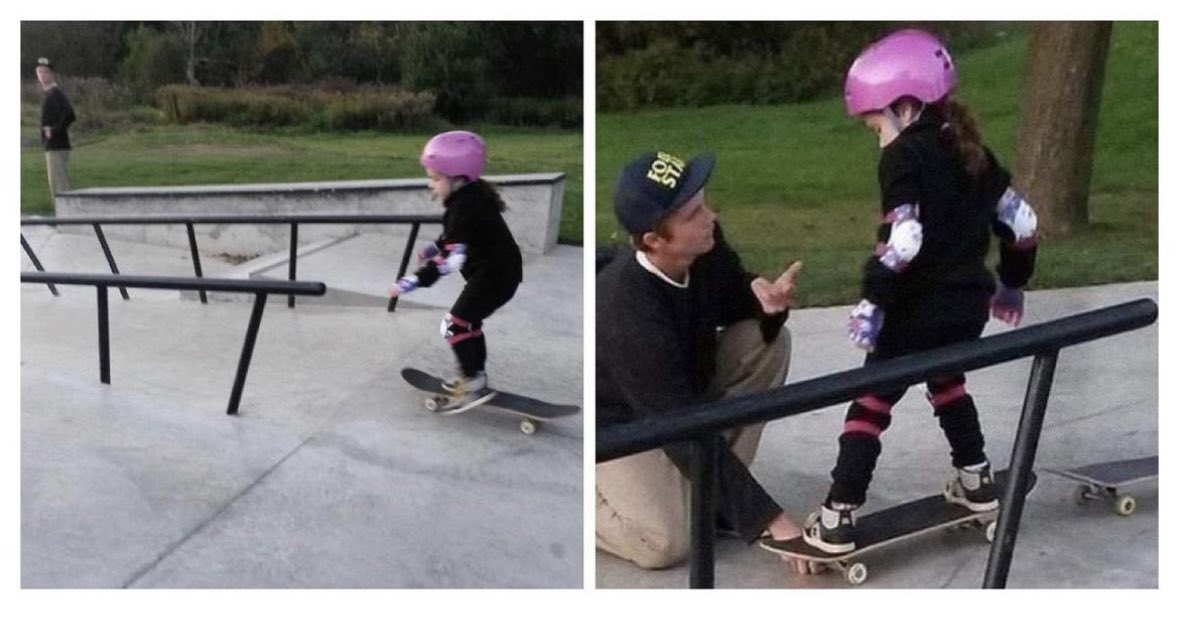
“Dear teenage boy at the skate park...
You're probably about 15 years-old, so I don't expect you to be very mature or for you to want a little girl on your skate ramp for that matter.
What you don't know is that my daughter has been wanting to skateboard for months. I actually had to convince her that skateboarding wasn't for just for boys.
So when we walked up to the skate park and saw that it was full of teenaged boys who were smoking and swearing, she immediately wanted to turn around and go home.
I secretly wanted to go too because I didn't want to have to put on my mom voice and exchange words with you.
I also didn't want my daughter to feel like she had to be scared of anyone, or that she wasn't entitled to that skate park just as much as you were.
So when she said, "Mom it's full of older boys," I calmly said, "So what, they don't own the skate park."
She proceeded to go down the ramp in spite of you and your friends flying past her and grinding rails beside her.
She only had two or three runs in before you approached her and said "Hey, excuse me.."
I immediately prepared to deliver my "She's allowed to use this park just as much as you guys" speech when I heard you say, "Your feet are wrong. Can I help you?"
You proceeded to spend almost an hour with my daughter showing her how to balance and steer, and she listened to you - a feat not attained by most adults.
You held her hand and helped her get up when she fell down and I even heard you tell her to stay away from the rails so that she wouldn't get hurt.
I want you to know that I am proud that you are part of my community, and I want to thank you for being kind to my daughter, even though your friends made fun of you for it.
She left the skate park with a sense of pride and with the confidence that she can do anything, because of you.”
Via @JeaneanThomas
“You work towards a goal–it’s not a failure.” Postgame commentary from the NBA superstar Giannis Antetokounmpo after a crushing loss becomes a viral phenomenon. Sports columnist @JasonGay on the moment. https://t.co/Fm4Gr9Gku1