The Perseids meteor shower has returned, and the color of each meteor reveals its composition!
Every summer, Earth travels through a trail of dust and rocky particles shed by Comet 109P/Swift-Tuttle. As these fragments burn up in our atmosphere, they produce one of the year's most impressive meteor displays.
The Perseids are currently active and will reach their peak on the night of August 12 to 13. Under perfect conditions, the shower can deliver up to 100 meteors per hour, though observers in dark rural areas typically see 30 to 50.
This year promises one of the best shows in recent memory, as the peak aligns with a new moon. Without bright moonlight interfering, even fainter meteors will be easier to spot.
What makes the Perseids especially captivating is that a meteor's color indicates the elements burning as it races through the atmosphere at around 132,000 miles per hour.
🔴 Red = Oxygen and nitrogen in the atmosphere
🟡 Yellow-gold = Iron
🟣 Violet = Calcium
🟠 Orange = Sodium
🔵 Blue-green = Magnesium
Many meteors contain multiple elements, so they may appear white or shift colors while streaking across the sky. The brightest ones often create fireballs with glowing trails that linger for seconds.
For the best viewing experience, choose a dark site away from city lights, allow your eyes to adjust for at least 20 minutes, and observe after midnight into the early morning hours.
@wishingbee Totally can relate!
Well, on looking up tutorials instead of just doing and exploring the possibilities. Usually, feeling like failure isn't an option at this time and perfectionism wins the battle. 😒
@djjohnrichards Hello!
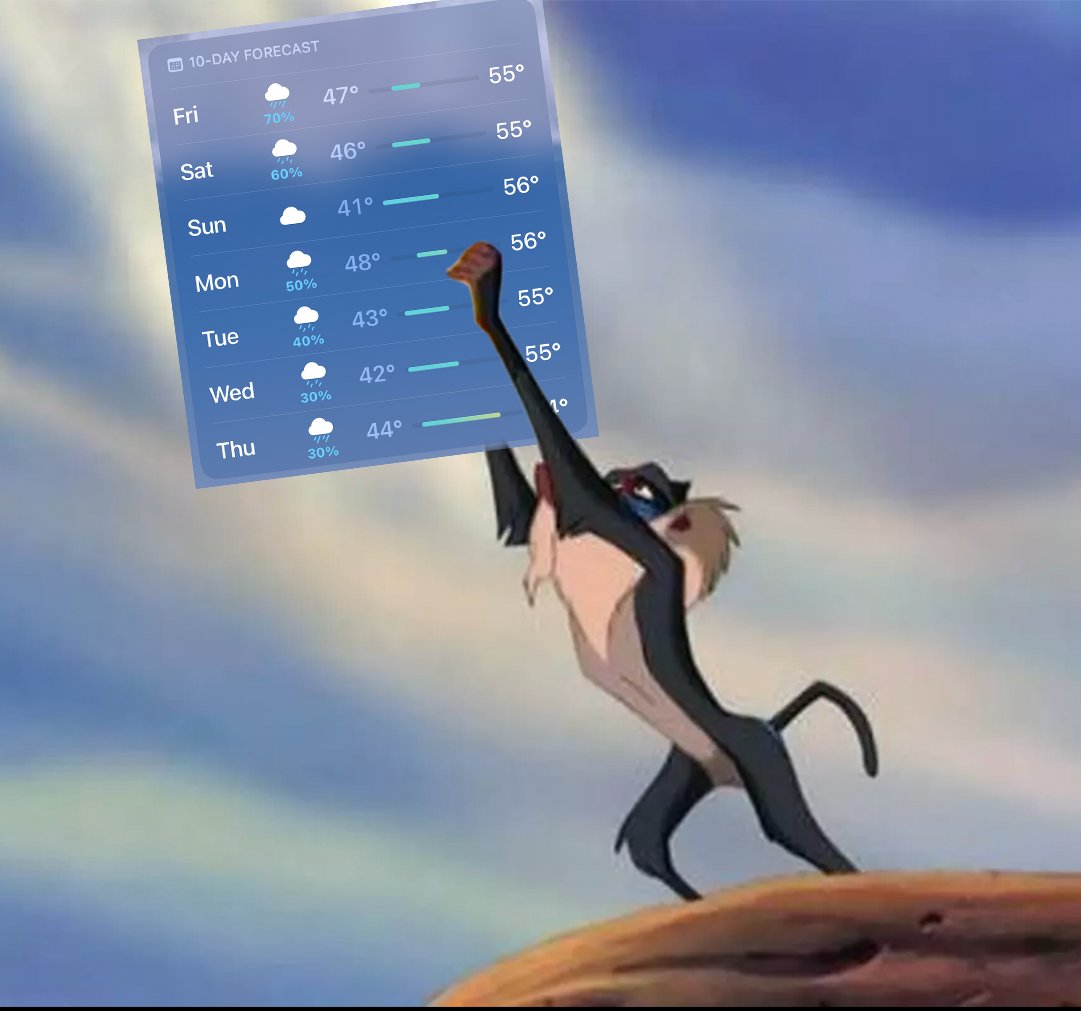
It's Friday! We have rain and clear air! Let's do this!
P.S. Cry little Sister Advent calendar for October.
https://t.co/KoR9z7sNGw
Word of the day is 'blutterbunged' (19th century dialect): dumbfounded, confounded, and open-mouthed in amazement.
(Not to be confused with 'dumfungled': utterly exhausted.)