“Parents, grandparents, and young people are your greatest teachers and partners, not agencies, programs and models.” Kevin Campbell
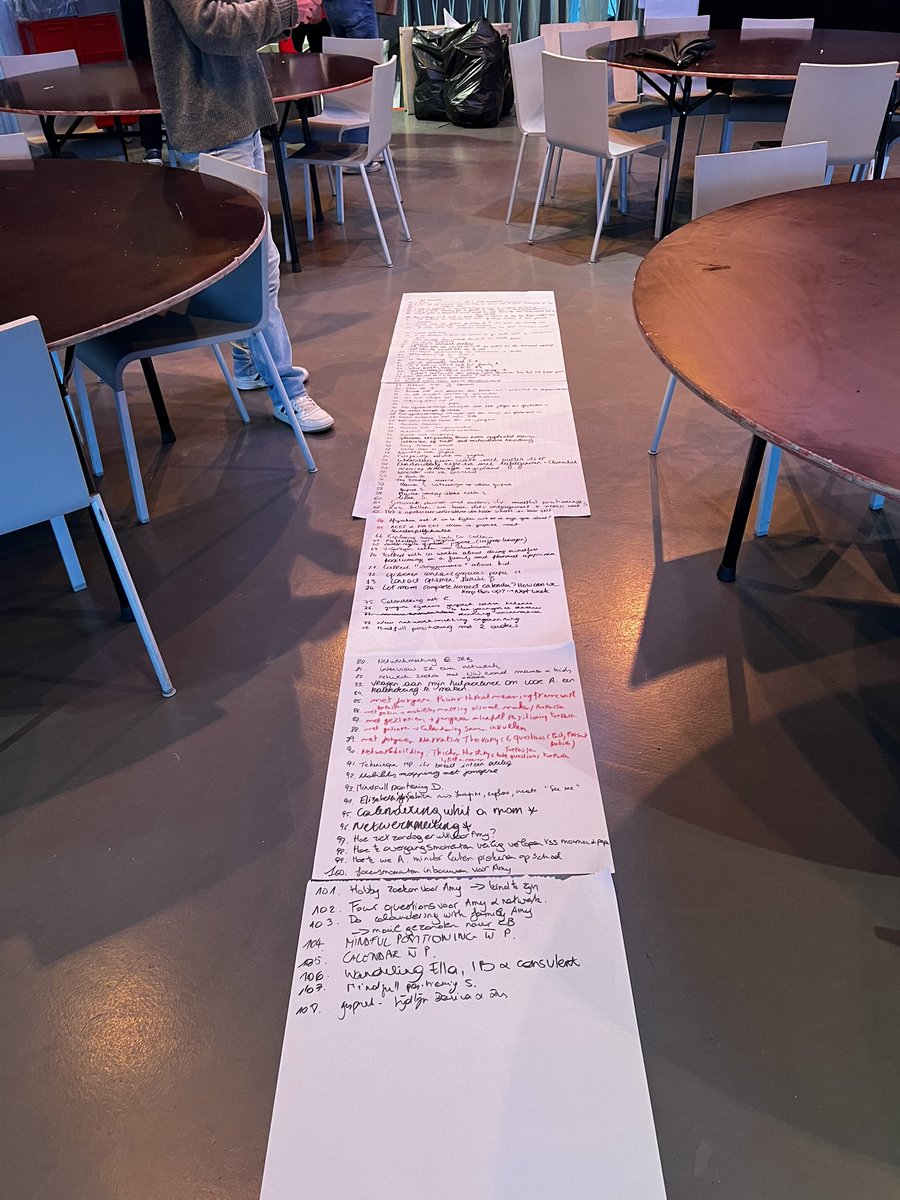
108 times over four days in Brussels this week, practitioners met with parents, young people, and relatives to restore the freedom to build the vision and action of a good life. @lizzywends
26 years ago this month, the Adoption and Safe Families Act (ASFA) was passed. It created a generation of broken connections and disrupted family bonds. We can do better for children.
"The Children of ASFA Are Now the Parents of ASFA"
https://t.co/kUFzIRcb6k
@MartinBarrow We can perfect the crisis, or disrupt the crisis. Until it’s the latter, we will desperately cling to anything within grasp, no matter the cost. The financial cost is insane, the social/relational lifelong cost for children is equally so.
@garethkthomas This is a brilliant formulation to transform understanding/build context quickly. The bad kid single story only builds a path to “manage” bad behavior. Positions the kid narrowly, as well as the professional and community response narrowly.
Which story do we want to work with?
Thank you to @lizzywends working together we completed three four-day Family Seeing practice accelerator events in Belgium.
Our highlight was the creation of plans to deinstitutionalize children and also to prevent the use of institutional placements by supporting parents, kin, and young people rather than relying on out-of-home care as a solution to parent and family distress.
So true Kevin! Authentic relational practice alongside leaders who believe in the journey being the most important part, not the destination. We enjoy the evolution of learning with and alongside colleagues using humility and respect. @Danjohnson02
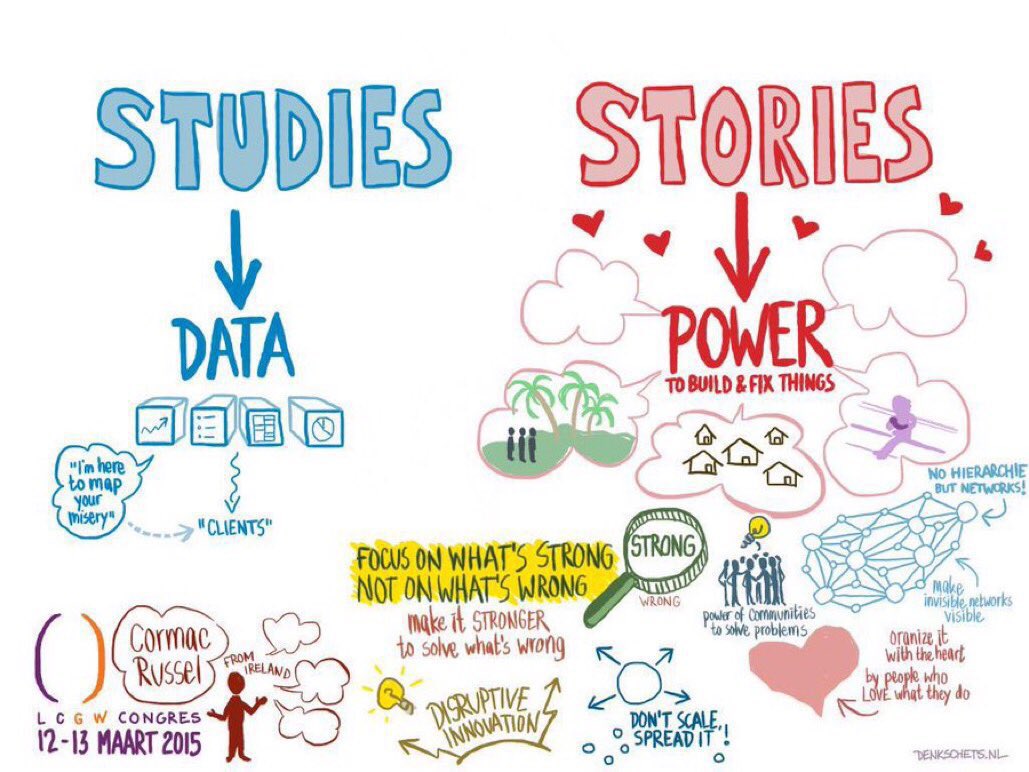
2 ways of knowing: 1 studies 2. Stories. Most studies lead to more data; stories are the seeds of social change. Cold data is mostly devoid of meaningful stories abt specific communities. In contrast, warm data (cf @NoraBateson) seeks to reveal local meaning. No data w/o stories.
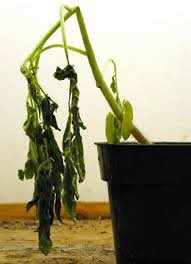
The problem of needs and services designed systems. People are seen only for what they do not have, systems call these “needs”. People become objects to move from provider to provider, even from place to place, like potted plants, uprooted, dismembered, right-sized no longer people.
He said “its not like a usual ticky boxy social work question,” I asked what that might mean, he said “it’s a question with a shred of human decency.”
4/4
Today, our first Collab Session with the amazing team members @ KARI Australia reflected together: "There are two historic moments in life, one is the day you are born and the other is the day when you realise why." Thank to Andrew Luzzi and teammates for this brilliant start.