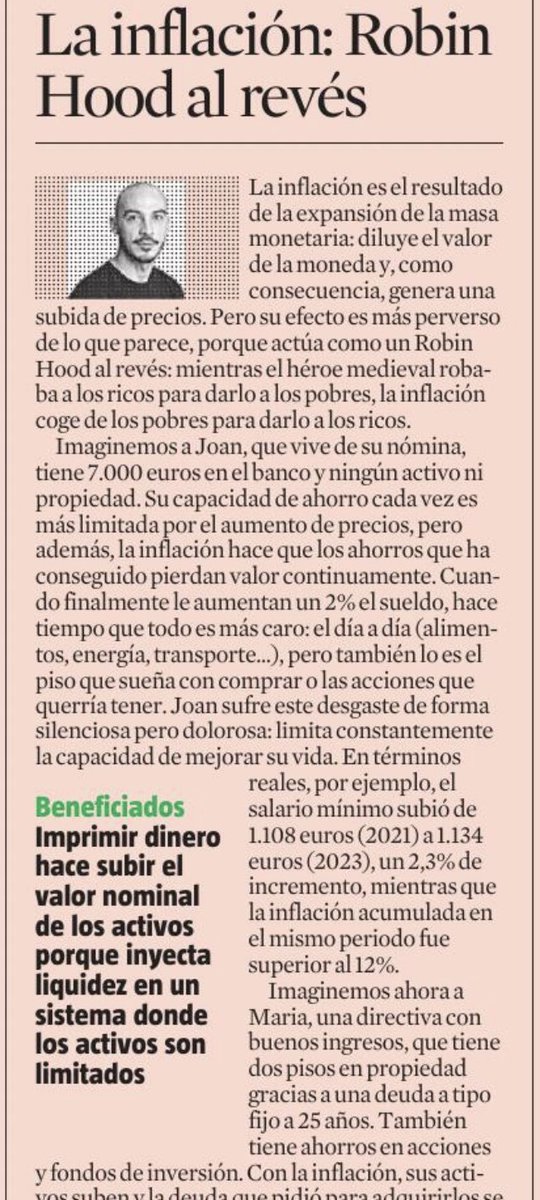
La inflació és un Robin Hood a la inversa: mentre l’heroi medieval robava als rics per donar-ho als pobres, la inflació pren dels pobres per donar-ho als rics. Avui a @LaVanguardia:
LECTURA RECOMANADA: @miquelpuigrapos ho té clar: “Qualsevol política creïble d’habitatge ha de començar per frenar el creixement demogràfic”.
Potser alguns us escandalitzareu x aquest titular, però calen reflexions valentes enfront un tema en el q ens hi juguem present i futur.
„Koń będzie zawsze istniał, ale samochód to tylko chwilowa moda – zabawka dla bogatych.”
Michigan Savings Bank, 1903
„Myślę, że na całym świecie jest rynek dla może pięciu komputerów.”
Thomas Watson, 1943
„Żadnej szansy, że iPhone zdobędzie znaczący udział w rynku.”
Steve Ballmer, 2007
„Internet ma dla gospodarki ledwie ważniejsze znaczenie niż faks.”
Paul Krugman, 1998
„Maszyny latające cięższe od powietrza są fizycznie niemożliwe.”
Lord Kelvin, 1895
„Problem spamu w e-mailach zostanie rozwiązany w ciągu maksymalnie dwóch lat.”
Bill Gates, 2004
„Telewizor nie utrzyma się na rynku. Ludzie szybko znudzą się wpatrywaniem się co wieczór w skrzynkę ze sklejki.”
Darryl F. Zanuck, 1946
„Nie ma powodu, dla którego ktoś chciałby mieć komputer w swoim domu.”
Ken Olson, 1977
„Kiedy paryska wystawa światowa się zamknie, światło elektryczne zgaśnie i więcej o nim nie usłyszymy.”
Erasmus Wilson, 1878
„Amerykanie może potrzebują telefonu, ale my nie. Mamy wystarczająco dużo posłańców.”
William Preece, 1876
„Bez względu na to, jak nauka będzie postępować w przyszłości, człowiek nigdy nie dotrze na Księżyc.”
Lee De Forest, 1957
„Podróżowanie z dużą prędkością jest niemożliwe, ponieważ pasażerowie przestaną dostawać powietrza i umrą z powodu uduszenia.”
Dionysius Lardner, 1830
„Zabawa z prądem zmiennym to czysta strata czasu. Nikt nigdy go nie wykorzysta.”
Thomas Edison, 1889
„Telefony komórkowe absolutnie nie zastąpią telefonów stacjonarnych.”
Marty Cooper, 1981
🔴 "L'actual model de pensions està en fallida tècnica. Cada nen que neix té un deute de 35.000 euros."
Alfons Durán-Pich, analista econòmic i sociòleg, compara el sistema de pensions amb una empresa que acumula pèrdues
#TotEsMou3Cat
▶ https://t.co/hUM3XXhEcC
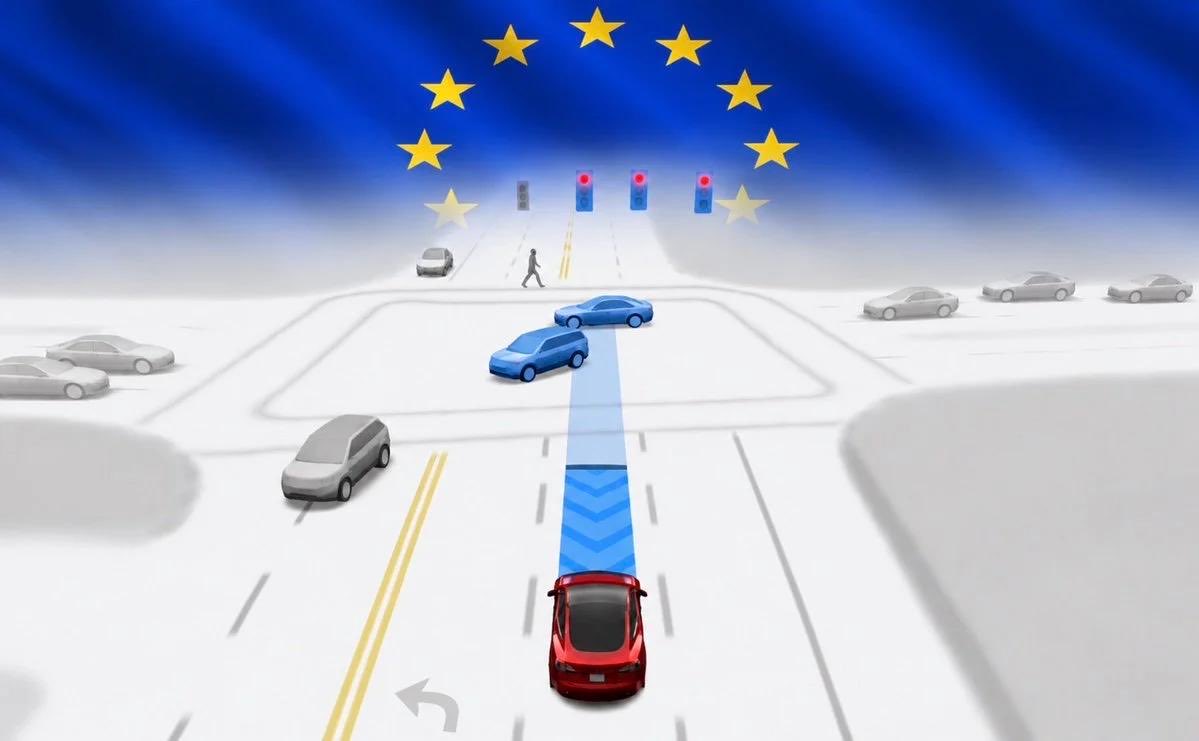
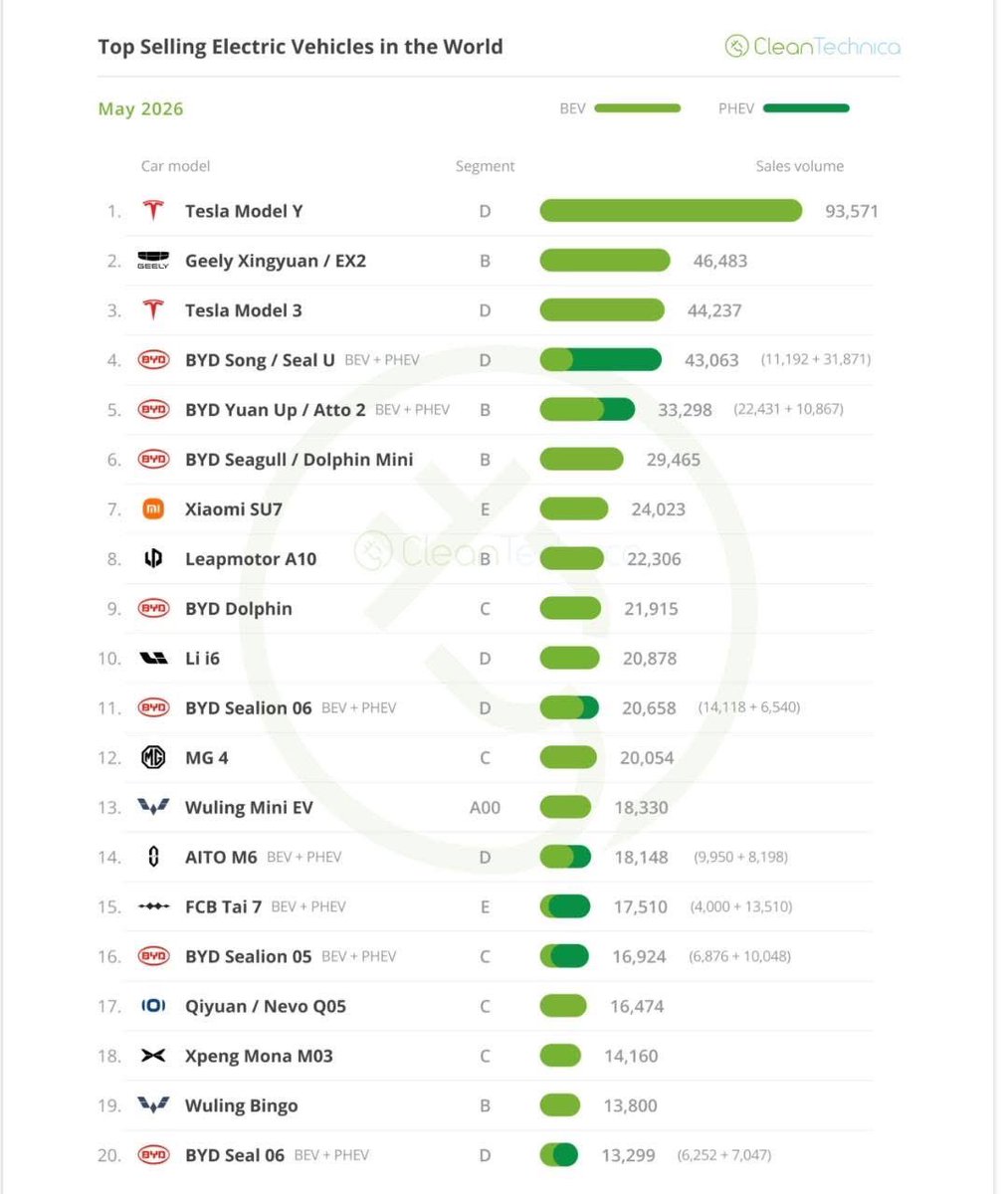
🚨 Alemanya dona suport a l’aprovació del sistema de conducció autònoma supervisada de Tesla (FSD) a tota la Unió Europea 🇩🇪🇪🇺
Després de negociar directament amb Tesla, el govern alemany ha arribat a un acord sobre els punts que generaven més dubtes i el ministre de Transport assegura que treballarà perquè el sistema s’aprovi a Europa «tan aviat com sigui possible».
Entre els acords:
✅ El sistema podrà superar el límit de velocitat fins a un màxim del 10% ✅ El conductor continuarà sent responsable de la conducció ✅ Tesla ha ofert canviar el nom de “FSD” a “Tesla Assisted Driving”
Fa només uns dies Alemanya encara expressava dubtes sobre la seva aprovació.
Un pas ENORME per l’FSD a Europa. 🇪🇺
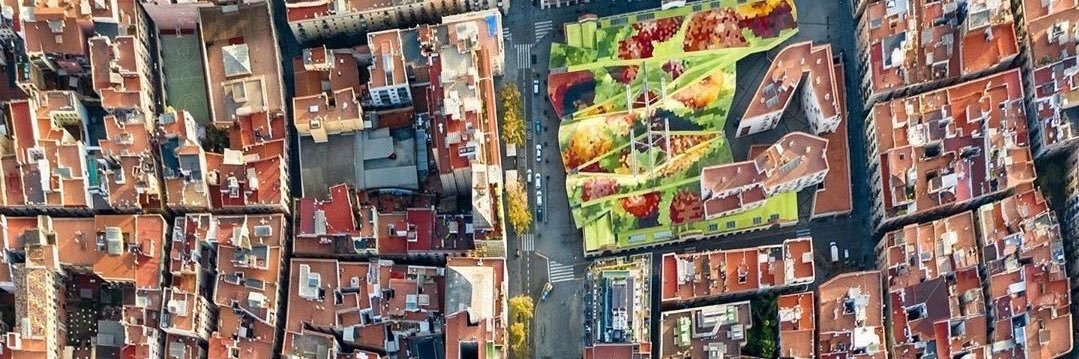
El primer problema (l'habitatge) i el segon (la immigració) són el mateix: sense els 2 milions d'habitants (i els 100 milions de pernoctacions turistiques) adicionals, no tindríem ni la meitat de la meitat de l'escassetat d'habitatge
Aquí teniu Carme Trilla, una de les millors expertes en habitatge que tenim al país.
Escolteu els qui porten dècades estudiant el problema, treballant amb dades i coneixent de primera mà com funciona el mercat.
Per cert, fugiu urgentment dels pseudoexperts que, en lloc d’aportar solucions, fan activisme regat amb diners públics i es passen el dia pels platós. És el seu modus vivendi.
I algun dia n’haurem de parlar a fons d’aquests pseudoexperts, de qui els finança i dels interessos que hi ha darrere.
Vivaldi's “Winter,” visualized in a fascinating way, so that the auditory experience is even more intense; one can literally “see” the music, so to speak
📢 Ben aviat explicarem com continuarem treballant per fer-ho possible. Estigueu atents a les nostres xarxes!
REGALAR TÍTOLS NO ÉS PRESTIGIAR LA LLENGUA.
Des de Professors de Secundària defensem que una acreditació oficial com el C1 de català ha de respondre a un coneixement real i demostrat.
📚 Som a les aules i coneixem la realitat. Per això creiem que cal recuperar l’exigència acadèmica i garantir que les acreditacions lingüístiques tinguin el valor que els correspon.
Dieses Video ist brutal gealtert.
2017 macht sich VW-Chef Matthias Müller über Tesla lustig:
80.000 Autos.
Milliardenverluste.
„Warum vergleichen Sie uns überhaupt mit Tesla?“
Der Saal lacht.
Heute lacht niemand mehr.
Tesla wurde zum globalen Autogiganten – und die deutsche Autoindustrie kämpft um Werke, Jobs und Wettbewerbsfähigkeit.
Manchmal ist nicht die Konkurrenz das größte Risiko.
Sondern sie jahrelang nicht ernst zu nehmen.
Was denkt ihr: Arroganz oder damals nachvollziehbar?
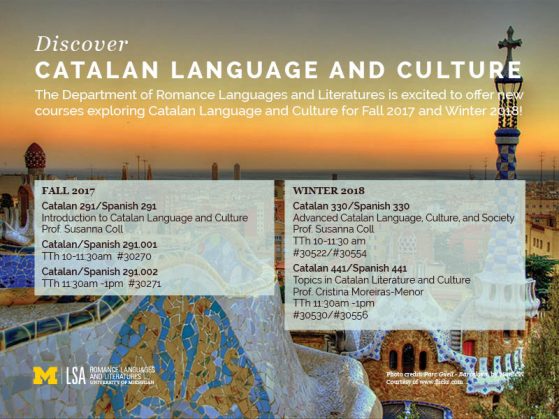
Estic molt il·lusionat d’anunciar que la “Ribas Family Early Career Professorship in Catalan and Romance Languages and Cultures” de la Universitat de Michigan ha obert el període de presentació de candidatures per a una plaça de professor titular. Aquesta càtedra permanent és una contribució de la meva família a la Universitat i al Govern i poble de Catalunya, en part per agraïment per les beques que em van concedir durant els meus estudis de doctorat en enginyeria.
I’m excited to announce that the “Ribas Family Early Career Professorship in Catalan and Romance Languages and Cultures” at the University of Michigan is now inviting applications for a tenure-track position. This Professorship is my family’s endowment and contribution to both the University and the Government and people of Catalonia who supported me financially through my PhD studies in Engineering.
Please find more details on the position here: https://t.co/53UbNA6T62
“Foren els ulls terriblement cansats d'Amat-Piniella allò que més coses em van saber dir del que havia significat l’infern nazi”
(Montserrat Roig).
Detingut el juny de 1940 i deportat a Mauthausen.
Alliberat el maig de 1945.
"K.L. Reich": la seva "vida" al camp d'extermini.
Que el pastís sigui gran no vol dir que ens toqui més per cap. Deixem-nos d'enganyar, que ja som més pobres que la mitjana de la Unió Europea. Article a @LaVanguardiaCAT
After four years full of challenges and hard work, it's time to move on.
I leave with the feeling that the mission is complete. 4 seasons, 3 championships.
I will never forget the love I received from the fans from my very first days.
Catalonia is my place on earth.
Thank you to everyone I met along the way during these beautiful four years.
A special thank you to President Laporta for giving me the chance to live the most incredible chapter of my career.
Barça is back where it belongs.
Visca el Barça. Visca Catalunya 💙❤️
@fcbarcelona