@svembu President's rule + fresh elections because we're unhappy with the result is essentially asking democracy to retake the test until it gives the answer we wanted. The voters spoke. We may not like it, but that is the mandate.
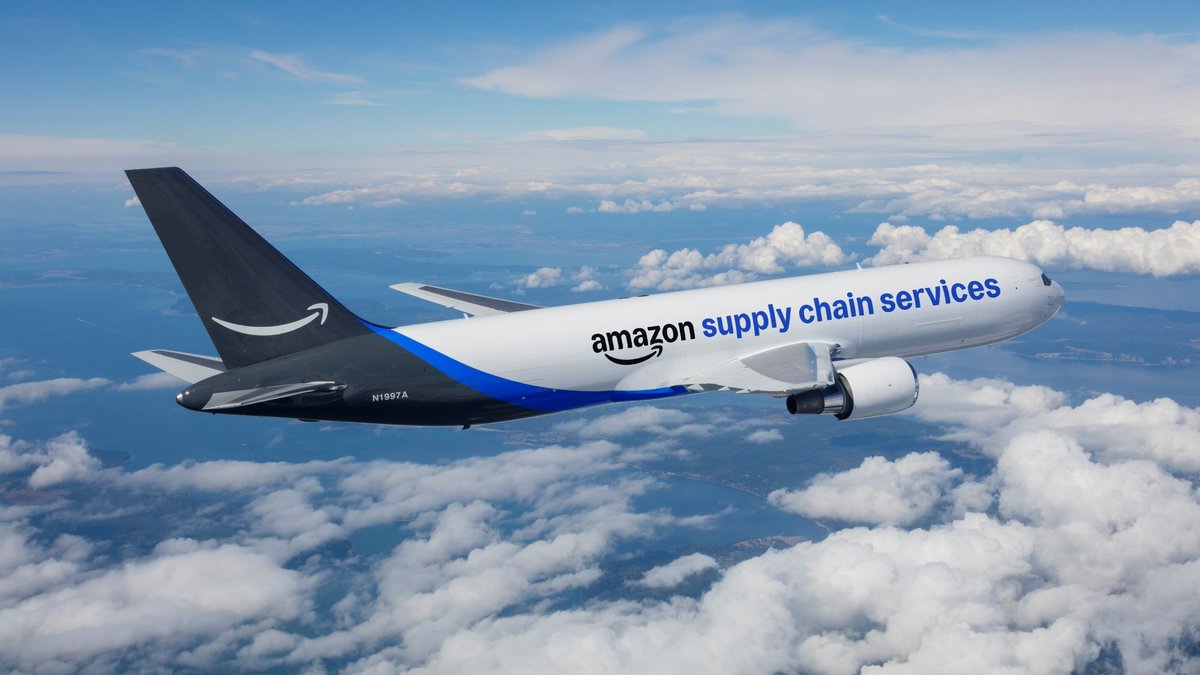
Amazon just turned its supply chain into a product.
Freight, fulfillment, parcel — open to any business, any channel.
80K+ trailers. 100+ aircraft. P&G and 3M already on board.
FedEx -9%. UPS -10%.
This is the AWS playbook running on logistics.
Bought a product on @letsblinkit that turned out defective. No return option. Support asked for a defect video.
I shared a 14-sec video → asked again for exactly 30 sec.
Tried 40 sec → system won’t upload.
Is this friction to avoid returns? @albinder@saketk
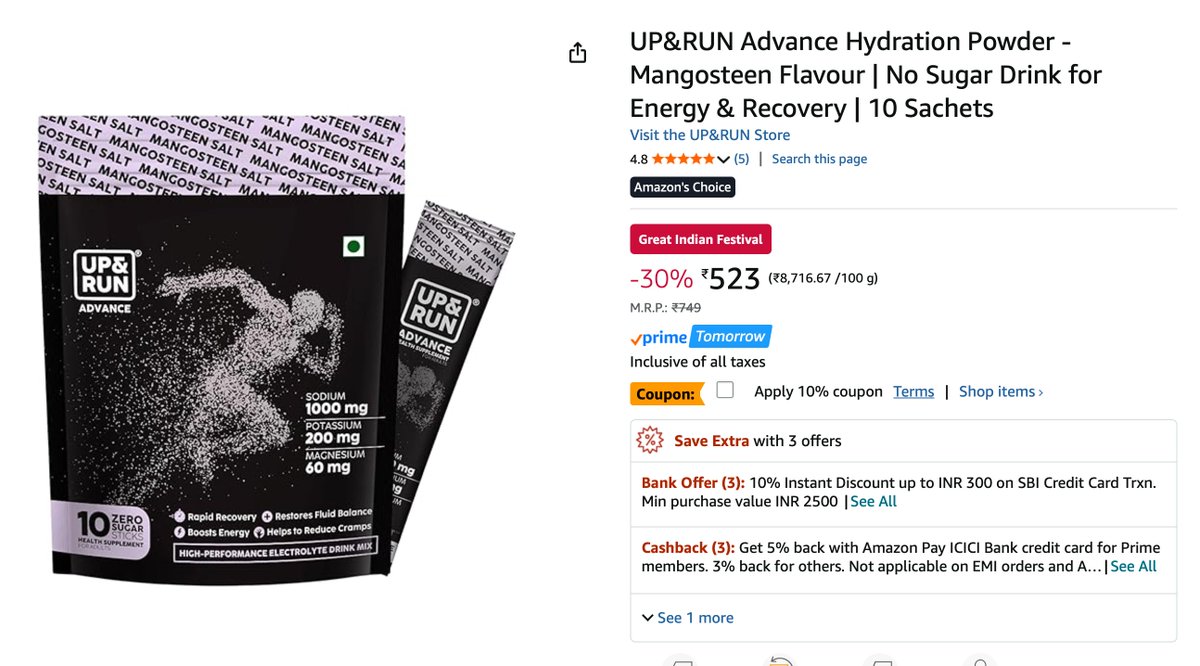
Amazon's Choice!!!
The royal fruit really hit it out of the park and even @Amazon knows it. This is the lowest we will ever go for Mangosteen.
https://t.co/nPuDDDECRA #Amazon Limited-time deal: UP&RUN Advance Hydration Powder - Mangosteen Flavour | No Sugar Drink for Energy & Recovery | 10 Sachets
https://t.co/nfgJjefP5l
Such a good role at a great PMF juncture of a truly impactful AI/ML startup. They are doing top tier quality RaaS work in e-com for the world, out of lovely Kovai . @logeshvk knows more about maximizing Amazon as a channel than almost anyone in India
At $50M+ on #Amazon, many sellers think they’ve peaked. But hidden inefficiencies are costing millions. SaaS offers promises, agencies offer commitments—https://t.co/ylsDjAZCZt delivers results. Ready for RaaS?
#EcommerceGrowth
https://t.co/Curxb5s0PA
https://t.co/h9mMwu1bDj
The U.S. e-commerce market hit $1.19T in 2024, growing 8.1% YoY — nearly 3X faster than overall retail. Ready to scale and stand out on Amazon?
@arindam___paul We are using AI for Amazon marketplace to minimise the stock runouts, when to run/pause campaigns, promotions/deals.
Working on simulation engine using AI to predict the impact of price changes, ad spends, coupons, deals, etc and arrive at Cashflow projections
While I understand that going offline and expanding via GT/MT is the flavor of the season but be very cautious.
10 pointers to help you do it the right way
1. Unless you are operating at entry level price point (1000 Rs for a Fan, 10 Rs for a beverage, 5 Rs for chips etc) GT or MT is not a demand creation channel. It is a channel where you capture demand. For most startups, there is no demand to capture and hence this fails
2. Demand creation and distribution goes hand in hand. You are not HUL or ITC that you want 60% Weighted Distribution before spending on creating demand. Do not scale distribution if there is no demand gen plan
3. The odds of defeating a legacy brand in premium price points in GT/MT is 10x more difficult than doing it in E-Com. Legacy brands have decades of relationship and outlets are tied up through different trade schemes. And they have hero SKUs which makes the outlets depend on them for their day to day survival. They will arm-twist the counters. So unless you are whipping the ass of the legacy brands online, you really have no right to win offline. Go offline only when you have very strong PPCMF online
4. Your offline sales team alone can’t be responsible for sales. They can be responsible for inputs( visits, availability, visibility and all other inputs to drive demand). But if you keep questioning them on numbers alone, they will leave. And every attrition in new markets will set you back by months. If there are 3-4 attritions over 1 year, word spreads in trade that this is not a good brand to work for and you will never attract good talent
5. Your distributor is not responsible for sales numbers alone. Distributor solves 3 things- supply, credit and placement in stores. They can never influence sellout from stores. If you keep pushing primary to distributor, he will quit. Once 2-3 distributor churn happens quickly, the market will get spoilt forever
6. Do not hire from market leaders in your industry when you start. They are never used to the struggle of not having offtake. Hire from number 3-4 player who understands the struggle of having a product without fast sellout
7. There is no need to optimize on margins on day 1. Trade does not care about absolute margins. They care about Earns( Margins)*Turns ( Stock Rotation). As your stock movement increases and rotations improve, margins get corrected. But without stock rotation, very difficult to sustain channel
8. Do not worry about wholesale on day 1. Wholesale works when there is huge pull for the brand. Without pull, there cannot be wholesale
9. Do not expand to multiple cities till you crack a single city. It is easier to generate demand in a city. Impossible to do that across the country at the same time unless you have infinite budgets
10. Invest in being data driven from day 1. It is a cultural thing and very difficult to change course midway. When sales are good, ask why it happened. Because someday sales won’t be good and then you would not know what to do because you never cared about what was working when things were good
While I understand that going offline and expanding via GT/MT is the flavor of the season but be very cautious.
10 pointers to help you do it the right way
1. Unless you are operating at entry level price point (1000 Rs for a Fan, 10 Rs for a beverage, 5 Rs for chips etc) GT or MT is not a demand creation channel. It is a channel where you capture demand. For most startups, there is no demand to capture and hence this fails
2. Demand creation and distribution goes hand in hand. You are not HUL or ITC that you want 60% Weighted Distribution before spending on creating demand. Do not scale distribution if there is no demand gen plan
3. The odds of defeating a legacy brand in premium price points in GT/MT is 10x more difficult than doing it in E-Com. Legacy brands have decades of relationship and outlets are tied up through different trade schemes. And they have hero SKUs which makes the outlets depend on them for their day to day survival. They will arm-twist the counters. So unless you are whipping the ass of the legacy brands online, you really have no right to win offline. Go offline only when you have very strong PPCMF online
4. Your offline sales team alone can’t be responsible for sales. They can be responsible for inputs( visits, availability, visibility and all other inputs to drive demand). But if you keep questioning them on numbers alone, they will leave. And every attrition in new markets will set you back by months. If there are 3-4 attritions over 1 year, word spreads in trade that this is not a good brand to work for and you will never attract good talent
5. Your distributor is not responsible for sales numbers alone. Distributor solves 3 things- supply, credit and placement in stores. They can never influence sellout from stores. If you keep pushing primary to distributor, he will quit. Once 2-3 distributor churn happens quickly, the market will get spoilt forever
6. Do not hire from market leaders in your industry when you start. They are never used to the struggle of not having offtake. Hire from number 3-4 player who understands the struggle of having a product without fast sellout
7. There is no need to optimize on margins on day 1. Trade does not care about absolute margins. They care about Earns( Margins)*Turns ( Stock Rotation). As your stock movement increases and rotations improve, margins get corrected. But without stock rotation, very difficult to sustain channel
8. Do not worry about wholesale on day 1. Wholesale works when there is huge pull for the brand. Without pull, there cannot be wholesale
9. Do not expand to multiple cities till you crack a single city. It is easier to generate demand in a city. Impossible to do that across the country at the same time unless you have infinite budgets
10. Invest in being data driven from day 1. It is a cultural thing and very difficult to change course midway. When sales are good, ask why it happened. Because someday sales won’t be good and then you would not know what to do because you never cared about what was working when things were good
In India’s retail scene, vision & precise audience targeting are key. Brands like Rare Rabbit defy the price sensitivity norm, showing growth & strategic positioning.
https://t.co/bCH2AvElhb
#IndianRetail#LuxuryBrands#D2CRevolution
Coimbatore Startups
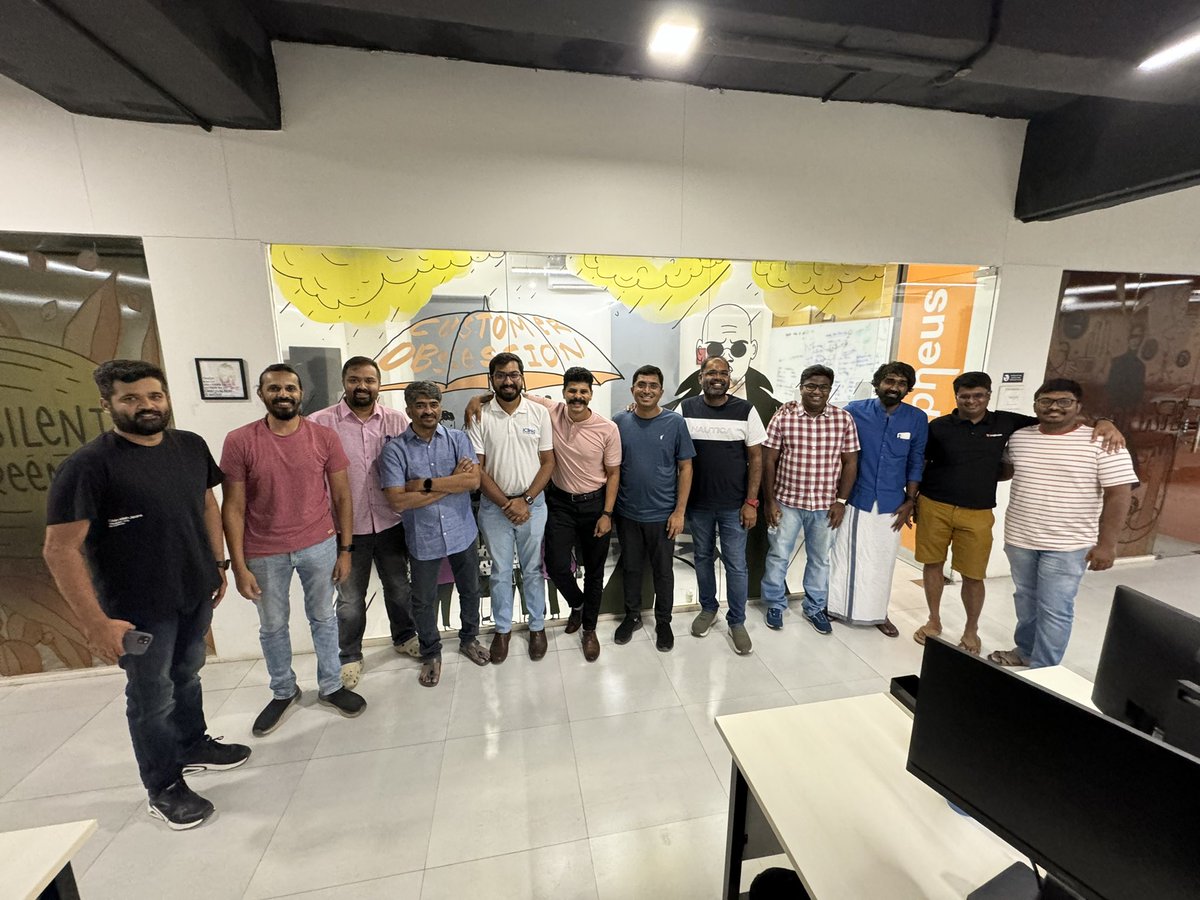
Had a wonderful interaction with 15 leading startup founders in Coimbatore. We had deep discussions on the new opportunities that are opening up by the rapid adoption of Generative AI and fast growing aspirations of Indian consumers.
Many of them run SaaS businesses and are integrating Gen AI into their product offering.
Startup Ecosystem is growing rapidly. All 15 are keen to build momentum and build a vibrant startup hub in Coimbatore. They requested for my collaboration which will always be there.
Seems like I will be back soon.
I ❤️ Coimbatore
@arindam___paul Absolutely! Price perception is deeply rooted in consumers' minds, often equating it with quality. D2C brands need to balance discounts with maintaining brand value and perception in the long run.
Once seen as a budget brand, it's hard to shake that image.
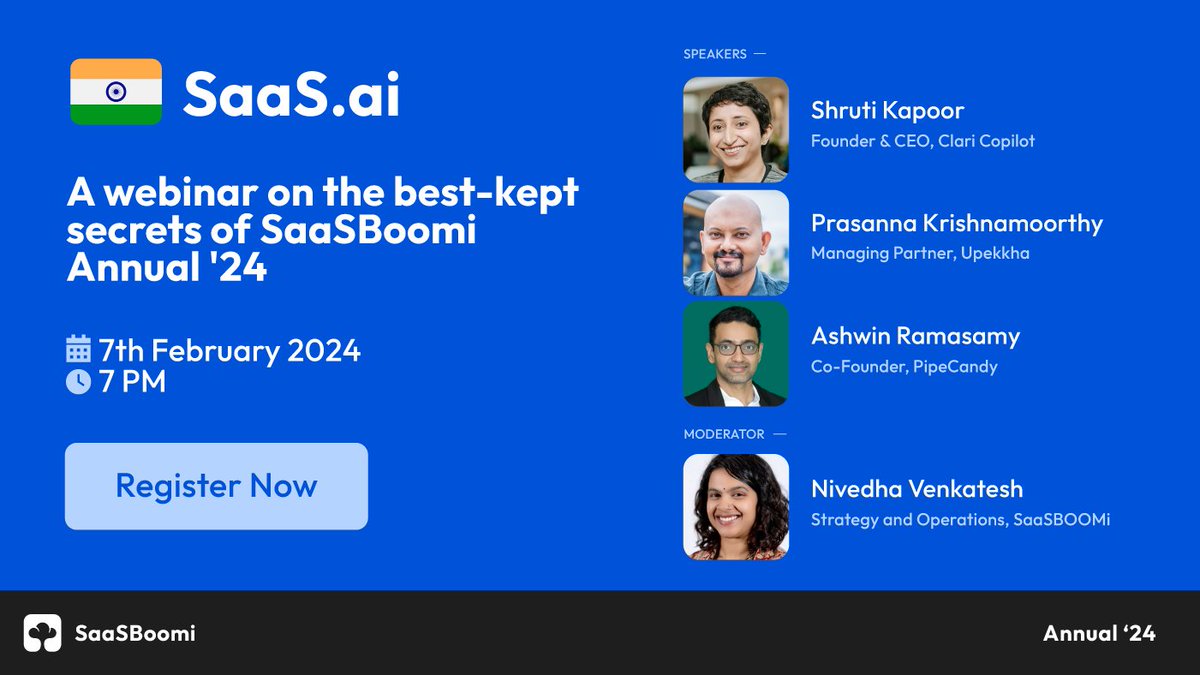
Join Shruti Kapoor @me_nder (Clari Copilot), Prasanna Krishnamoorthy (@upekkhaBe), Ashwin Ramasamy (PipeCandy) & our moderator, Nivedha Venkatesh (SaaSBOOMi) for an insightful session on the best-kept secrets of SaasBoomi Annual'24
Secure your spot now: https://t.co/MysVrFv3jX