This feel way too important to not share broadly! Wearing hearing aids could help cut the risk of dementia, according to a large decade-long study. Note addtl research in comments showing that this effect holds even for mild hearing loss.
https://t.co/6Es9XDcmXV
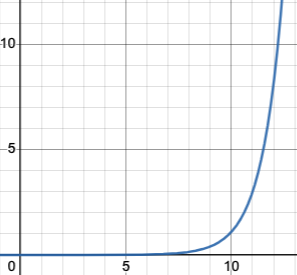
Oh, and one more visual... imagine that as the factors evolve, the bottom of the curve pushes to the right (greater along X-axis), it's a wave over-taking the jobs to fall completely to the left of it. YIKES. /6
My working theory is return speed (y) on #ChatGPT usage is sinh(x) / clarity ^ efficacy; where x = time it would take you; clarity is how clearly you express the task to GPT; and efficacy is for the model (it's getting better each update). /1
There's opportunity in clarity. You see evidence of this where people have produced wild output from #ChatGPT or other #LLMs (such as falling in love or simulating intelligence and making the news). Those are professional AI researchers with high clarity. /5
So there's a sweet spot in the middle for usage, it's not great for minimal use cases and terrible at complex use cases.
But what to watch out for are the control "levers" of clarity & efficacy. Now, mostly, @OpenAI controls efficacy, although you can tweak it here or there. /4
That means tasks that take us minimal time also take #ChatGPT minimal time, there's not much ROI.
Tasks that take us "some time" take ChatGPT minimal time, so there's good ROI there.
Tasks that take us a "long time" take ChatGPT extraordinary amount of time. /3
In this calculation, the "time" it would take you refers to both the time you take thinking (working through the solution) and then executing the solution. For easier tasks, the proportion of your time is heavier weighted towards doing than thinking. And the inverse is true. /2
For now, producing this already puts one at top 1% of the class anyway. Better than just doing the work itself. That won't be true for long...
https://t.co/AedPAU7Evp