Allahumma anta rabbi la ilaha illa anta, khalaqtani wa ana abduka, wa ana ala ahdika wa wa’dika mastata’tu. A’udhu bika min sharri ma sana’tu, abu’u laka bini’matika ‘alayya, wa abu’u bidhanbi faghfirli fa-innahu la yaghfiru adh-dhunuba illa anta.
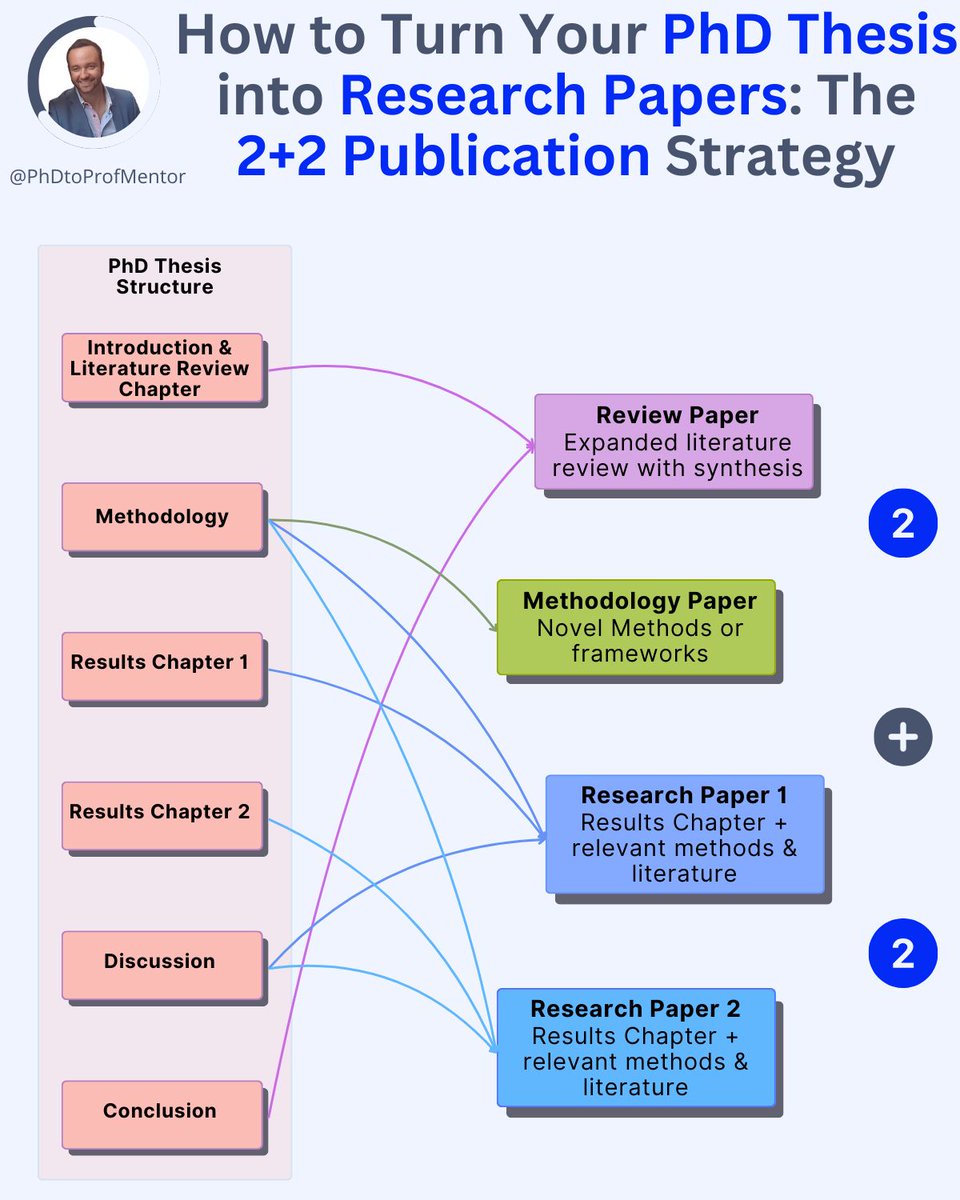
A full-time PhD takes 3 years.
During those 3 years, a PhD student runs pilot studies, develops methods, analyses data, attends conferences, reads literature and publishes manuscripts.
Here's what a typical PhD programme looks like:
Subject: REQUEST FOR TOELF/IELTS Waiver
Dear Sir/Ma,
My name is Olumuyiwa Igbalajobi. I had my BS and MS from Nigeria. My mode of instruction from elementary school to university education was in English Language. English is the official language of Nigeria.
I am interested in applying to your reputable institution and I will be glad to know if I am exempted from TOELF/IELTS.
Kind regards,
Olumuyiwa
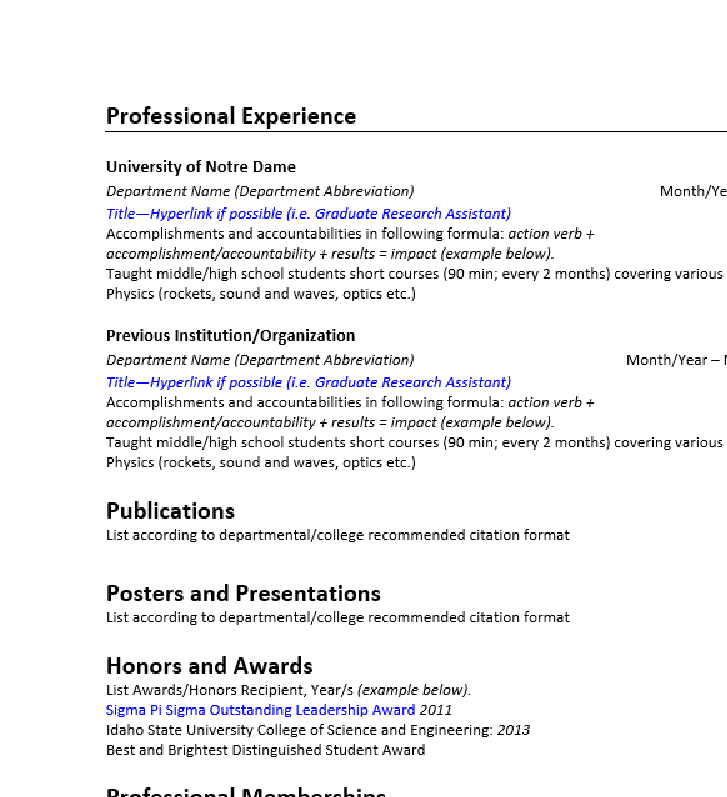
If you’re applying for Masters or PhD scholarships, here are four academic CV templates I got from Notre Dame University’s website to guide you in writing a winning CV for your applications.
HOW TO WRITE A COLD EMAIL TO FIND A PROFESSOR (SUPERVISOR) FOR GRADUATE OPPORTUNITIES
Remember, there’s no one-size-fits-all when it comes to cold emailing. However, it’s important that your emails are brief and straight to the point.
💡 For each paragraph, target 3–4 sentences.
Here is an example structure for a cold email:
1️⃣ Subject Line:
Make it clear and relevant, such as "Prospective Graduate Student Interested in Concrete Technology [Name of Research]."
2️⃣ Greeting:
Use a polite salutation, addressing the professor by their appropriate title and last name
e.g., "Dear Professor Smith".
3️⃣ Paragraph 1: Introduction - WHO AM I?
- Introduce yourself (name, academic background).
- State your interest in pursuing graduate studies in a specific field.
- Mention relevant experiences or skills that align with the prospective supervisor's research.
4️⃣ Paragraph 2: Reason for Reaching Out - WHY AM I REACHING OUT?
- Explain why you are interested in the prospective supervisor's research.
- Reference specific papers, projects, or findings that caught your attention.
- Highlight the aspects of their work that align with your interests.
- Propose a potential thesis topic, research idea, or research questions related to their work.
5️⃣ Paragraph 3: Closing and Request for Follow-Up
- Express your interest in discussing your ideas further.
- Offer to schedule a Zoom or phone call to explore the possibility of working together.
- Express willingness to receive advice or suggestions, even if they are not accepting students.
- Thank the recipient for their time and consideration.
- Include your CV and transcript
6️⃣ Signature
- End with a professional closing (e.g., "Sincerely") and include your full name
If you do not receive a response, follow up in 1-2 weeks. And again, 1-2 weeks later. Still no response? Move on. Remember that academics are usually busy, so don't take it personally if you don't hear back.
#AskBarbara #ColdEmail
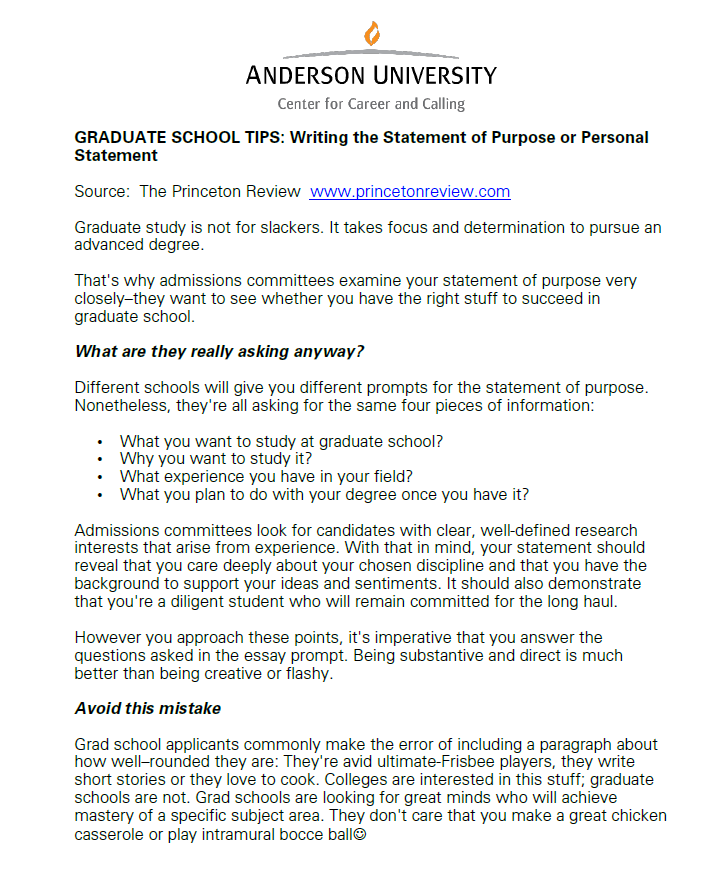
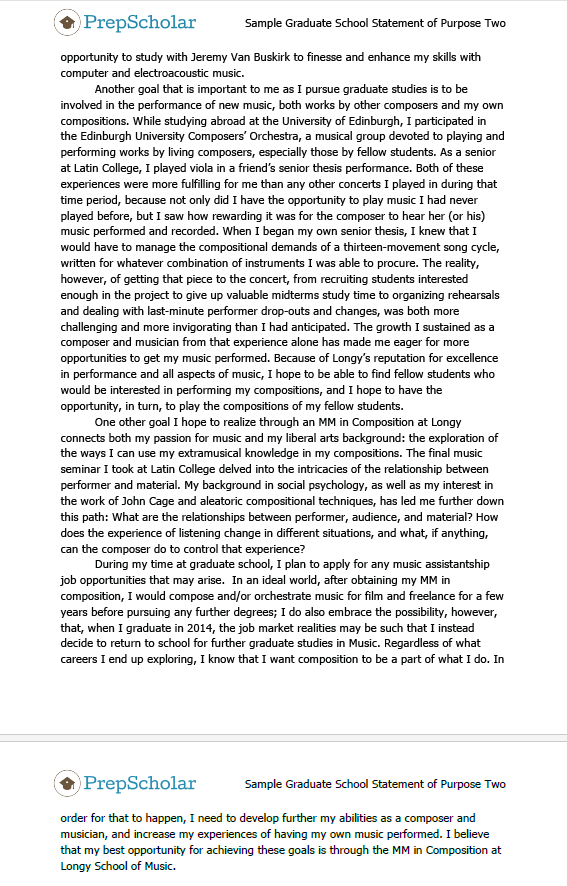
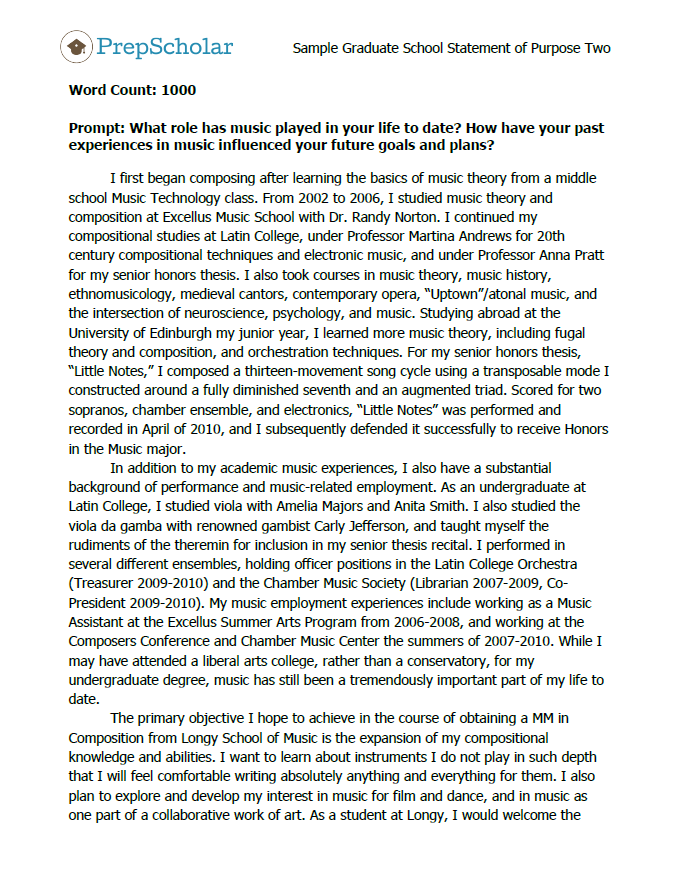
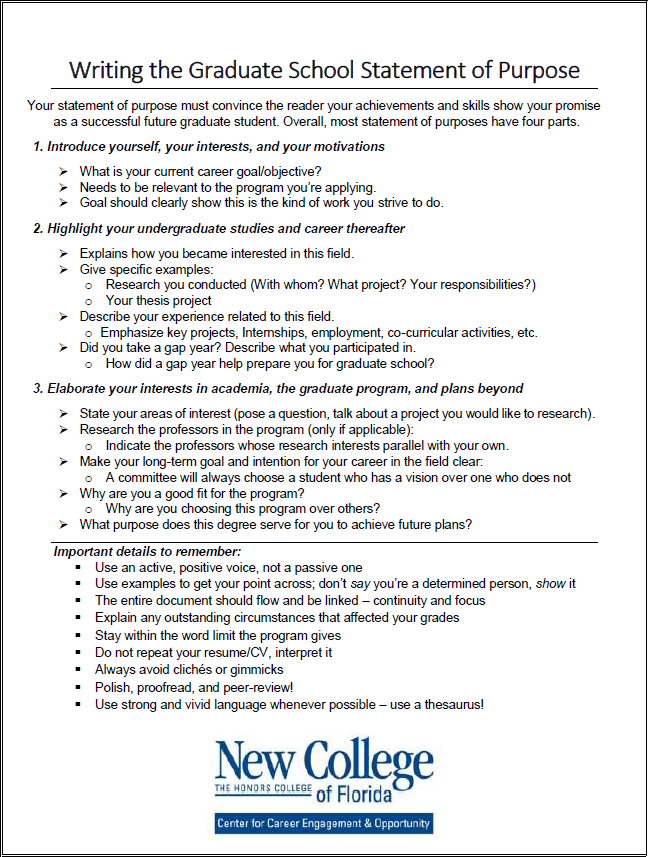
If you’re applying for Masters or PhD scholarships, here are four winning Statement of Purpose samples and tips to guide you in writing a successful SOP for your applications.
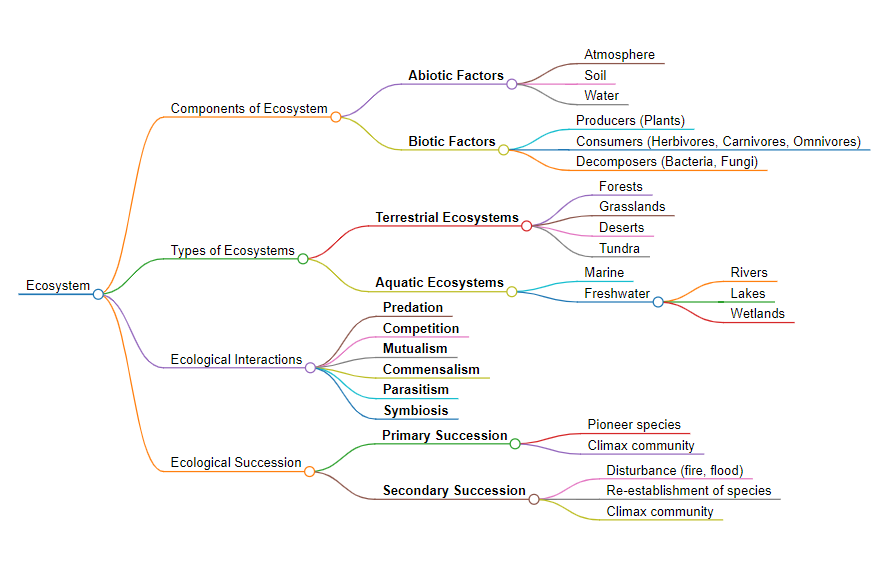
ChatGPT can now create Mind Maps.
No more wasting hundreds of hours making visuals for studying or simplifying complex ideas.
Here’s how to do it for free in a few seconds:
Looking for a Master’s or PhD (Partial/Fully Funded Scholarship) ?
Take your time to go through this.
This isn’t a one-time thing; you might get lucky, like some of us, and get it on the first try, or you might have to try over and over.
DON’T GIVE UP!
1.The first step is simple: use Google. Yes, Google!
Search for:
•“MSc … in the US”
•“PhD … in the US”
Make sure to note down the schools that come up (yes, write them down!).
Another useful tip is to create a table (you can use Excel). It helps organize your search.
Also, check Twitter/LinkedIn and search for the terms “scholarship/fully funded.” Write down the names of people who post about getting funded or scholarships. This shows you that the schools they attend offer funding to students.
Note: Funding may be department-specific, but most schools offer funding across various departments. Use this as your starting point.
Imagine you find 20 people—now you have 20 potential schools you can apply to, and you’re sure they offer funding.
At this point, also check the research rating (R-ratings) of the schools. In the US, you’ll find schools rated as:
•R1
•R2
•R-whatever
These ratings show the research intensity of the institution. The competition to get into R1 institutions is usually higher than the others.
2.Visit the school’s website and check their requirements.
It’s not the same for all schools. When I say visit the school’s website, I mean the Graduate Admissions page.
Also, visit the department’s page where your course of study is offered. Look for faculty members and their bios to see their research interests.
Decide if their research aligns with yours. If it does, congratulations!
3.Prepare your cold email.
A cold email is a message you send to the professor whose research interests align with yours. In this email, tell them you’ve reviewed their page and research, and you’re interested in pursuing a graduate degree in that area. If you have any relevant prior experience, mention it.
4.Understand the admission cycle.
Note: If you want to attend a school in a particular year, you need to apply a year in advance.
For example, if you want to start your PhD in Fall 2025, you need to apply in 2024.
Application windows generally open from August 1st through December (priority admission—this is when most schools consider students for funding). Some students also get funding to start in the Spring.
•Fall starts from September to December.
•Spring starts from January to May.
•Summer starts from May to September.
5.Navigating application fees.
Some schools require an application fee (basically a fee to submit your application).
Here are some ways around this:
1.Write an application fee waiver request to the Graduate Admission Coordinator.
2.Attend an Open House—some schools offer fee waivers to attendees.
Documents you need to prepare:
1.Academic Transcript (you can apply with a student copy, but some schools require a WES evaluation).
2.Statement of Purpose (SoP).
3.Curriculum Vitae (academic-style).
4.Letter of English Proficiency, or you may need to take an English test (IELTS/TOEFL).
5.GRE (optional, depending on the school).
6.Recommendation Letters (you need 2 to 3 people who can say good things about you). Ensure that they use official email addresses (not @gmail.com).
Attached below are links to samples of the required documents:
Statement of Purpose:
https://t.co/PbhrWpa2mr
Curriculum Vitae:
https://t.co/MEjyiWcD2g
Cold Email:
https://t.co/HTx2XAr7Jd
Recommendation Letter:
https://t.co/xTOmBieM4e
Application Fee Waiver Request:
https://t.co/NyqKbZNyHi
Research Proposal:
https://t.co/yvHcEIEUqf
Cold emailing is still one of the fastest ways to get fully funded scholarships abroad
But finding the right professors and crafting quality emails can drain your time and energy
Here’s how to do it faster (and better) using AI — in 5 simple steps (with pictures):
How to Turn Your PhD Thesis into Research Papers → The 2+2 Publication Strategy
I finished my PhD with a 250-page thesis. And zero publications.
My supervisor said I'd wasted three years of research 🧵









![Kanojiyaaakash1's tweet photo. 10 Chrome extensions that will turn you into a productivity beast:
[🔖 Bookmark for later] https://t.co/SzoJZioXcS](https://pbs.twimg.com/media/GHqhHmsWsAA4Gmv.jpg)