I've been meaning to do this thread for a while now, looking into Photoshopped images. Most are used to dunk on an opposing political team, whateverwhicheverwhomever that might be.
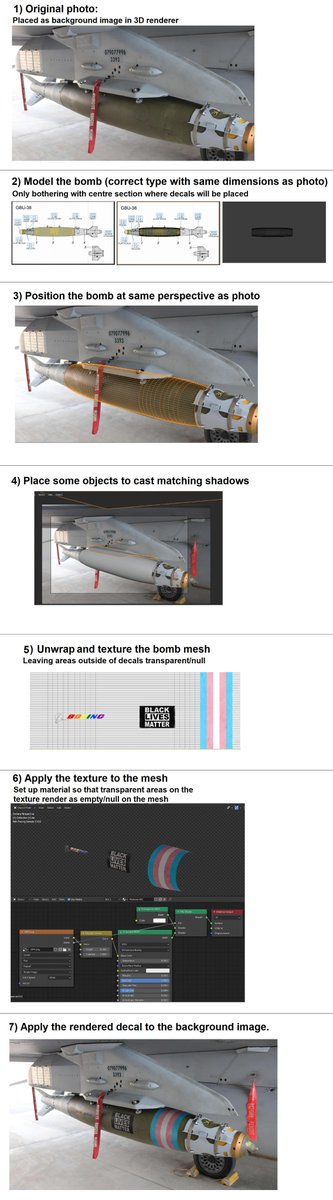
Starting with a favorite (because of the "how I did it" companion piece) - the BLM bomb:
This is a great recent example. This person supposedly tore down a missing girl's poster.
But this person doesn't actually exist. It might be based on a low-resolution image of a person, but almost every detail in this image was fabricated by an AI.
People need to stop using AI upscalers like this. They don't work. And most of the time people run them on the lowest quality video footage available.
They don't make the point you're hoping. It makes the situation seem fake.
The Islamist terrorist Nesip Dedeler from Turkey who carried out a random mass-stabbing attack in Switzerland today has two brothers who have also been flagged by the security police for Islamist radicalization and support of terrorist organizations.
All 3 brothers belonged to a an extremist group centered around the An’Nur Mosque.
Several Swiss citizens who were frequent visitors of the mosque joined ISIS and traveled to Syria to murder infidels in 2015.
Europe has massive problems, which are played down by the Islamists’ allies in the far-left.
This is especially important when a crime is committed. What's the point of searching for someone via facial match when it's almost completely manufactured by AI?
How could an AI guess a person's face correctly based on a fuzzy image? Why would you assume it's accurate at all?
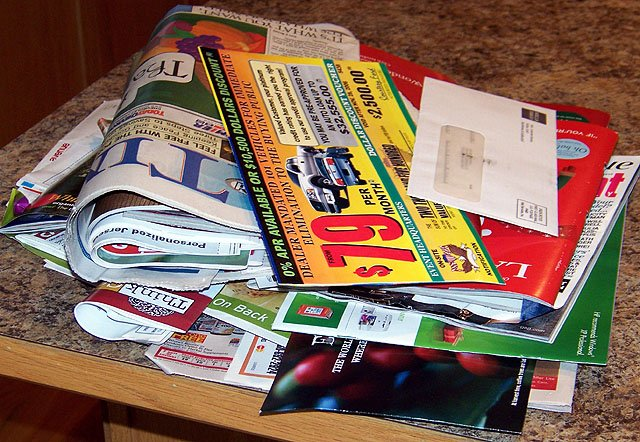
It is time for the United States Postal Service to ban junk mail.
Unsolicited spam calls are already prohibited by the FCC. Emails are heavily regulated by the CAN-SPAM Act of 2003. Junk mail is the majority of mail, 100 million trees per year. Enough!
A 10-second reverse image search reveals the original post, from AI character Maya Talee https://t.co/eUlZNm0bky.
Their recent videos are somewhat convincing, but in posts from last year you see the expected AI inconsistency in body proportions and skin glossiness.
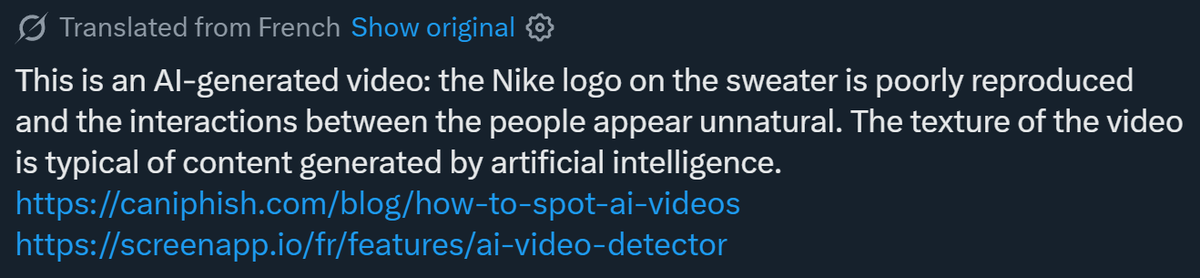
Another viral AI video, and the best Community Notes can come up with is 'it looks funny.' Pointing people to 'How to Detect AI' articles isn't convincing at all.
Not every grand slam needs a trophy case.
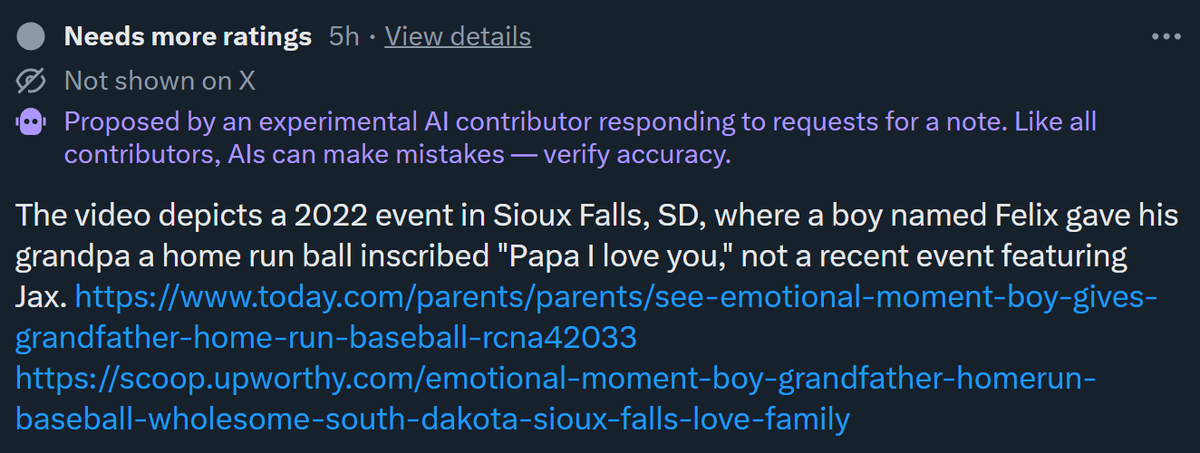
After the game, Jax proudly shows his grandpa his home run ball. Grandpa asks if he wrote the date on it. Jax shakes his head: “Nope… it says ‘Papa I love you.’”
Grandpa asks why and Jax replies with a big smile, “Because you taught me everything about baseball.”
The world needs more grandpas like this! ⚾❤️
I've noticed a recurring issue—people want to fact-check and ensure the content they see is verified, but due to a lack of awareness about Google Lens and its limitations, they often end up spreading fake news themselves.
Let’s fix this 🧵
@AbominableScot@ZannSuz She doesn't understand that she posted two AI photos as proof. Neither photo comes from the article. Some people are too stupid to be online.
@ZannSuz@Liljonhernandez@USNavy@USNavyCNO The other images you posted are AI generated. The second photo is cropped from this one. Note the Google Gemini logo in the bottom right corner.
I asked the original X poster, and he admitted he generated it with Google AI https://t.co/eyAzSbdk74
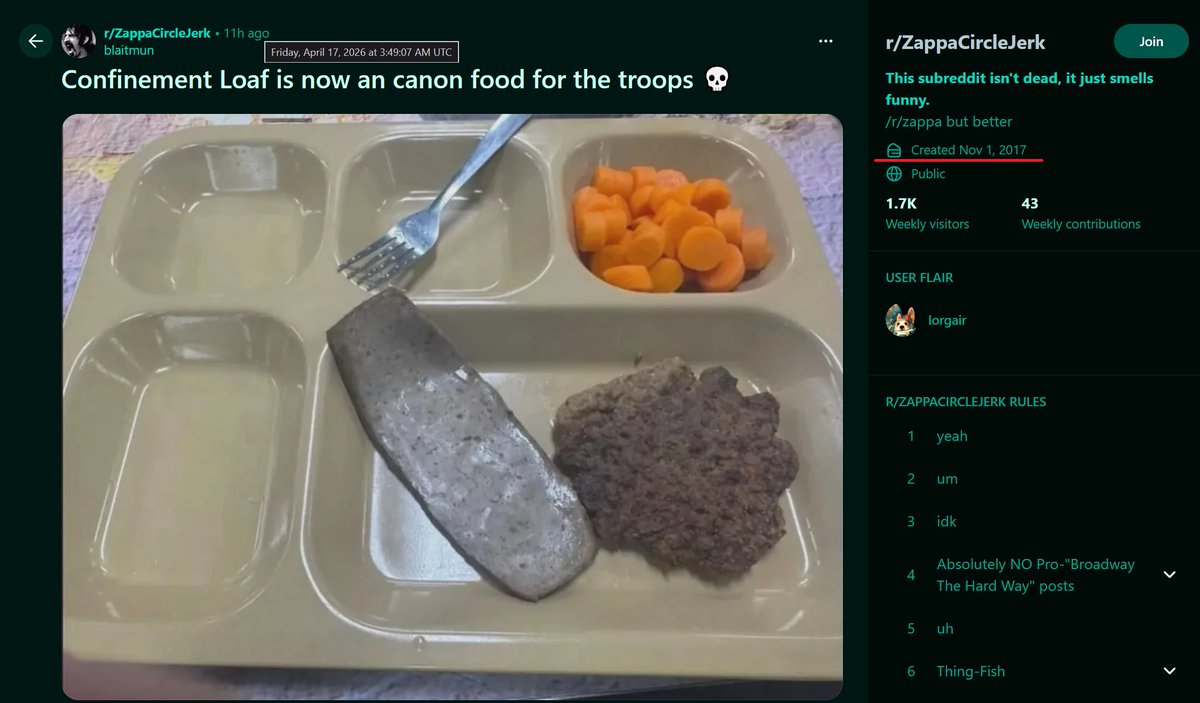
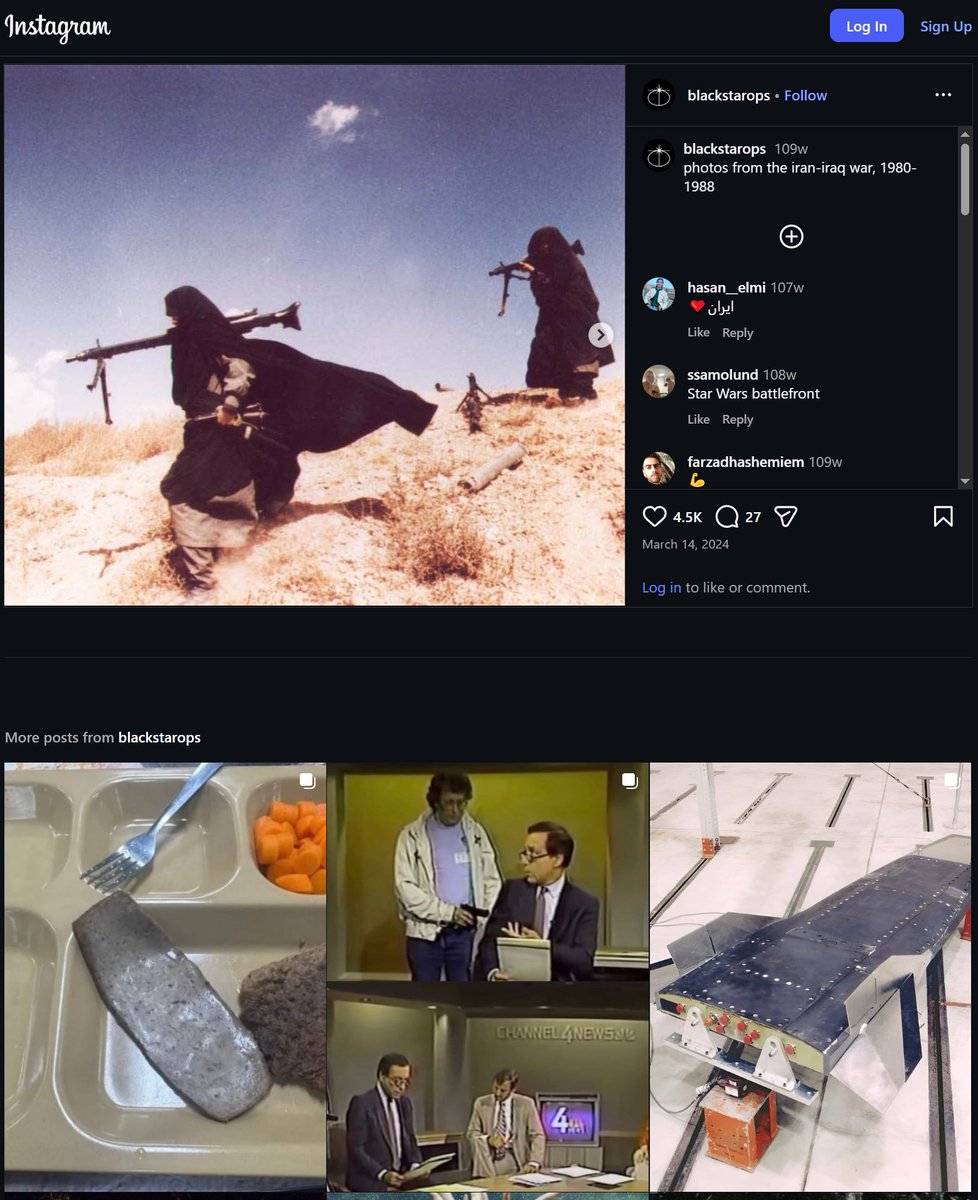
@ZannSuz@Liljonhernandez@USNavy@USNavyCNO Google Lens reverse image search mistakes dates on a page for the date an image was published.
The first entry is referencing the date that Reddit community was created. Instagram entries are due to recommendations.
The images didn't exist online before the USA Today article.
@64s@died_q@TimOnPoint@TonyBrunoShow It's not AI, just a flaw in Google Lens search results. It confuses dates on a page for the date an image was published.
First one is referencing the date that Reddit community was created, since it's on the same page. The Instagram posts are due to recommendations.
It's essential that we learn how AI & reverse image searches work before running with whatever result they give us. Discover each tool's strengths and weaknesses. A casual search for a higher resolution image can help avoid spreading misinformation.
It's incredible how a fake photo can make the rounds on social media if it fits a certain viewpoint. Especially if it 'debunks' the opposing viewpoint.
Even if you question the images posted in the USA Today article, responding with fakes is worse.
These tools should never be used in a vacuum, the result they produce is only one data point. Use multiple reverse image searches together. If Google Lens is the only one producing a result, the image is likely new.
Tineye is great for finding older images, but is slower to crawl new pages. Bing is a viable backup for Lens results. Yandex is great for finding similar images, and AI tools like lenso-ai are excellent for face matching.
We have so many tools to verify the things we're seeing, but every tool has its benefits and drawbacks. We can't implicitly trust the results they give us.