Liquidity providers do more than deposit tokens.
Their liquidity helps power swaps, while trading activity can generate fees.
So, liquidity plays a key role in keeping markets active.
#STONfi#DeFi#Liquidity
𝐇𝐨𝐰 𝐋𝐢𝐪𝐮𝐢𝐝𝐢𝐭𝐲 𝐏𝐨𝐨𝐥𝐬 𝐆𝐞𝐧𝐞𝐫𝐚𝐭𝐞 𝐑𝐞𝐰𝐚𝐫𝐝𝐬 𝐨𝐧 @ston_fi.
1/ I used to think liquidity pools were only for advanced DeFi users.
The first time I came across terms like AMM, LP tokens, trading fees, APR, farming and impermanent loss, it felt like there was too much to understand before I could even start
After spending more time exploring https://t.co/nCGUM8kMmN, I realized the main idea is actually pretty simple.
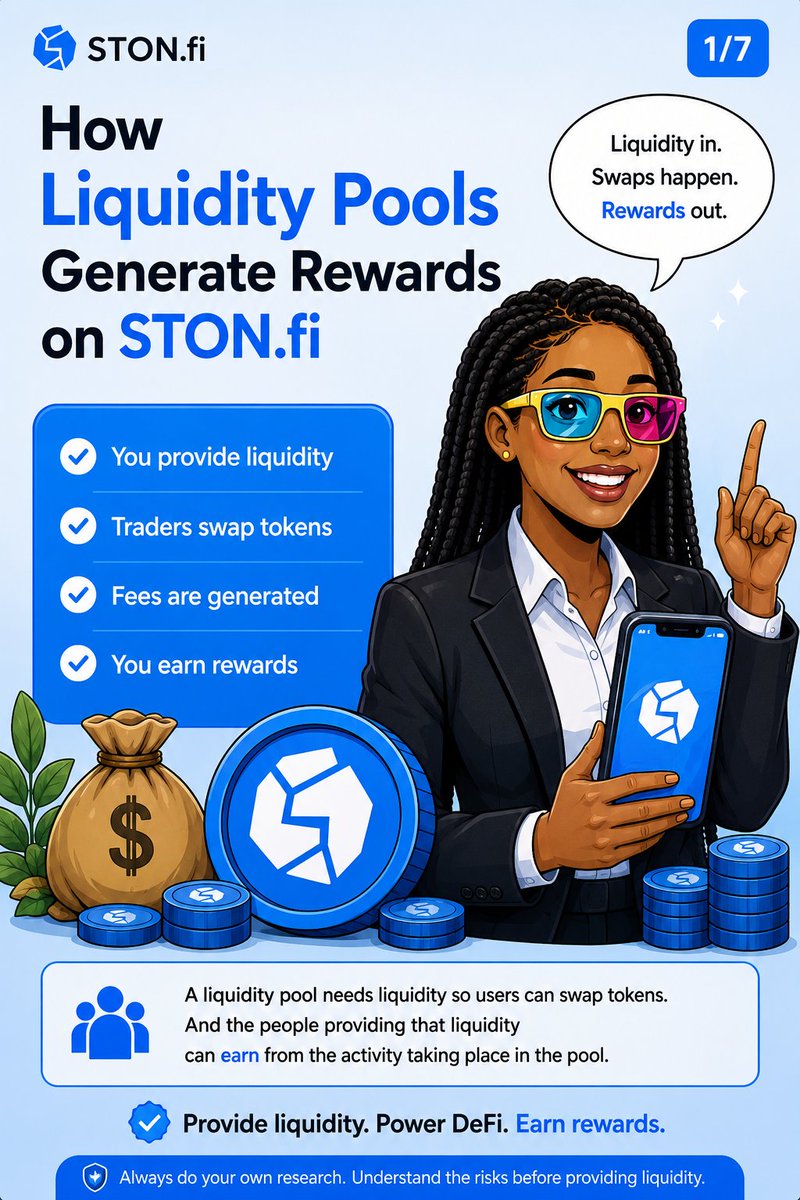
A liquidity pool needs liquidity so users can swap tokens.
And the people providing that liquidity can earn from the activity taking place in the pool.
🧵That’s what I want to break down 👇
#STONfi #DeFi #LiquidityPools #TON
𝐇𝐨𝐰 𝐂𝐨𝐮𝐥𝐝 𝐎𝐦𝐧𝐢𝐬𝐭𝐨𝐧 𝐂𝐡𝐚𝐧𝐠𝐞 𝐃𝐞𝐅𝐢 𝐓𝐫𝐚𝐝𝐢𝐧𝐠 𝐎𝐧 𝐓𝐎𝐍?
1/ I have been using @ston_fi for swaps, and one thing I have learned is that #liquidity can make a big difference in how a trade is executed.
Liquidity simply means the amount of tokens available for buying, selling or swapping.
When there is more liquidity, trades can usually be executed more easily, with less chance of large price changes during the swap.
Omniston takes this further by checking different liquidity sources to find efficient routes for swaps.
#STONfi #Omniston #TON
This is a pretty interesting use of #Omniston
WenLong is bringing Hyperliquid perps into Telegram, and the cross-chain part is where it gets really useful.
You can start with USDT on TON, have Omniston handle the swap into USDC on Arbitrum, then route it into Hyperliquid without manually piecing the whole process together.
That’s the kind of infrastructure that makes onchain trading feel less complicated.
https://t.co/e2NWK5tAcP is quietly doing a lot of work under the hood here.
@ston_fi
#Omniston #TON #Hyperliquid
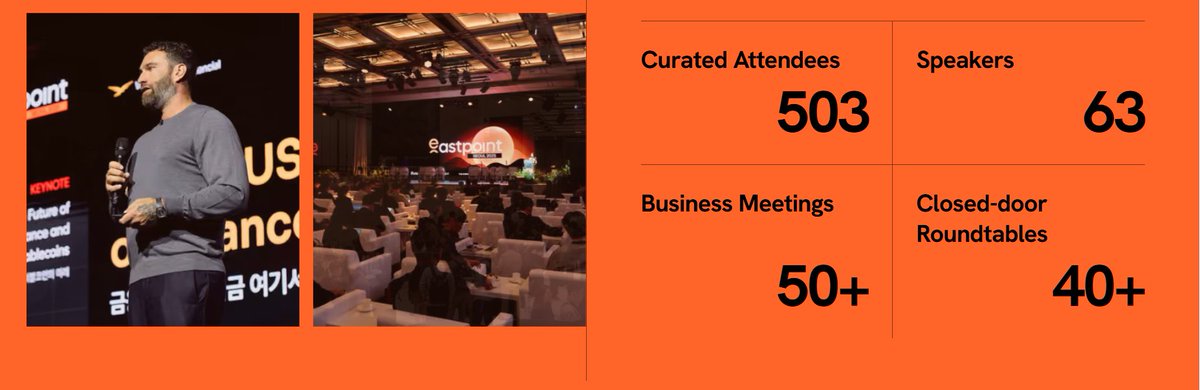
The co-founder and CEO of @injective , Eric Chen, is heading to Seoul next month to speak at @0xEastPoint Seoul 2026 on September 28.
Actually this is more than just another conference appearance for Injective.
EastPoint Seoul brings together institutions, policymakers, regulators and leading Web3 builders to discuss where:
👉 Digital assets
👉 Finance
👉 Technology are heading.
It is organized by Hashed, Bloomingbit and The Korea Economic Daily.
Eric will speak about how purpose-built infrastructure can bring institutional finance on-chain, which fits directly into Injective’s vision as a layer-1 built specifically for on-chain finance.
What makes this even more interesting is that the event will focus on:
➡️ Institutional adoption
➡️ Stablecoins
➡️ Tokenized capital markets
➡️ AI
➡️ How Web3 infrastructure can become part of everyday business.
These are all areas that connect closely with what Injective is already building through its financial infrastructure, native USDC, tokenized assets, on-chain markets and AI-powered finance.
So Eric being there is not only about visibility.
It gives Injective a chance to put its vision directly in front of institutions, policymakers and builders who are helping shape the future of digital finance.
And Korea is a very important market for this conversation. It has one of the world’s most active digital asset markets, while institutions and regulators are exploring how digital assets can become part of the financial system.
More conversations at this level could mean stronger institutional awareness especially for Injective ecosystem, new partnerships and more opportunities for Injective’s infrastructure to connect with the broader financial world.
EastPoint Seoul 2026 takes place on September 28 at the Westin Seoul Parnas.
As stablecoins, tokenized assets, AI and institutional finance continue moving on-chain, Injective is setting itself as part of the infrastructure powering that future.
And now, Eric is taking that conversation to Seoul.
$INJ
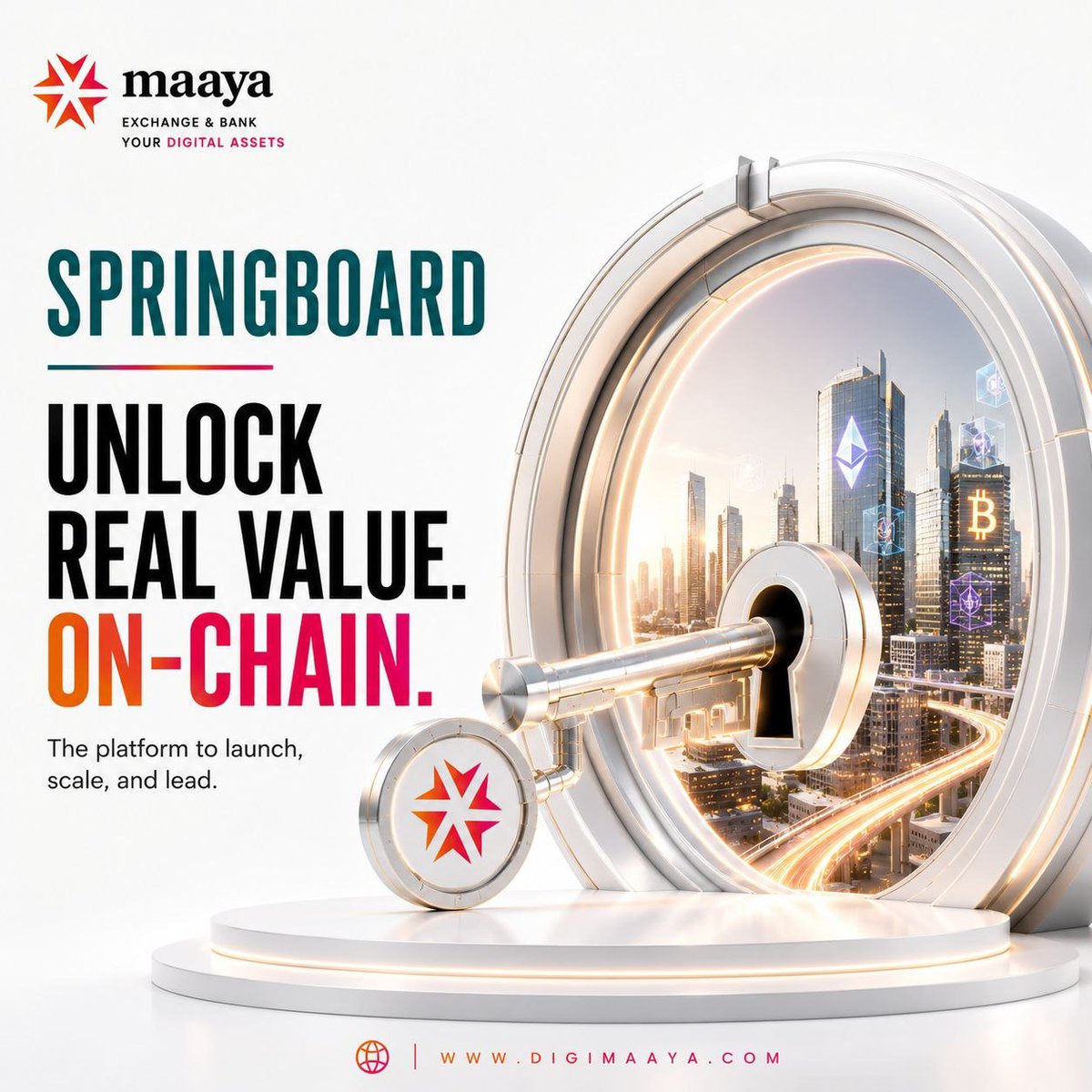
Been watching what @DigiMaaya is building, and honestly, it’s bigger than just another crypto platform.
The idea of bringing learning, loyalty, incubation, fundraising and trading into one Web2.5 ecosystem makes a lot of sense. The Springboard is helping businesses move into Web3, while the Loyalty App gives users a reason to actually participate and grow with the ecosystem.
And with the Exchange demo already live, $EMYA utility, and more infrastructure being built, DigiMaaya feels like a project focused on creating an actual ecosystem rather than just chasing hype.
Still early, but definitely one I’m keeping an eye on. 👀
I still remember the first time I tried moving funds across chains.
I thought it would be as simple as choosing the token, entering the amount and confirming the transaction.
It wasn’t.
Suddenly I was checking which network my funds were on, wondering if I had enough gas, looking for a bridge and double-checking every address because one wrong move could turn a simple swap into a very expensive mistake.
And honestly, that experience made me realize something about Web3.
The technology can be incredibly powerful, but sometimes the user experience feels like you need to understand the entire machine just to turn it on.
I’ve dealt with the whole “wrong chain” problem more times than I’d like to admit.
You have $USDT on one network, but the opportunity you want is somewhere else.
Your funds are yours. They’re just standing at the wrong door.
Traditionally, bridges helped solve this by moving assets between chains, while atomic swaps used cryptographic mechanisms like HTLCs to exchange assets without relying on a traditional bridge.
Useful, but from a user’s perspective, there was still a lot to think about.
Which bridge?
Which network?
How much gas?
How long will it take?
What happens if something goes wrong?
That’s where cross-chain intent systems started becoming interesting to me.
Instead of telling the infrastructure every step it needs to take, you simply tell it the outcome you want.
Something like:
“I want 100 $USDC on @base, starting from TON.”
That’s it.
The system handles the complicated part behind the scenes.
This is where @ston_fi approach makes sense.
https://t.co/nCGUM8kMmN already has its native AMM for swaps within @ton_blockchain. But through Omniston, its cross-chain execution layer, the experience extends beyond TON into supported EVM destinations such as Ethereum, BNB Chain, Base and Polygon.
What really caught my attention is how #Omniston uses resolvers and paired HTLCs.
Resolvers compete through an RFQ system to provide cross-chain quotes, while the HTLC structure ties settlement together cryptographically.
So instead of simply trusting an operator to do the right thing, the mechanism is designed around an all-or-nothing outcome.
Either the swap happens as agreed, or the timelock mechanism allows the relevant party to recover their funds.
𝗪𝗵𝗮𝘁 𝗠𝗮𝗸𝗲𝘀 𝗜𝘁 𝗔 𝗚𝗮𝗺𝗲 𝗖𝗵𝗮𝗻𝗴𝗲𝗿
For me, it’s the shift from managing chains to simply stating outcomes.
Less network switching, less gas juggling and fewer manual steps could make cross-chain DeFi feel much closer to a normal financial app.
𝗠𝘆 𝗢𝗽𝗶𝗻𝗶𝗼𝗻
I think this is where Web3 UX needs to go.
Users shouldn’t have to understand every layer of infrastructure just to move value. If Omniston can keep expanding its reach while maintaining competitive quotes and secure settlement, cross-chain swaps could become something people simply use without thinking about the chain underneath.
Imagine holding $TON and wanting $USDC on Base.
You shouldn't have to become a temporary expert in Ethereum, bridging and gas just to get there.
You should be able to say what you want, review the quote and confirm.
The chain becomes infrastructure.
The outcome becomes the interface.
And eventually, beginners may stop asking:
“Which chain am I on?”
They’ll simply ask:
“What do I want to do?”
That, to me, is what a better cross-chain experience should feel like.
For more details: https://t.co/ZyWAL0aAB4
Website: https://t.co/uphDITineT
App: https://t.co/FAPSFnaXSv
Follow the telegram handle: https://t.co/LjezD5N5jt
@ston_fi
#STONfi #Omniston #CrossChain #DeFi
𝗛𝗼𝘄 𝗜 𝗦𝘁𝗮𝗸𝗲 𝗢𝗻 𝗦𝗧𝗢𝗡.𝗳𝗶
I used to think staking on a DEX would be complicated.
But after using @ston_fi, I found the process pretty simple.
If you already hold $STON and want to put those tokens to work, https://t.co/nCGUM8kMmN lets you stake them directly through its platform.
No liquidity pool is needed.
No LP tokens are needed.
You simply lock your STON for a chosen period and receive protocol rewards.
What Is Staking?
Staking is the process of locking your crypto tokens in a protocol for a specific period to support the ecosystem and receive rewards.
On https://t.co/nCGUM8kMmN, staking means locking your STON directly instead of providing liquidity to a pool.
The amount you stake and how long you lock it can affect the rewards and benefits you receive.
Here’s how I did it. 👇
1. Connect Your Wallet
First, I went to https://t.co/nCGUM8kMmN & connected my TON wallet.
🔗 https://t.co/FAPSFnaXSv
Since staking happens on-chain, I needed enough STON for the stake & enough TON to cover the transaction fee.
2. Go to the Stake Section
After connecting my wallet, I opened the Stake section.
From there, I selected Stake STON.
The interface was straightforward, so I didn't have to search around for the staking option.
3. Choose How Much STON to Stake
Next, I entered the amount of STON I wanted to stake.
I decided how much of my $STON I was comfortable locking.
I didn't need to provide another token or create a liquidity position.
That's one thing I liked about https://t.co/nCGUM8kMmN staking.
4. Choose the Lock-Up Period
After choosing the amount, I selected the staking duration.
The lock-up period matters because my STON remains locked for the period I choose.
So I always check the available duration and understand the terms before confirming.
5. Confirm the Transaction
Once everything looked right, I clicked to stake and confirmed the transaction in my wallet.
After the transaction was confirmed on TON, my staking position became active.
That's basically it.
Choose STON → choose the duration → confirm the transaction.
https://t.co/nCGUM8kMmN describes its staking model as locking STON directly in a smart contract to receive protocol rewards, without needing a liquidity pool or LP tokens.
What Do I Get From Staking?
For me, the interesting part isn't just locking tokens.
STON staking can give participants protocol rewards and governance-related benefits.
Stakers can receive #ARKENSTON, a soulbound NFT connected to the wallet, & #GEMSTON, a community engagement token issued when staking.
Staking can also qualify users for certain https://t.co/nCGUM8kMmN campaigns.
Staking Is Not the Same as Farming
This was something I had to understand first.
🔹Staking: You lock STON directly & receive protocol rewards.
🔹Farming: You provide liquidity, receive LP tokens, & stake those LP tokens in a farm to earn additional rewards.
So if I simply want to stake my STON, I don't need to provide liquidity first.
That's what makes the staking option simple for me.
A Few Things I Check Before Staking
I don't just look at the rewards.
I also check:
- How much STON I want to lock
- The available lock-up period
- The current reward information
- The transaction fee
- Whether I will need my STON before the lock ends
This is important because staking involves locking your tokens.
I also avoid treating displayed rewards as guaranteed profit. Crypto prices can move, and reward programs can change.
My Take
After using @ston_fi, staking feels much easier than I initially expected.
Connect wallet → Stake STON → choose amount → confirm.
I like that I can stake $STON directly without creating an LP position.
The simple interface is a big part of why I enjoyed using it.
𝐎𝐟𝐟𝐢𝐜𝐢𝐚𝐥 𝐑𝐞𝐬𝐨𝐮𝐫𝐜𝐞𝐬:
🌐 Site: https://t.co/eNbXup9TW1
🧠 Doc: https://t.co/yrIAIX5Fuz
📊 Analytics Dashboard: https://t.co/4NRa57pBbi
TG: https://t.co/U2Ib8Z5GmC
#STONfi #TON #DeFi #STON
𝗦𝗧𝗢𝗡.𝗳𝗶 𝗕𝗲𝘆𝗼𝗻𝗱 𝘁𝗵𝗲 𝗗𝗘𝗫: 𝗛𝗼𝘄 𝗜𝘁 𝗜𝘀 𝗕𝘂𝗶𝗹𝗱𝗶𝗻𝗴 𝗟𝗶𝗾𝘂𝗶𝗱𝗶𝘁𝘆 𝗜𝗻𝗳𝗿𝗮𝘀𝘁𝗿𝘂𝗰𝘁𝘂𝗿𝗲 𝗳𝗼𝗿 𝗧𝗢𝗡 𝗗𝗲𝗙𝗶
When I first started using @ston_fi, I mainly saw it as a simple #DEX for swapping tokens on TON.
But after using it more and looking deeper into what it is building, I started seeing a much bigger picture.
What I like about https://t.co/nCGUM8kMmN is that it is not stopping at being a place to swap tokens.
It is building infrastructure around liquidity, better execution, developer access, and cross-chain swaps.
Here Is How I See That Evolution.
1. It Started With an AMM DEX
The foundation is still the https://t.co/nCGUM8kMmN DEX.
It lets me swap tokens on TON through liquidity pools, while liquidity providers can earn trading fees.
I like having this kind of permissionless trading directly on TON.
But as DeFi grows, liquidity can become fragmented.
Different DEXs can have different liquidity and prices for the same token pair.
That makes finding good execution more important.
2. Then Came Liquidity Aggregation
This is where #Omniston caught my attention.
Omniston is https://t.co/nCGUM8kMmN's liquidity aggregation protocol for TON.
Instead of relying on one liquidity source, it can collect quotes from different DEXs and RFQ resolvers, compare them, and find a suitable route.
As a user, I don't have to manually check different liquidity sources.
The infrastructure does more of that work for me.
That makes the trading experience much more convenient.
3. Omniston Is Also Developer Infrastructure
This is another part I really like.
Omniston is not only useful inside https://t.co/nCGUM8kMmN.
Developers can integrate its liquidity and swap functionality into their own TON applications through SDKs and APIs.
That means wallets and DeFi applications can potentially access aggregated liquidity without building everything from scratch.
For me, this shows that https://t.co/nCGUM8kMmN is thinking beyond its own interface.
It is building something other applications can use too.
4. Better Execution Is the Goal
Aggregation is not just about collecting liquidity.
The important part is finding better execution.
Omniston can gather quotes, compare routes, and coordinate execution.
This can help with:
🔹Price discovery
🔹Liquidity access
🔹Slippage
🔹Route selection
🔹Swap execution
I like this approach because the goal is not simply to give me more options.
It is about helping me get a better route for my trade.
5. https://t.co/nCGUM8kMmN Is Going Beyond TON
This is where things become even more interesting to me. Omniston is evolving toward cross-chain execution.
DeFi liquidity is spread across many networks, including TON, Ethereum, Base, and BNB Chain.
So connecting liquidity across chains is becoming increasingly important.
6. Cross-Chain Execution
What I find interesting is that Omniston is not simply focused on traditional bridging.
It uses resolvers and smart contracts to coordinate cross-chain swaps, with HTLCs supporting secure execution.
So instead of asking:
“How do I move my token?”
I can ask:
“How do I get the asset I want?”
That feels much simpler.
Why This Matters to Me
From my experience with https://t.co/nCGUM8kMmN, I now see the project as more than a DEX.
It has evolved from:
AMM DEX → Liquidity Aggregation → Developer Infrastructure → Cross-Chain Execution.
Each step solves a different problem.
And I like that the focus remains on making liquidity easier to access and trading easier to execute.
My Take As A https://t.co/nCGUM8kMmN User
I started using @ston_fi for simple token swaps on TON.
I stayed because I saw it growing beyond that.
The DEX is still important, but https://t.co/nCGUM8kMmN is building something bigger.
It is not just a DEX.
It is becoming infrastructure for TON #DeFi.
Info links:
🌐 Site: https://t.co/eNbXup9TW1
🧠 Doc: https://t.co/yrIAIX5Fuz
📊 Analytics Dashboard: https://t.co/4NRa57pBbi
𝗪𝗵𝗮𝘁 𝗶𝗳 𝗵𝗼𝗹𝗱𝗶𝗻𝗴 $STON 𝗶𝘀 𝗻𝗼𝘁 𝘁𝗵𝗲 𝗼𝗻𝗹𝘆 𝘄𝗮𝘆 𝘁𝗼 𝘀𝘂𝗽𝗽𝗼𝗿𝘁 @ston_fi, 𝗯𝘂𝘁 𝘆𝗼𝘂 𝗰𝗮𝗻 𝗮𝗹𝘀𝗼 𝘂𝘀𝗲 𝗶𝘁 𝘁𝗼 𝗵𝗮𝘃𝗲 𝗮 𝘀𝗮𝘆 𝗶𝗻 𝗵𝗼𝘄 𝘁𝗵𝗲 𝗽𝗿𝗼𝘁𝗼𝗰𝗼𝗹 𝗱𝗲𝘃𝗲𝗹𝗼𝗽𝘀?
That was one of the things I found interesting about the https://t.co/nCGUM8lkcl ecosystem.
I already knew $STON was the native token of https://t.co/nCGUM8lkcl. But after looking deeper into the DAO, I realized that staking STON can also give users voting power.
So, What Exactly Does https://t.co/nCGUM8lkcl DAO Voting Power Mean?
Voting Power (VP) is the amount of influence you have when participating in the https://t.co/nCGUM8lkcl DAO.
It is not simply based on how much $STON you hold.
You need to stake your STON to activate your governance access. When you stake, you receive $ARKENSTON, a soulbound governance NFT that represents your voting power.
This means your $STON can give you more than just exposure to the token.
It can also give you a voice in DAO decisions.
How Do I Get Voting Power?
The process is pretty straightforward.
You stake your $STON through https://t.co/nCGUM8lkcl.
The current DAO system allows STON to be staked for 3 to 24 months to activate governance access. Your ARKENSTON then represents your voting power.
I like this structure because governance is connected to actually committing STON to the protocol.
Simply holding STON in your wallet does not give you DAO voting power.
What Determines My Voting Power?
Two main things matter:
1. How much STON you stake
More STON staked generally means more voting power.
2. How long you lock your STON
A longer lock gives a higher voting power multiplier.
There is also a time-based element.
Voting power can change as the staking environment changes, and it can decay over time according to the staking mechanism. Restaking or extending the lock can affect your voting power.
So VP is not just a fixed number that stays the same forever.
What Can I Do With My Voting Power?
This is where I find the DAO interesting.
Your voting power can be used to participate in governance.
DAO members can:
- Discuss proposals
- Vote for or against proposals
- Create proposals if they meet the required threshold
- Help influence changes to the protocol and ecosystem
@ston_fi proposals can cover areas such as protocol changes, ecosystem initiatives, rewards and other developments.
The voting process also happens on-chain, making the decisions transparent and verifiable.
Why Does This Matter?
For me, the important part is that governance gives stakers a way to participate beyond simply using the DEX.
If I am locking my STON for the long term, I can also use the voting power connected to that stake to participate in decisions affecting the ecosystem.
That creates a stronger connection between staking, commitment and governance.
And I think that is a useful model for a growing DeFi protocol.
My Take
After using and exploring https://t.co/nCGUM8lkcl, DAO Voting Power is one of the features that makes the STON token more interesting to me.
It is not just:
Hold STON → wait.
It can be:
Stake STON - receive ARKENSTON - gain voting power - participate in governance.
The longer-term commitment also matters because voting power is connected to both the amount staked and the lock period.
For anyone already interested in https://t.co/nCGUM8lkcl and its future, I think understanding DAO Voting Power is worth it.
Your stake can give you more than a position in the ecosystem.
It can give you a voice in where the ecosystem goes next.
𝐎𝐟𝐟𝐢𝐜𝐢𝐚𝐥 𝐑𝐞𝐬𝐨𝐮𝐫𝐜𝐞𝐬:
🌐 Site: https://t.co/eNbXuparLz
🔗 STONfi DAO: https://t.co/KFy1Qs0jlf
🧠 Doc: https://t.co/yrIAIX6dk7
📊 Analytics Dashboard: https://t.co/4NRa57q90Q
TG: https://t.co/U2Ib8Z6eca
#STONfi #STON #TON #DeFi
Do you know you can now swap from one chain to another with no 3rd party bridge or external app involved?
Different networks, wallets, liquidity and transaction processes can make DeFi feel unnecessarily complicated.
@ston_fi is working to simplify that experience with Omniston, its cross-chain execution layer.
Instead of making users manually figure out bridges and routes, https://t.co/nCGUM8kMmN can coordinate swaps across different chains through one flow.
Now i can focus more on what I want to swap, rather than worrying about all the infrastructure happening underneath.
https://t.co/nCGUM8kMmN always keeps the experience simple
𝐎𝐟𝐟𝐢𝐜𝐢𝐚𝐥 𝐑𝐞𝐬𝐨𝐮𝐫𝐜𝐞𝐬:
🌐 Site: https://t.co/eNbXup9TW1
🧠 Doc: https://t.co/yrIAIX5Fuz
📊 Analytics Dashboard: https://t.co/4NRa57pBbi
TG: https://t.co/U2Ib8Z5GmC
#STONfi #Omniston #TON #DeFi
𝐇𝐨𝐰 𝐈 𝐒𝐭𝐚𝐫𝐭𝐞𝐝 𝐏𝐫𝐨𝐯𝐢𝐝𝐢𝐧𝐠 𝐋𝐢𝐪𝐮𝐢𝐝𝐢𝐭𝐲 𝐎𝐧 𝐒𝐓𝐎𝐍.𝐟𝐢
I used to think providing liquidity was something only advanced DeFi users could understand.
There were always terms like liquidity pools, LP tokens, trading fees and impermanent loss. At first, it felt like a lot to understand before even getting started.
After spending some time exploring @ston_fi, I realized the basic idea is much simpler than I expected.
At its core, liquidity helps other users trade tokens. When I provide liquidity, I deposit tokens into a liquidity pool. That pool provides the liquidity needed for swaps on https://t.co/nCGUM8kMmN.
In return, liquidity providers can earn a share of the trading fees generated by activity in the pool.
So, How Does It Work?
I start by connecting my TON wallet to https://t.co/nCGUM8kMmN. Once my wallet is connected, I can go to the Liquidity section and look through the available pools.
This is an important part for me because I don't want to add liquidity to a pool without understanding what I'm putting my funds into.
After choosing a pool, I select the tokens I want to provide and enter the amount.
Before confirming, I can review the details of the liquidity position and then approve the required transactions from my wallet.
Once the transaction is completed, my tokens are added to the pool. My liquidity position represents my contribution to that pool.
The part I like most is that I don't have to constantly manage every swap happening in the pool.
Other users can trade through the available liquidity, while liquidity providers can potentially earn fees from that trading activity.
@ston_fi also gives liquidity providers different options depending on the pool and version being used. https://t.co/nCGUM8kMmN V2, for example, supports single-sided liquidity provision, giving users more flexibility when providing liquidity.
But there are risks
This is something I think every new liquidity provider should understand.
Providing liquidity is not the same as simply holding tokens.
Token prices can change, & liquidity providers can experience impermanent loss. There are also smart contract risks and other risks that come with using DeFi protocols.
So before I provide liquidity, I look at the pool carefully, understand the tokens involved and consider how much risk I'm comfortable taking.
For me, this is one of the biggest lessons from using https://t.co/nCGUM8kMmN.
Liquidity provision doesn't need to feel complicated when the basic concepts are clear.
The process is basically:
1. Connect your TON wallet.
2. Choose a liquidity pool.
3. Select the tokens.
4. Review the liquidity position.
5. Confirm the transaction.
After that, your liquidity becomes available for other users to trade against.
What I appreciate about https://t.co/nCGUM8kMmN is that it makes participating in DeFi on TON feel more accessible.
I'm not just swapping tokens. I can also contribute liquidity to the ecosystem and potentially earn fees from the activity happening in the pools.
That makes liquidity provision interesting to me as a DeFi user.
Of course, earning fees is never guaranteed, and I wouldn't provide liquidity without understanding the risks first.
But after learning how it works, I no longer see liquidity provision as something reserved for advanced users.
It's simply another way to participate in DeFi.
And https://t.co/nCGUM8kMmN made that process much easier for me to understand.
𝐑𝐞𝐬𝐨𝐮𝐫𝐜𝐞𝐬:
🌐 Site: https://t.co/eNbXup9TW1
Download App: https://t.co/FAPSFnaXSv
🧠 Doc: https://t.co/yrIAIX5Fuz
📊 Analytics Dashboard: https://t.co/4NRa57pBbi
TG: https://t.co/U2Ib8Z5GmC
#STONfi #TON #DeFi #Liquidity #LiquidityProviders
𝐇𝐨𝐰 𝐋𝐢𝐪𝐮𝐢𝐝𝐢𝐭𝐲 𝐏𝐨𝐨𝐥𝐬 𝐆𝐞𝐧𝐞𝐫𝐚𝐭𝐞 𝐑𝐞𝐰𝐚𝐫𝐝𝐬 𝐨𝐧 @ston_fi.
1/ I used to think liquidity pools were only for advanced DeFi users.
The first time I came across terms like AMM, LP tokens, trading fees, APR, farming and impermanent loss, it felt like there was too much to understand before I could even start
After spending more time exploring https://t.co/nCGUM8kMmN, I realized the main idea is actually pretty simple.
A liquidity pool needs liquidity so users can swap tokens.
And the people providing that liquidity can earn from the activity taking place in the pool.
🧵That’s what I want to break down 👇
#STONfi #DeFi #LiquidityPools #TON
1/8
Most people have stories they’ll never record.
A lesson they learned the hard way.
A crazy trip.
A business failure.
A love story.
Advice they wish someone had given them earlier.
What if those stories could live on forever and become something you could actually own?
That’s what caught my attention about @echoes_fans.
🧵👇
𝐒𝐓𝐎𝐍.𝐟𝐢 𝐁𝐞𝐲𝐨𝐧𝐝 𝐭𝐡𝐞 𝐃𝐄𝐗: 𝐇𝐨𝐰 𝐈𝐭 𝐈𝐬 𝐁𝐮𝐢𝐥𝐝𝐢𝐧𝐠 𝐭𝐡𝐞 𝐋𝐢𝐪𝐮𝐢𝐝𝐢𝐭𝐲 𝐈𝐧𝐟𝐫𝐚𝐬𝐭𝐫𝐮𝐜𝐭𝐮𝐫𝐞 𝐨𝐟 𝐓𝐎𝐍
Have you ever tried swapping a token and realized the best price wasn’t actually available on the platform you were using?
You check another DEX. Then another.
Suddenly, a simple swap has become a hunt for liquidity.
That problem gets bigger as a blockchain ecosystem grows. More DEXs mean more liquidity sources, but also more fragmentation.
This is where I think @ston_fi gets particularly interesting.
At first glance, https://t.co/nCGUM8lkcl looks like a DEX on @ton_blockchain. But its evolution tells a much bigger story: from an AMM, to a liquidity aggregator, to infrastructure connecting applications & eventually liquidity across different chains.
From AMM to Something Bigger
https://t.co/nCGUM8lkcl started as an AMM-based DEX, allowing users to swap tokens through liquidity pools.
But as TON's DeFi ecosystem expanded, another question became harder to ignore:
What happens when liquidity is spread across multiple platforms?
More liquidity is good.
Having to manually search through all of it isn't.
That's where #Omniston enters the picture.
Omniston: Aggregating the Liquidity
Instead of forcing users to choose one liquidity venue, Omniston can gather quotes from multiple DEXs and liquidity providers, compare them, and route trades toward better execution.
You request a swap.
Omniston sends an RFQ to connected DEXs and resolvers.
They return quotes.
Omniston selects the best option and coordinates execution.
The complicated part happens underneath the interface.
And honestly, that's exactly what good infrastructure should do.
From Aggregator to Execution Infrastructure
This is the part I find most interesting.
Omniston is increasingly positioned as infrastructure applications can build on. Through APIs, SDKs and widgets, wallets and DeFi applications can access aggregated liquidity without building the entire routing system themselves.
The user sees a simple swap.
The application sees an integration.
Underneath is a network of #liquidity sources competing to provide execution.
That's how a product starts becoming infrastructure.
And Now: Cross-Chain
This is where the story gets considerably bigger.
Omniston is moving beyond TON-only aggregation toward cross-chain execution, targeting flows between TON and networks such as Base and other EVM chains.
Its cross-chain model uses independent resolvers and linked Hashed Timelock Contracts (HTLCs) to coordinate atomic swaps.
In simple terms, assets can be locked on both chains and settled when the conditions are met. If the process fails, timelocks allow funds to be refunded.
The goal isn't simply moving wrapped assets between chains.
It's coordinating exchanges between native assets across different networks.
Why This Matters for TON
Liquidity is one of the foundations of DeFi.
You can have great applications, interesting tokens and millions of potential users. But fragmented liquidity, poor execution and complicated cross-chain flows can make adoption harder.
That's why https://t.co/nCGUM8lkcl's evolution matters.
𝑨𝑴𝑴 → 𝑨𝒈𝒈𝒓𝒆𝒈𝒂𝒕𝒐𝒓 → 𝑪𝒓𝒐𝒔𝒔-𝑫𝑬𝑿 𝑹𝒐𝒖𝒕𝒊𝒏𝒈 → 𝑫𝒆𝒗𝒆𝒍𝒐𝒑𝒆𝒓 𝑰𝒏𝒇𝒓𝒂𝒔𝒕𝒓𝒖𝒄𝒕𝒖𝒓𝒆 → 𝑪𝒓𝒐𝒔𝒔-𝑪𝒉𝒂𝒊𝒏 𝑬𝒙𝒆𝒄𝒖𝒕𝒊𝒐𝒏
Each step addresses a larger layer of the liquidity problem.
My Take
What started as a DEX is becoming a much broader liquidity story.
The interesting question isn't just whether @ston_fi can become a bigger DEX.
It's whether its infrastructure can become one of the layers helping TON's liquidity connect, route & scale across applications & eventually across chains.
That's a much bigger ambition.
And it's one I'm going to be watching closely.
👉 Take a look at #STONfi and see how Omniston is turning fragmented liquidity into a more connected experience.
Explore: https://t.co/uphDITiV4r
Website: https://t.co/uphDITiV4r
#DEX
𝙀𝙫𝙚𝙧 𝙬𝙖𝙣𝙩𝙚𝙙 𝙩𝙤 𝙚𝙭𝙥𝙡𝙤𝙧𝙚 𝘿𝙚𝙁𝙞 𝙤𝙣 𝙖𝙣𝙤𝙩𝙝𝙚𝙧 𝙘𝙝𝙖𝙞𝙣, 𝙤𝙣𝙡𝙮 𝙩𝙤 𝙧𝙚𝙖𝙡𝙞𝙯𝙚 𝙮𝙤𝙪𝙧 𝙛𝙪𝙣𝙙𝙨 𝙖𝙧𝙚 𝙨𝙞𝙩𝙩𝙞𝙣𝙜 𝙤𝙣 𝙩𝙝𝙚 𝙬𝙧𝙤𝙣𝙜 𝙣𝙚𝙩𝙬𝙤𝙧𝙠?
I have personally run into this kind of situation in Web3, and honestly, it can make something that should be simple feel way more complicated than it needs to be.
You might have $USDT sitting on @ethereum, @BNBCHAIN, or @base, while the DeFi opportunity you’re interested in is on @ton_blockchain.
The funds are still yours. They’re just standing at the wrong door.
So the obvious question becomes: how do you actually get them into TON?
From what I have seen, there are two main routes: using a bridge or using an atomic swap through Omniston, @ston_fi cross-chain execution layer.
Why Move Assets Into TON?
For me, one of the interesting things about TON DeFi is how practical it can feel when it comes to moving liquidity around. Transactions are generally cheap & fast enough to make the experience less painful.
Then there’s the bigger point.
Some assets and opportunities are native to TON. So if the asset you want isn’t available on the network you’re currently using, you need a way to bring your liquidity into the TON ecosystem.
That’s where cross-chain swaps start to make a lot more sense.
Two Ways To Enter TON DeFi
1. The bridge route
I usually think of a bridge like a delivery service between blockchains.
You send an asset from one network, & the bridge locks or burns the original asset. A corresponding wrapped version then becomes available on TON.
It works, and in the right situation, it can be perfectly useful.
But there’s something I always keep in mind: you’re not just thinking about the destination chain. You also have to consider the bridge itself, the wrapped asset, & the security assumptions behind the infrastructure.
2. The atomic-swap route with Omniston
This is where Omniston takes a slightly different approach.
Instead of simply asking, “How do I move this same asset to TON?”, the focus is more on getting the asset you actually want on TON.
You request a quote, resolvers compete to fill the trade, and the winning transaction is secured using paired Hashed Timelock Contracts, or HTLCs.
The basic idea is pretty straightforward: either the agreed swap completes, or the appropriate party can get refunded through the timelock mechanism.
So, What Actually Arrives?
This is probably the part I find most interesting.
A bridge essentially asks:
“How do we move this asset to TON?”
An atomic swap asks:
“What asset do you actually want on TON?”
And that difference can matter.
Instead of going:
Source chain → bridge → wrapped token → another swap → TON asset
You can potentially go:
Source chain → atomic swap → native TON asset
Fewer steps can mean a much cleaner experience.
Who Benefits From This?
For me, this is especially interesting for traders moving liquidity between ecosystems, users looking for TON-native assets, and liquidity providers who want to explore TON DeFi without unnecessary friction.
Once your native assets are on TON, you can use applications like https://t.co/nCGUM8kMmN to swap assets, provide liquidity, and explore the DeFi opportunities available there.
My Take
Moving assets from Ethereum, BNB Chain, or Base into #TON isn’t really the part I find most difficult anymore.
The bigger question is choosing the route that makes the most sense.
A bridge can give you a wrapped representation, while Omniston’s atomic-swap approach focuses more directly on getting the destination asset you actually want.
And honestly, I think this is where cross-chain UX needs to go.
Web3 shouldn’t require users to understand bridges, wrapped tokens, relayers, & settlement mechanisms just to move their own liquidity.
Ideally, it should feel more like:
“I have this. I want that.”
And all the complicated stuff happens underneath.
For more details: https://t.co/7IXoviz3zN
#DeFi #Omniston #STONfi
𝙀𝙫𝙚𝙧 𝙬𝙖𝙣𝙩𝙚𝙙 𝙩𝙤 𝙚𝙭𝙥𝙡𝙤𝙧𝙚 𝘿𝙚𝙁𝙞 𝙤𝙣 𝙖𝙣𝙤𝙩𝙝𝙚𝙧 𝙘𝙝𝙖𝙞𝙣, 𝙤𝙣𝙡𝙮 𝙩𝙤 𝙧𝙚𝙖𝙡𝙞𝙯𝙚 𝙮𝙤𝙪𝙧 𝙛𝙪𝙣𝙙𝙨 𝙖𝙧𝙚 𝙨𝙞𝙩𝙩𝙞𝙣𝙜 𝙤𝙣 𝙩𝙝𝙚 𝙬𝙧𝙤𝙣𝙜 𝙣𝙚𝙩𝙬𝙤𝙧𝙠?
I have personally run into this kind of situation in Web3, and honestly, it can make something that should be simple feel way more complicated than it needs to be.
You might have $USDT sitting on @ethereum, @BNBCHAIN, or @base, while the DeFi opportunity you’re interested in is on @ton_blockchain.
The funds are still yours. They’re just standing at the wrong door.
So the obvious question becomes: how do you actually get them into TON?
From what I have seen, there are two main routes: using a bridge or using an atomic swap through Omniston, @ston_fi cross-chain execution layer.
Why Move Assets Into TON?
For me, one of the interesting things about TON DeFi is how practical it can feel when it comes to moving liquidity around. Transactions are generally cheap & fast enough to make the experience less painful.
Then there’s the bigger point.
Some assets and opportunities are native to TON. So if the asset you want isn’t available on the network you’re currently using, you need a way to bring your liquidity into the TON ecosystem.
That’s where cross-chain swaps start to make a lot more sense.
Two Ways To Enter TON DeFi
1. The bridge route
I usually think of a bridge like a delivery service between blockchains.
You send an asset from one network, & the bridge locks or burns the original asset. A corresponding wrapped version then becomes available on TON.
It works, and in the right situation, it can be perfectly useful.
But there’s something I always keep in mind: you’re not just thinking about the destination chain. You also have to consider the bridge itself, the wrapped asset, & the security assumptions behind the infrastructure.
2. The atomic-swap route with Omniston
This is where Omniston takes a slightly different approach.
Instead of simply asking, “How do I move this same asset to TON?”, the focus is more on getting the asset you actually want on TON.
You request a quote, resolvers compete to fill the trade, and the winning transaction is secured using paired Hashed Timelock Contracts, or HTLCs.
The basic idea is pretty straightforward: either the agreed swap completes, or the appropriate party can get refunded through the timelock mechanism.
So, What Actually Arrives?
This is probably the part I find most interesting.
A bridge essentially asks:
“How do we move this asset to TON?”
An atomic swap asks:
“What asset do you actually want on TON?”
And that difference can matter.
Instead of going:
Source chain → bridge → wrapped token → another swap → TON asset
You can potentially go:
Source chain → atomic swap → native TON asset
Fewer steps can mean a much cleaner experience.
Who Benefits From This?
For me, this is especially interesting for traders moving liquidity between ecosystems, users looking for TON-native assets, and liquidity providers who want to explore TON DeFi without unnecessary friction.
Once your native assets are on TON, you can use applications like https://t.co/nCGUM8kMmN to swap assets, provide liquidity, and explore the DeFi opportunities available there.
My Take
Moving assets from Ethereum, BNB Chain, or Base into #TON isn’t really the part I find most difficult anymore.
The bigger question is choosing the route that makes the most sense.
A bridge can give you a wrapped representation, while Omniston’s atomic-swap approach focuses more directly on getting the destination asset you actually want.
And honestly, I think this is where cross-chain UX needs to go.
Web3 shouldn’t require users to understand bridges, wrapped tokens, relayers, & settlement mechanisms just to move their own liquidity.
Ideally, it should feel more like:
“I have this. I want that.”
And all the complicated stuff happens underneath.
For more details: https://t.co/7IXoviz3zN
#DeFi #Omniston #STONfi