So British 🇬🇧 electricity costs 57% more than the EU 🇪🇺 average and nearly three times the US 🇺🇸 price.
Yet only £335 of an average £948 electricity bill represents wholesale electricity. Another £214 funds networks and £170 funds government policies.
Successive governments have loaded infrastructure, environmental and social costs onto electricity bills rather than progressive taxation, making the cleaner fuel exceptionally expensive while encouraging households to keep using gas.
Gas remains the other major problem: it supplied 31% of UK electricity in 2024 and frequently sets the wholesale price. Britain therefore gets the worst combination:
🔥 continued exposure to international gas shocks;
🔥 renewable and social-policy costs concentrated on electricity;
🔥 expensive and delayed grid expansion;
🔥 a pricing system allowing gas to influence the value of cheaper power.
The industrial consequence: a quarter of manufacturers have moved activity abroad or are considering doing so. That turns energy policy into an economic-security issue, not simply a household cost of living story.
The answer isn’t abandoning renewables. It is getting policy costs off electricity bills, reforming marginal pricing through two-way fixed contracts, accelerating grid connections and using a social tariff to protect vulnerable households.
More North Sea licences cannot repair this structure.
Job opportunity: I'm looking for a Manchester based cat to join the Chief Mouser department. Must be good at catching mice but not good at getting attention on social media (that's covered)
Sky News just did an extended piece on the UK being the world's largest importer of jet fuel, with zero production capacity.
They managed not to mention the closure 2 years ago of the Grangemouth oil refinery which produced jet fuel.
The only people who need to resign today are the political journalists and editors at @BBCNews and @SkyNews
I've never seen such a downright sinister plot to remove a democratically elected sitting PM.
Our media is absolutely fucking toxic.
This one will require a stiff drink.
In the early 1990s, the government came up with a clever idea. Instead of borrowing money cheaply to build hospitals, schools, and roads, it would get the private sector to build them and then pay the private sector back over 25 to 30 years. The Private Finance Initiative. PFI.
The attraction was obvious. You got a shiny new hospital today. The bill didn't show up on the government's books. The cost was deferred into the future. Politicians got ribbon-cutting ceremonies without the awkward conversation about borrowing.
It was, in effect, the nation's credit card. Buy now, pay later. Except the interest rate was extraordinary.
The total capital value of everything built under PFI was around £50 billion. As of March 2024, there were 665 PFI contracts still running across the UK, with roughly £136 billion in remaining payments stretching out to the early 2050s. These are payments public bodies are contractually locked into. Hospitals, schools, councils, government departments. Paying for buildings that in many cases were constructed twenty or thirty years ago.
And the terms are extraordinary.
PFI contracts were structured so the private sector would not just build the facility but manage its services. Cleaning. Maintenance. Catering. Portering. These services are bundled into long-term contracts with built-in inflation increases that the public sector cannot renegotiate, cannot exit without paying massive penalties, and often cannot even fully scrutinise because of commercial confidentiality clauses.
In one case raised in Parliament, a hospital was charged £333 to change a lightbulb. That isn't an urban myth. It was cited in Hansard.
The NHS has been hit hardest.
According to parliamentary analysis, the capital cost of NHS PFI projects was around £13 billion. The total repayments are estimated at around £80 billion. And the peak of NHS PFI annual repayments isn't even here yet. It arrives in 2029. The bills are still going up.
In 2020-21, NHS trusts paid £457 million purely in interest charges on PFI contracts. Not services. Not maintenance. Interest. In the last five years, NHS trusts have handed over more than £1.8 billion in PFI interest alone. We Own It calculates that money would have covered the starting salaries of over 50,000 new doctors.
One NHS trust, Essex Partnership, has reportedly paid back 27 times what was originally borrowed. Some hospitals are spending more on PFI repayments than on medicines for patients. And remember, these repayments come out of the same NHS budget that's supposed to fund patient care, staff, and equipment.
Scotland got it just as badly. Audit Scotland reported that Scottish taxpayers will pay a cumulative £40 billion for PFI assets worth just £9 billion. North Ayrshire Council will have paid £440 million by 2038 for four schools that cost £83 million to build.
Now here's what makes this worse.
Many of these contracts are starting to expire. The buildings are being handed back to the public sector. And the NAO has warned of significant risks around the handback process, including cases where public bodies were dissatisfied with the condition of assets being returned to them. Decades of payments. And some of these buildings may come back needing significant further investment.
So what actually happened?
The government could have borrowed money at significantly lower rates to build these hospitals and schools itself. Sovereign borrowing has always been cheaper than private finance. Instead, it paid the private sector to borrow at a premium and passed the inflated cost on to the taxpayer. The private sector took the profit. The taxpayer took the risk. The buildings are now ageing. The debts are still being paid. And the services that were supposed to benefit are being squeezed partly because so much of their budget is locked into contractual obligations they cannot escape.
PFI wasn't investment. It was an accounting trick. A way for governments to build things without the borrowing showing up in the national debt figures. It made politicians look fiscally responsible while loading future generations with obligations they had no say in and no ability to renegotiate.
Both parties did this. The Conservatives created PFI in 1992. Labour massively expanded it after 1997. More than 700 projects were signed. The coalition eventually wound it down. The current government scrapped the latest version. But the contracts remain. The payments continue. And the damage is already done.
This is what it looks like when a country chooses to buy its infrastructure on hire purchase instead of investing properly. You lock in above-market rates for decades. You lose control of the assets. You tie the hands of future governments. And when the bill keeps coming due, you're told there's no money for doctors, teachers, or social care.
There was always money. It just went somewhere else.
This is Willo. She likes to awoo while she eats. Looks like Tonight’s meal was worthy of a gentler, but perhaps more meaningful, second awoo. Please leave her a big heart ❤️
Please join us in wishing David Gilmour a wonderful 80th birthday. Today also marks the 20th anniversary of his album On An Island, which spent 19 weeks on the UK charts, hitting the number one spot. Have a great day, David! Photo: Anton Corbijn
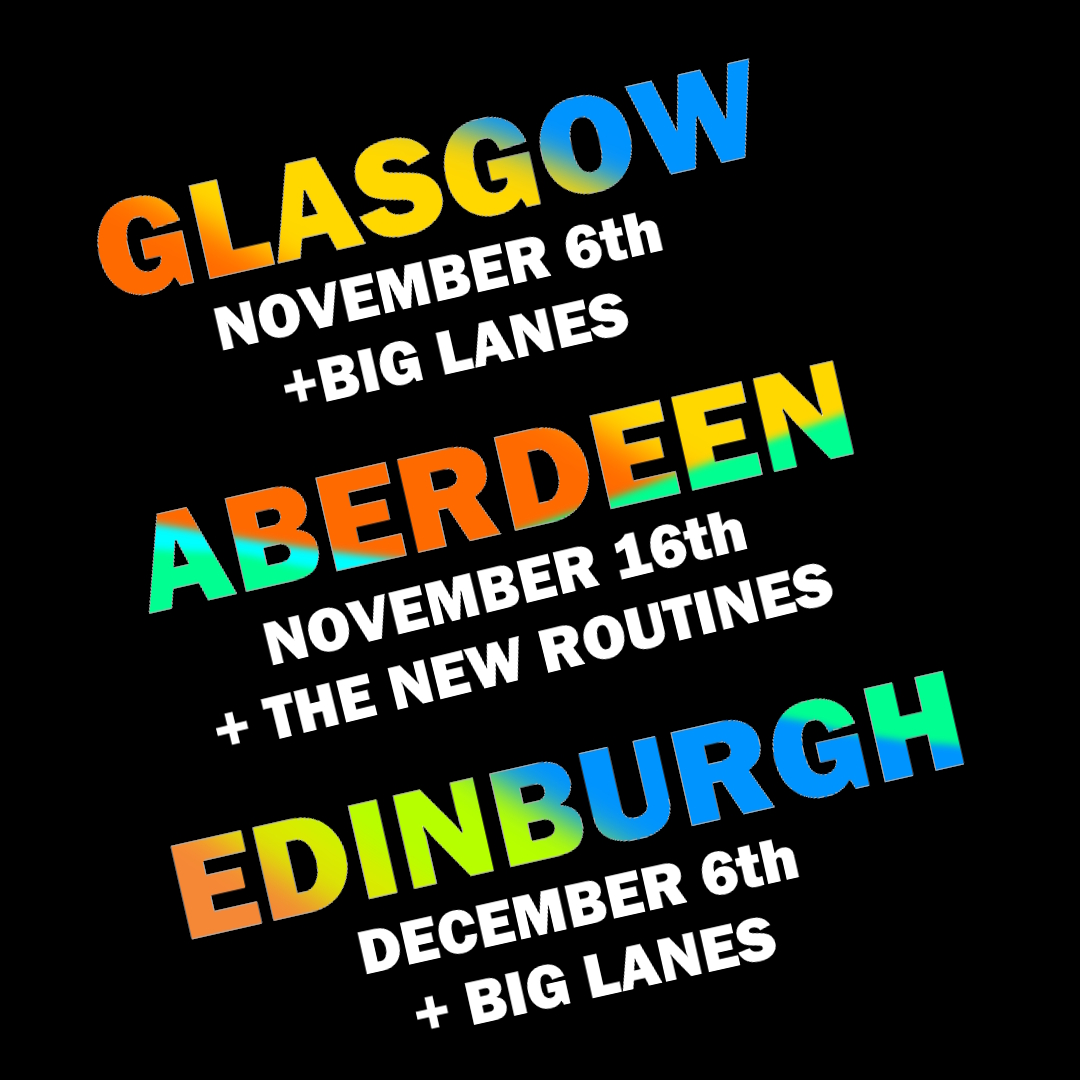
Live music needs your support - and so do we! Fabulous night, two bands for £10, launching our album Chasing Shadows (@LNFGlasgow ). Tickets: https://t.co/uJRwHy8x6V
Tony Benn’s 5 questions:
▪️What power have you got?
▪️Where did you get it from?
▪️In whose interests do you exercise it?
▪️To whom are you accountable?
▪️How do we get rid of you?
“And if you can’t get rid of the people who govern you, you don’t live in a democratic system.”
"Half of the welfare budget that is spent in Britain is spent on in work benefits. That is a direct subsidy for low wages so the corporations who've been screwing this country for years can get higher profits"
Eddie Dempsey from the @RMTunion at the #DurhamMinersGala. Spot on!
Tonight I learned that Zarah Sultana has never been on Question Time despite being an MP with a distinct voice for six years. Nigel Farage is tied sixth place for all-time appearances with 38. This is the BBC.