A Muslim farmer from the Clarington, Ont., area is allegedly facing a concentrated and escalating campaign of intimidation, hate, and extremist threats targeting his family. https://t.co/ZNvDcuHYSO
Canada has entered into negotiations to procure Saab’s Airborne Early Warning & Control Aircraft.
This new system will help the Canadian Armed Forces to detect and deter threats across the Arctic — and support more than 3000 Canadian jobs, from the skilled trades to engineering and tech.
May 20, 1883, steam and ash clouds were first reported over a volcano on a small island in the middle of the Sunda Strait - three months later Krakatoa will explode...
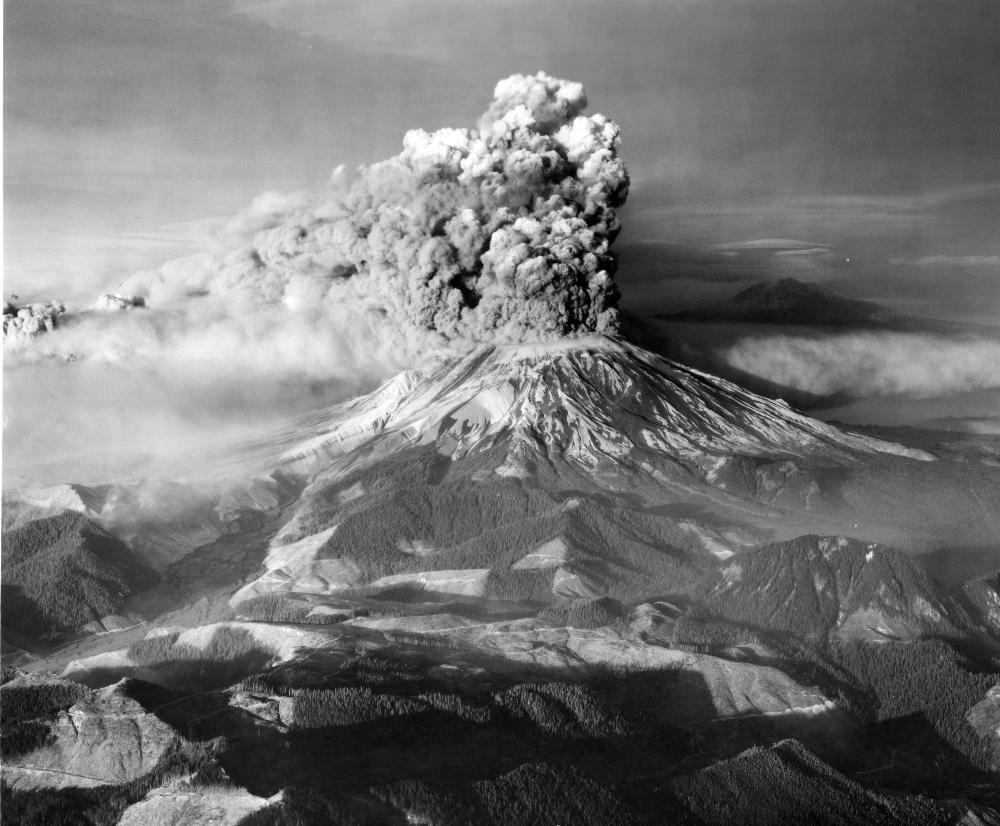
🌋 46 years ago today, Mount St. Helens forever changed the Pacific Northwest — and the science of volcano monitoring.
After more than a century of quiet, earthquakes and rising magma signaled that pressure was building beneath the volcano in the spring of 1980. On the morning of May 18, the mountain’s north flank collapsed in a massive landslide, triggering a devastating lateral blast that flattened 230 square miles of forest.
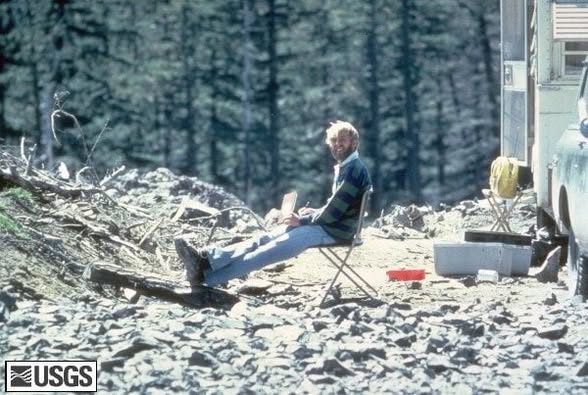
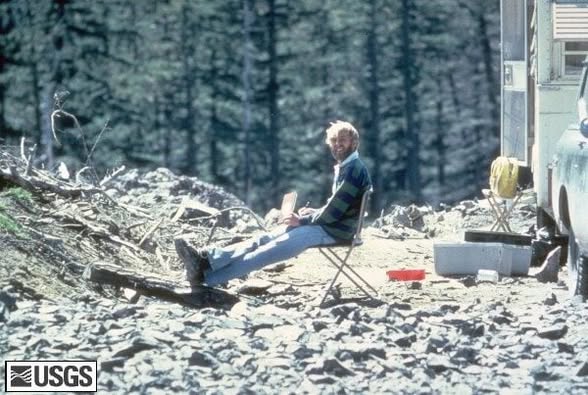
Ash rose high into the atmosphere and drifted across the U.S, while volcanic mudflows, known as lahars, surged through nearby valleys to the Columbia River. Fifty-seven people lost their lives, including USGS volcanologist David A. Johnston.
When the eruption ended, Mount St. Helens stood nearly 1,300 feet shorter than before. The eruption transformed not only the landscape, but also how scientists monitor and prepare for volcanic hazards around the world.
➡️ Watch USGS scientists recount their experiences before, during, and after the eruption: https://t.co/UmNpTXaOnb
📸: Mount St. Helens erupting above a quiet rural landscape, with ash and steam billowing into the sky. Mount Adams can be seen in the background.
May 19, 1980, rescue efforts start in the blast zone of Mount St. Helens, but there is little hope. The ridge north of the volcano where USGS geologist David Johnston had his observation spot was directly hit by the lateral blast and pyroclastic flows. His body is never found
Vancouver, Vancouver, this is it!" On May 17, 1980, volcanologist David Johnston volunteers to take over the observation post at Mount St. Helens as his colleague Harry Glicken, who had manned the post the previous two weeks, has to return to California ...
When Mount Saint Helens erupted 46 years ago today, nothing survived that was within 230 square miles of the explosion.
Except for photographer Richard Lasher who escaped on his dirt bike after taking this shot.
Richard "Dick" Lasher was on his way to drive his dirt bike when Mount St Helens erupted on May 18, 1980.
He spent the Saturday night packing some gear figuring he would head out first thing in the morning to get a look at the mountain.
His plan was hitching his Yamaha IT enduro bike to the back of his Pinto, driving up to Spirit Lake, then exploring the area via dirt forest roads on the bike.
Lasher drove down toward Spirit Lake from the north, likely dropping down from U.S. 12 and the town of Randle into the forest roads of the Gifford Pinchot National Forest.
He possibly made it as far south as Forest Road 26 by 8:32 that morning of May 18.
The time the volcano blew.
And if he had made it to the lake, he would almost certainly have died. The sheer force of the blast lifted the lake out of its bed and propelled it about 85 stories into the air to splash onto adjacent mountain slopes.
Luckily for him, and he did not realize until later just how lucky, he was on the opposite side of that ridge in front, because the entire forest was flattened from the ridge down, and he was in the lee side and protected from most of the blast.
That's the photo: a red Ford Pinto with a blue dirt bike hitched to its bumper, angled across a forest road.
On May 18, 1980, Mount St. Helens erupted with the force of 24 megatons of TNT, making it one of the most powerful volcanic eruptions in U.S. history.
The blast was so violent it literally blew the top off the mountain, triggered massive landslides, flattened millions of trees, and sent ash across multiple states.
To this day, the footage still doesn’t look real.
“Breaking Point” from Band of Brothers (2001) feels less like watching actors and more like watching men physically and mentally collapse from war. One of the few episodes of television that leaves you genuinely exhausted by the end.
🇺🇦 Ukraine is rewriting its military rulebook — and burying the Soviet legacy for good.
The Office of the Military Ombudsman just held a landmark expert discussion on reforming Ukraine's General Military Regulations, last updated in 1999.
Here's why this matters. 🧵👇
Woe to those who manipulate religion and the very name of God for their own military, economic, and political gain, dragging that which is sacred into darkness and filth. #ApostolicJourney#Cameroon https://t.co/bKteFZ3iWE