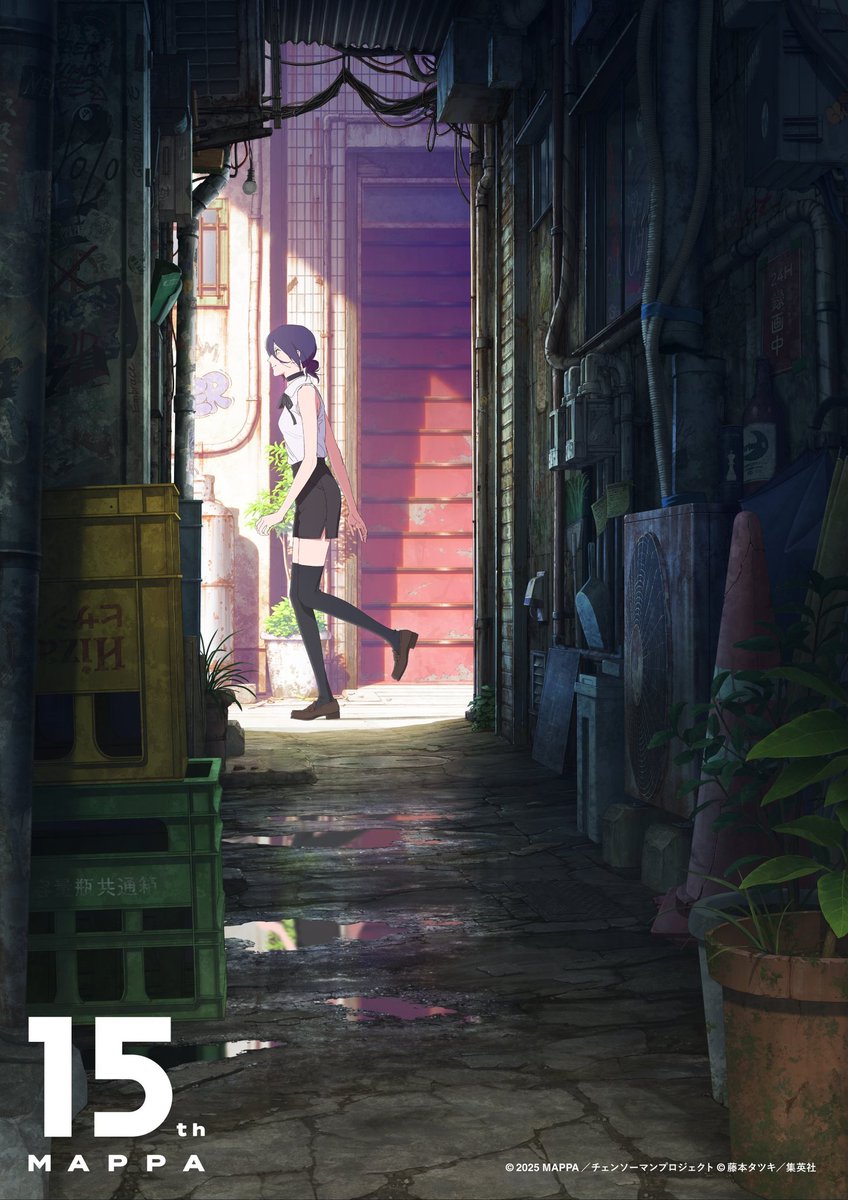
REZE FULL ANIMATION is DONE! 💣 💖
Denji and Reze finally get their 𝐻𝒶𝓅𝓅𝓎 𝐸𝓃𝒹𝒾𝓃𝑔 ✨
This took quite a while!! I'm super proud of how it turned out 🫶
If this animation does well, I'll be sure to do more Reze x Denji in the future! 🫡
Anyway, please go to my 𝒫𝒶𝓉𝓇𝑒𝑜𝓃 to watch the FULL 8 MINUTE ANIMATION!!
In 2016, I received an email from an aspiring manga artist in Morocco.
It began like this:
“I want to become a mangaka, but there is no manga publishing industry in Morocco.”
Many people around the world love manga and read it, but when you look globally, there are many countries where manga is simply not published at all.
In some places, there is not even a publishing system(including publishing, translation, and distribution) in place.
Even where books exist, the infrastructure for printing, distribution, and bookstores is often lacking, making it very difficult for a true industry to develop.
Telling manga fans in those countries, “Your country has a relatively high GDP per capita, so you should buy manga,” is meaningless if there is no actual way for them to buy it.
That is something I find deeply painful.
Why is it that the manga industry has not been able to properly serve those regions?
Even in countries where publishing exists, manga books are often too expensive.
The price of a single tankōbon book is $ 15 to $ 20, which is high even in the United States, especially when today’s digital entertainment offers so many alternatives at much lower prices.
So, this is why I believe the future of manga is clearly not limited to print publishing, but must include digital services—manga that can be enjoyed in a reasonably accessible and affordable way.
If such systems are established globally, I believe the manga industry could grow dramatically.
In North America alone, a tenfold expansion would not be unrealistic.
Even countries without any publishing tradition could develop sustainable manga industries.
Once official digital services exist in each country, they can generate tax revenue, and governments can more seriously address piracy.
At that point, creators and aspiring manga artists can also demand proper enforcement and protection.
Most importantly, it would create opportunities for local aspiring manga artists.
And those opportunities would, in turn, strengthen the global industry as a whole.
When a country’s manga ecosystem develops properly, it becomes a cultural export industry.
From a government perspective, piracy then becomes something that can and should be actively addressed.
The first people to pay for legitimate manga services will, in many cases, be the very readers who once relied on piracy. They are not enemies of the industry—they are its earliest supporters in waiting.
Pirated manga readers are not our opponents.
They are our future audience.
They are proof that demand already exists.
In late 1990s Korea, manga piracy was widespread, and attitudes were often very hostile toward paid content.
Many believed that paying for manga was unnecessary, or even that the industry itself should not exist.
At the time, Steve and I did not fully understand this.
We were wrong in many ways.
But later, when proper legal services were introduced in Korea, readers were more than willing to support them. They paid for content gladly, and the Korean webtoon industry grew stronger, eventually becoming a major source of IP for film and television.
We learned, through experience, that the joy of not paying cannot compare to the deeper satisfaction of supporting and sustaining the culture you love.
Piracy users were never the enemy.
They were simply manga fans.
And all manga fans, in the end, are on the same side.
Through our mistakes, Steve and I came to understand this more clearly.
What needs to be done is simple: build proper digital manga services.
Ensure fair pricing.
And most importantly, help each country develop its own manga ecosystem.
Because only then can a truly global manga industry exist.
And only then can the works we create truly reach the world.
To be continued...
Boichi, el autor de "Dr. STONE", afirma lo siguiente:
«Los lectores de manga pirata NO SON NUESTROS ADVERSARIOS. Son nuestro público futuro. Son la prueba de que la demanda ya existe».
Boichi explica que muchos fans del manga en todo el mundo aún carecen de acceso a manga legal porque algunos países NO CUENTAN con infraestructura editorial, sistemas de traducción ni redes de distribución.
«Decirles a los fans del manga en esos países: "Deberían comprar manga", no tiene sentido si no tienen forma de adquirirlo».
Sostiene que los servicios de manga digital asequibles son clave para expandir la industria a nivel global y crear oportunidades para futuros creadores.
¡LO ENTENDIÓ TODO! 🙏
👉 Un conocido mangaka creador de material 𝗵*𝗻𝘁𝗮𝗶, Yonayona, publicó recientemente la obra del género 𝗡𝗧𝗥, 𝗡𝗲𝘁𝗼𝗿𝗶 𝗢𝘁𝗼𝗸𝗼 𝗼 𝗠𝗲𝘀𝘂 𝗻𝗶 𝗦𝘂𝗿𝘂, una historia de venganza e infidelidad y la crítica reaccionó coincidiendo que es la mejor historia de venganza más bizarra que vieron. 😮
¡ALERTA DE SPOILER!
📌La historia inicia cuando al personaje principal le envían un vídeo de su novia siendo infiel con un hombre rubio después de detonar. En venganza, el protagonista ubica al hombre rubio y 𝗹𝗼 𝘀𝗼𝗿𝗽𝗿𝗲𝗻𝗱𝗲 𝗰𝗼𝗻 𝘂𝗻 𝗴𝗼𝗹𝗽𝗲 𝗲𝗻 𝗹𝗮 𝗰𝗮𝗯𝗲𝘇𝗮 𝗽𝗮𝗿𝗮 𝗹𝘂𝗲𝗴𝗼 𝘀𝗲𝗰𝘂𝗲𝘀𝘁𝗿𝗮𝗿𝗹𝗼 𝘆 𝗰𝗮𝗺𝗯𝗶𝗮𝗿𝗹𝗲 𝗲𝗹 𝘀𝗲*𝗼 dándole una pastilla misteriosa. Una vez convertida en una mujer atractiva el protagonista decide la detonarla y este se graba para enviarle el vídeo a su ahora exnovia para consumar su venganza.
Finalmente, las reacciones del fandom fueron positivas, destacando su creatividad y a la vez de las historias más raras que conocieron. Incluso algunos dijeron "Este artista es un genio". 🤯