A massive flyover of U.S. aircraft above the USS Missouri in Tokyo Bay during the Japanese surrender ceremony, marking the end of WW2. September 2, 1945.
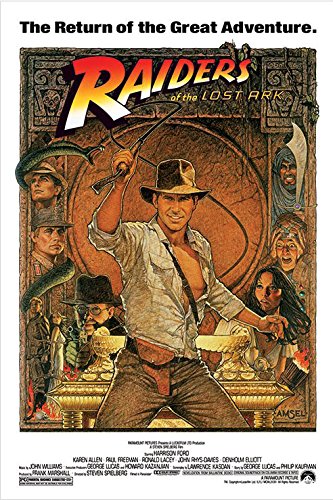
A summary of the script of "The Life and Death of Colonel Blimp" (1943) found its way to Prime Minister Winston Churchill before the movie began production. He wrote to Minister of Information Brenden Bracken, "Pray propose to me the measures necessary to stop this foolish production before it gets any further."
Bracken was uncomfortable with Churchill's request, and responded that he had "no power to supress the film", stating that "in order to stop it the government would need to assume powers of a very far-reaching kind".
Michael Powell & Emeric Pressburger wanted Laurence Olivier to play the lead role of Clive Candy in the movie. But Olivier was prevented from being furloughed from the Navy by Prime Minister Winston Churchill. Churchill didn't want to bolster the production with an actor and star of Olivier's caliber, as he felt the movie was critical of a type of British patriot. Olivier was allowed to take a leave from the Navy to make a film about William Shakespeare's patriotic King Henry V in Henry V (1944). Roger Livesey was cast instead.
After the proposal to release Laurence Olivier was turned down by the War Office, Michael Powell asked the Minister Jack Beddington "Do you forbid us to make the film?"
He replied, "Oh, my dear fellow, after all, we are a democracy, aren't we? You know we can't forbid you to do anything, but don't make it, because everyone will be really cross, and the Old Man [Winston Churchill] will be very cross and you'll never get a knighthood."
Filming was made difficult by the wartime shortages and by Winston Churchill's objections leading to a ban on the production crew having access to any military personnel or equipment. But they still managed to "find" quite a few Army vehicles and plenty of uniforms.
In his autobiography, Michael Powell wrote,
"I have often been asked how we managed to obtain military vehicles, military uniforms, weapons and all the fixings after being refused help by the War Office and the Ministry of Information. The answer is quite simple: we stole them."
("The Life and Death of Colonel Blimp: The war film that Churchill tried to ban", Mark Allison, BBC, 2023, "A Life in Movies", Michael Powell, 1986 & IMDb)
P.S: On this day, 83 years ago, Michael Powell & Emeric Pressburger's "The Life and Death of Colonel Blimp" (1943) premiered in London, UK.
Miami Vice Theme: Jan Hammer (1985). I'm just going to assume that Jan played the music live for every episode, wearing a silk suit with rolled up sleeves. Every time he tried to escape they caught him and dragged him back to the studio.
James Remar casually switching into fluent Japanese mid-interview and completely surprising the reporter is one of those moments that catches everyone off guard.
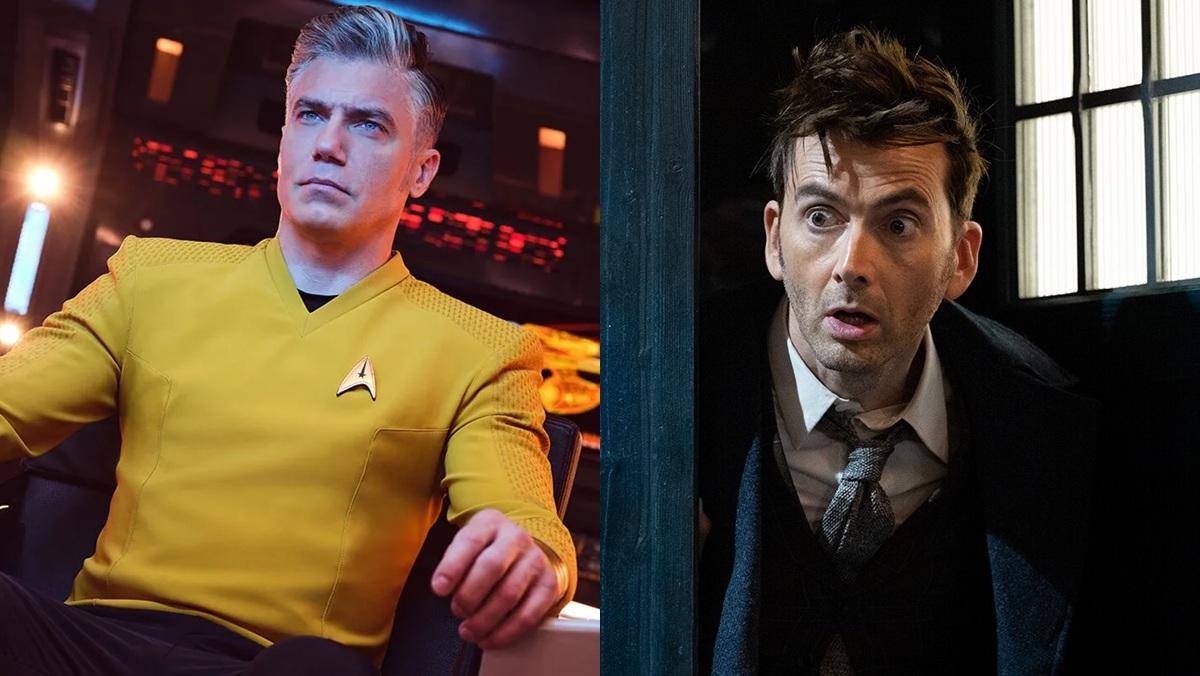
Today marks 42 years since #JonPertwee regenerated into #TomBaker in the final episode of #DoctorWho's "Planet of the Spiders". We felt #FrankSinatra's "My Way" represented that transition wonderfully, and we used it to open our regeneration-themed medley: https://t.co/XgKt9nrcuV
Just after midnight on June 5, 1968, Robert F. Kennedy finished his victory speech in the Ambassador Hotel ballroom with the words "and now it's on to Chicago, and let's win there."
He had four minutes left as a conscious man, and the way those minutes unfolded still haunts American history.
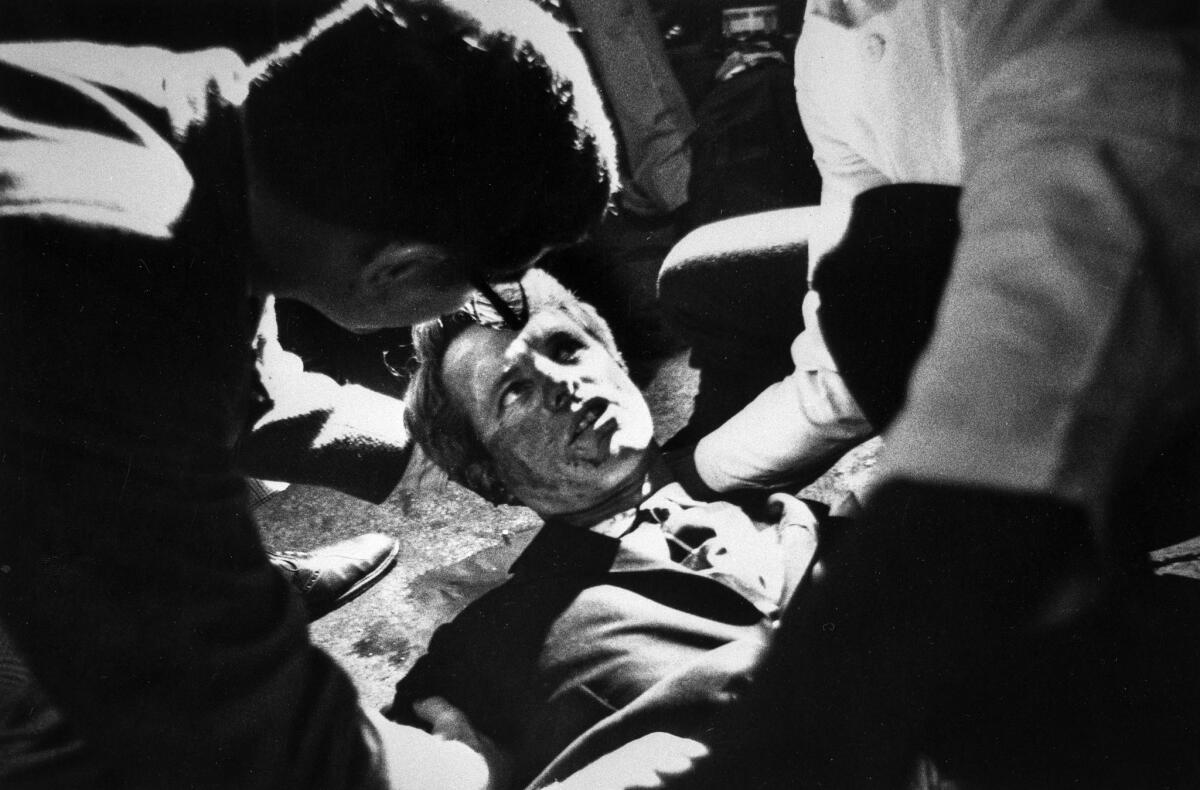
To save time, his bodyguard led him through the hotel kitchen. RFK did what he always did: he stopped to shake hands with the workers. He was reaching for the hand of Juan Romero, a 17-year-old busboy, when Sirhan Sirhan stepped forward and fired.
The photo everyone knows is Romero kneeling on the concrete floor, cradling the senator's head. The boy pressed a rosary into his hand. Witnesses heard Kennedy ask, "Is everybody OK?" Romero told him yes. Kennedy answered, "Everything's going to be OK."
He died the next day. He was 42.
Consider what that one moment took. Two months earlier, on the night Martin Luther King was murdered, it was Kennedy who stood on a flatbed truck in Indianapolis and broke the news to a Black crowd, speaking off the cuff about his own brother's killing for the first time in public, quoting Aeschylus from memory. Indianapolis stayed calm that night while a hundred cities burned.
Now, in the space of nine weeks, the country lost them both.
His funeral train ran from New York to Washington, and something happened that nobody planned: more than a million Americans appeared along the tracks. Factory workers holding hard hats over hearts. Little League teams at attention. People standing in rivers to see it pass. The train ran hours late because the crowds never stopped.
Juan Romero carried that night for the rest of his life. For decades he believed that if Kennedy hadn't stopped to shake his hand, he might have lived. He finally visited the grave in 2010 and said he felt the senator would have told him to be proud, not sorry.
Whatever 1968 was supposed to become ended on that kitchen floor, 58 years ago today.