A localization/translation analysis site run by Anthony & Matthew. Please forgive any confusion that arises as a result of two people tweeting from one account.
@FdetentionNo2 So if you were to choose to try and retain all the nuances of 「おじさん」, I’d probably use one of those. For example, 「親父ギャグ」 translates cleanly to “dad joke” with all the same connotations.
https://t.co/WMumPpiAx9
Hard to imagine what happened for some of these… 「おじさん構文……」 (ojisan kōbun) is approximately “You type like you’re middle-aged…”, & even people with a casual, anime-only understanding of Japanese would get it. To confuse it with オージー (ōjī, Aussie) beggars belief…
@FdetentionNo2 I don’t think there’s a 1:1 term. I’ve seen many suggestions that all seem to fall short in one way or another. One thing I’d consider is that in EN I think “dad” and “grandpa” have more of the “corny, not cool anymore” feeling 「おじさん」tends to carry in JP than “uncle”.
@FdetentionNo2 Great info! Proper/formal grammar, capitalization, and punctuation can have a similar effect in English. My guess is that older people have a harder time seeing writing as disposable.
It's common for localization to struggle with the use of じいちゃん (jīchan) to mean 'old man' rather than 'grandfather', but Raging Loop has a rare example of a native Japanese speaker being confused by it.
As usual, a translation is in the alt text.
Probably my biggest tweet ever, guess I should shill… I write about localization changes as a hobby! Here’s one of my favorite articles, about the Trails series:
https://t.co/ncalu1brF4
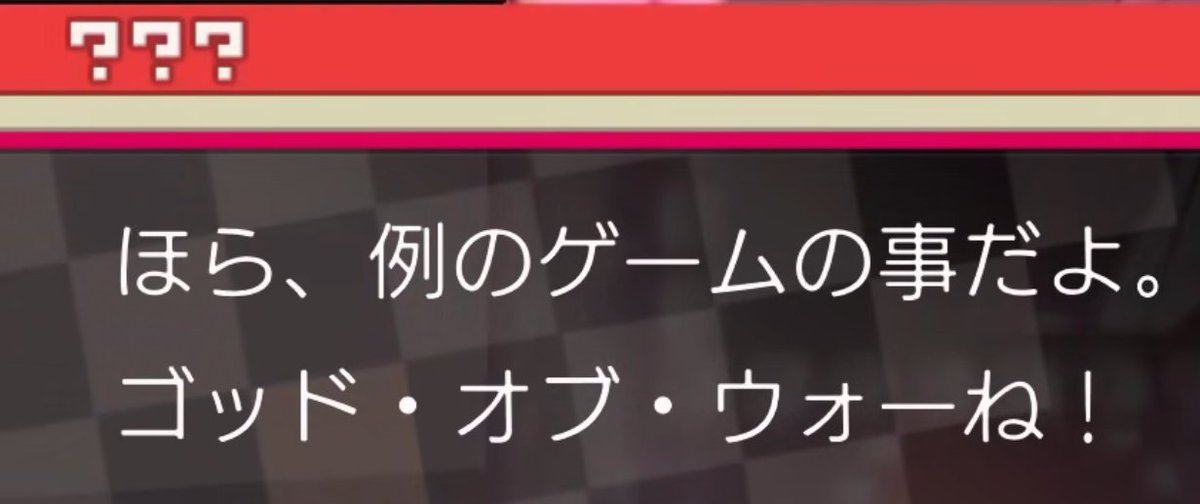
In reviewing Danganronpa 2's Japanese script since 2x2 is due this year, I got curious about the "Knifearella" gag in the finale.
While EN players tend to agree it's a Bayonetta reference, the Japanese script is more explicit: the dialogue says "God of War" outright!
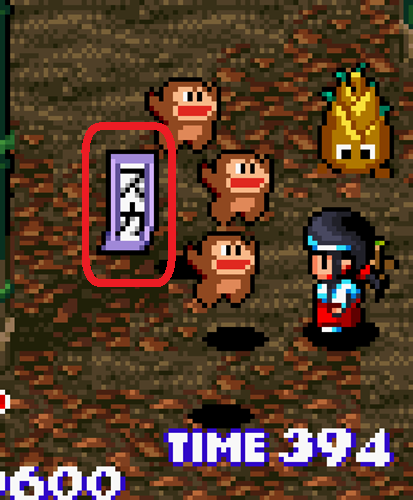
The Japanese name for this item is なしのつぶて(nashi no tsubute), and refers to how a thrown pebble doesn’t come back. As a metaphor, it evokes not getting a reply even after sending a message.
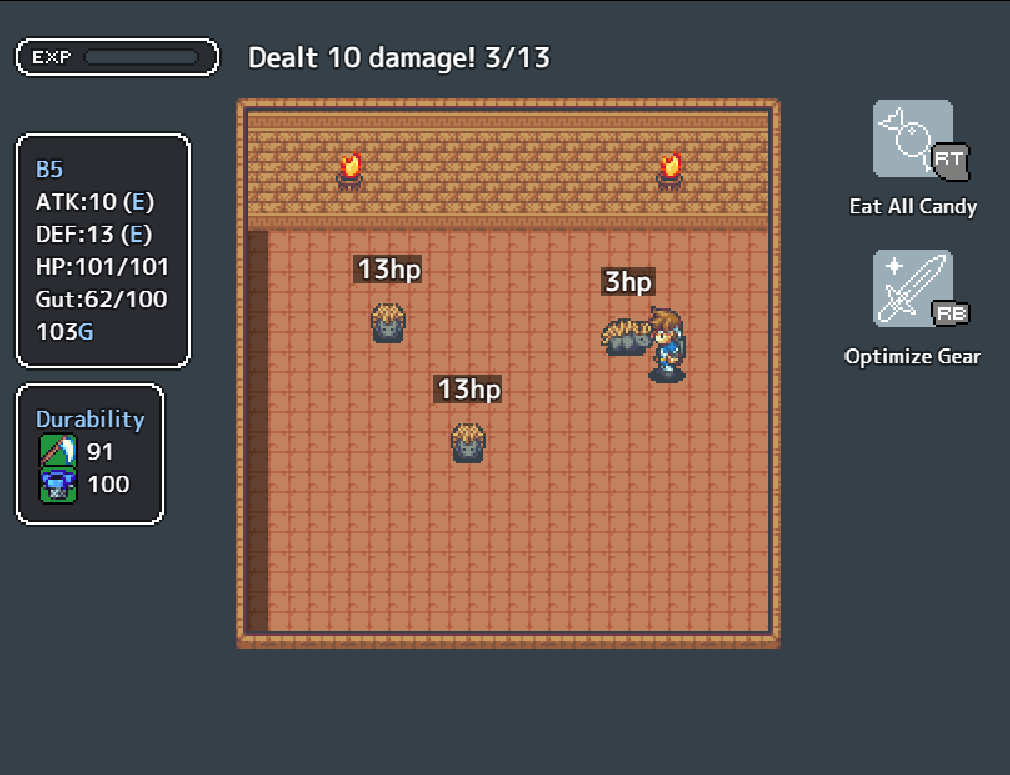
It's available on Steam!
I would change the wording on some of the English hints slightly, but they're clear enough with a little thought. JP-studiers might want to purchase the upgrade that slows the hunger speed early on!
https://t.co/NZ9qKKrolN
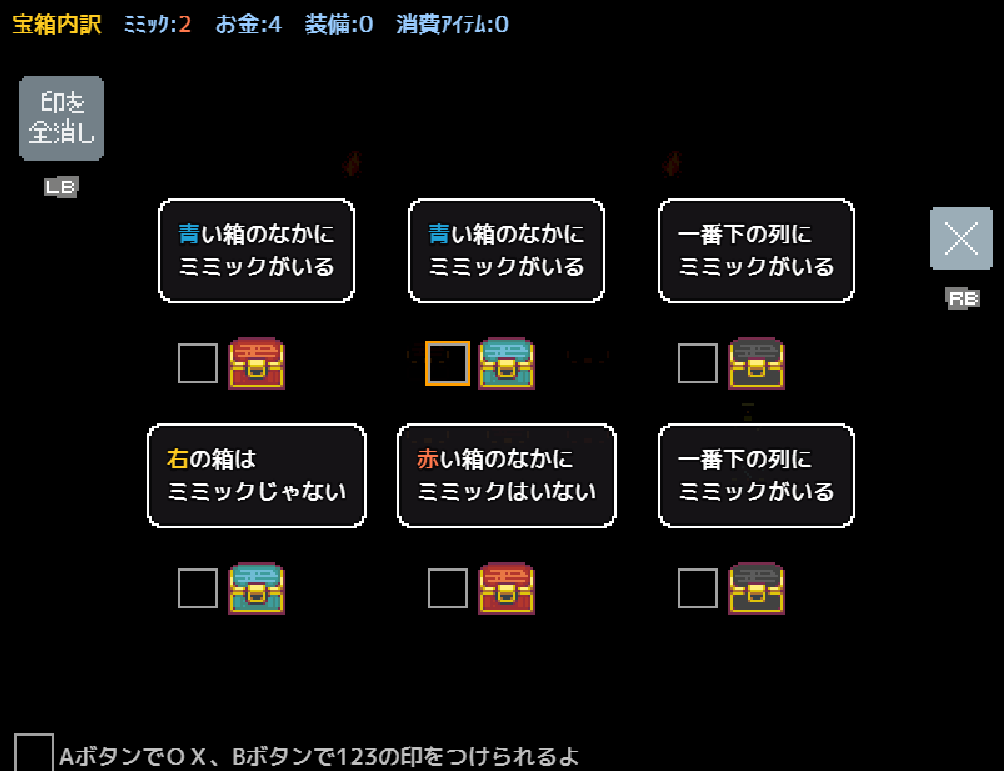
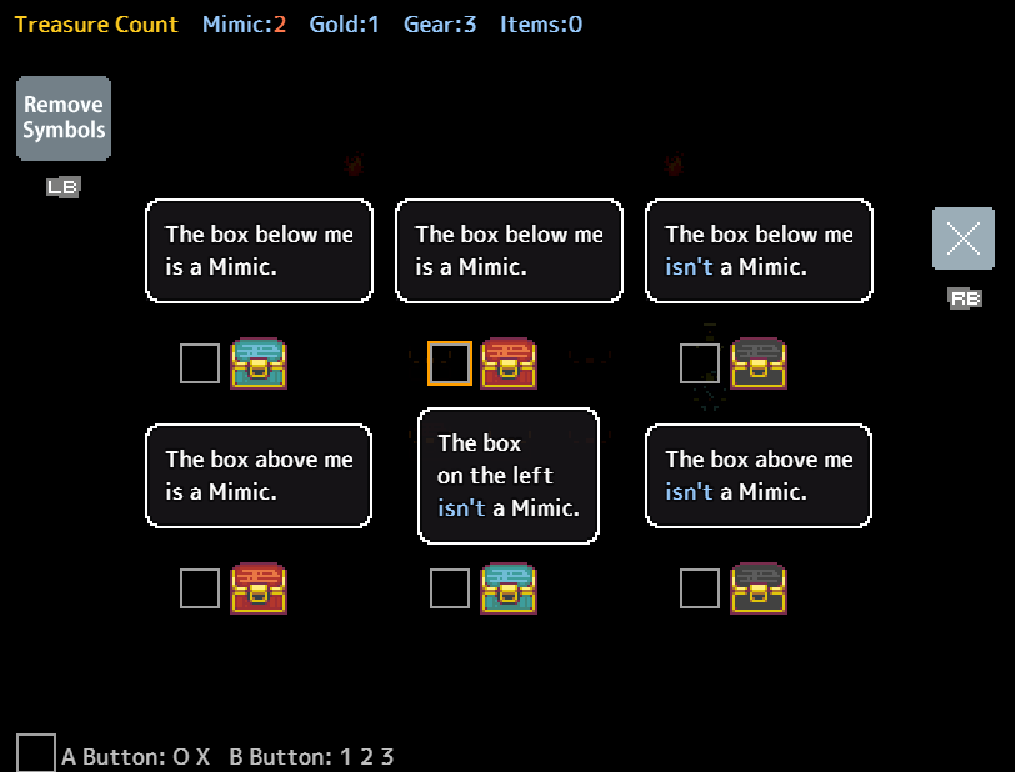
Enjoying Mimic Logic by @nniihhoohhhee. It's an addicting combination of sudoku and liar/truth-teller logic puzzles wrapped in familiar RPG tropes. The grammar and terminology used is very simple and repetitive, so it's a good game to play if studying Japanese!
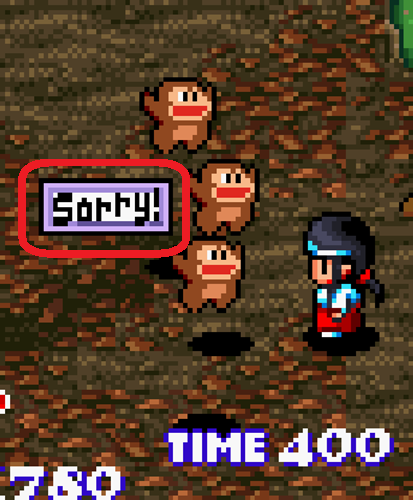
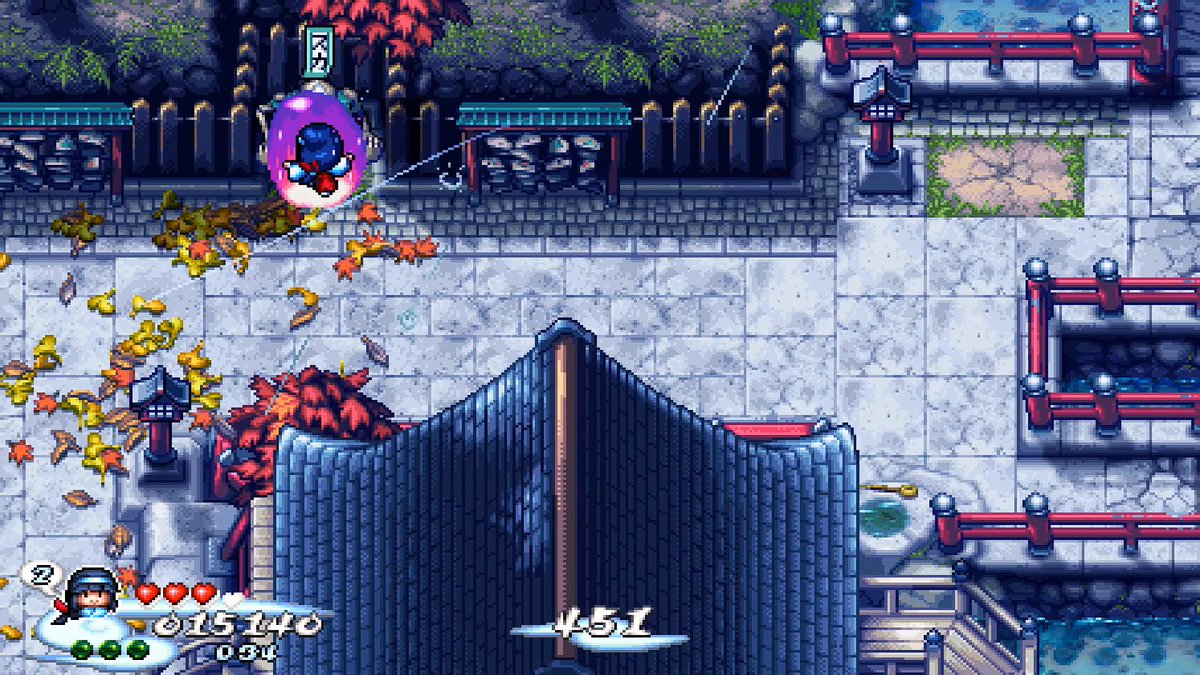
@yami_translator Funny enough, while this was changed in the English release of Pocky & Rocky in 1993, it was overlooked in the English release of Pocky & Rocky Reshrined just a couple years ago!
@Shagrazir @Bryophite_Ben@scaathu The use of hiragana is intended to give the speaker a soft, feminine tone. It's pretty common and descends from a time when hiragana were known as "woman's words", since women were not taught kanji.
My friend Matthew wrote about it in his retranslation:
https://t.co/Zb7OGvRvtq
@ElonBallFunk@_VioMarks_ The foreboding music and geography above his head make it much more likely to me that the Suruga Trough and the anticipated Shizuoka-centered 8.0 earthquake that may one day occur are the joke.