Building a community with like-minded entrepreneurs
Sharing insights and help in every aspect of ecom
join the discord server here:
https://t.co/y90SHdAiZt
the difference between someone who's actually validated an idea and someone who fell in love with one
ask either of them why they picked their product and listen closely
one describes a specific complaint they heard from actual strangers, word for word almost
the other describes a gap they personally noticed, or a gut feeling, or a competitor doing something wrong
a gut feeling isn't nothing, but it's not proof either, and the accounts that only ever talk about their instincts rarely mention the three ideas before it that instinct got wrong
the operators worth listening to can tell you exactly how many people they talked to before they built anything at all
most failed products were never actually tested, they were just built by someone who wanted them to work
here's what i check before writing a single line of copy for anything new
overview:
checks 1-2 confirm the problem is real, not just one you personally have
checks 3-4 confirm people will actually pay to fix it
check 5 is the one that kills bad ideas fastest
full breakdown:
post about the problem itself, not the solution, before building anything, see if strangers react the way you expected
count how many replies describe the exact same frustration in their own words, one or two isn't a pattern
ask a handful of the people who replied what they'd actually pay to fix it, a real number, not a guess
check if anything already exists for this problem, competition usually means the pain is real enough that people are already paying
wait a week before building anything, if the excitement is still there after the rush wears off, that's a real signal
skip straight to building and you're just finding out the hard way, months later, instead of finding out now
spent six weeks building something i was completely convinced would work
skipped the part where you ask anyone if they actually wanted it, because deep down i think i didn't want the answer
launched it to silence, not even a bad response, just nothing
sat with that for longer than i want to admit, kept adjusting small details instead of accepting the real problem was the idea itself
the thing i had backwards: i thought loving an idea was the same as the market wanting it
started posting about problems before building anything after that, purely to see if anyone reacted the way i had
it's a much less romantic way to start something, and it's the only version that's actually worked since
my real timeline of finding a product idea that actually worked, after three that didn't
idea 1: loved it personally, spent two weeks building the page before telling a single stranger about it, zero interest when it launched
idea 2: posted about the problem first this time, got maybe ten replies, built it anyway out of stubbornness, still went nowhere
idea 3: same thing, posted the problem, got a handful of replies, told myself that counted as validation because i wanted it to
idea 4: posted the problem, got forty plus replies within a day, all describing the same frustration in their own words, that was the actual signal
built idea 4 last, and it was the only one that sold before i'd even finished building it properly
the pattern across the three that failed: i validated after i'd already fallen in love with the idea, not before
Vibe coding gets you a prototype in a weekend. The gap to production is the boring stuff: error states, concurrency, what happens when two people do the same thing at once.
AI can help with all of it. It just won't remind you to ask.
The quickest way to look like an ad is to caption like an outsider.
Before: big bold white text, dead center. "This skincare changed my life"
After: small plain white text tucked in the corner, one 🎀
The second one is how beauty creators actually post. One seller with zero background in beauty noticed that caption style and the pink bow repeating across dozens of videos, copied both, and that run crossed $60,000.
Scroll 20 videos from your buyer's side of the app before you write a caption.
200 hooks. 20 categories. 3 seconds to use one.
Say you spend 3 hours on a script and 3 minutes on the first line.
That's 1.7% of your time on the part every viewer hears first.
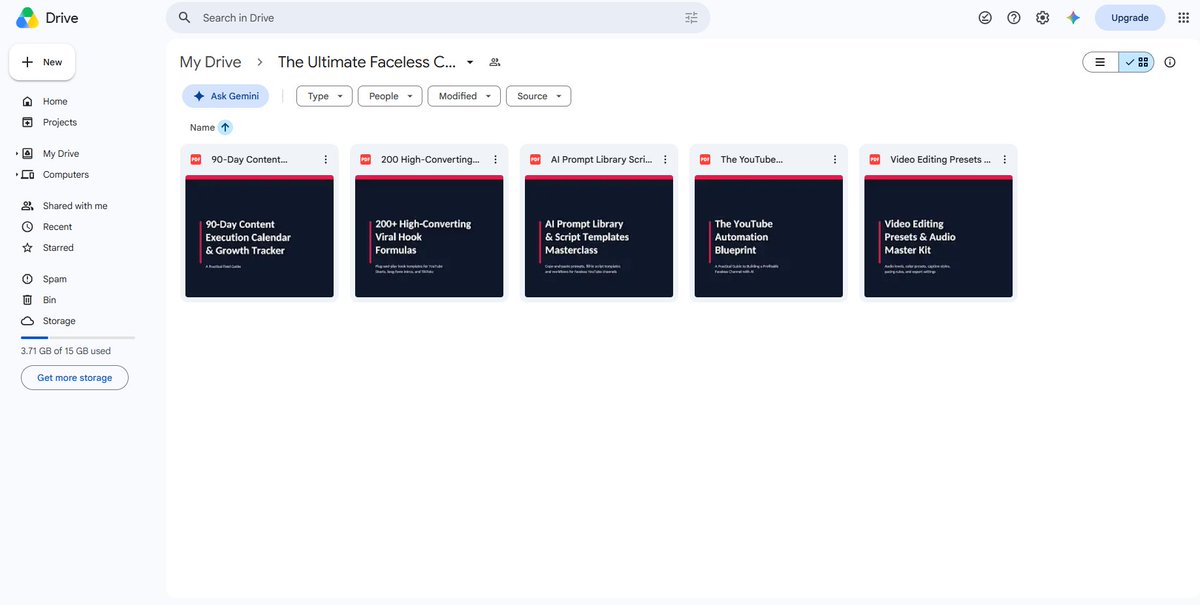
Reply "YT" and I'll DM you the link to the full 5-PDF bundle ($47 launch price for the first 10 buyers, then $97).
1. Follow me (so I can DM you)
2. Like & Retweet
3. Reply "YT"
I send these manually. Give me up to 24 hours.
No income guarantee. Results depend on your niche, effort, and execution.
$83,000. $71,000. $30,000.
Three sellers, three different products, one pattern. I broke down exactly how each of them did it.
Kai, 19. Found a product nobody was dropshipping, buried in a low-view creator video with a comment section full of "where do I buy this." When a week of rain killed his outdoor filming, he switched to AI: one real photo for the lighting, Claude for the prompts, Higgsfield for the video. $83,000 month.
Chloe. College student. Made $7K in June and was about to drop the product. Found one visual hook, stitched it, 5 million views. Kept the hook, changed everything around it. $71,000 since July. Same product the whole time.
Isaiah. Sells to US buyers from Mexico and makes every video himself. Went from testing 3 products a month to 8. His last 30 days: $30,000. His lowest month since December: $9,000.
None of them had a secret product. They found real demand, tested fast, and doubled down on what was already working.
I put everything I've learned from breakdowns like these into a 4-book AI organic dropshipping bundle:
1. Product research
2. Creating winning ads
3. How to go viral
4. The full system, start to finish
On this account I post the numbers, the tools, and the mistakes that cost people money. No guru stuff.
@Ecomniko@EcomNiko@Zuko_Yta
https://t.co/Vm0vyo5T18
easy way to spot someone who's actually systemized their content versus someone posting from scratch every single day
one group's posts feel scattered, reacting to whatever happened that morning
the other group's posts feel like they were planned with a whole month in mind, even when they're talking about something current
consistency that looks effortless almost never is, it's usually a batching system running quietly in the background
the accounts claiming they "just post whatever's on their mind daily" and still hit every single day without fail are almost always running a system, they just don't talk about it
most people run out of ideas because they never captured them in the first place, not because the ideas stopped coming
here's how i batch a month of posts in one sitting
overview:
step 1-2 is collecting raw material, not writing anything yet
step 3-4 is turning that material into actual drafts
step 5 is the part that keeps the batch from feeling repetitive
full breakdown:
pull every question you've answered in dms or comments over the last month, that's your raw material
add anything you caught yourself explaining out loud to someone this month, those make the best posts
pick one sitting, no distractions, and turn each item into a rough draft, don't edit yet, just get the shape down
go back through and tighten each one, cut anything that isn't earning its place in the post
space the topics out across the days so you're not posting three similar ones back to back
one sitting, one week's worth of posts done, the ideas were never the shortage, the system for capturing them was