“Witnessing, or looking and weeping, did not stop the atrocities.”
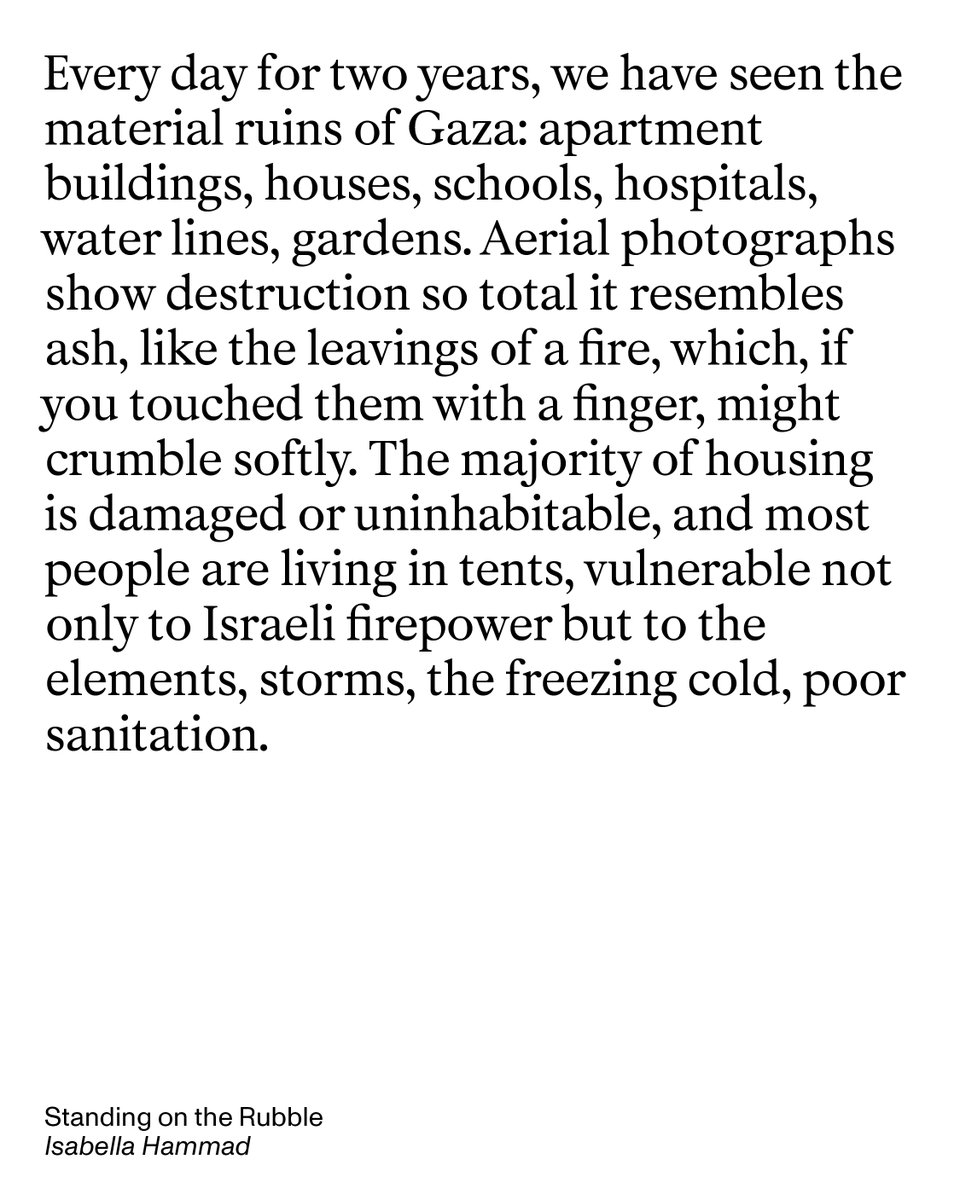
In a brilliant essay for our first print issue, Isabella Hammad traces the motif of “weeping over ruins” in Arabic poetry – and the impossibility of mourning in Gaza, where destruction is relentless and ongoing:
1/ COGAT issued a disgraceful statement regarding the evacuation of an antiquities warehouse in Gaza ahead of bombardment. See COGAT's statement in the second comment. Our response as follows:
(Thread)
All that is not action is noise.
This week's column on Gaza as politicians rinse and repeat statements of concern without meaningful pressure on Israel
https://t.co/s7090fhZXD
@AraarLeila is doing some really interesting and insightful work on digital recording in developer-funded archaeology, really glad to see it reaching a wider audience!
This is very important:
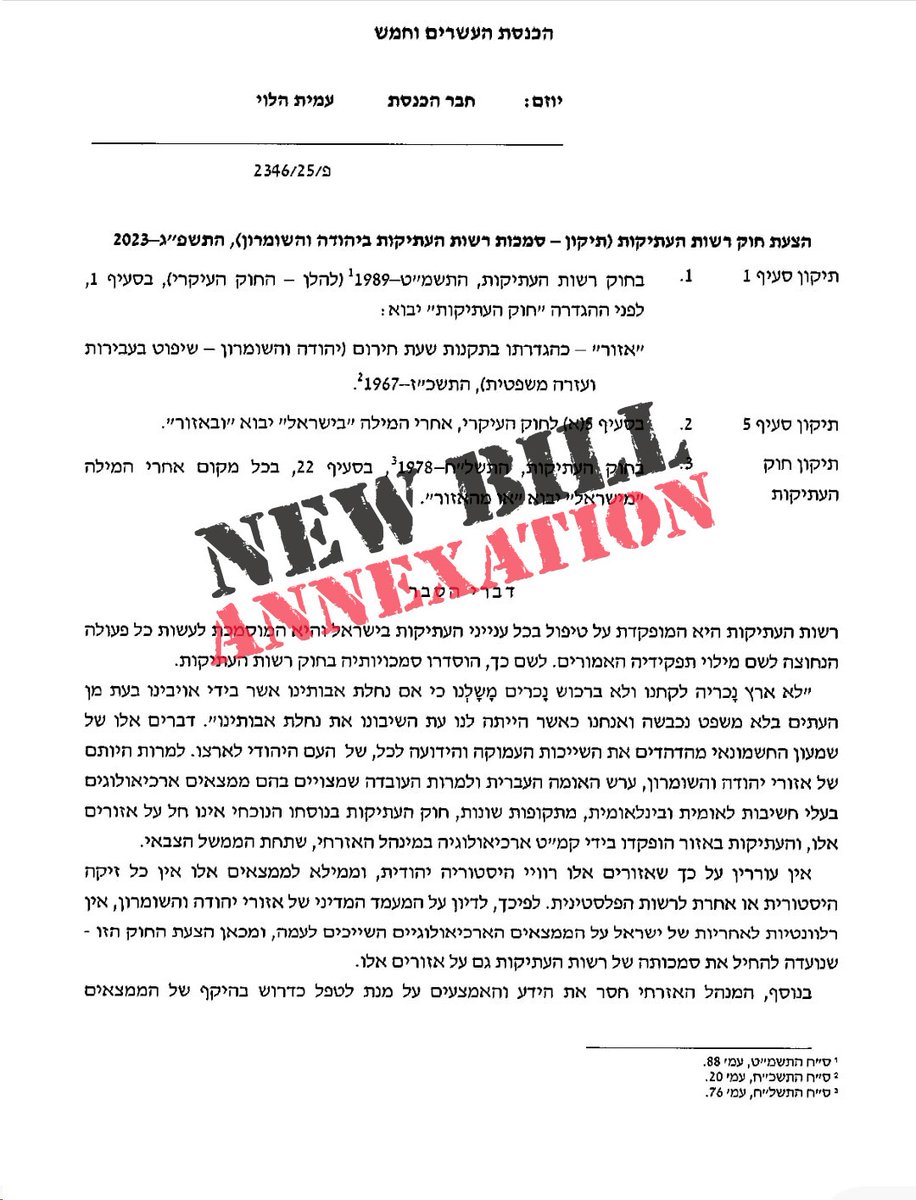
1/Tomorrow a bill to expand the jurisdiction of the Israeli Antiquities Authority (IAA) into the West Bank is scheduled to be submitted for a preliminary vote in what would be a blatant step towards official annexation.<<
Latest from my lab: a genome from Roman Britain with ancestry related to groups from another corner of the Roman empire - Sarmatians.
Fascinatingly, the individual lived around 175 AD, when Marcus Aurelius deployed 5500 Sarmatians from the eastern frontier to Britain, but no individual potentially associated with that movement of people has been found so far.
See first author @marinasdsilva 's full breakdown of the research 👇which was teamwork featuring many including @Boothicus@MOLArchaeology@archaeojan@wellcometrust@TheCrick.
The paper is open access in @CurrentBiology: https://t.co/EgMZGQCyEG
This thread highlights Gaza's most significant religious, cultural, and archaeological sites. While serving as an educational resource, it also serves as a record of these sites, aiming to raise awareness about their existence and to caution against any efforts to damage them.
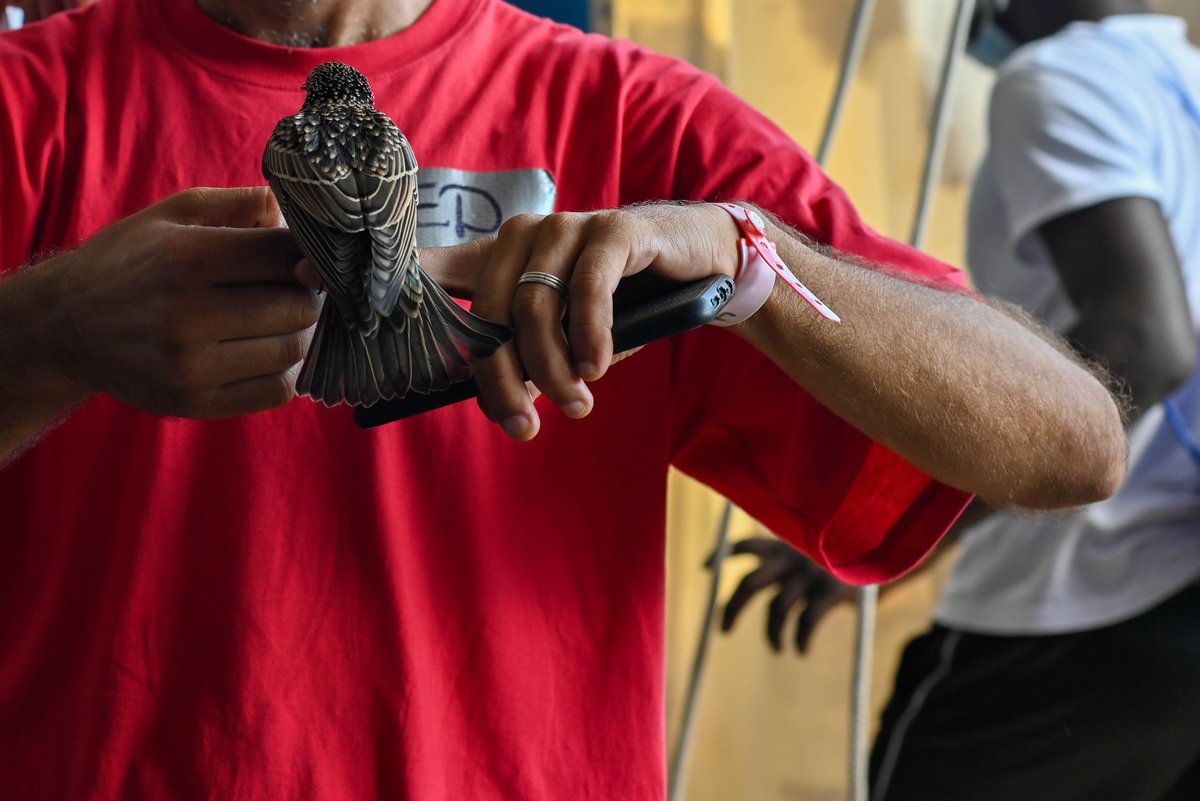
🦜In the middle of the night, a bird found shelter on the deck of the #GeoBarents. It probably lost its flock, while crossing the deadliest migration route in the world. Survivors on board welcomed him and have been looking after him since then.
@JMArchaeologist@DavidPetts1@MOLArchaeology Good question! One of this project's aims was to see what happens if you try to apply methodologies used in commercial archaeology to contemporary material - there's a chapter with @SarahMMallet in this (open access) https://t.co/RWQux6vn5a
'The Star' from the tarot cards created by Surrealist painter Leonora Carrington. The Star brings hope, renewed power, and strength to carry on with life. #WomensArt